Mudskipper Coloring Pages
 By:
Jennifer Thoa - Content Editor & Designer
Updated:
By:
Jennifer Thoa - Content Editor & Designer
Updated:
Free Mudskipper Coloring Pages: 20 printable PDF designs featuring this unusual mud-loving fish in mangrove scenes, cute character styles, and close-up portrait poses. Each page can be downloaded as a PDF to print or colored online in the browser.
A mudskipper spends most of its life out of water, using strong, arm-like pectoral fins to crawl and hop across mudflats instead of swimming. This collection holds 20 mudskipper coloring pages, ranging from realistic portraits that show off the fish’s bulging, periscope-like eyes to cute chibi versions and a few pages built around exaggerated expressions like crying or looking startled. A handful of pages also place the mudskipper in its real habitat, perched on a rock or mangrove root above the waterline.
The set includes solo mudskipper portraits, mangrove and mudflat habitat scenes, cute and chibi-style designs, and a few expressive, character-driven poses. Every page downloads as a free PDF or opens directly in the browser for online coloring, with no account required.
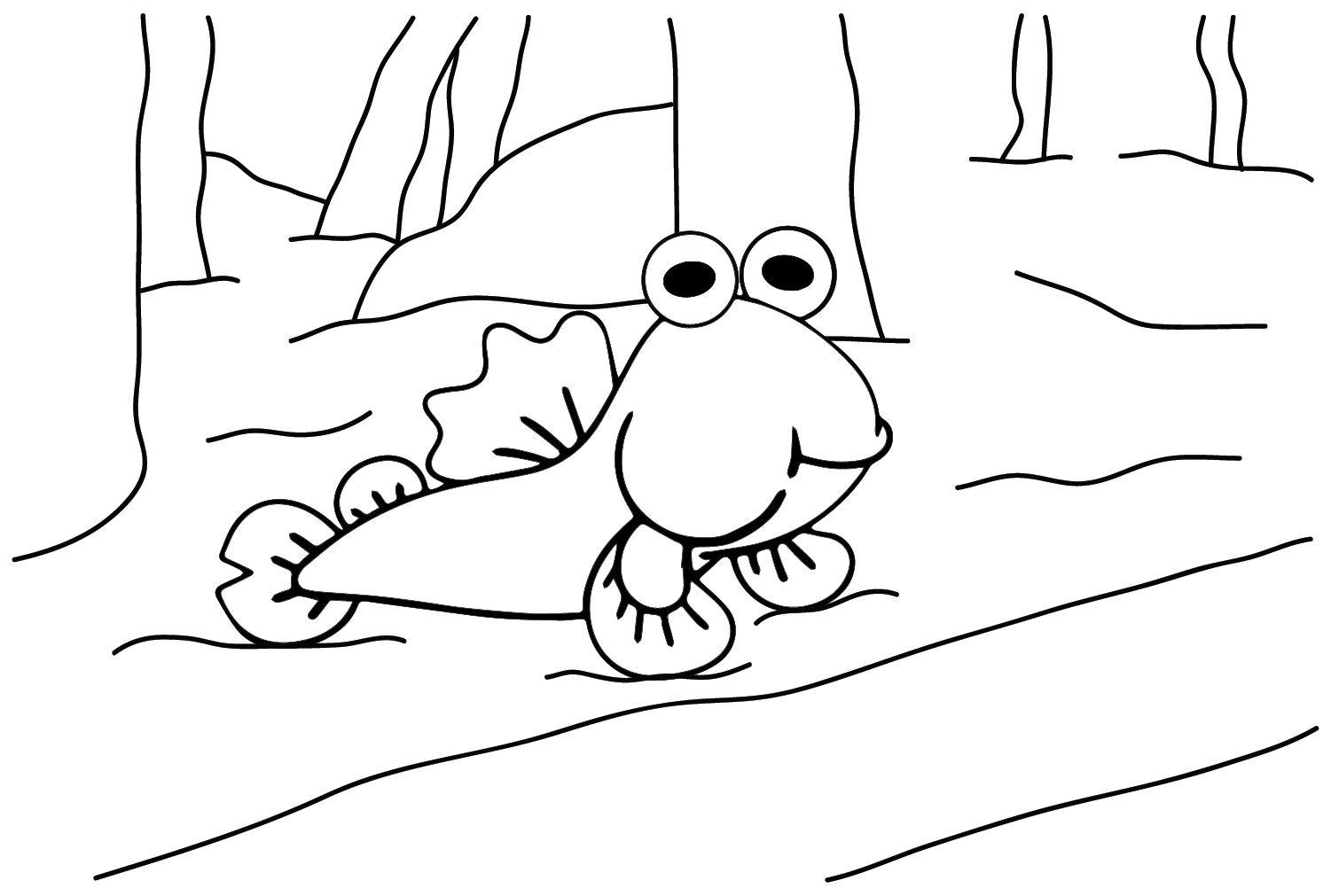
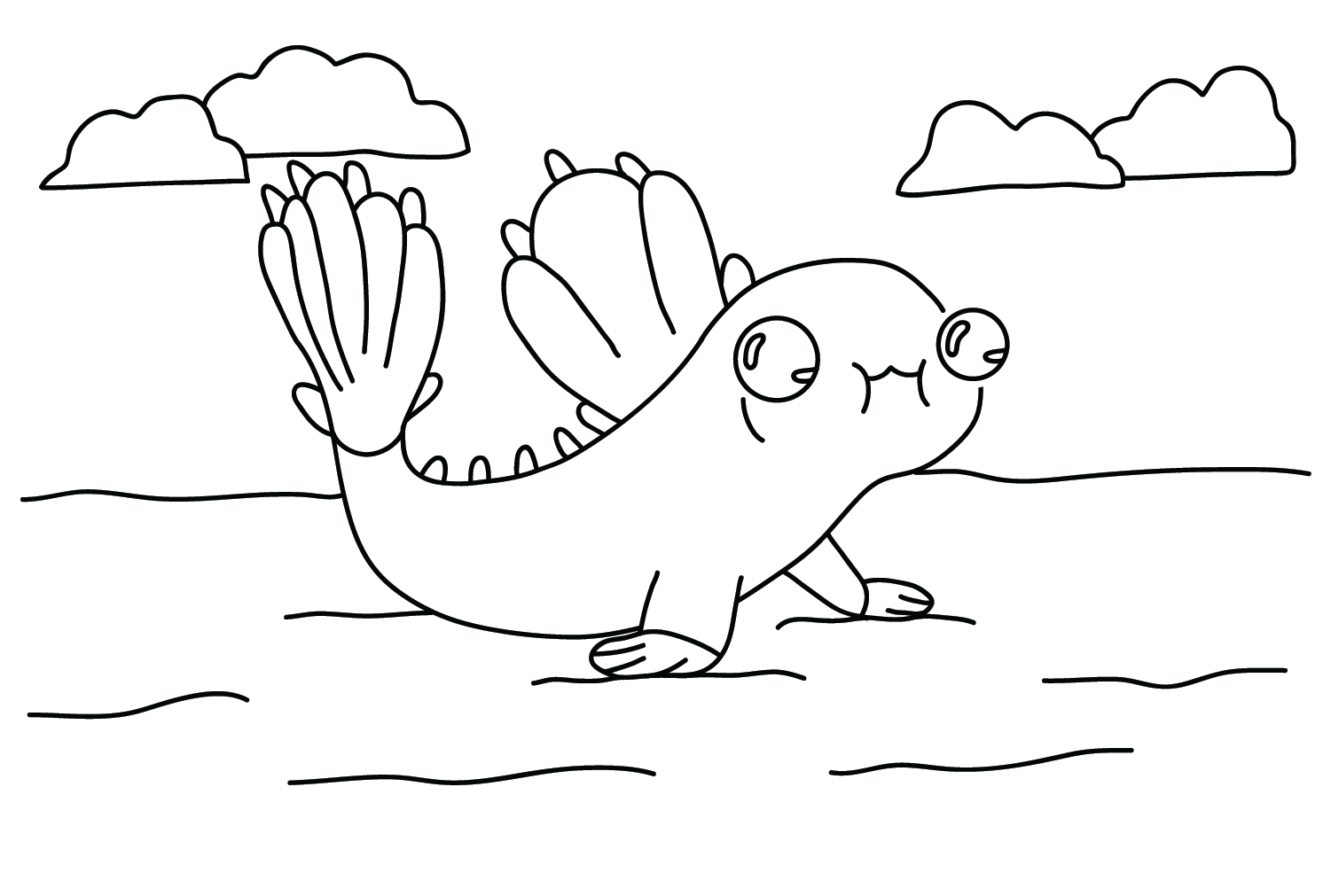
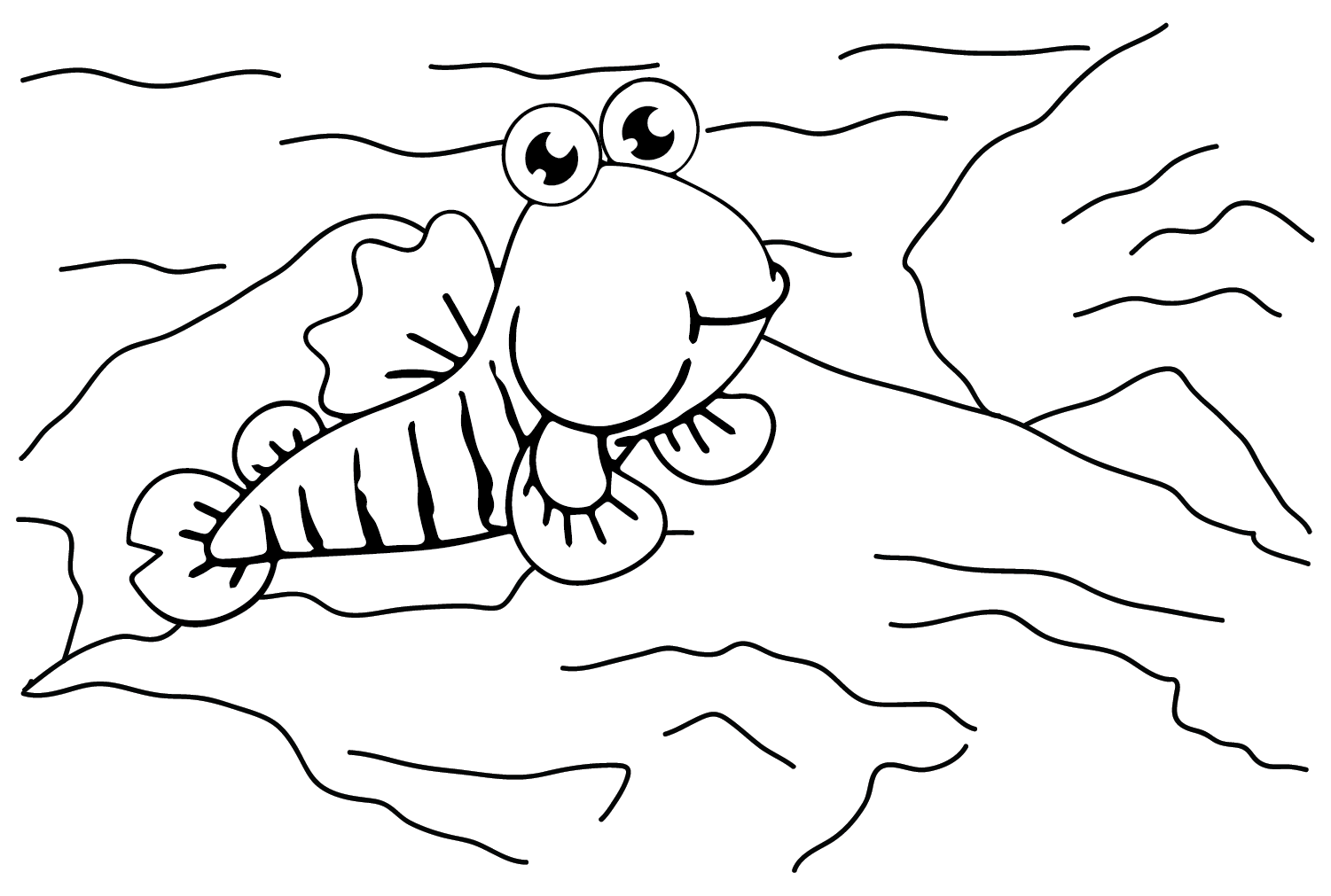
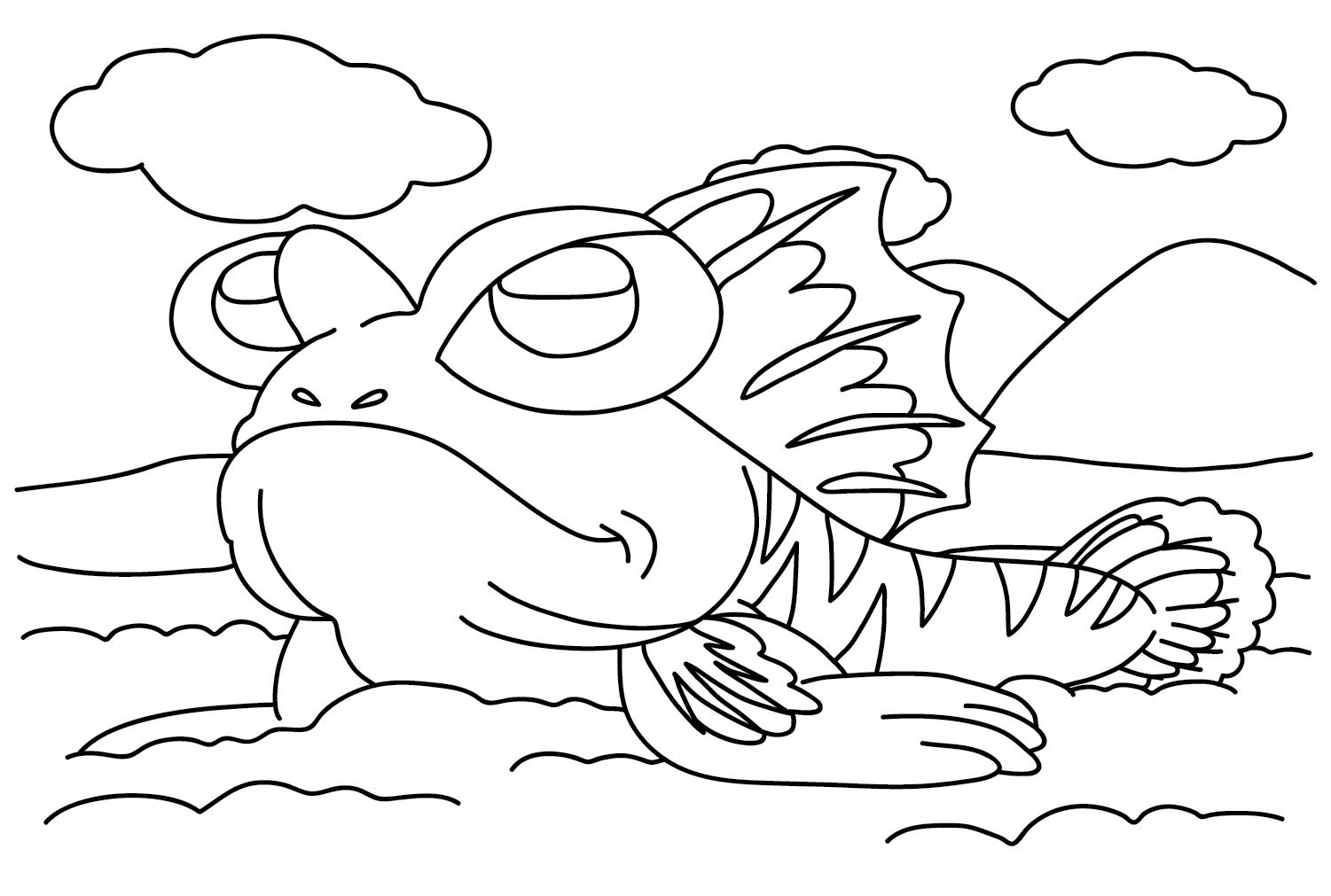
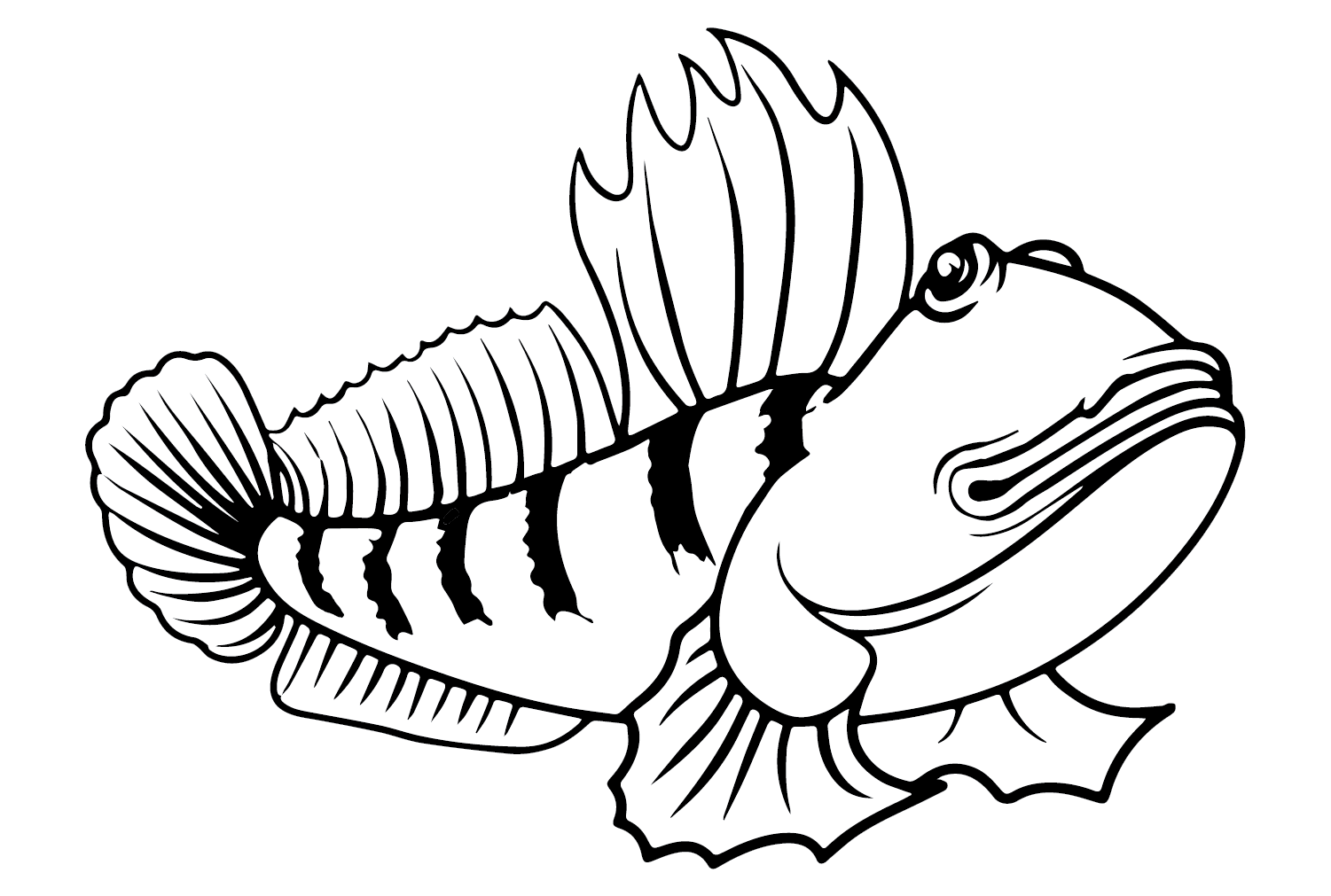
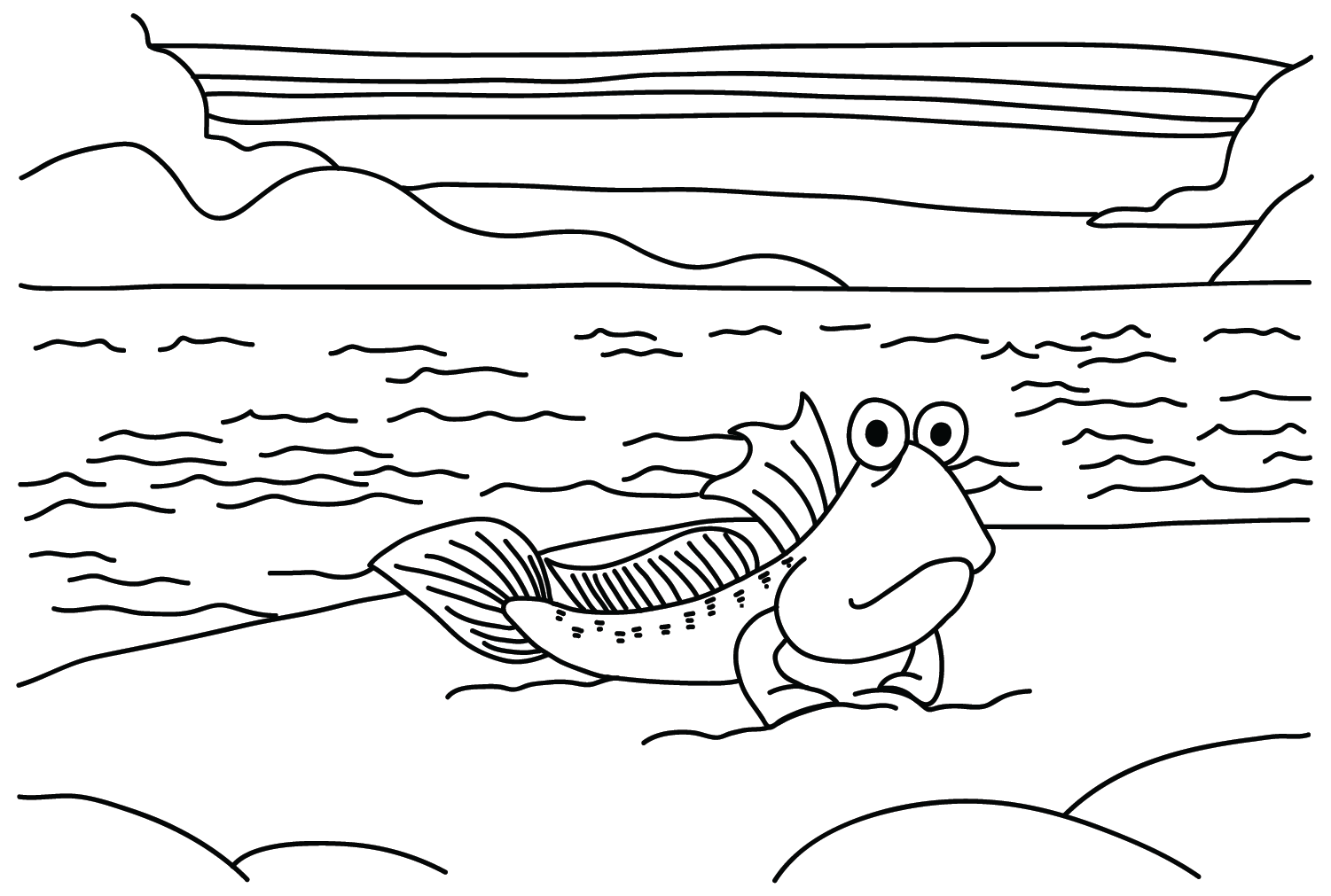
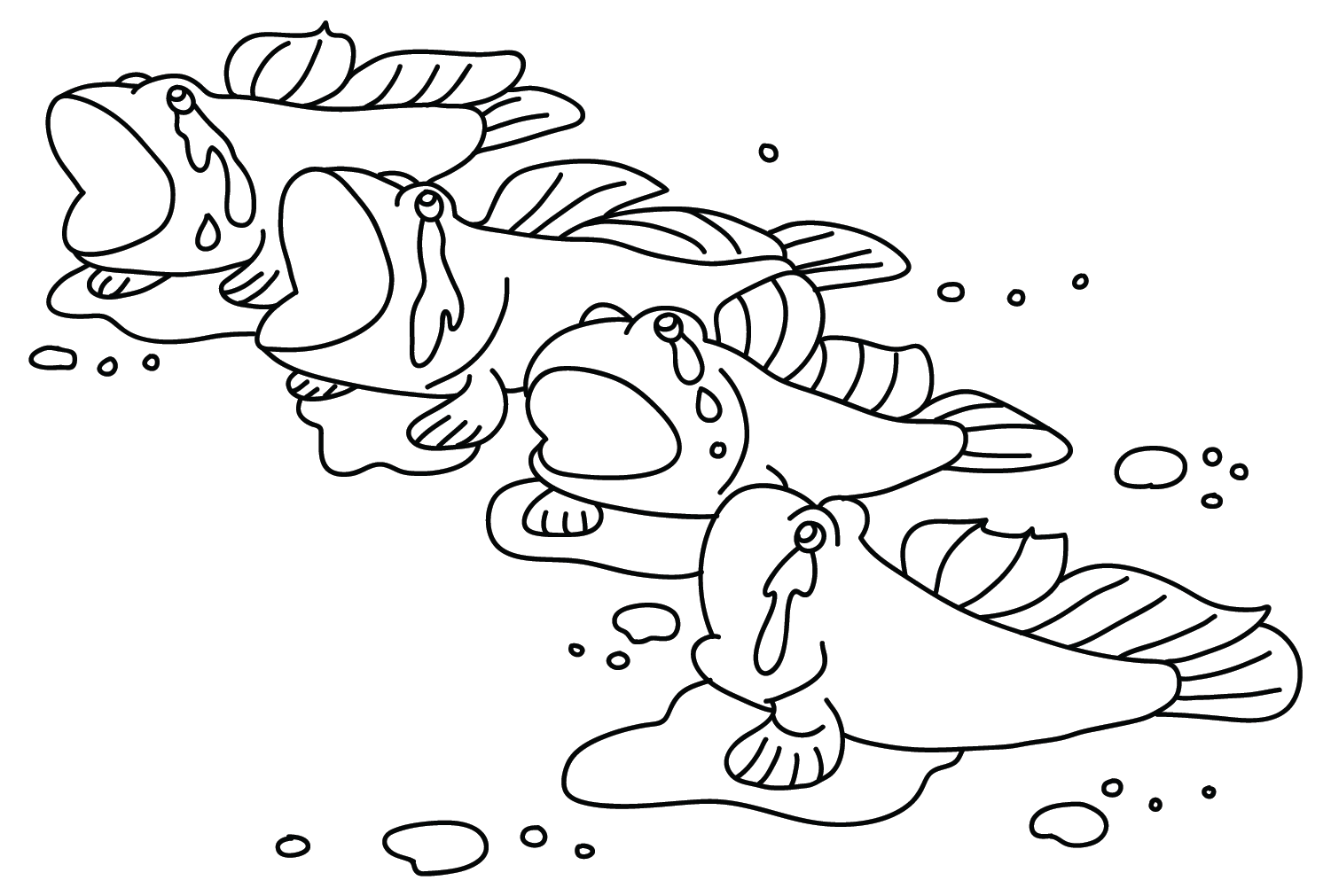
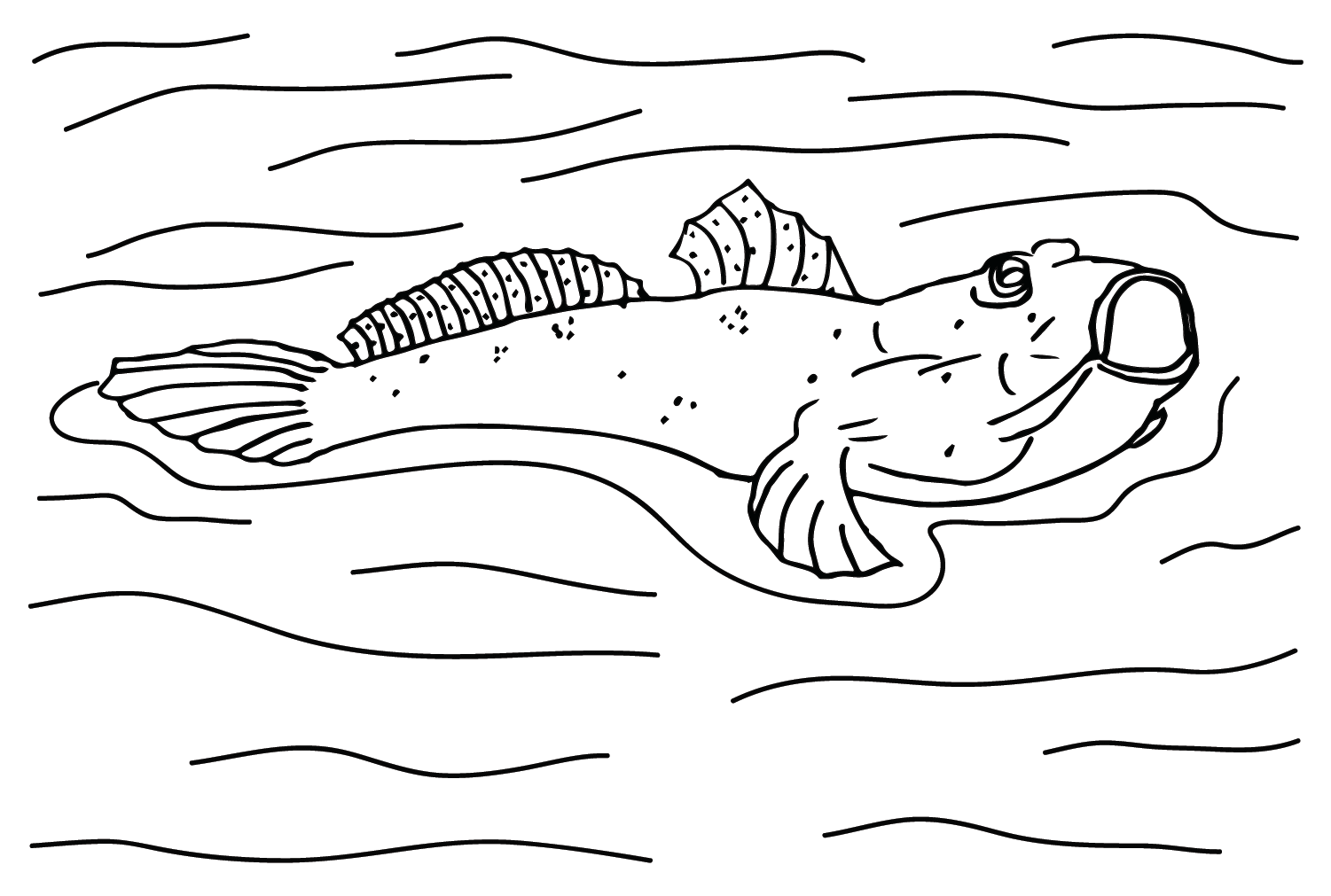
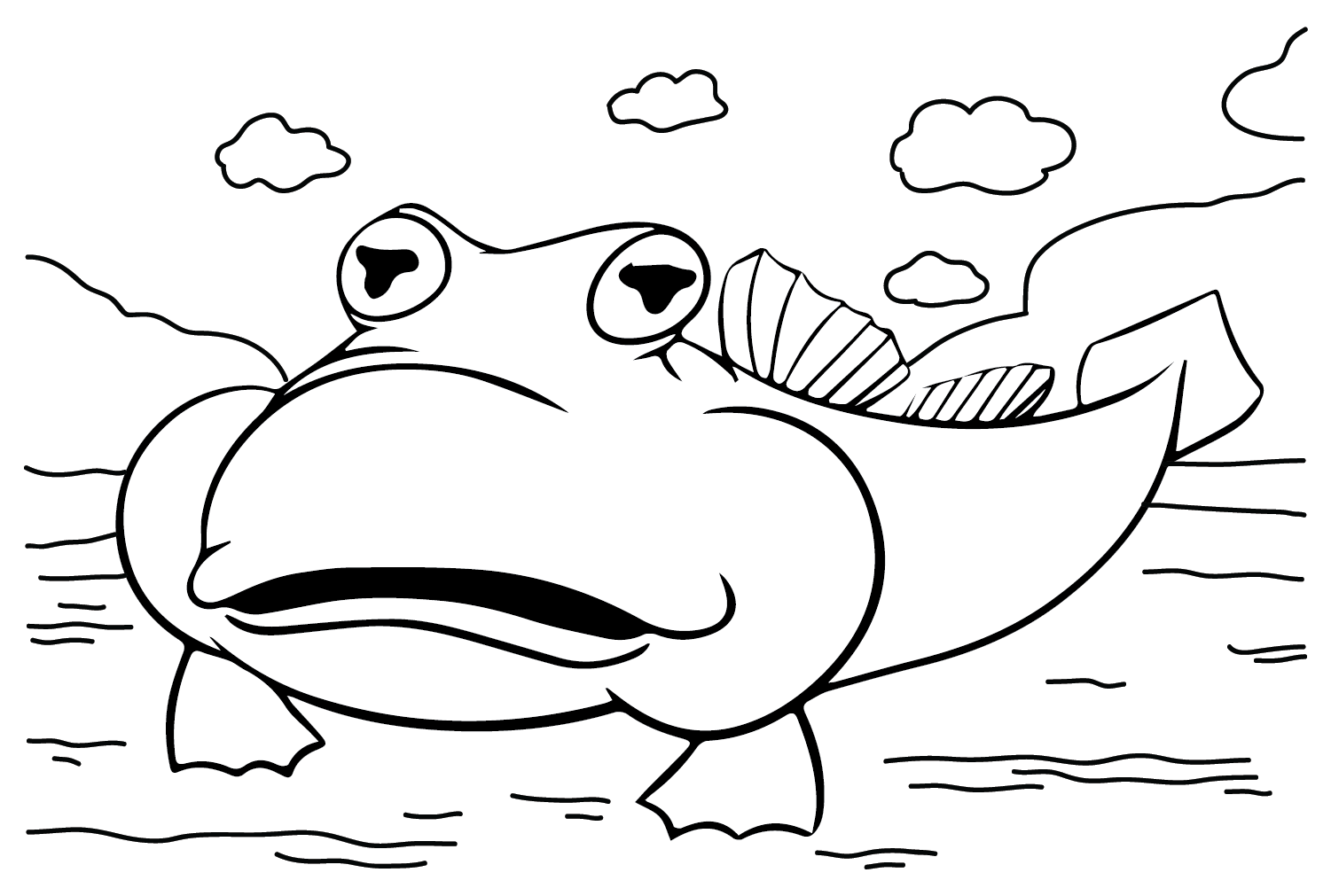
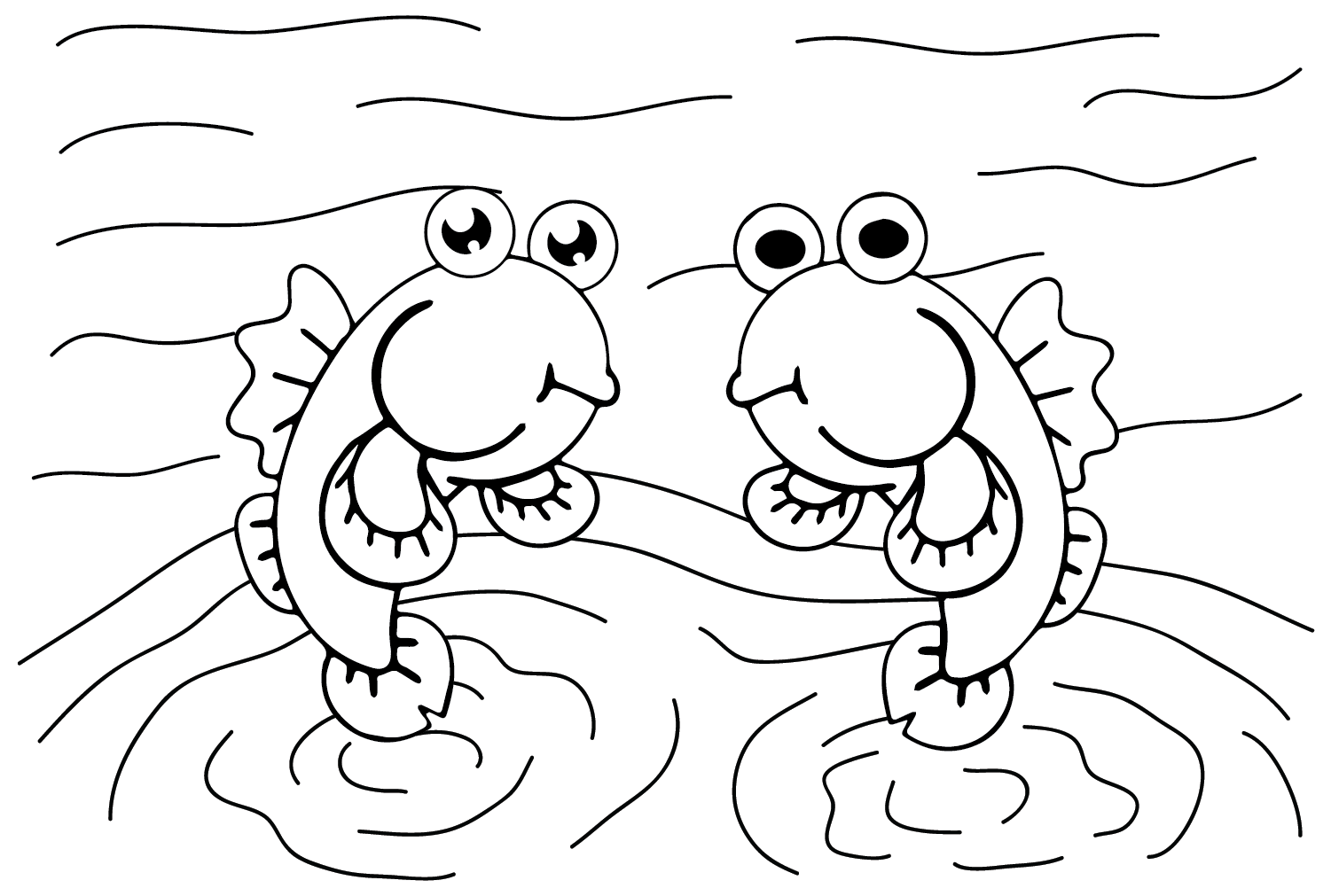
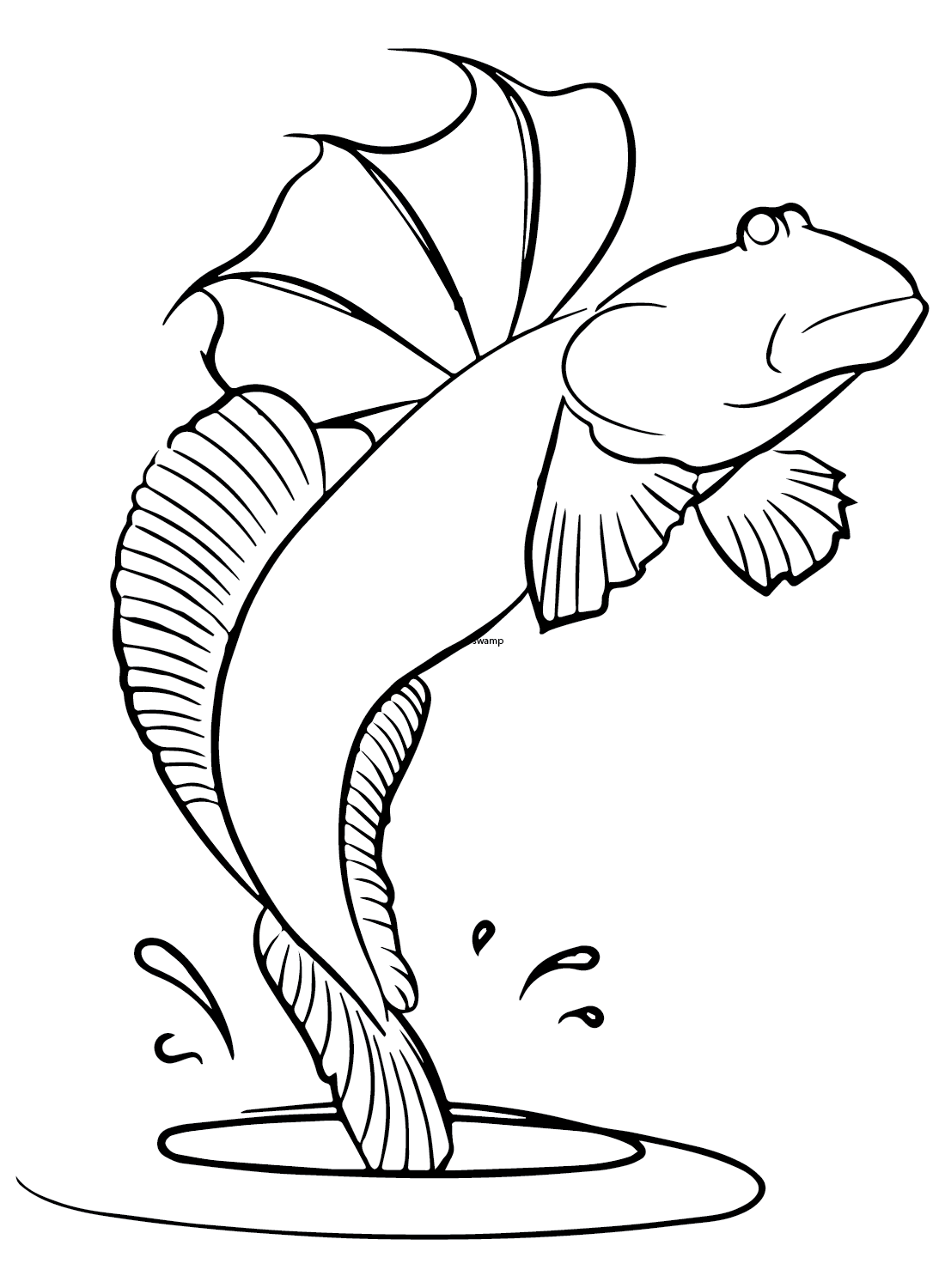
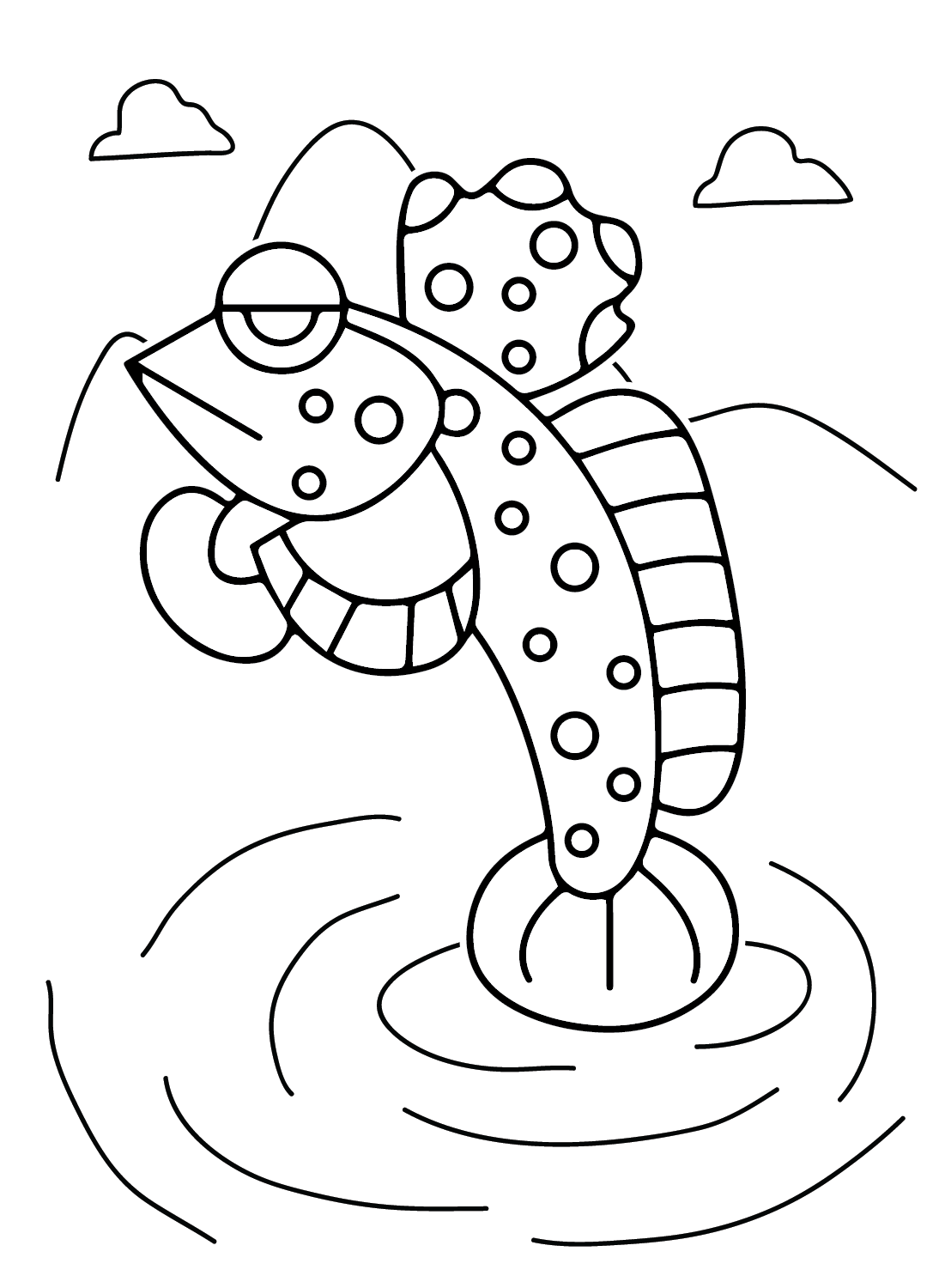
What Is Inside This Collection
Realistic Mudskipper Portraits
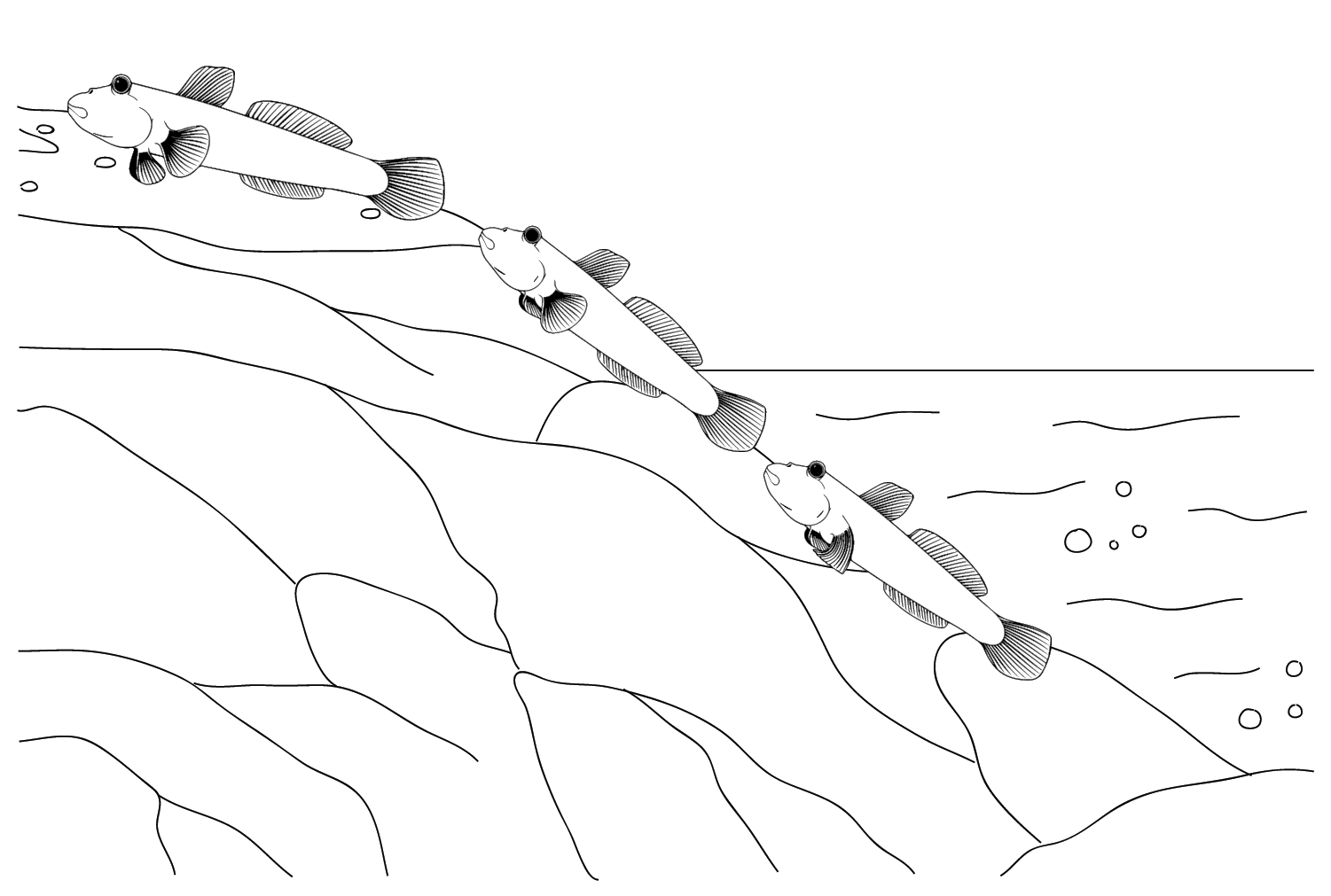
These pages focus on the mudskipper’s true features, including its raised eyes and mottled, muddy coloring. Mudskipper Fish and Barred Mudskipper give colorists a clear, accurate subject to study before moving to the more stylized pages.
Mangrove and Mudflat Habitat Scenes
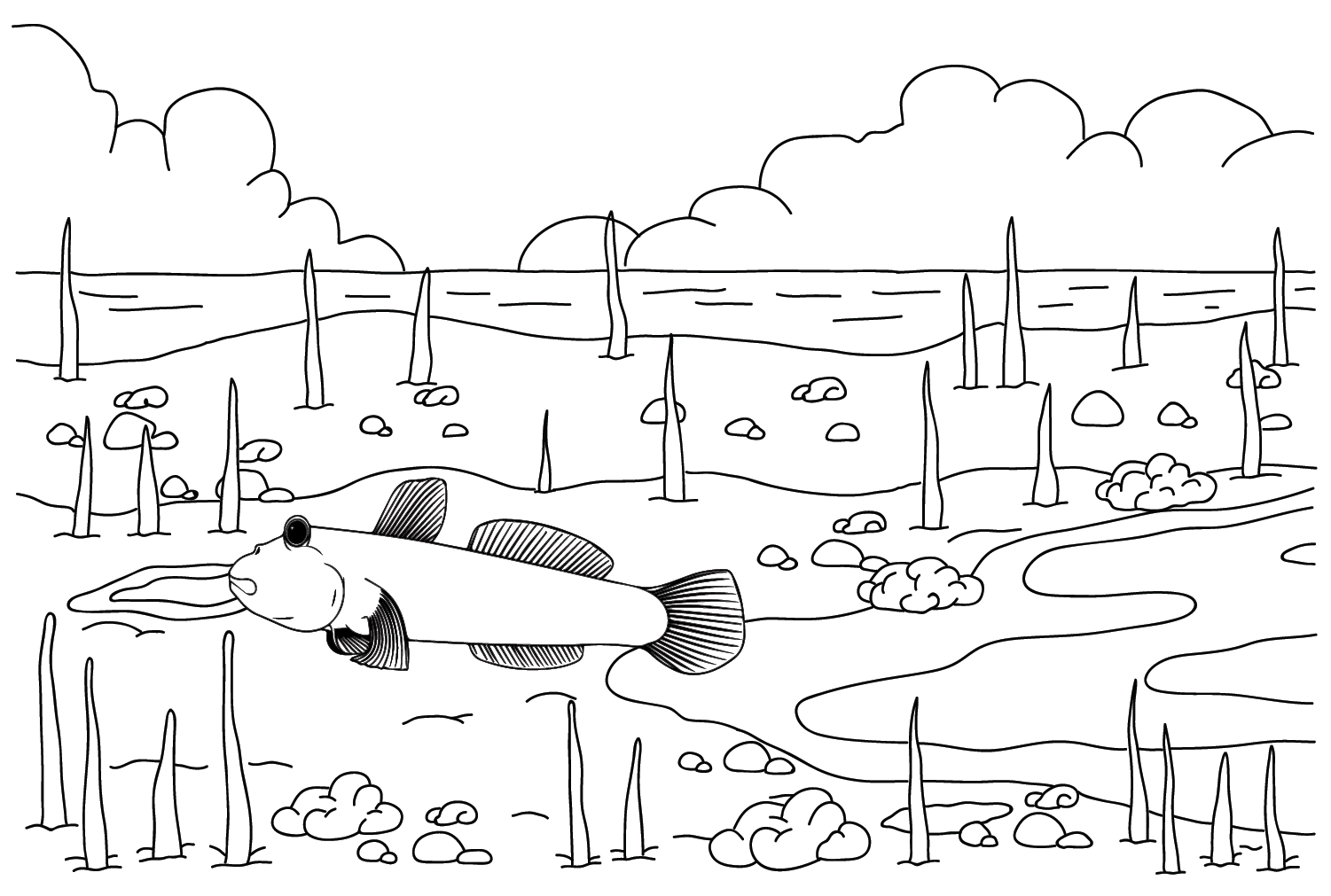
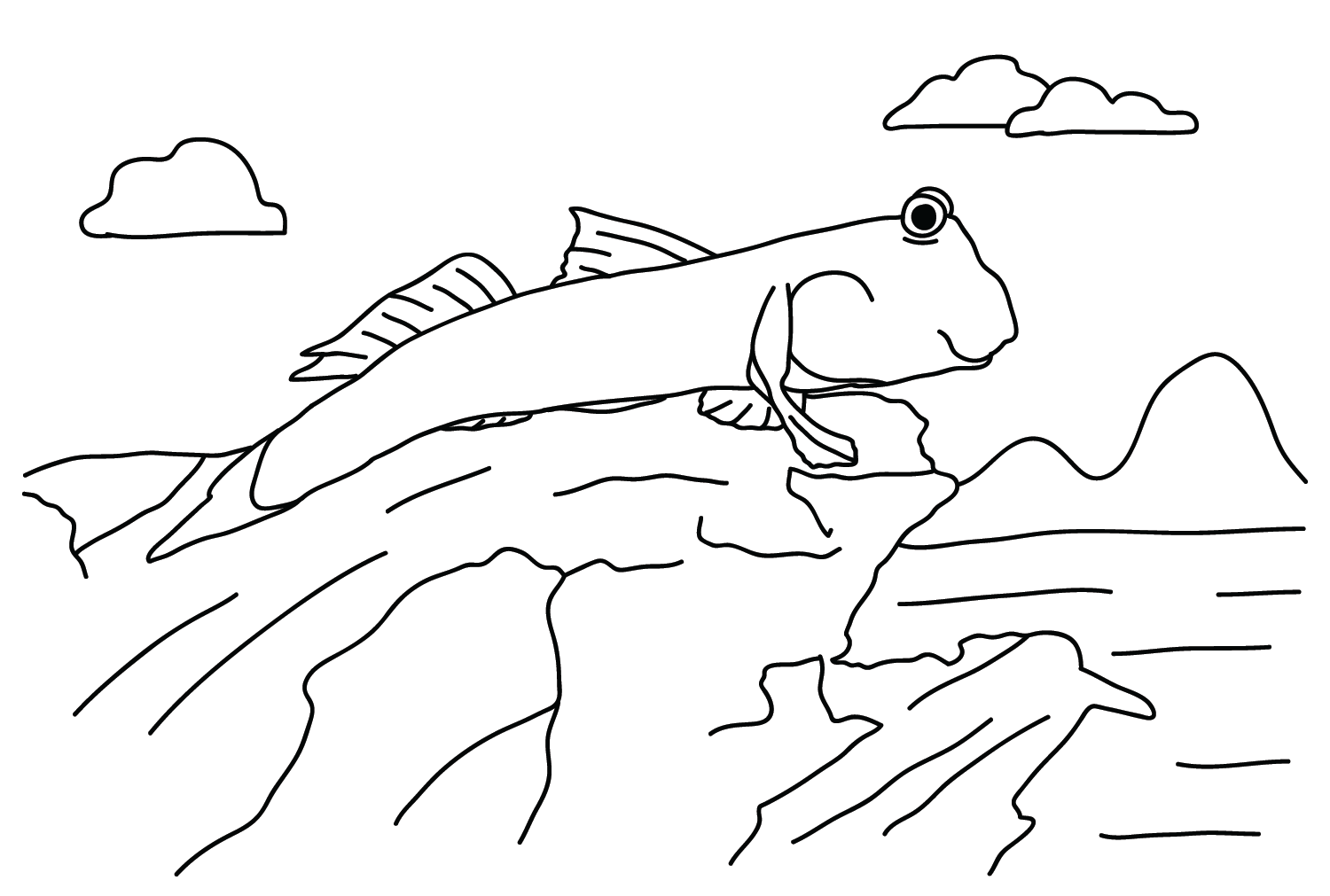
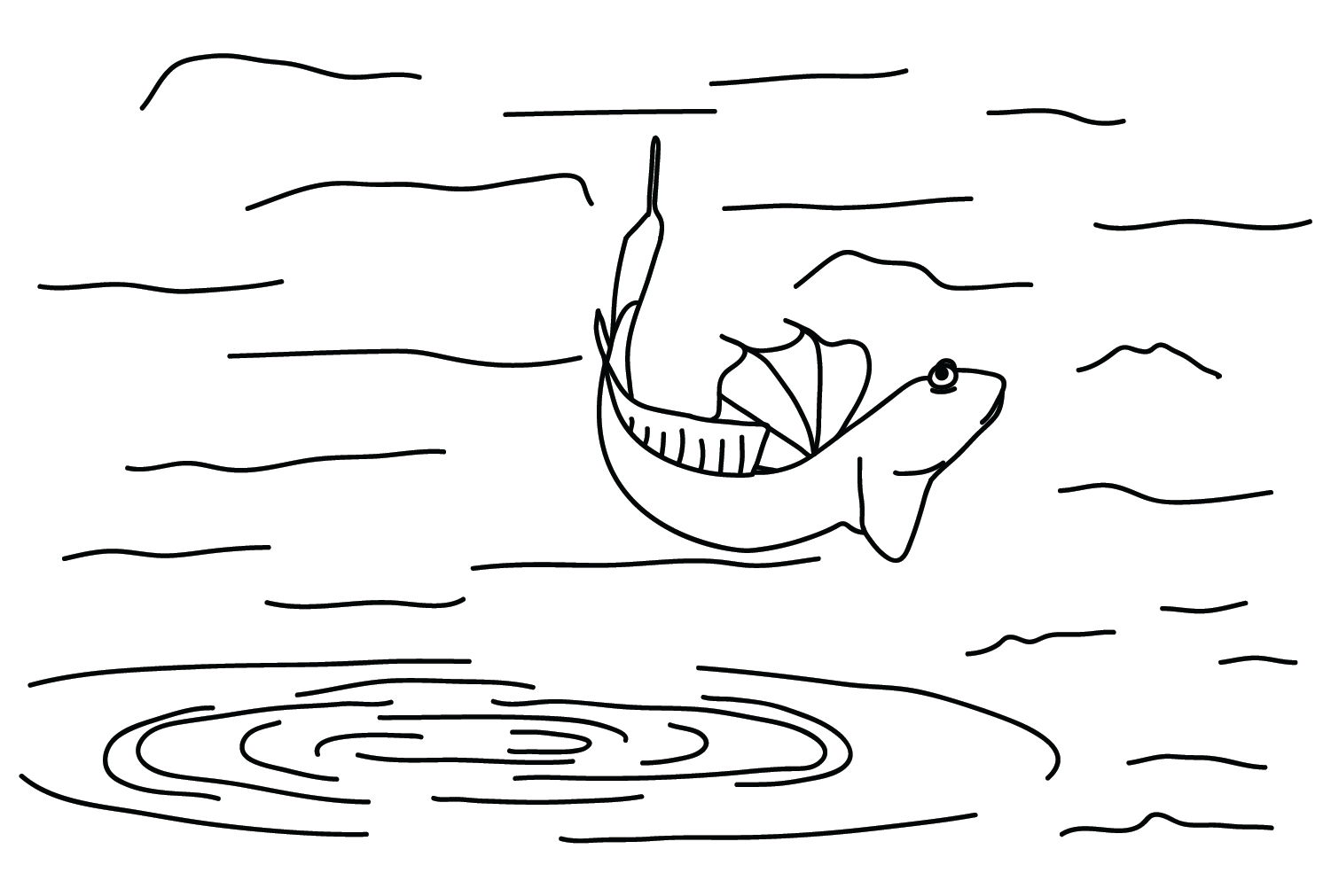
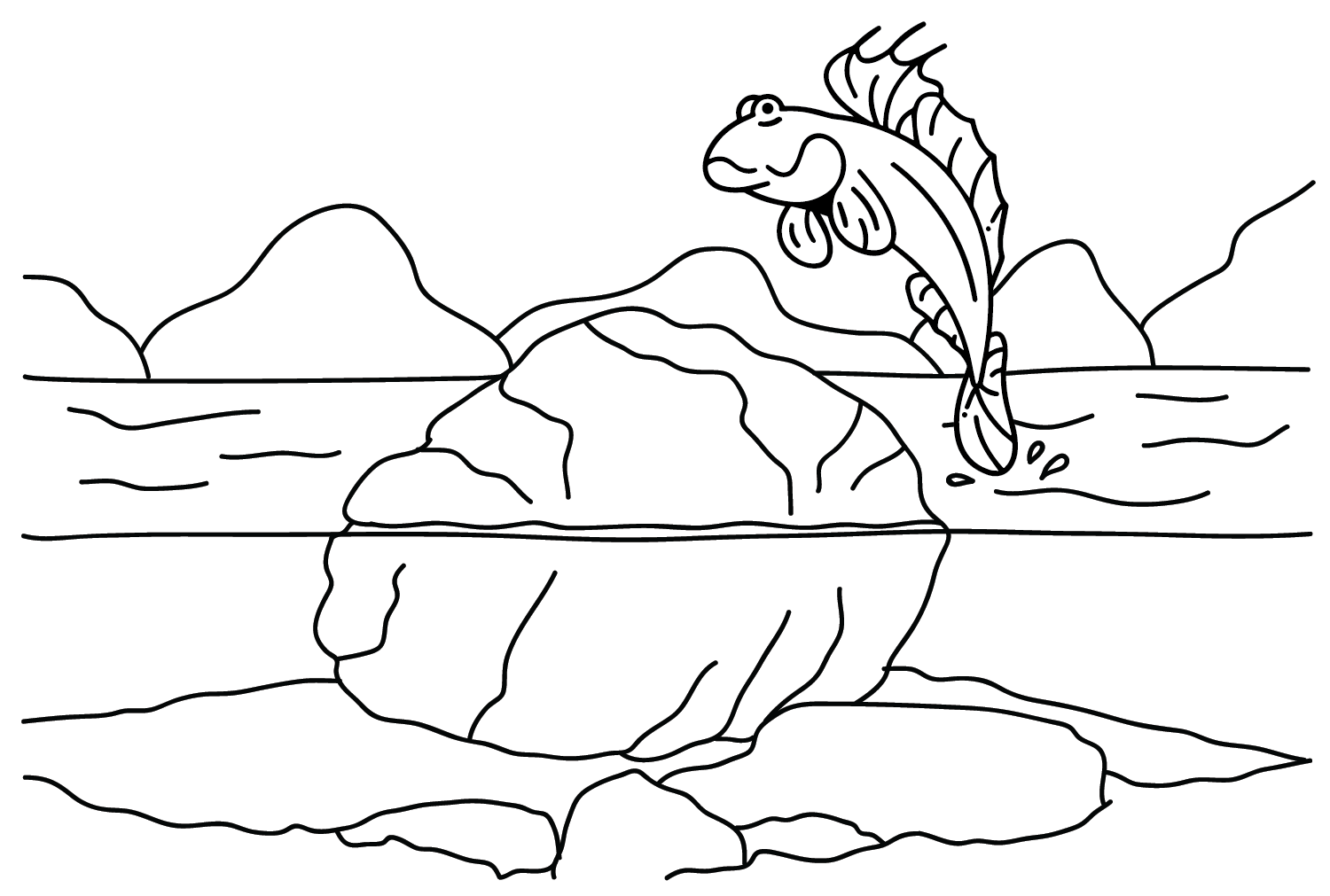
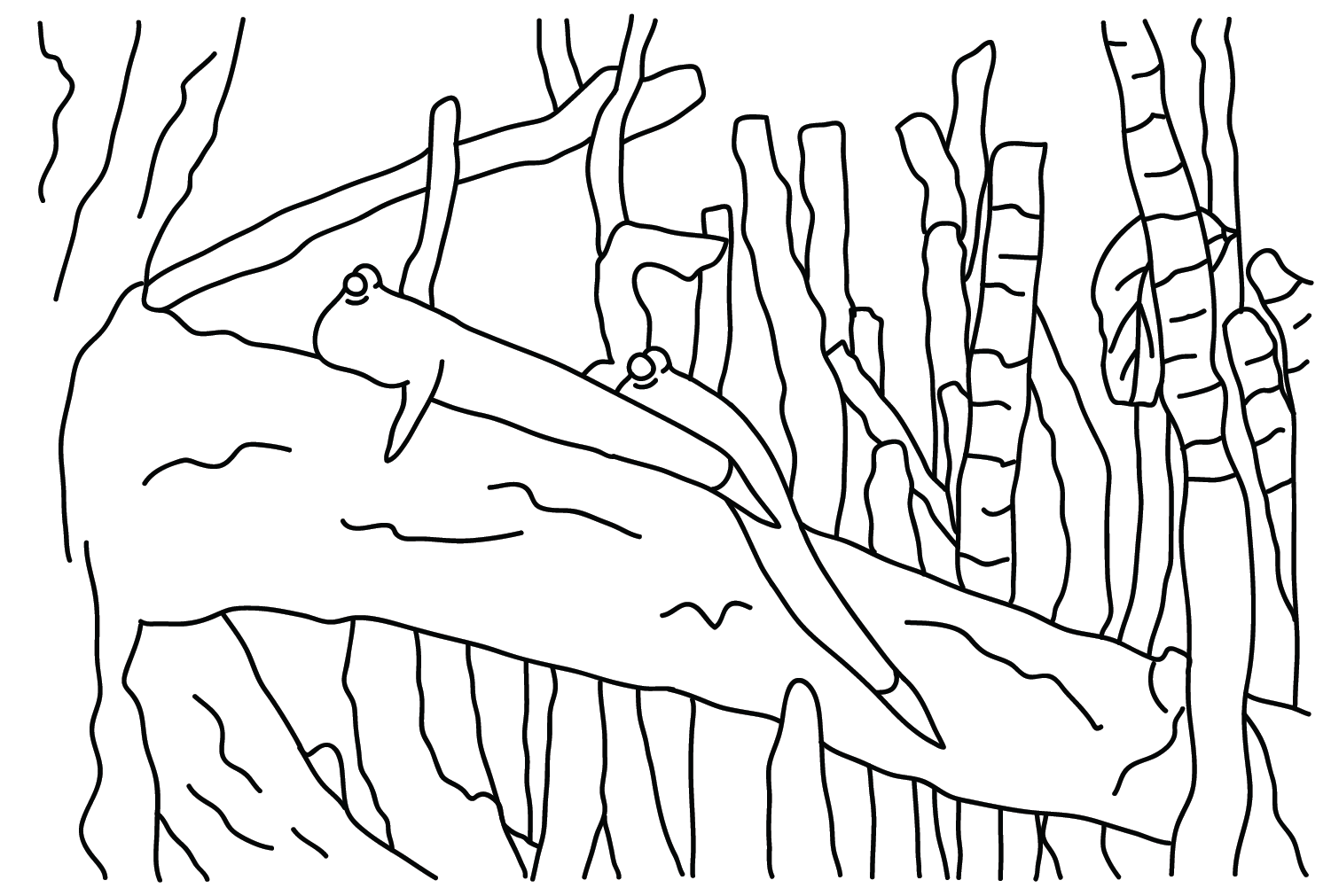
A group of pages sets the mudskipper in its real environment, whether perched on a rock, resting on the water’s surface, or mid-leap toward the surface. Mudskipper In The Swamp and Mudskipper On The Snout Of The Rock help colorists build out the muddy, root-tangled habitat around the fish.
Cute and Chibi-Style Designs
These pages round the mudskipper into a softer, more approachable character, sometimes even naming it. Cute Mudskipper and Muddy The Mudskipper suit younger children who prefer a friendly, rounded look over anatomical detail.
Expressive and Character Poses
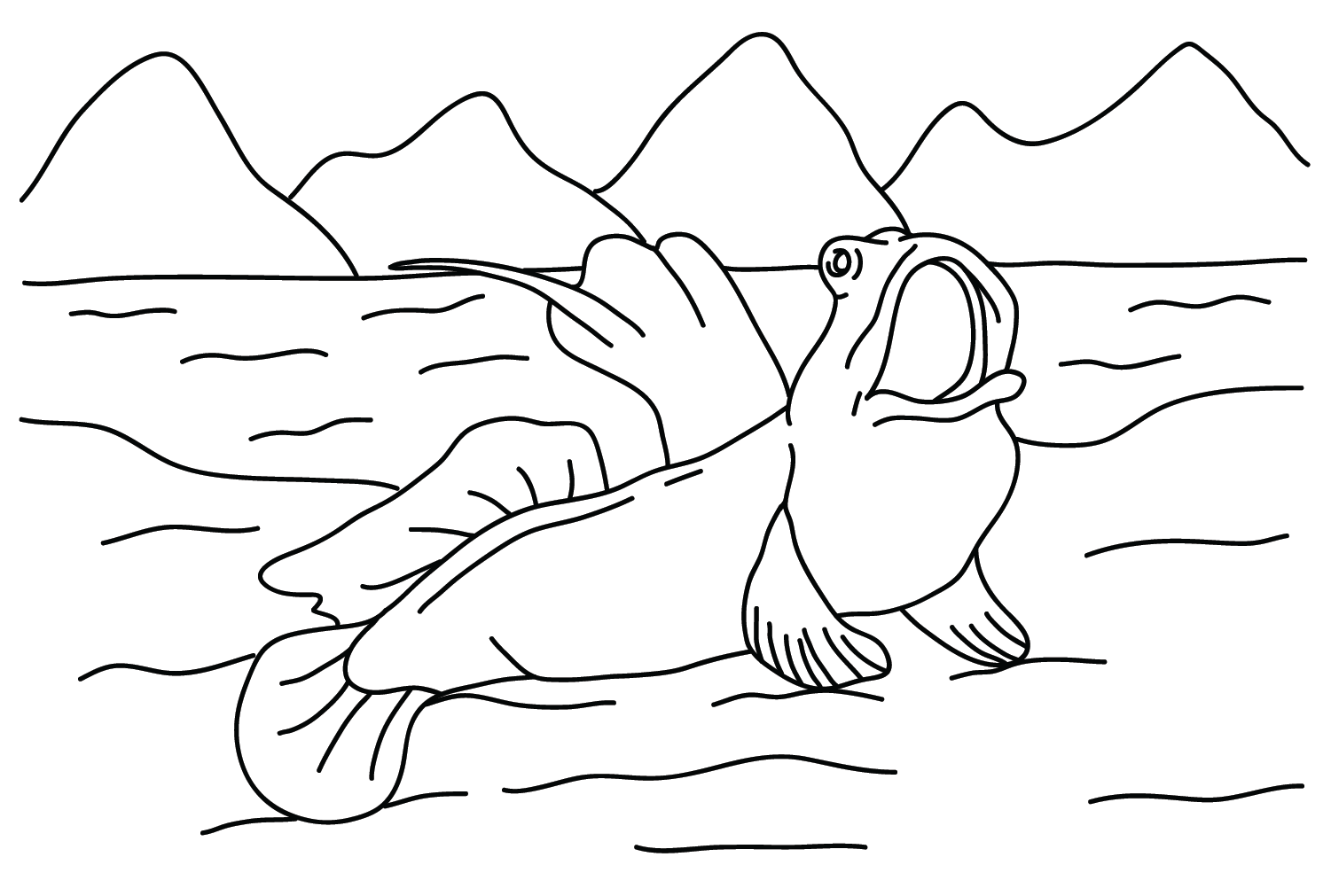
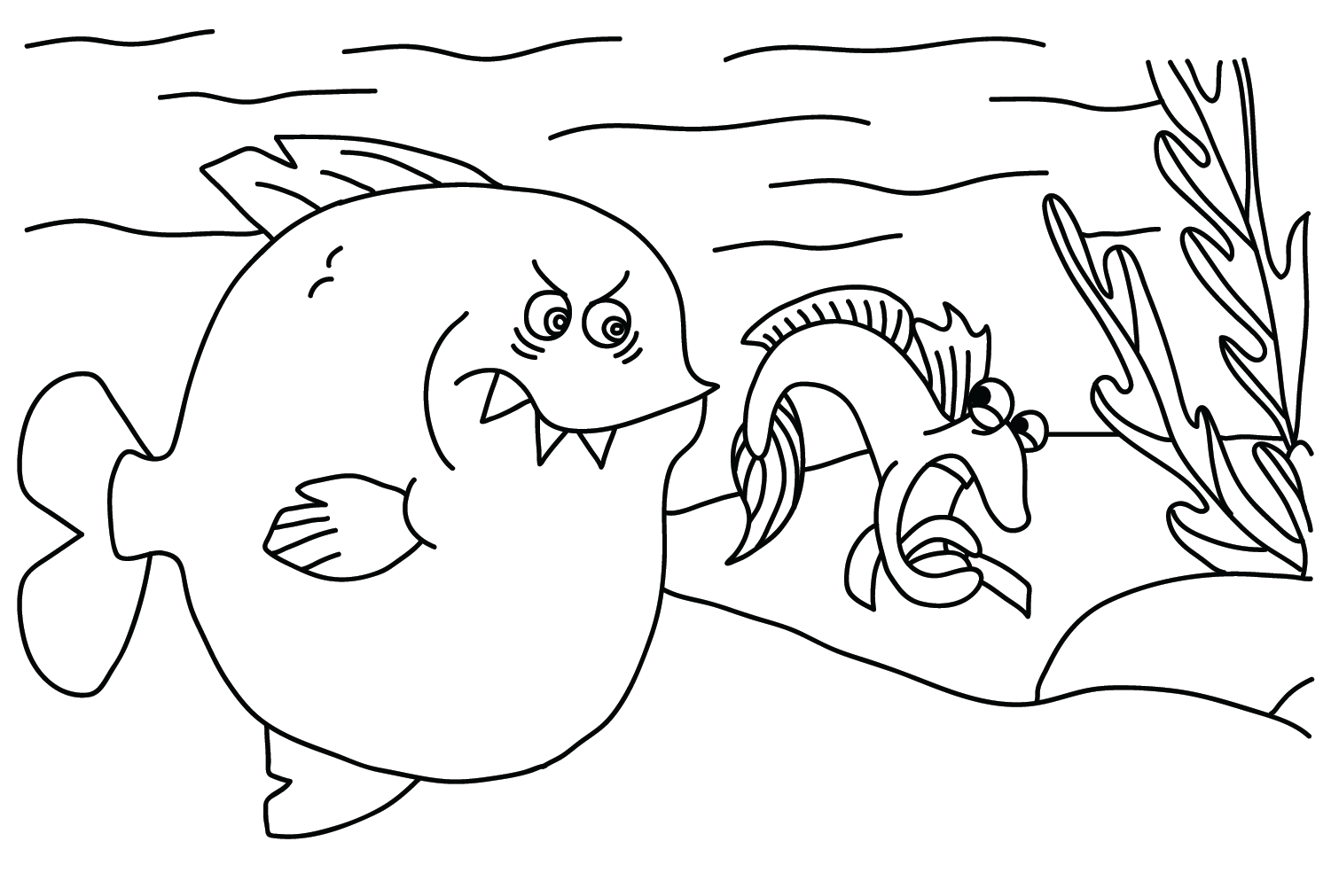
A distinct set of pages gives the mudskipper an exaggerated emotional expression or a burst of motion. Mudskipper Cry, Mudskipper Scared, and Mudskipper Twister let colorists focus on faces and body language rather than habitat detail.
What Mudskipper Coloring Pages Do
A close study of an unusual body. The mudskipper’s raised, independently moving eyes and muscular fins are unlike anything most kids will have seen on another fish, and coloring in those details rewards a slower, more observant approach. The American Academy of Pediatrics points to structured coloring as a reliable way to build fine motor control, and tracing the mudskipper’s stubby fins and domed eyes calls for exactly that kind of careful, small-scale hand movement.
A story about living between two worlds: mudskippers are true fish, not amphibians, yet they breathe through their skin and the moist lining of their mouth so they can stay active on land for hours at a time. That contradiction gives a coloring session a natural opening for a short conversation about how animals adapt when their environment changes.
A calm outlet through muted, earthy color. A 2005 study in the Art Therapy Journal documented measurable reductions in anxiety following structured coloring sessions, and the mottled brown, olive, and gray tones typical of a mudskipper’s skin invite slow, blended shading rather than sharp, high-contrast fills.
A gentle way to talk about feelings: because several pages in this set give the mudskipper an exaggerated expression, from crying to looking startled, the collection doubles as a light, low-pressure prompt for younger kids to name and talk about emotions while they color.
How to Color These Pages Well
- Body base: Use Olive Green or Sepia for the base coat, since real mudskippers are typically mottled brown, olive, or gray to blend with mud.
- Eye detail: Color the raised, domed eyes a darker Black or Sepia and add a small white highlight dot to make them stand out against the muted body.
- Dorsal fin: On pages that show it raised, use a brighter Turquoise or Blue Violet for the sail-like dorsal fin, since some species flash a bold color there during display.
- Fins and limbs: Shade the muscular pectoral fins slightly darker than the body in Burnt Sienna to emphasize their limb-like shape.
- Mudflat background: Blend Raw Umber into Tan for the mud, using short, uneven strokes so the ground looks textured rather than smooth.
- Mangrove roots: Color mangrove roots in Dark Brown with small Green leaf clusters above the waterline to frame the habitat scenes.
5 Creative Craft Ideas With Mudskipper Coloring Pages
1. Mangrove Mudflat Diorama
Mount a finished mudskipper page inside a shoebox lined with brown paper, adding twisted brown pipe cleaners as mangrove roots.
2. Walking Mudskipper Puppet
Color a mudskipper and attach a paper fin with a brass fastener so it can swing back and forth like the fish crawling on mud.
3. Mudskipper Bookmark
Trim a simple mudskipper page into a tall strip and laminate it, or cover it in clear contact paper.
4. Greeting Card
Glue a colored mudskipper onto a folded card for a birthday, or a thinking-of-you note with a nature theme.
5. Textured Mud Collage
Color a mudskipper page, then glue torn strips of brown and tan paper around it to build up a textured mudflat background.
Frequently Asked Questions
What are mudskipper coloring pages?
Printable line-art designs of mudskippers in realistic, mangrove-habitat, and cute chibi styles. Free to download as a PDF or color online, no account needed.
Is a mudskipper a fish or an amphibian?
A mudskipper is a true fish, a type of goby, even though it spends most of its life out of water and behaves in ways that look amphibian-like.
How does a mudskipper breathe out of water?
It carries water in enlarged gill chambers and absorbs additional oxygen through its moist skin and the lining of its mouth and throat.
Why does a mudskipper have eyes on top of its head?
The raised, periscope-like eyes let it see above the mud and water surface while the rest of its body stays low, helping it spot predators and prey on land.
How does a mudskipper move on land?
It uses its strong, muscular pectoral fins like a pair of crutches to crawl across mud, and can launch short hops using its body and tail.
Where do mudskippers live?
Mudskippers live on intertidal mudflats and in mangrove forests across the tropical Indo-Pacific, with some species also found along the West African coast.
Are mudskipper coloring pages appropriate for all ages?
Yes. Simple, cute, and chibi pages suit toddlers and preschoolers, while the detailed, realistic portraits and habitat scenes suit older kids, teens, and adults.
Can these mudskipper coloring pages be used for a classroom lesson on animal adaptations?
Yes. The habitat scenes and close-up portraits pair well with a lesson on how mudskippers adapted to survive both in water and on land.
Start Coloring
All 20 mudskipper designs are free to download as a PDF or open for online coloring, no account required. Print a page for a classroom activity, or pull it up on a tablet for coloring on the go. Once finished, share it on Facebook or save it to Pinterest.