Muichiro Tokito Coloring Pages
 By:
Jennifer Thoa - Content Editor & Designer
Updated:
By:
Jennifer Thoa - Content Editor & Designer
Updated:
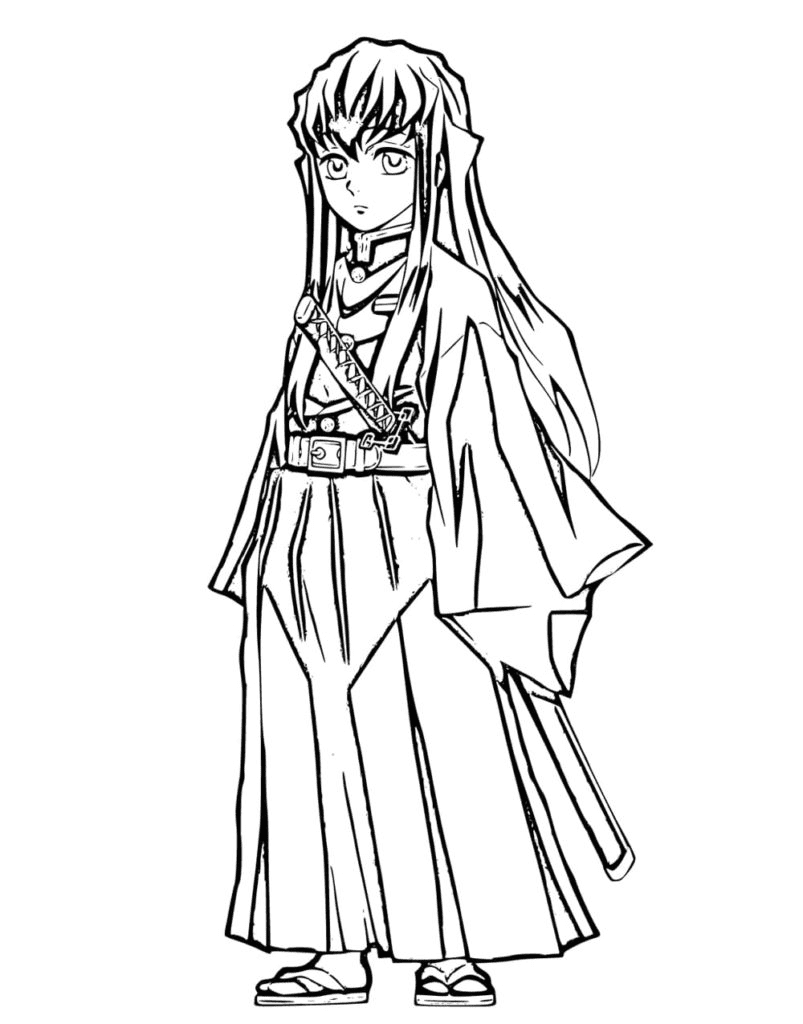
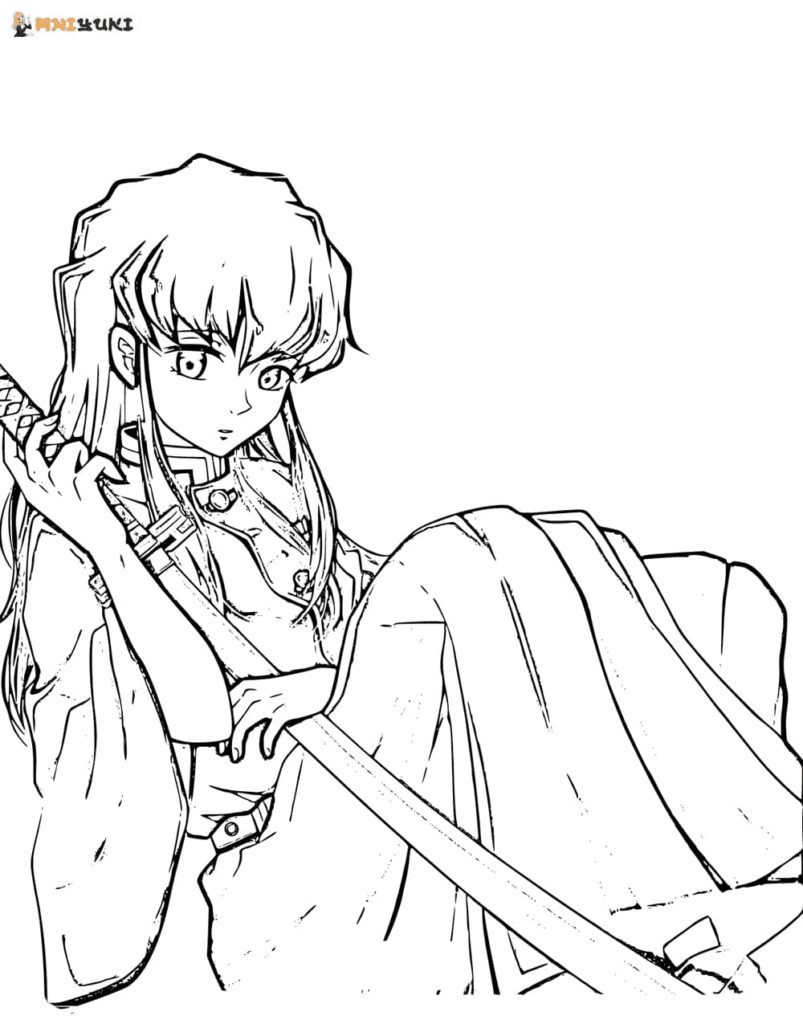
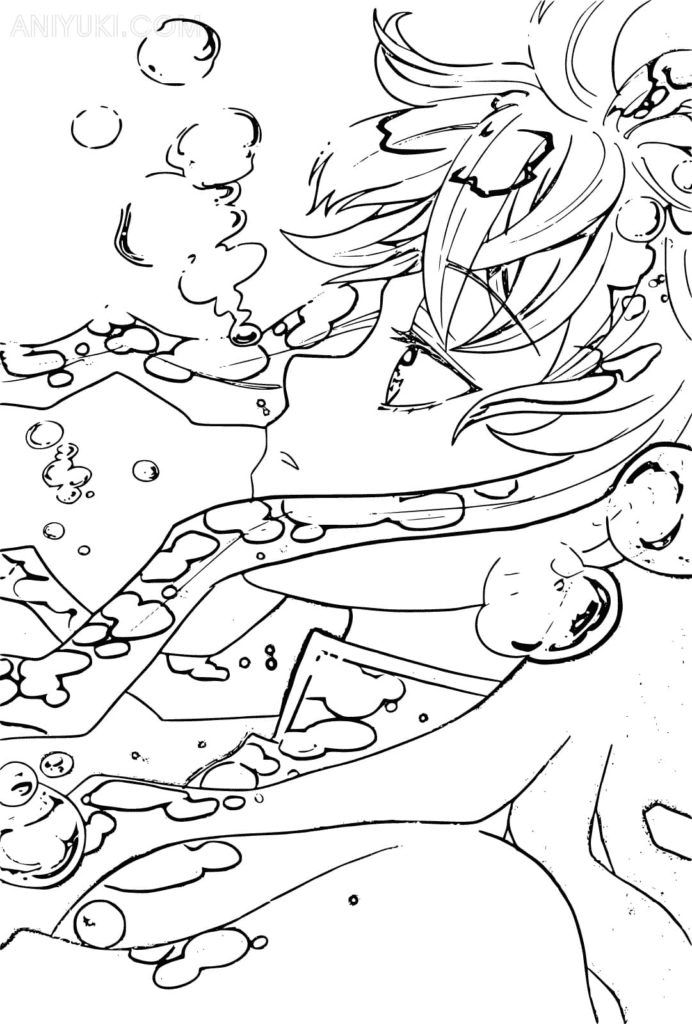
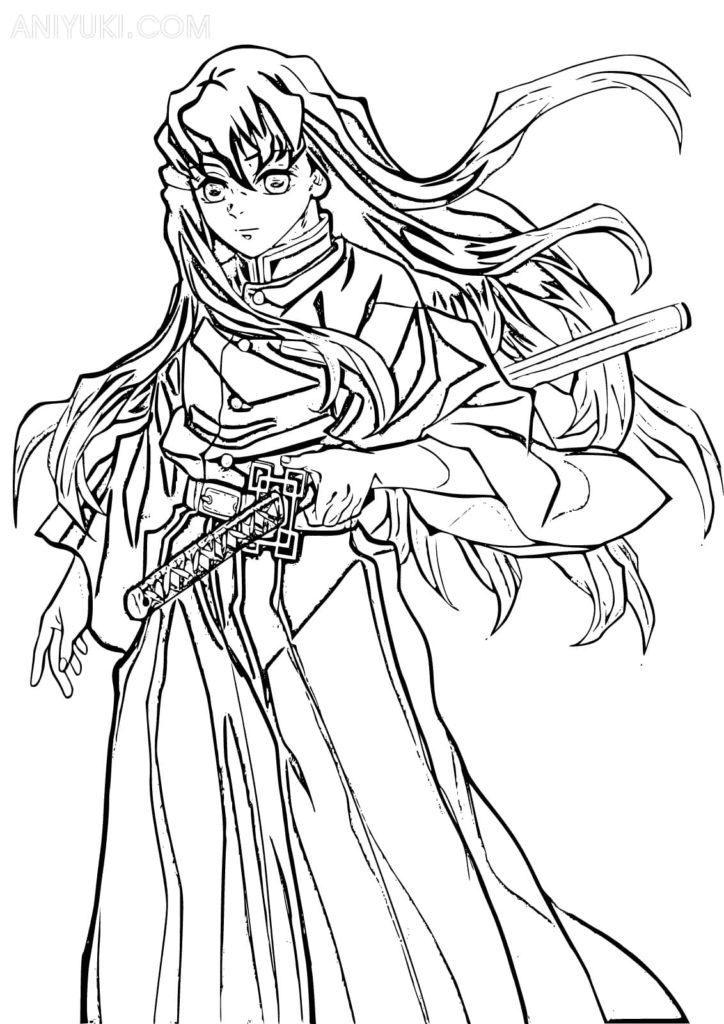
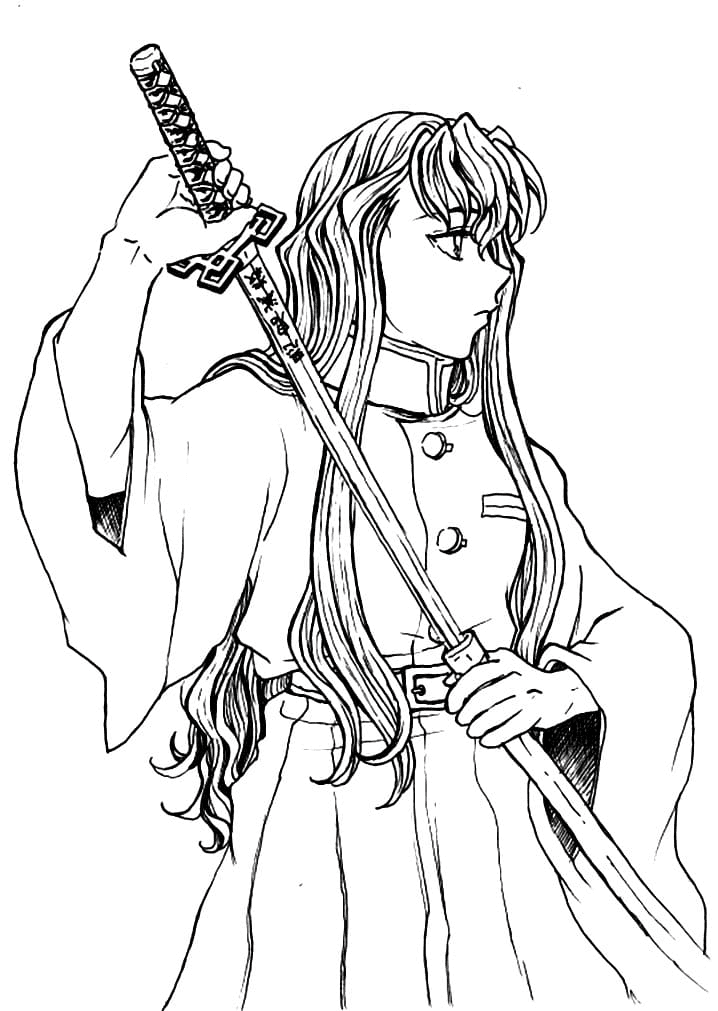
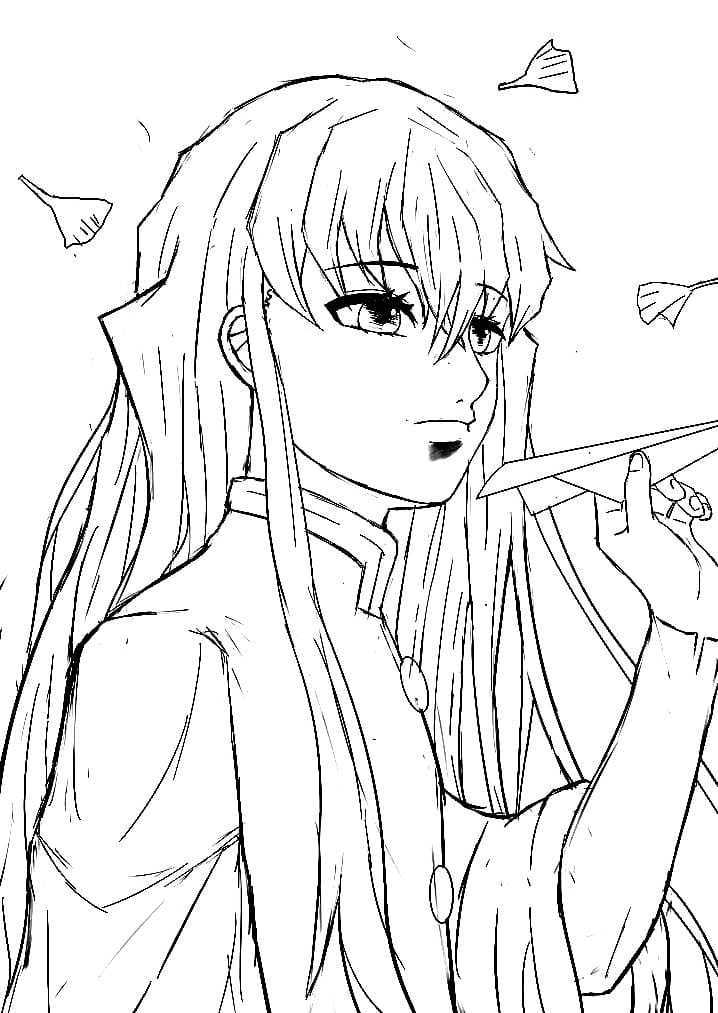
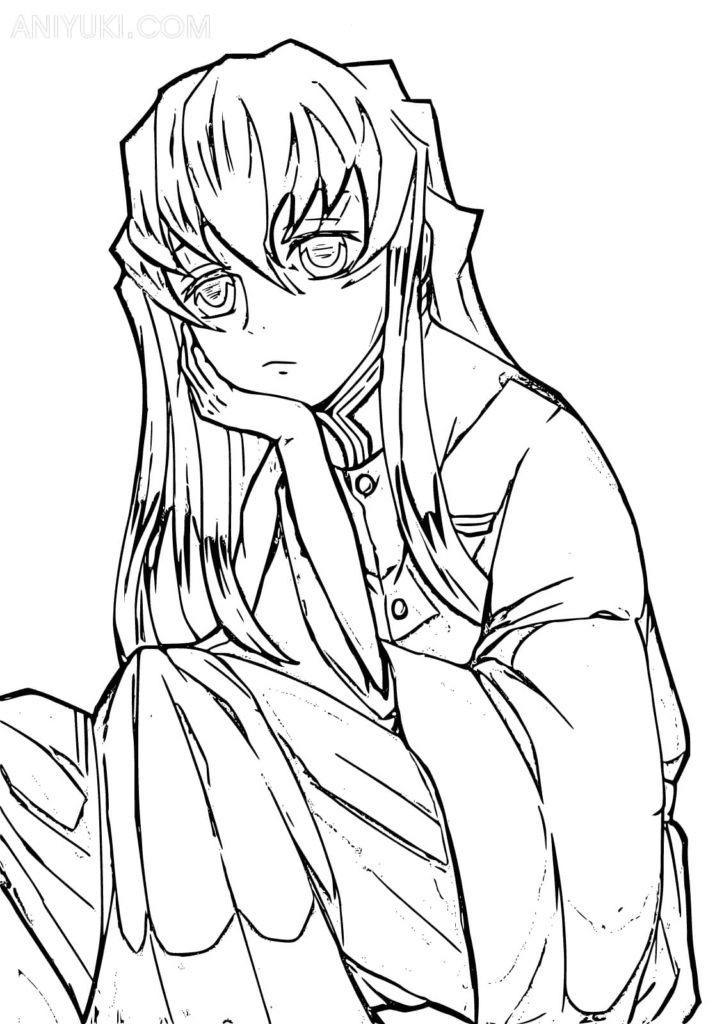
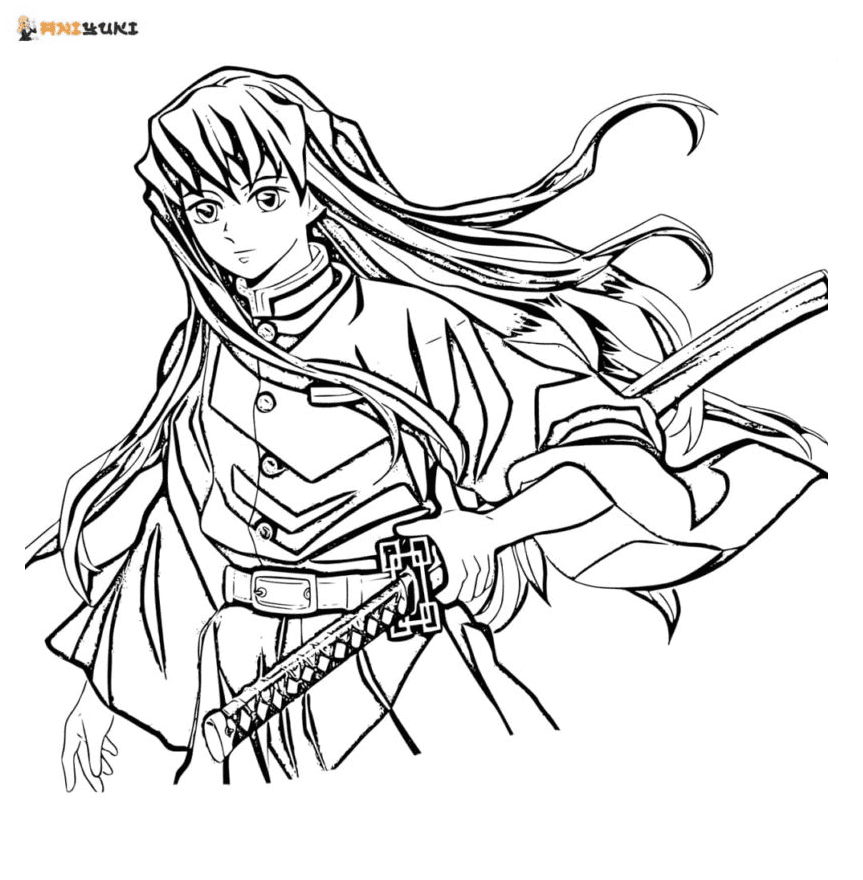
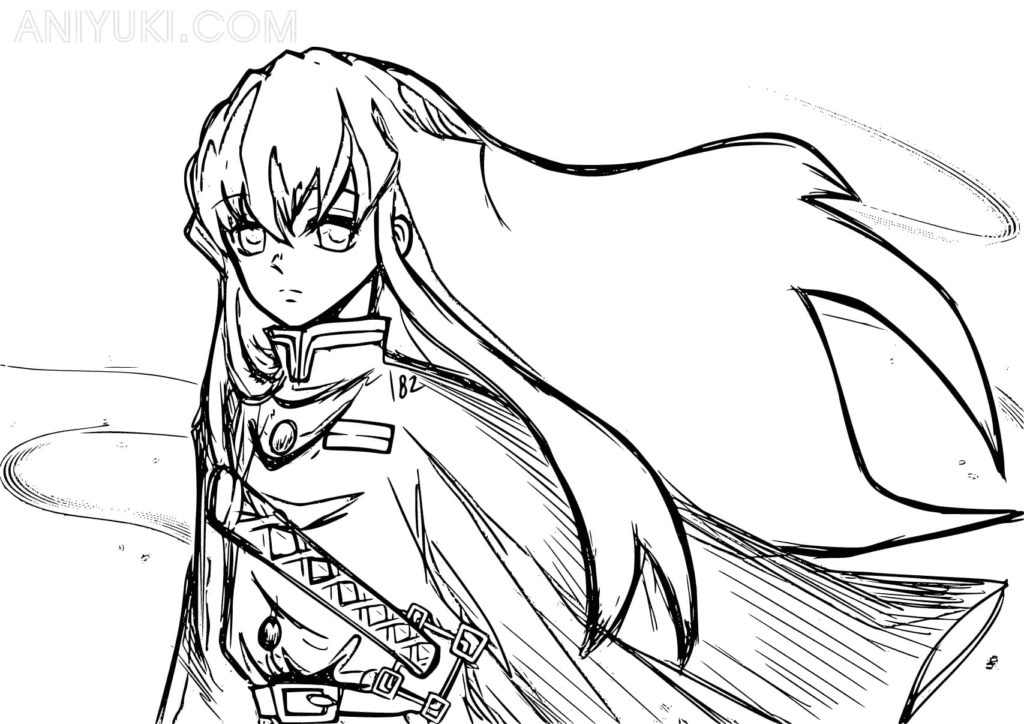
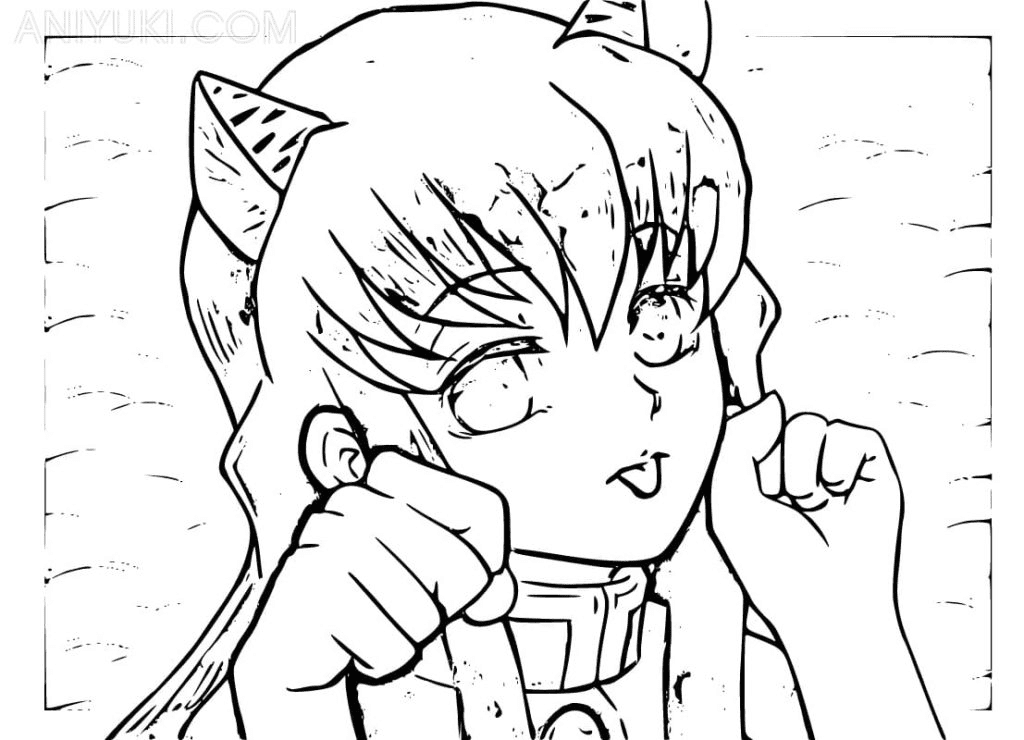
Muichiro Tokito coloring pages: 25 printable designs of the Demon Slayer character, spanning portrait pages, battle scenes, and chibi-style art. Each page can be downloaded as a PDF to print or colored online in the browser.


Who Is Muichiro Tokito?
Muichiro Tokito is the Mist Hashira of the Demon Slayer Corps in Demon Slayer: Kimetsu no Yaiba, the manga series by Koyoharu Gotouge serialized in Weekly Shōnen Jump from February 2016 to May 2020 and adapted into an anime series by Ufotable. He is one of nine Hashira, the most powerful demon slayers in the Corps, and reached that rank at age fourteen, within two months of joining, the fastest anyone in the series has reached the position. His breathing style is Mist Breathing, and his Nichirin blade is turquoise, matching his eye color, following the series’ practice of tying blade color to a character’s elemental attribute.
What’s Inside This Collection
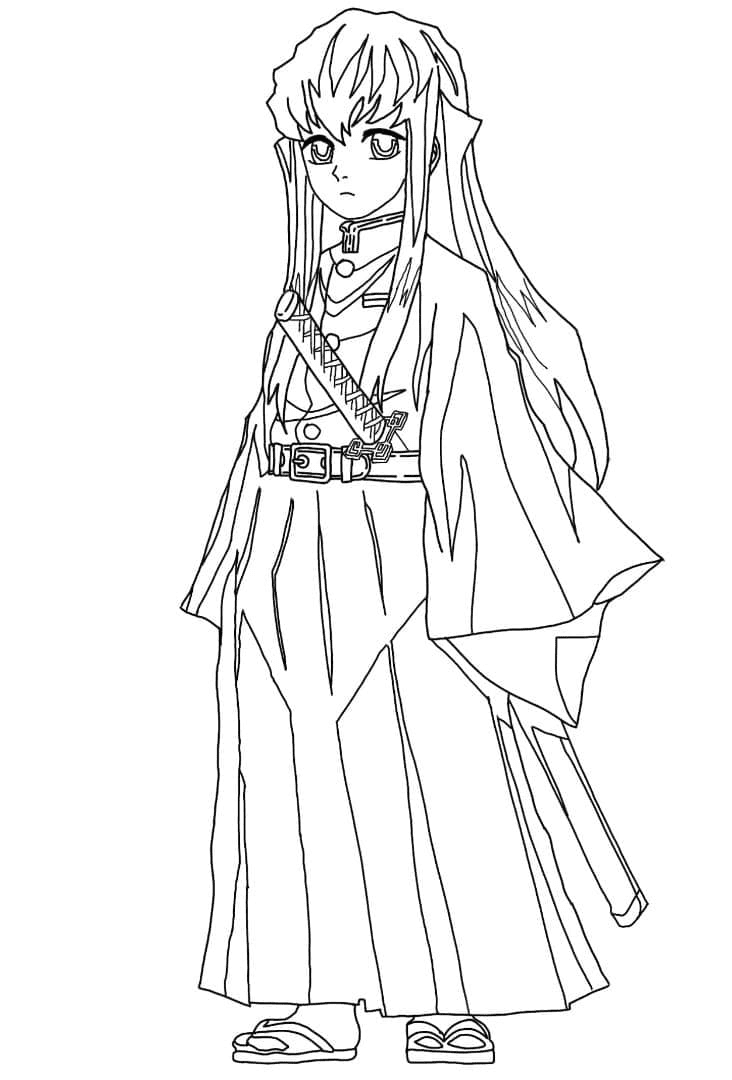
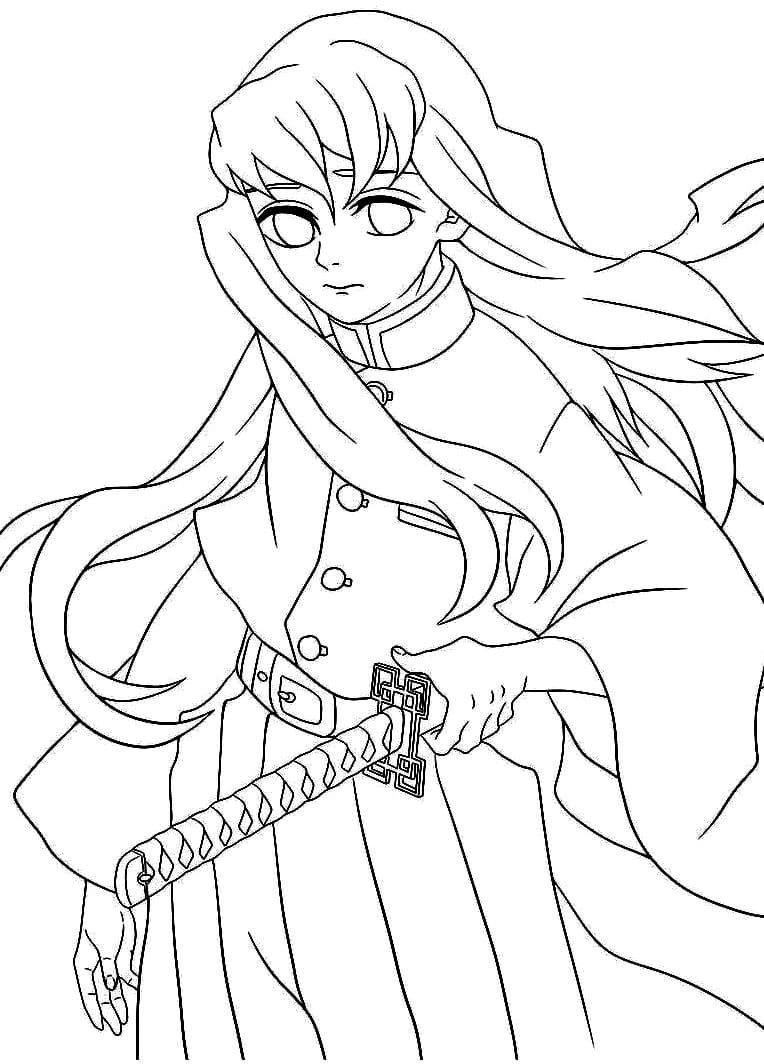
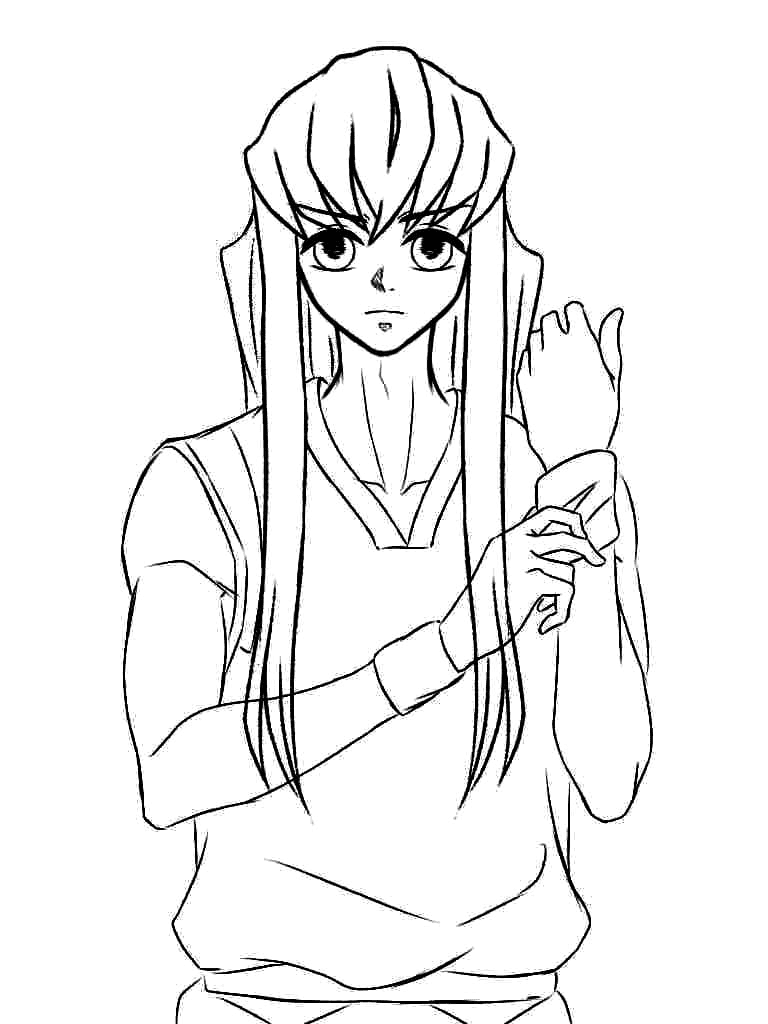
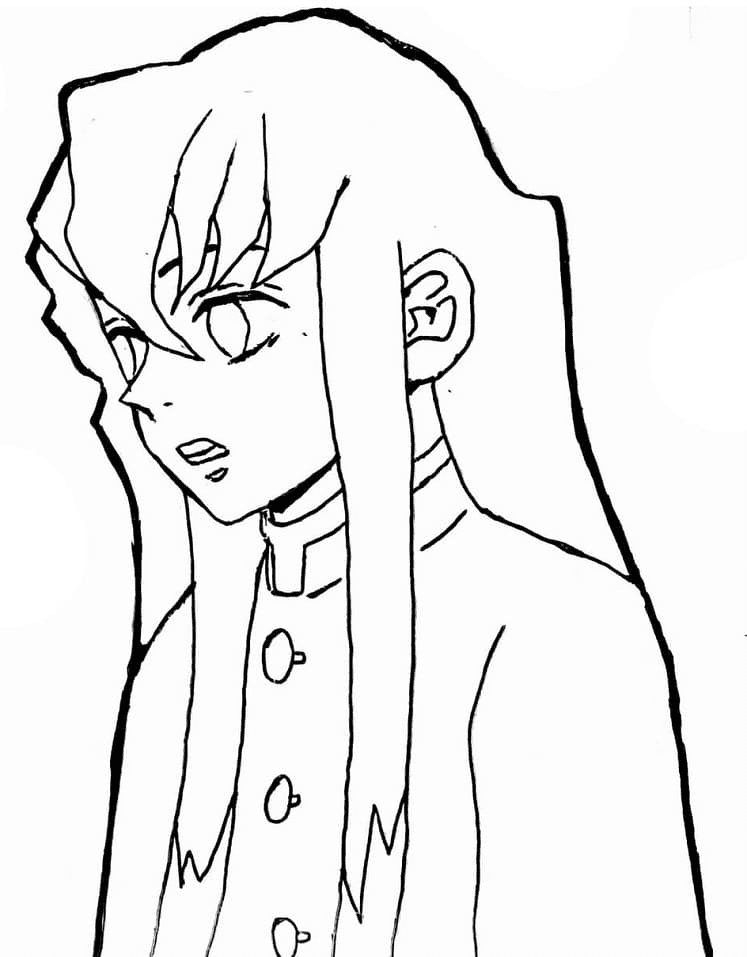
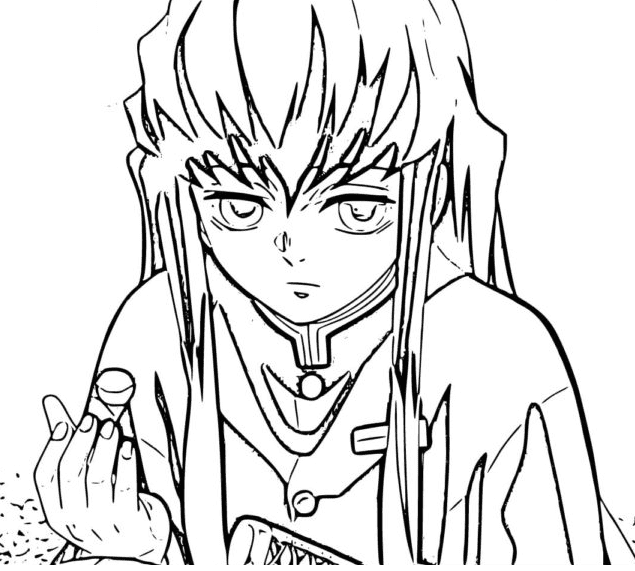
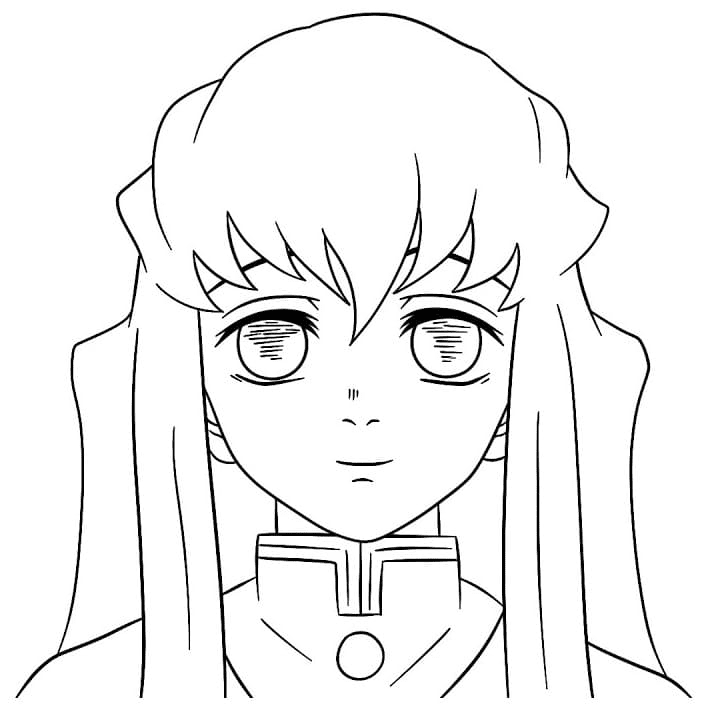
Portrait and character pages. The largest section of the collection, showing Muichiro in his characteristic still, composed poses, wearing the Demon Slayer Corps uniform (dark navy with a white belt) and his patterned haori, with his sword sheathed, drawn, or at rest. His most technically demanding feature is the hair gradient, transitioning from black at the scalp to pale mint-green at the tips.
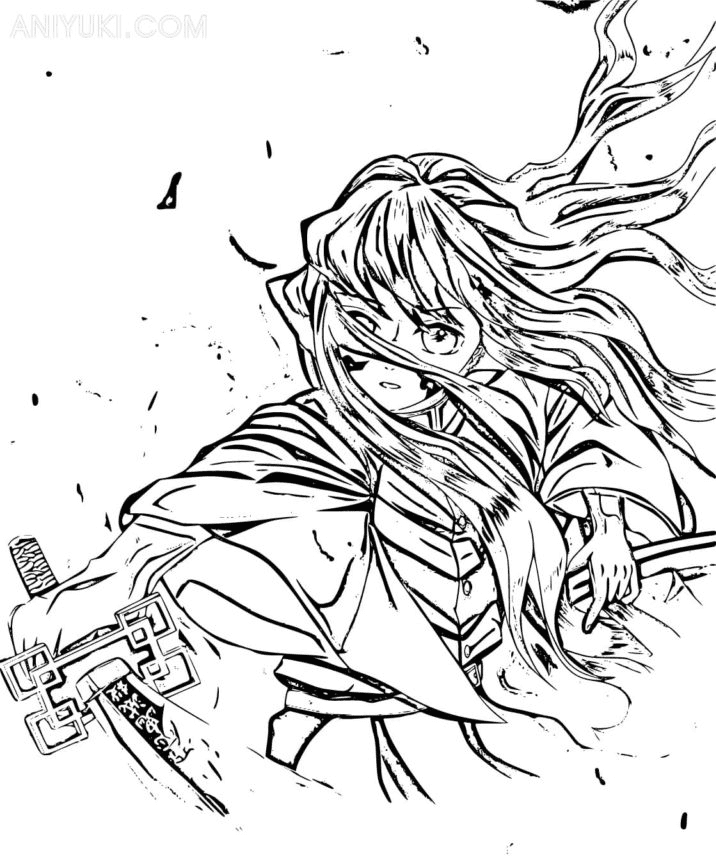
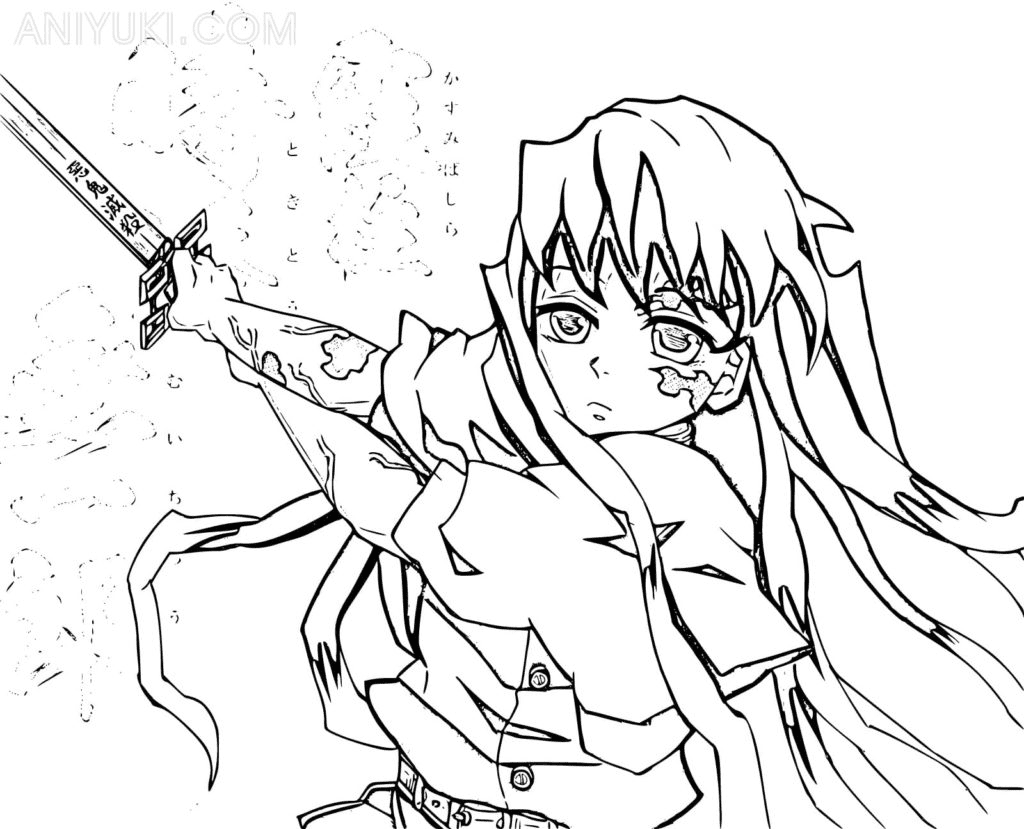
Battle and action pages. These pages capture Muichiro mid-technique, using Mist Breathing, a fighting style built around unpredictable, disorienting movement. The turquoise of his Nichirin blade is the strongest color accent on every action page.
Mist Breathing technique pages. Mist Breathing has seven forms in the series, and the technique pages in this collection lean into the atmospheric quality the style is named for, with mist effects and motion-blur detail that most portrait pages don’t include.
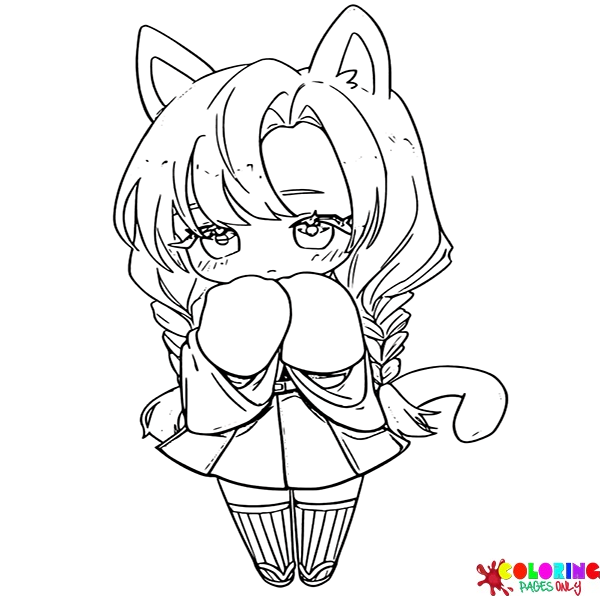
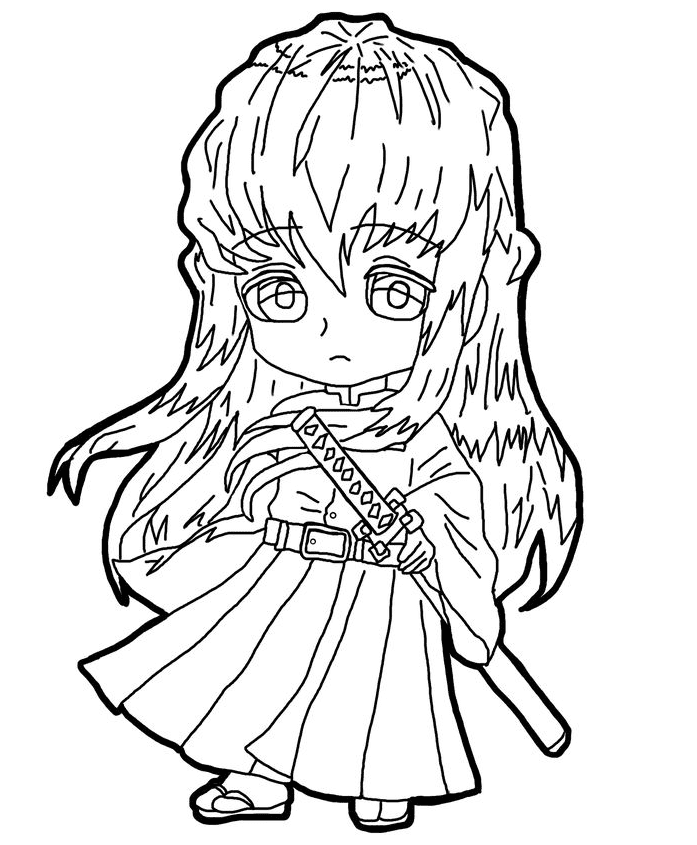
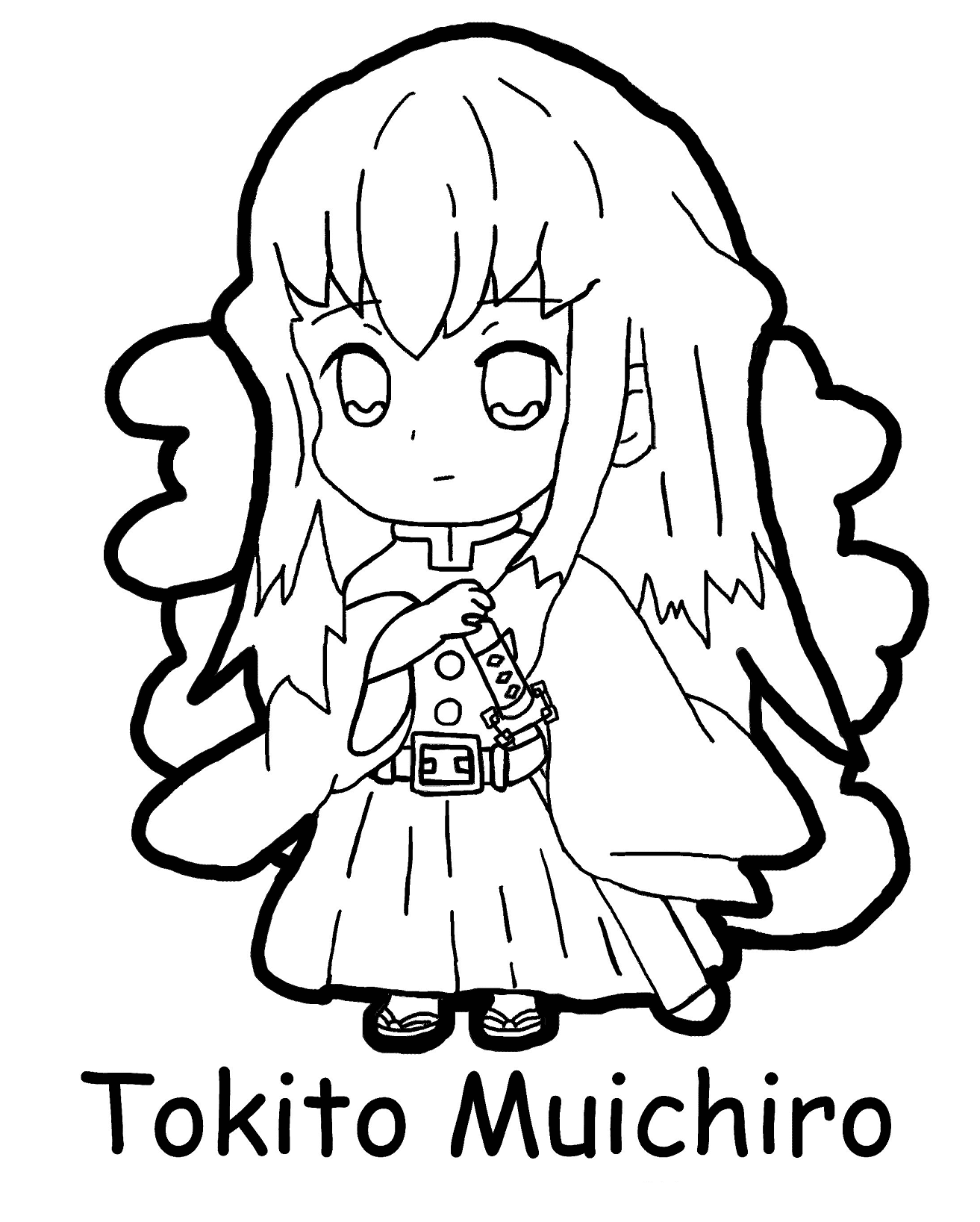
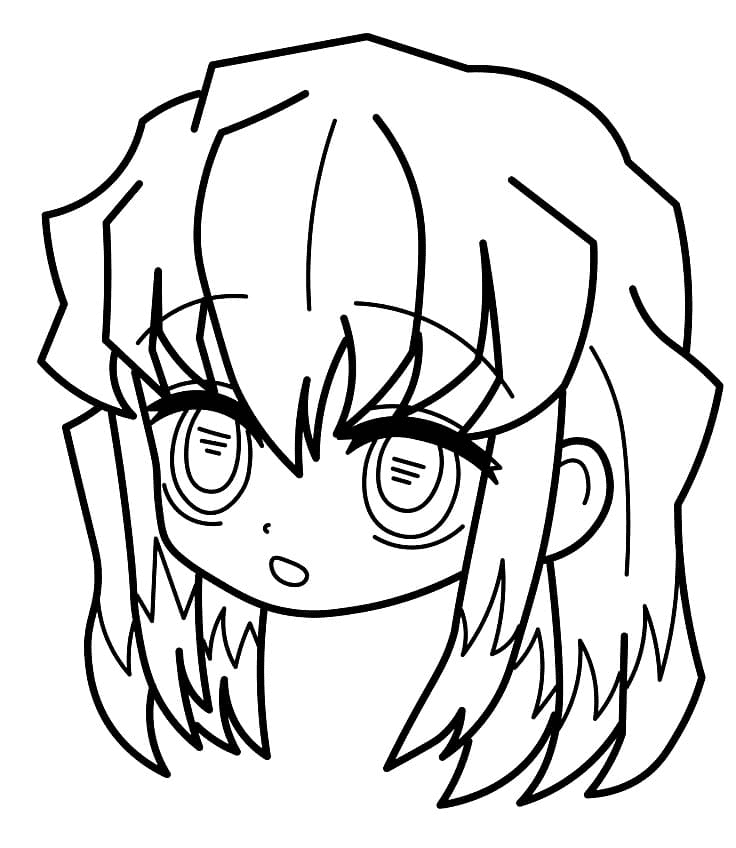
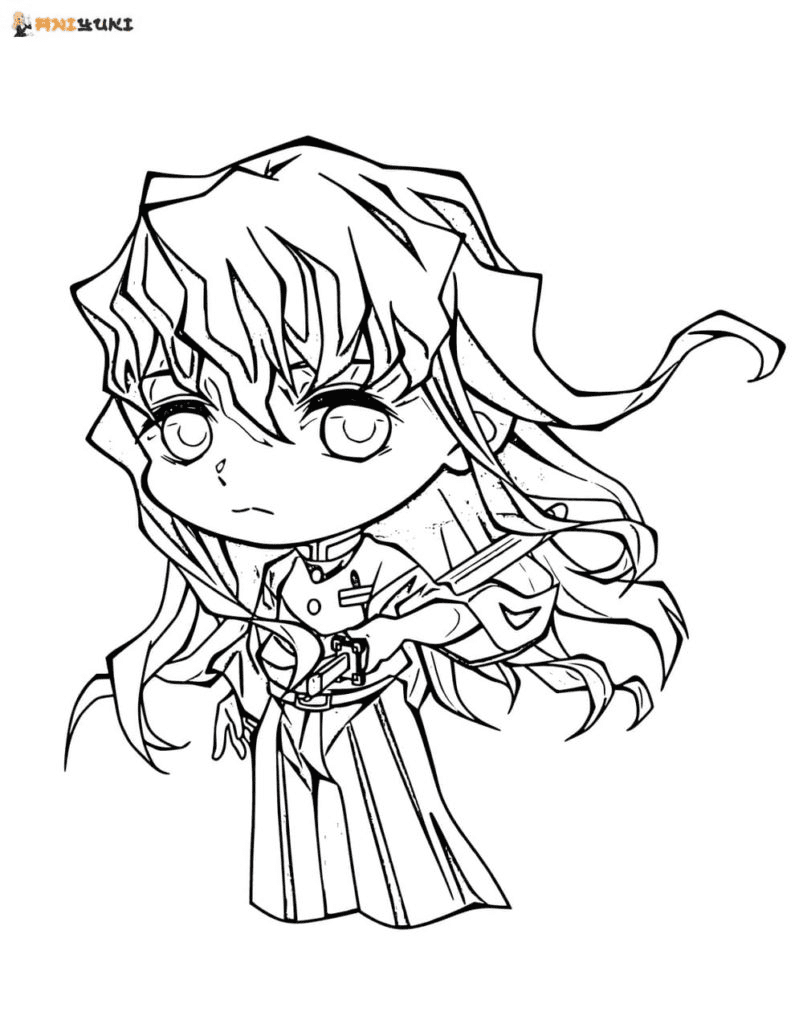
Chibi pages. Muichiro’s design translated into the large-head, small-body proportions of the kawaii aesthetic, keeping his gradient hair and turquoise eyes but rendered with bold, flat color rather than gradient blending, more accessible for younger colorists.
Haori and costume detail pages. Close-up views of Muichiro’s dark, geometrically patterned haori are useful for colorists who want to understand the design’s repeating structure.
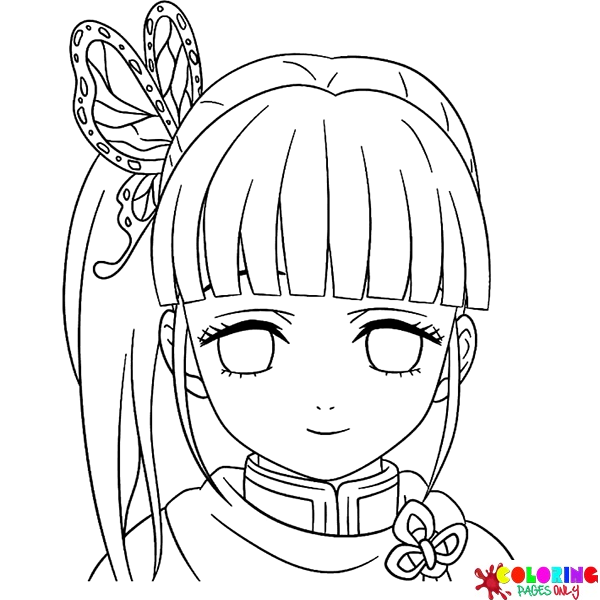
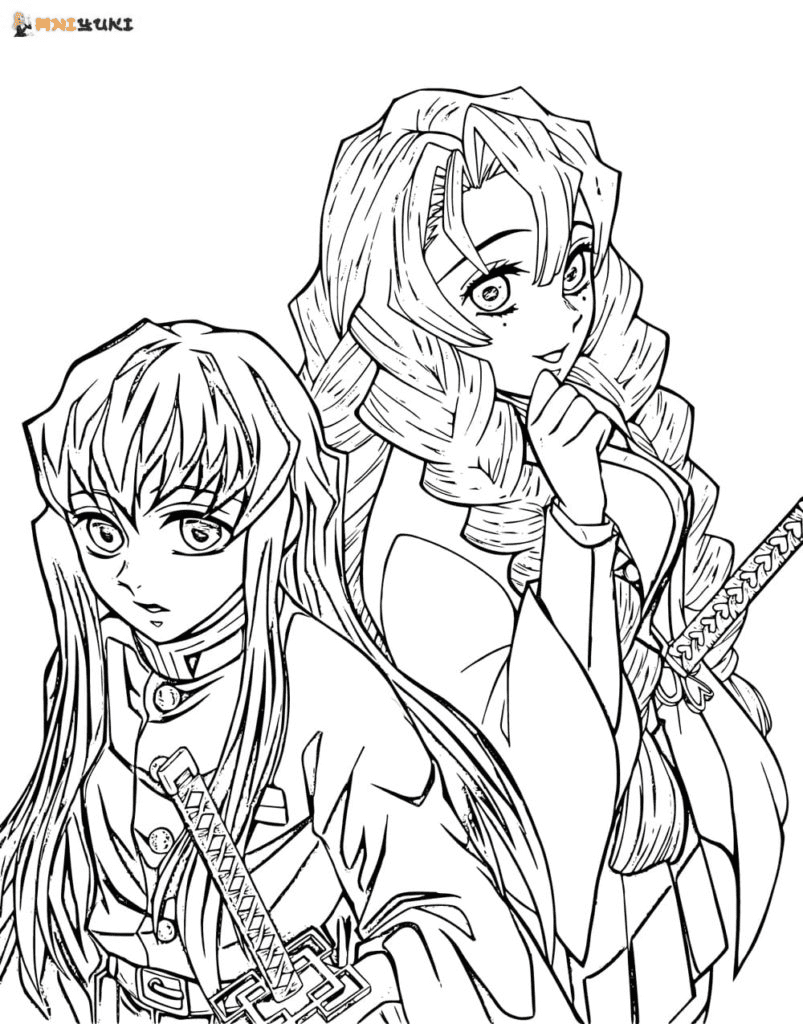
Crossover pages. The collection includes a page pairing Muichiro with fellow Hashira Mitsuri Kanroji.
What These Pages Do
The American Academy of Pediatrics identifies fine motor skill development as a core benefit of structured coloring for children ages 2 through 7, and the detailed costume elements, the haori’s geometric pattern, and the blade’s edge details provide sustained fine motor practice for older fans working through this collection.
A 2005 study in the Art Therapy Journal documented measurable reductions in anxiety following structured coloring sessions. The gradient hair is a genuinely demanding technical challenge, and the focused, sustained attention it requires to render correctly produces exactly the calm, absorbed state that research describes.
Muichiro’s design is built around a consistent color relationship: turquoise runs through his eyes, his blade, and his hair tips, an example of a series using color systematically to establish character identity, which colorists notice and internalize simply by paying attention while coloring.
How to Color Muichiro Tokito Pages Well
- Start with the turquoise: his eyes and blade are the page’s anchor color. Apply it first, fully saturated, then build the hair gradient and uniform navy in relation to it.
- The hair gradient: the transition happens roughly at ear level, the upper two-thirds black, the lower third fading to pale mint. Apply the mint-green first at the tips, working upward with decreasing pressure, then apply black from the roots downward, letting the two meet in a soft overlap zone.
- His expression: the pupil should be near-black rather than pure black, and a small white or pale-blue highlight in the upper iris keeps the eyes reading as alive rather than flat.
- The haori pattern: apply the dark navy or near-black base color first, then render the geometric pattern on top in a slightly lighter dark grey or deep blue-grey so it stays visible without competing with the uniform.
- Night battle scenes: shift shadows toward blue-grey rather than warm brown-grey, which reads more convincingly as night-lit.
5 Creative Craft Ideas With Muichiro Tokito Coloring Pages
1. Hashira Reference Display
Color the Muichiro portrait page alongside other Demon Slayer character pages available on the site, mount them on a single backing sheet in a row, and hand-letter each character’s name and breathing style underneath.
2. Mist Breathing Technique Card
Color a dynamic action page with full commitment to the atmospheric mist effects, cut the finished page to card dimensions, and hand-letter a brief note on the back about the technique shown.
3. Gradient Hair Study
Print three copies of any portrait page showing Muichiro’s full hair, then color the black-to-mint gradient using a different technique on each, blended wet, layered dry, and alternating light strokes, and compare the results.
4. Demon Slayer Fan Bookmark
Color a chibi Muichiro page at reduced scale, laminate for durability, trim to bookmark dimensions with rounded corners, and thread a turquoise ribbon through a punched hole at the top.
5. Character Standee
Color a full-body Muichiro page, mount it on cardstock, and fold a small tab at the base so the finished figure can stand upright on a shelf or desk.
Frequently Asked Questions
Who is Muichiro Tokito in Demon Slayer?
Muichiro Tokito is the Mist Hashira of the Demon Slayer Corps in Demon Slayer: Kimetsu no Yaiba, the manga by Koyoharu Gotouge. He holds Hashira rank at age fourteen, the fastest anyone in the series has reached that status. His breathing style is Mist Breathing, and his Nichirin blade is turquoise.
What is Mist Breathing?
Mist Breathing is one of the Breathing Styles used by demon slayers in the series, characterized by unpredictable, flowing movements that make Muichiro’s trajectory difficult to read in combat, creating an effect the series describes as fighting through fog or mist.
What colors should I use for Muichiro’s Nichirin blade?
A fully saturated turquoise, a blue-green in the medium range, matching his eye color. The blade’s edge can take a slightly brighter highlight while the flat of the blade stays in the main turquoise tone.
How should I approach the gradient hair?
Plan the transition point first, roughly at ear level, then apply mint-green at the tips working upward and black from the roots working downward, letting the two colors meet and soften in the middle rather than creating a hard line.
What age group are these pages best suited for?
The simple portrait pages suit ages 7 to 8 for fans developing colored pencil control. Chibi pages are accessible from ages 5 to 6. The detailed battle pages and gradient hair technique are most rewarding for ages 10 and up, including adult fans.
Is Muichiro shown with other Demon Slayer characters in this collection?
Yes. One page pairs Muichiro with fellow Hashira Mitsuri Kanroji.
What does “Hashira” mean?
Hashira are the nine most powerful demon slayers in the Demon Slayer Corps, each specializing in a distinct Breathing Style. Muichiro is the Mist Hashira.
Are Muichiro Tokito coloring pages free to print?
Yes. All pages are free to download as a PDF and print, or to color online in the browser. No account, email, or payment is required.
Download any page by clicking the design. No account, email, or payment is required. Pages print directly from the browser at full resolution or open in the online coloring tool for screen use. Share finished pages on Facebook or Pinterest with the share buttons at the top of each design page.