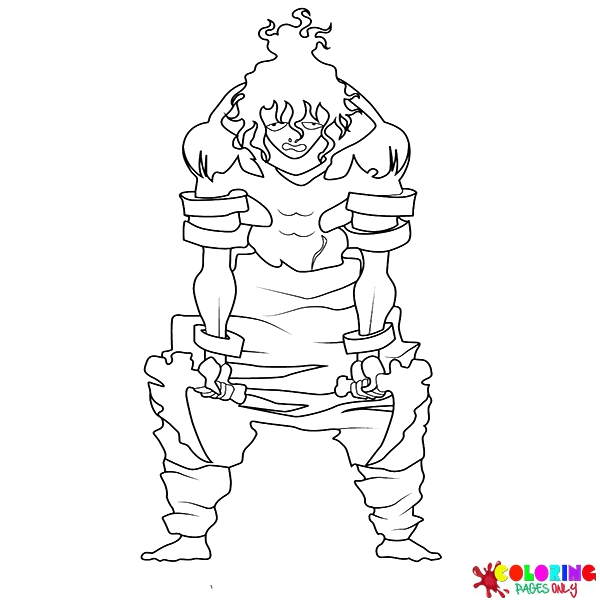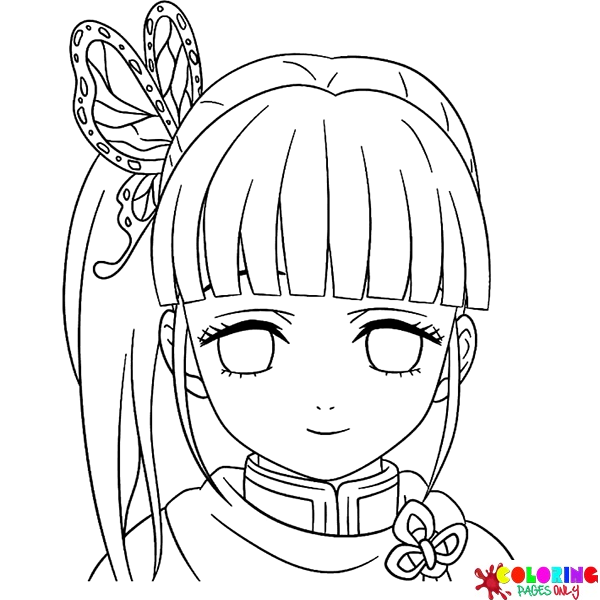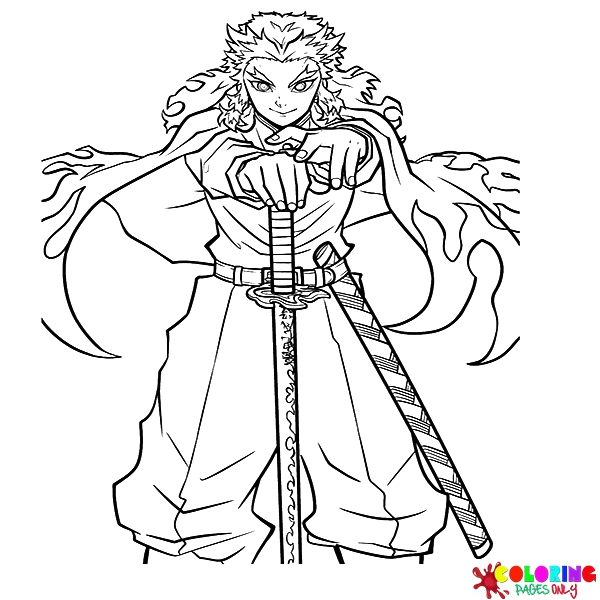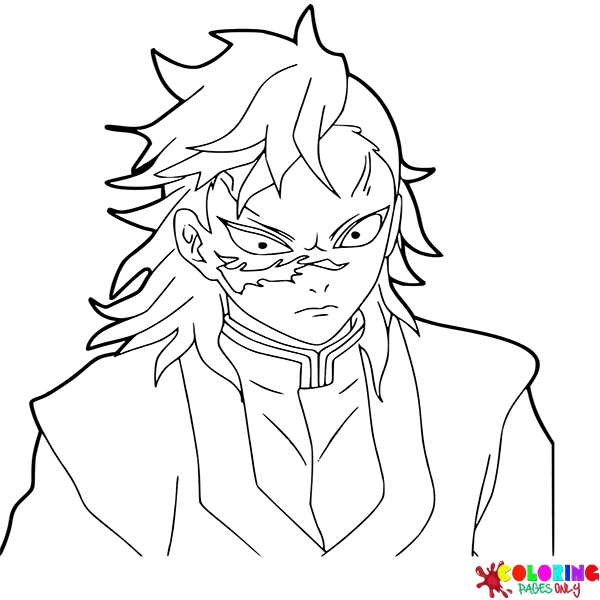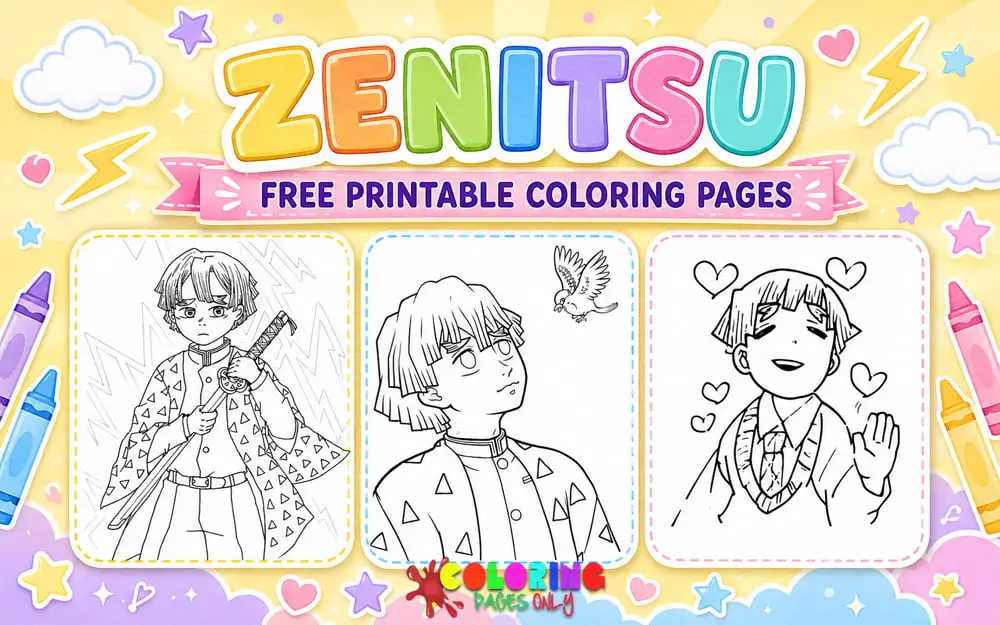
Free Zenitsu Coloring Pages: 46 printable PDF designs featuring Zenitsu Agatsuma from Demon Slayer: Kimetsu no Yaiba in action poses, emotional expressions, chibi designs, paired scenes with Nezuko and Inosuke, and a high school alternate universe page. Every page is available to download as a PDF or color directly in the browser, with no account or payment required.
Zenitsu Agatsuma is a Demon Slayer Corps swordsman in Koyoharu Gotouge’s Demon Slayer: Kimetsu no Yaiba and one of Tanjiro Kamado’s closest companions. He trained in Thunder Breathing under former Thunder Hashira Jigoro Kuwajima and mastered only its First Form, Thunderclap and Flash, which he sharpened to a speed few swordsmen can match.
These pages suit Demon Slayer fans and anyone who wants a character with an unusually wide emotional range across a single set. The coloring challenge that belongs only to this set: Zenitsu has two visual states, and both are here. Awake, he is pale, terrified, weeping. Asleep or in a battle trance, he fires through lightning with eyes closed. The palette stays the same, but the energy flips completely.
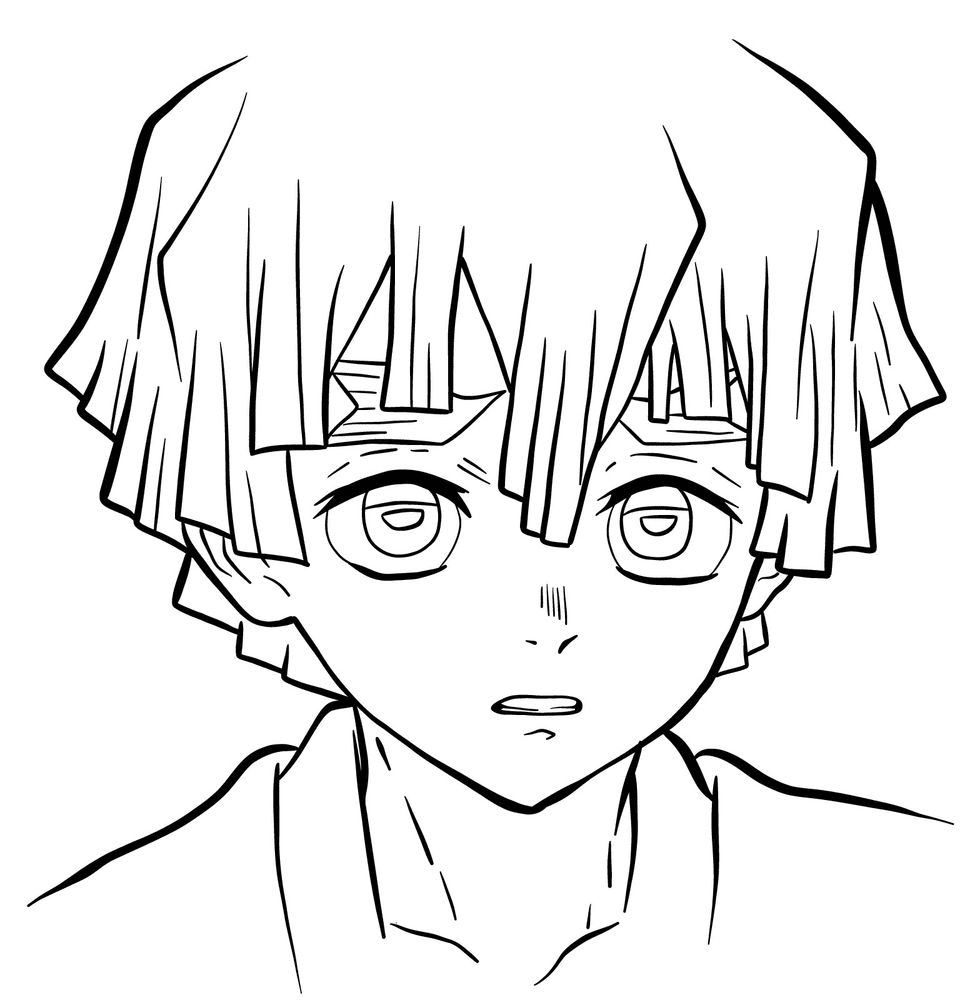
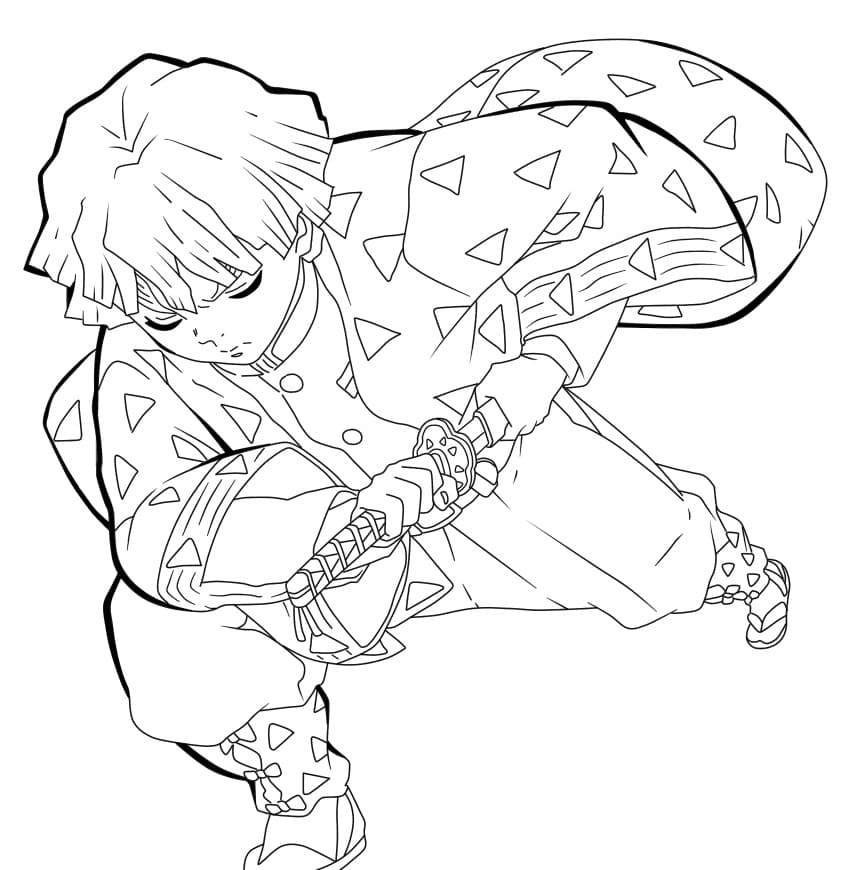
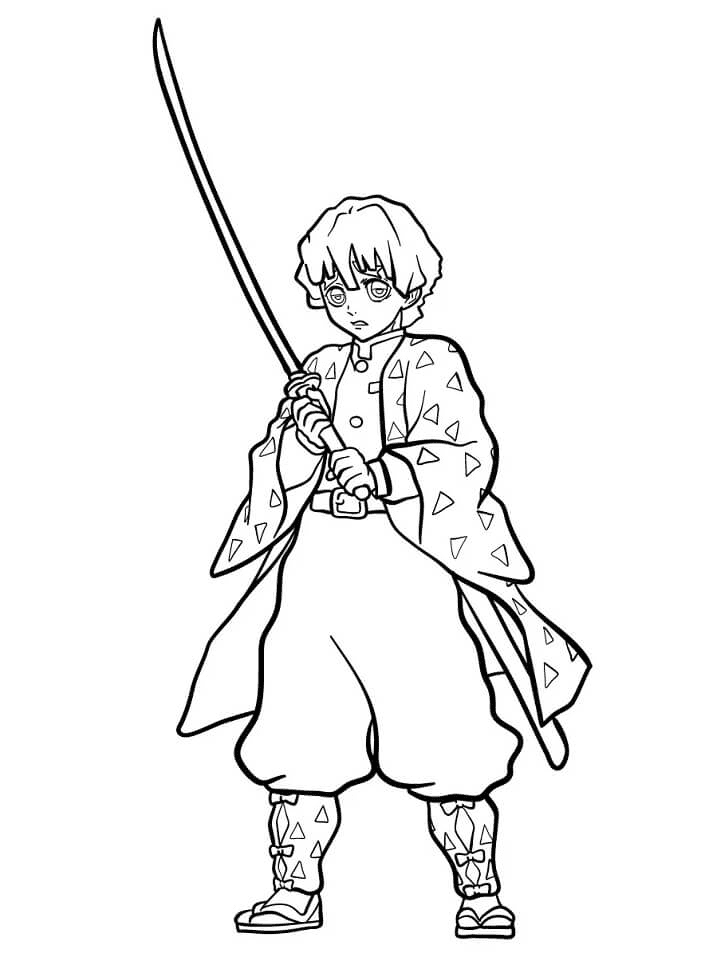
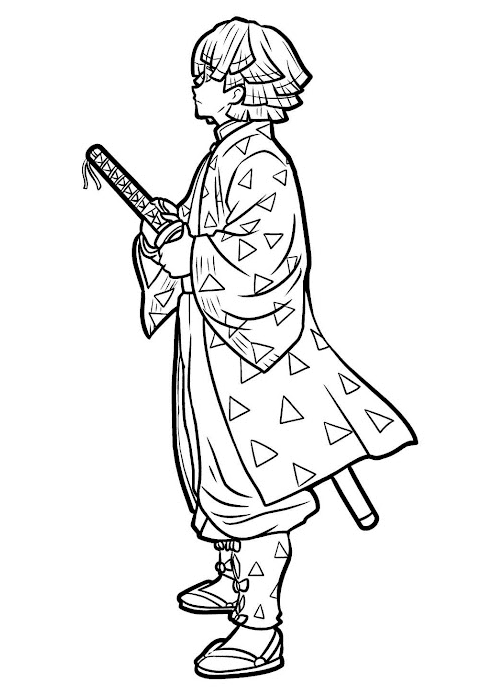
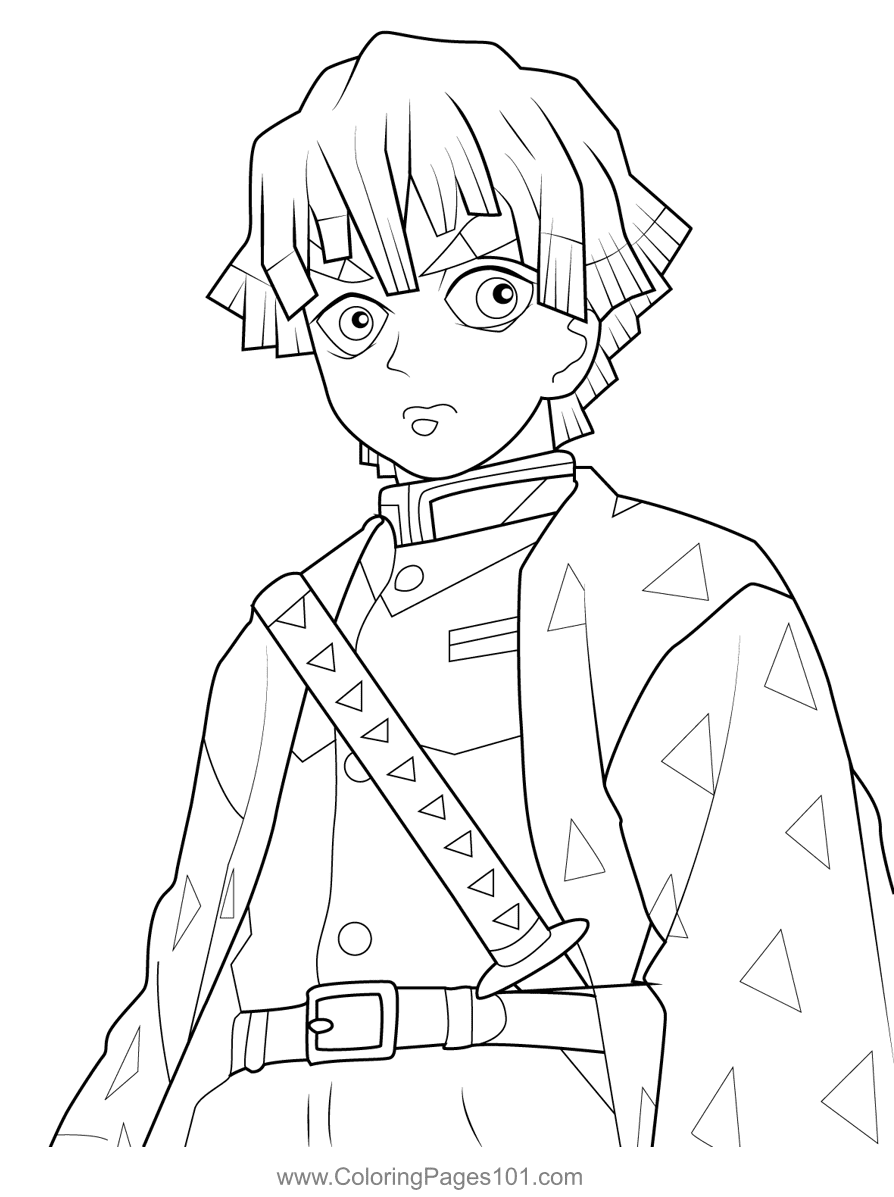
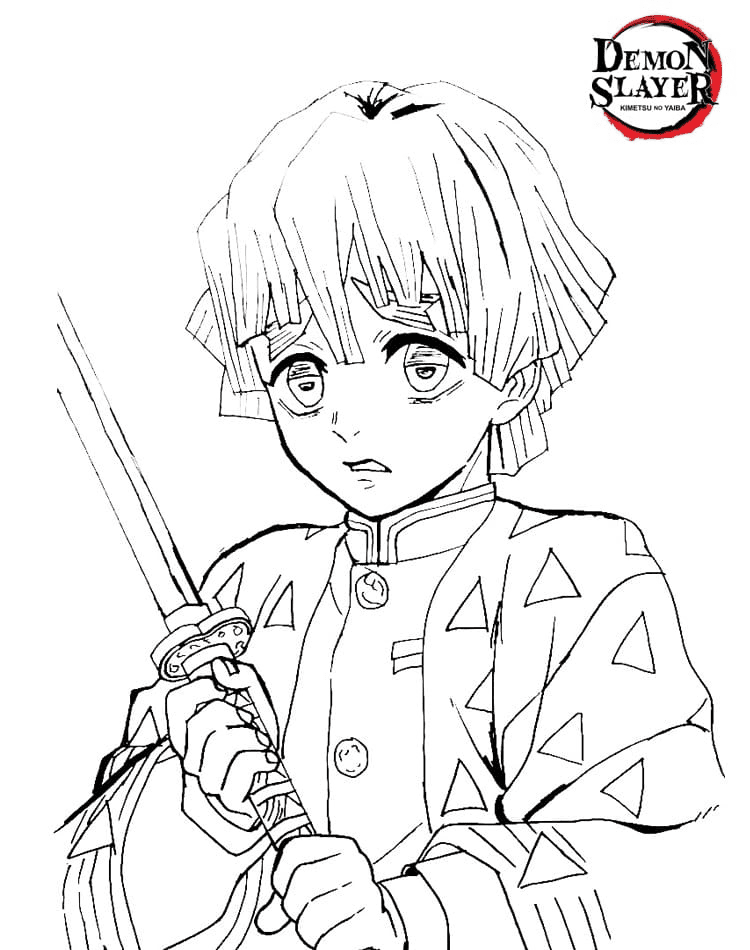
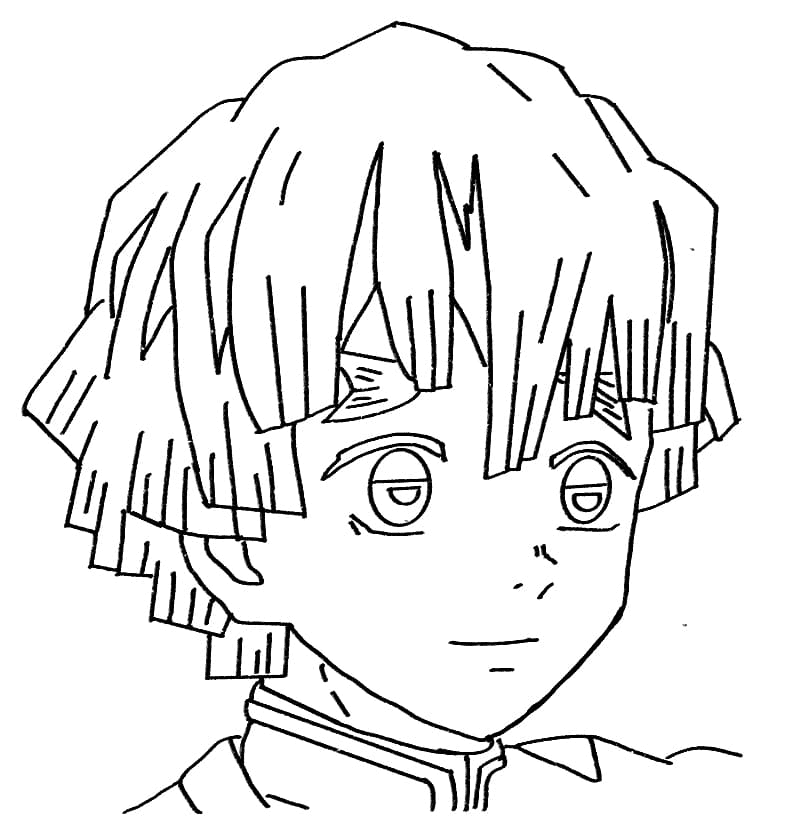
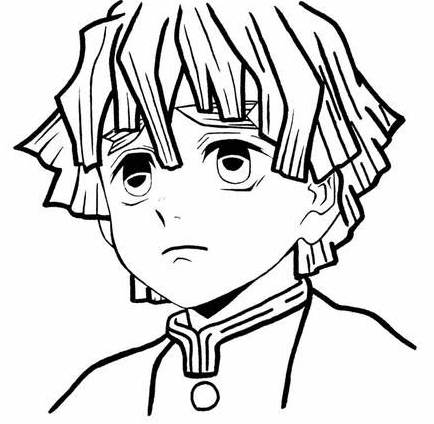
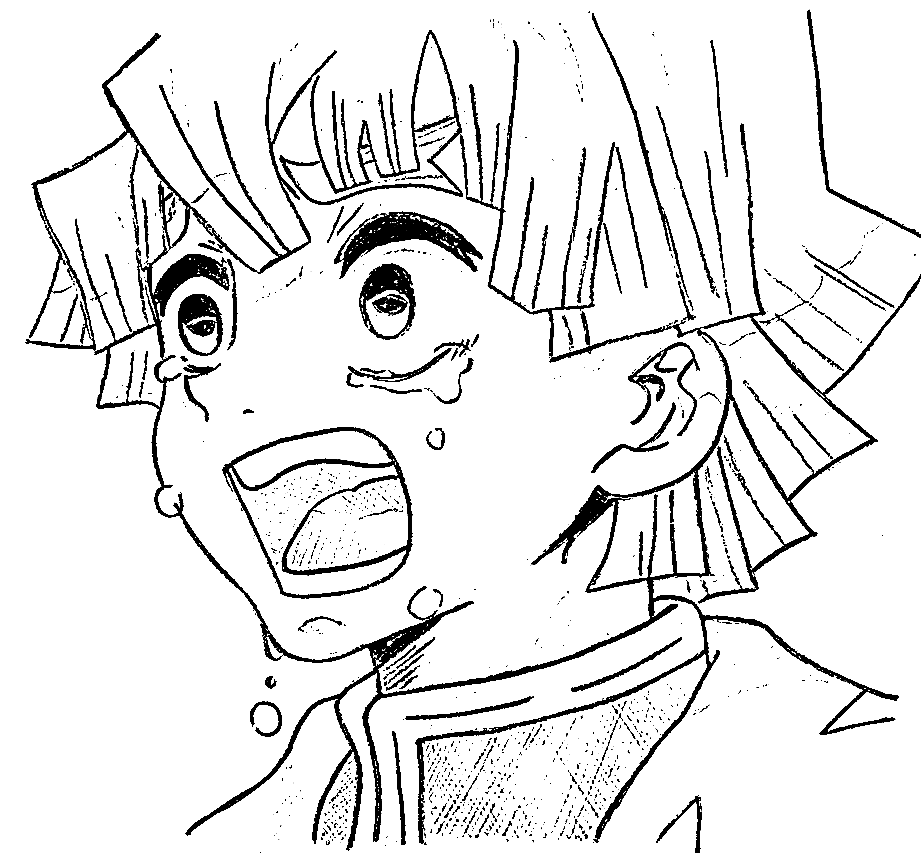
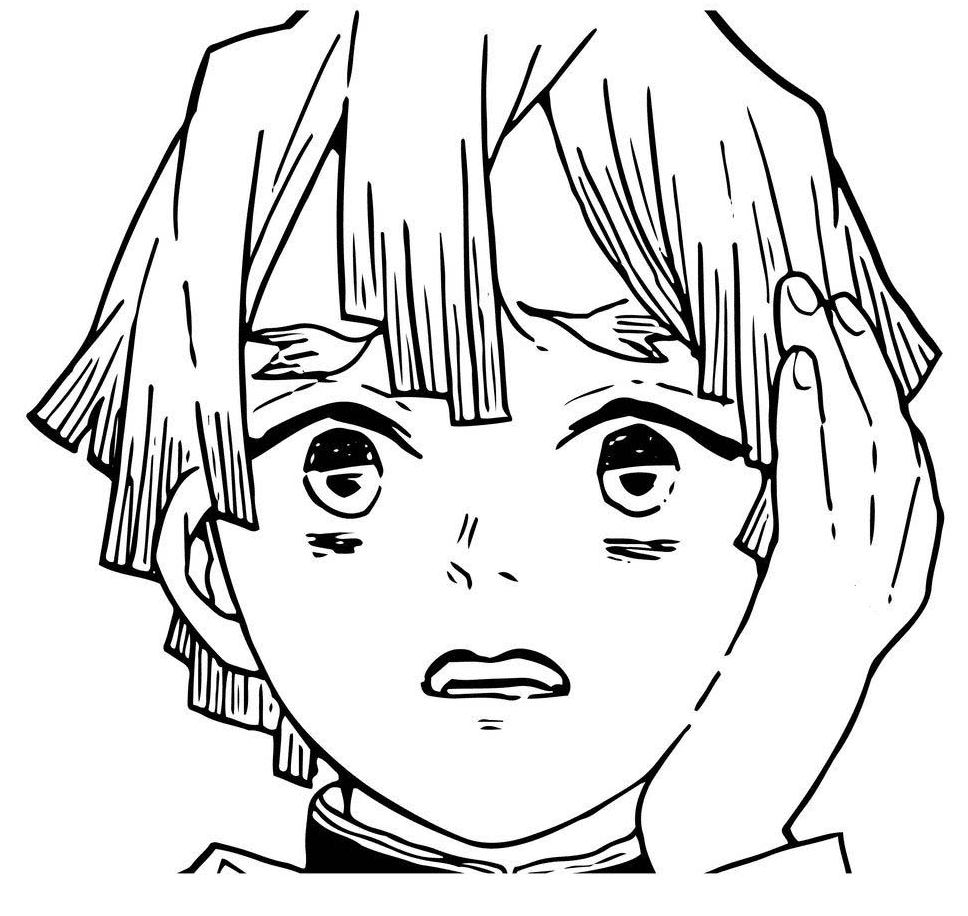
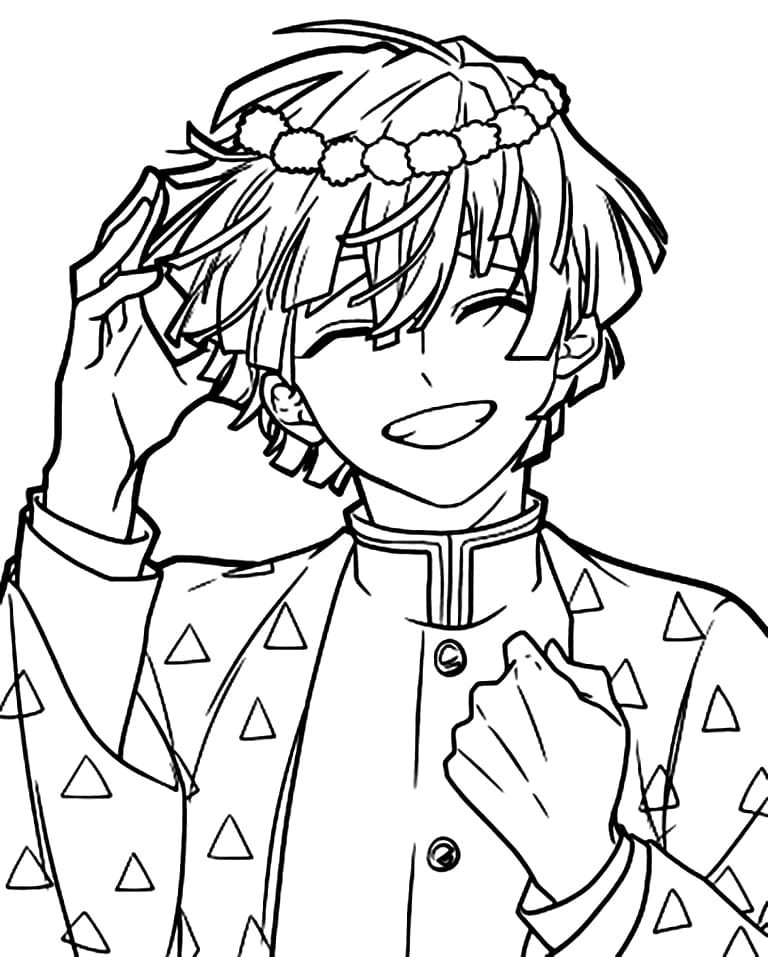

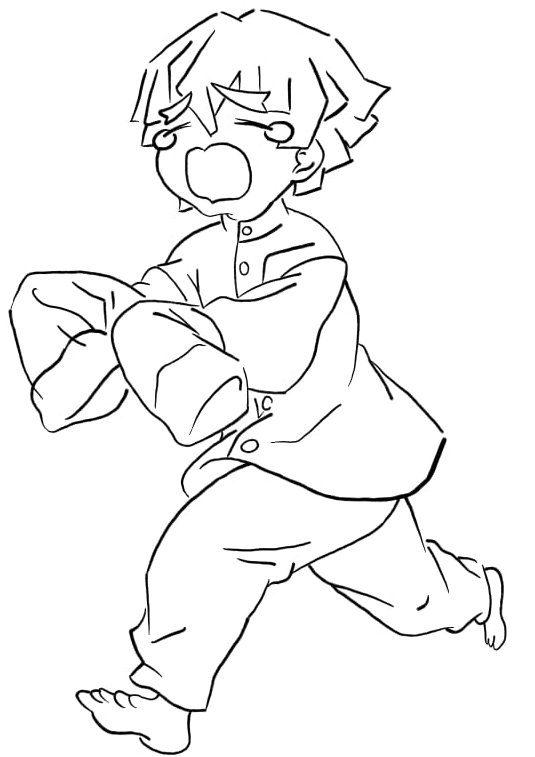
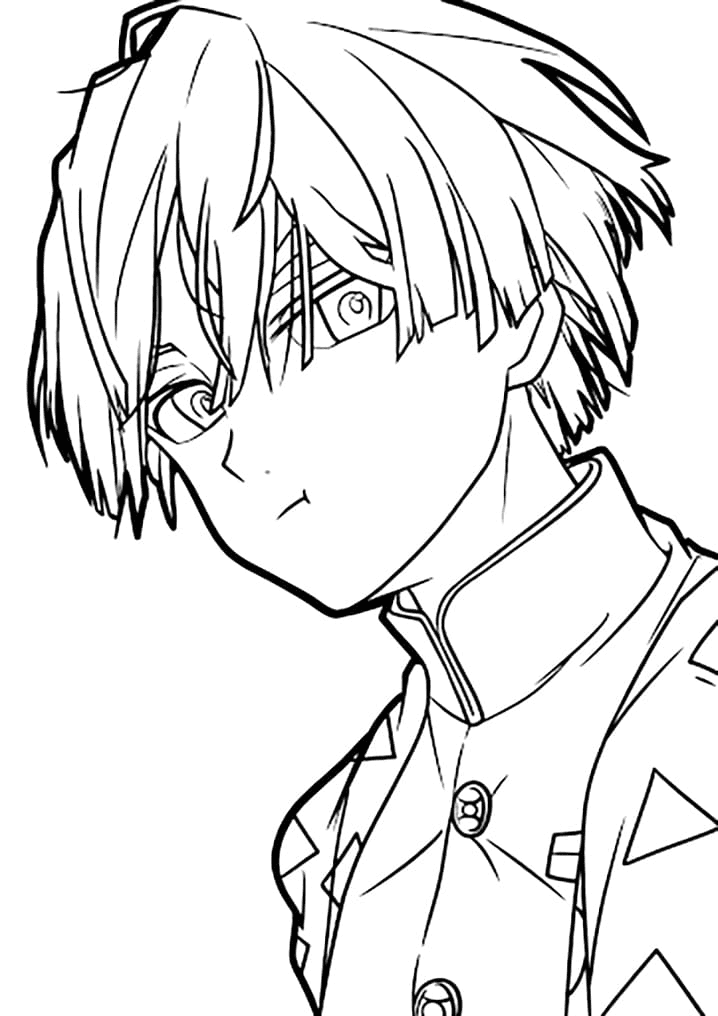
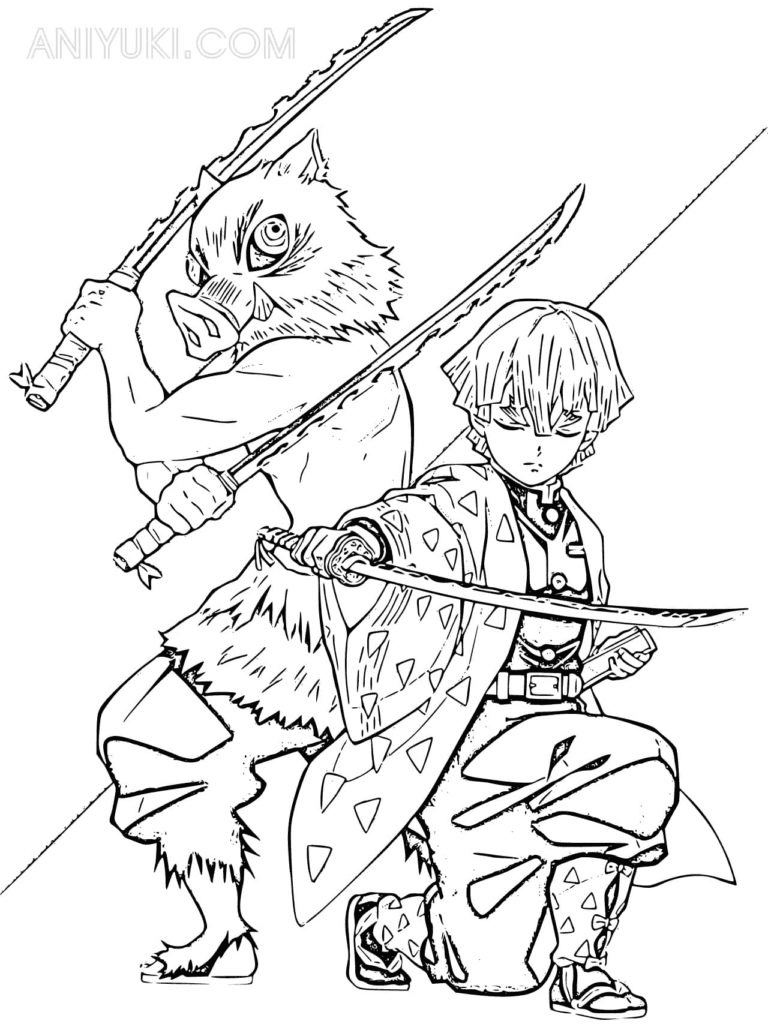
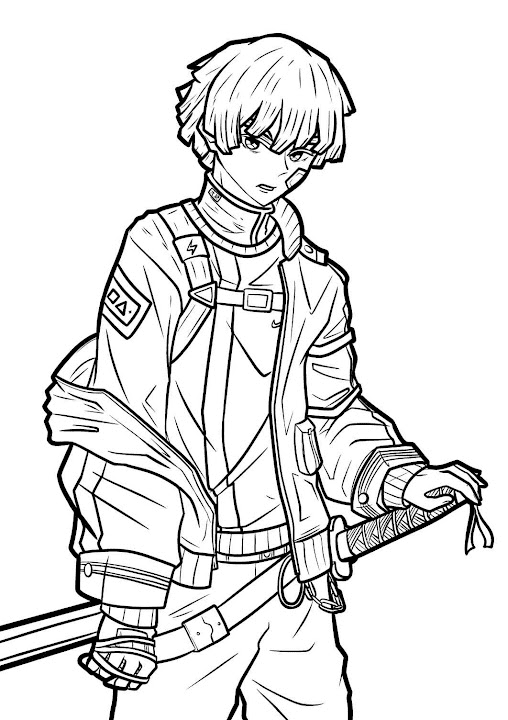
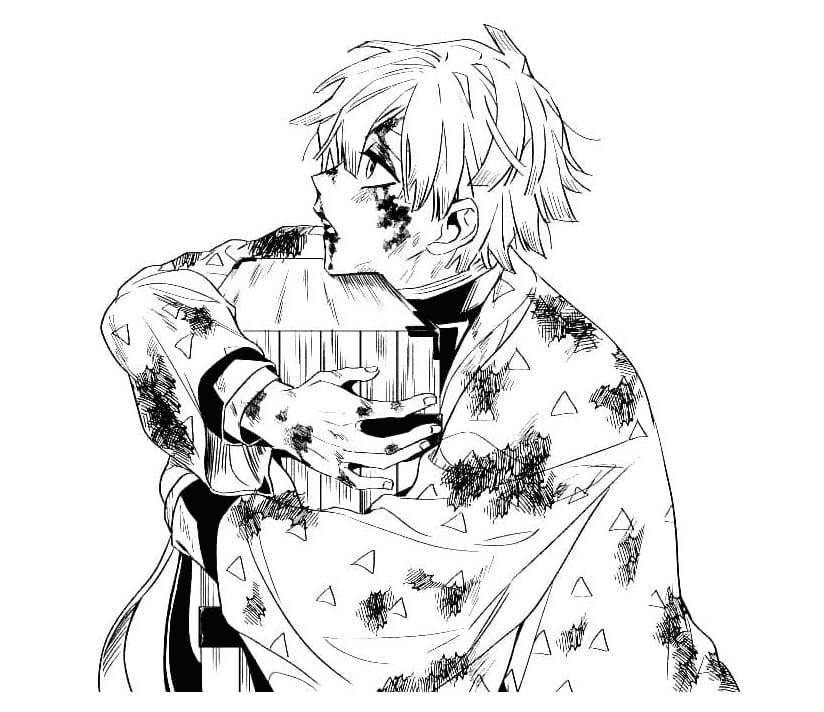
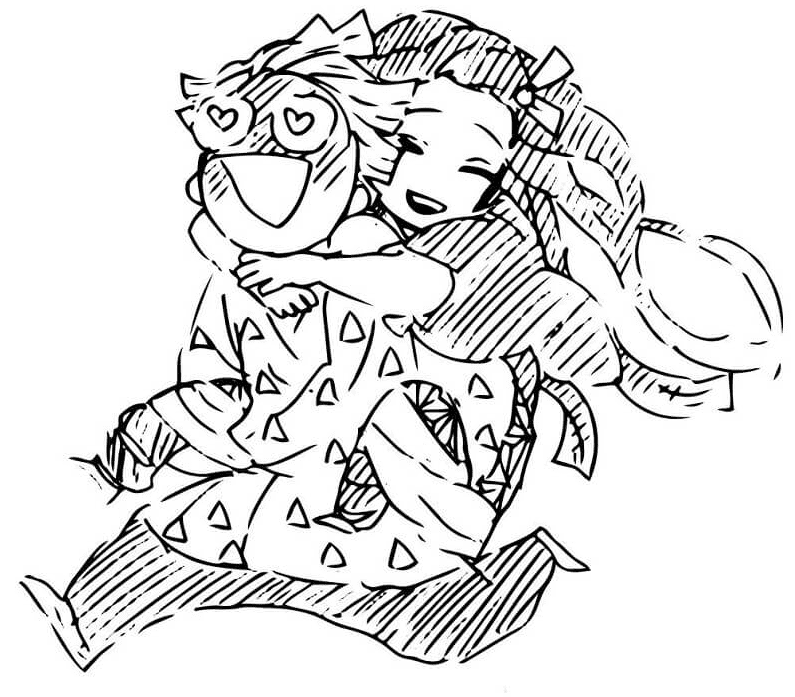
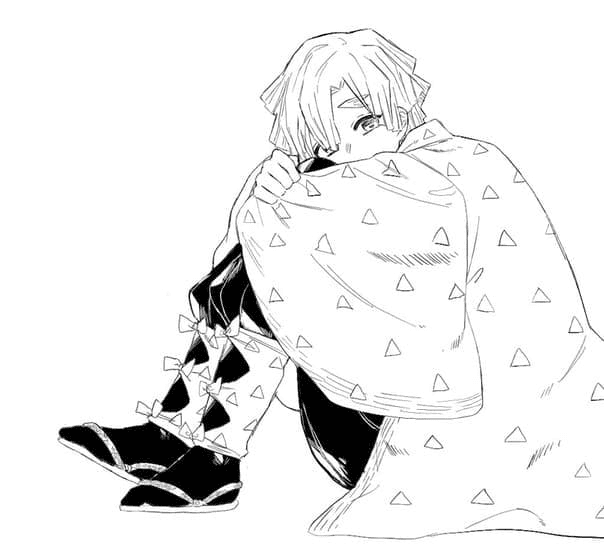
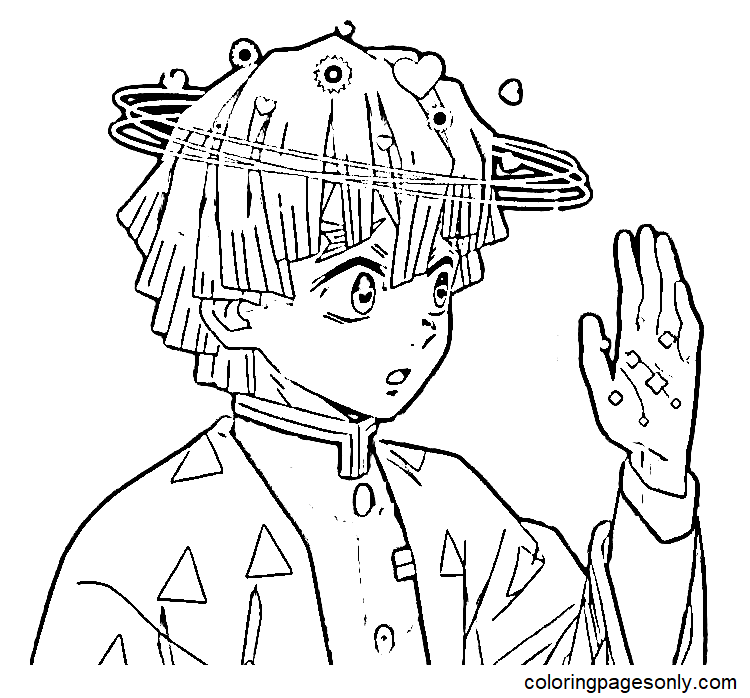
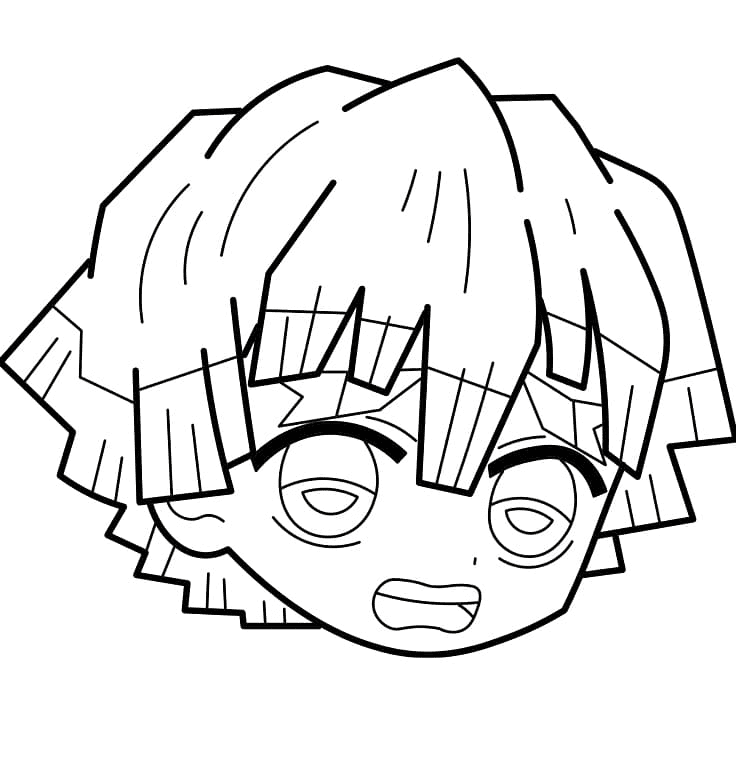
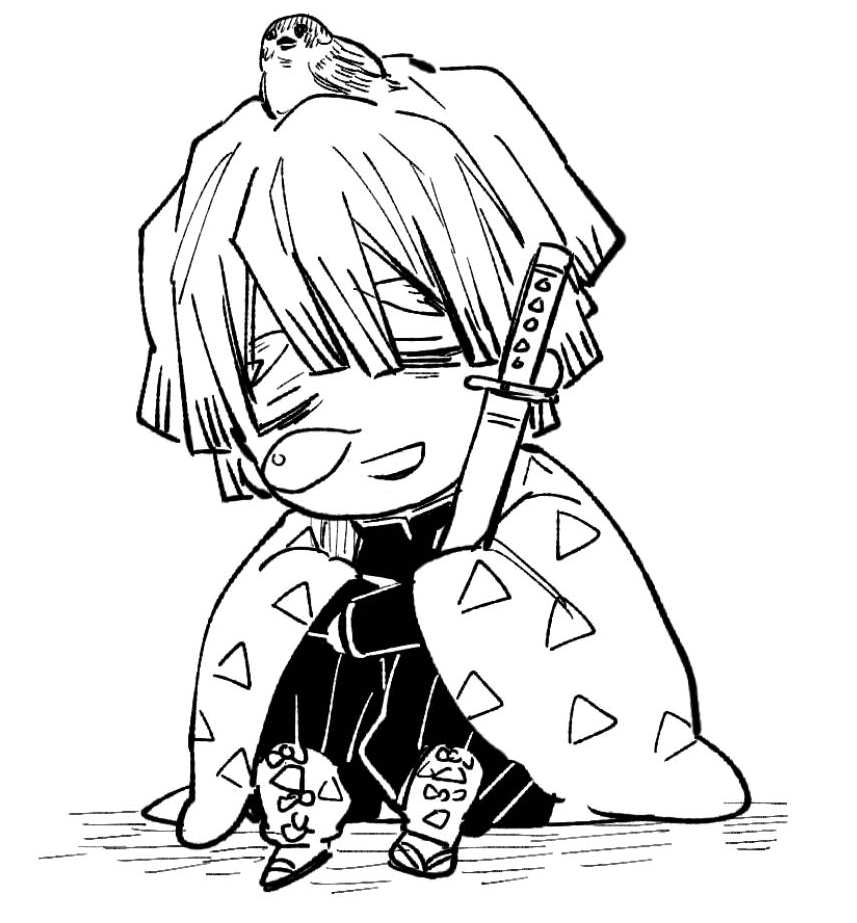
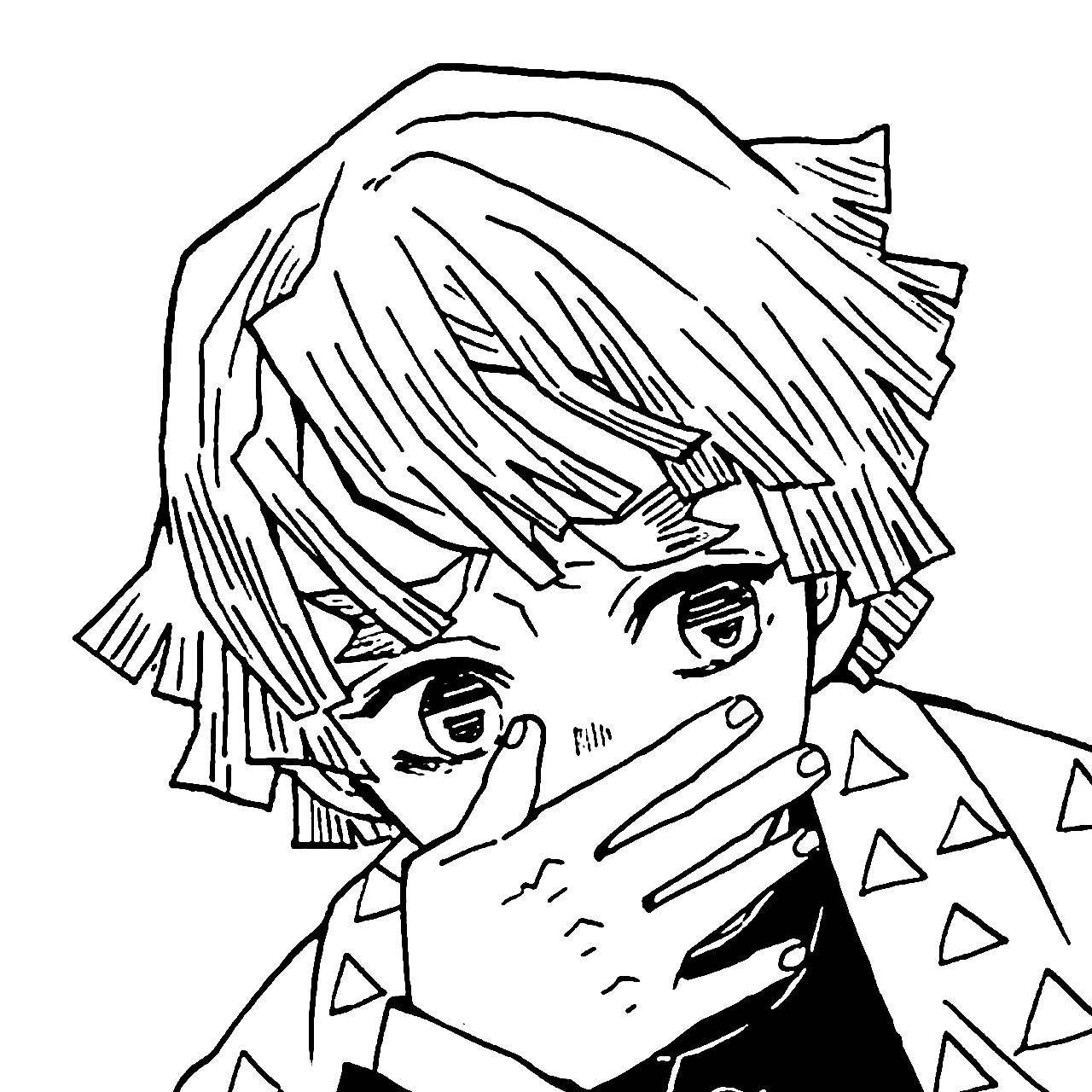
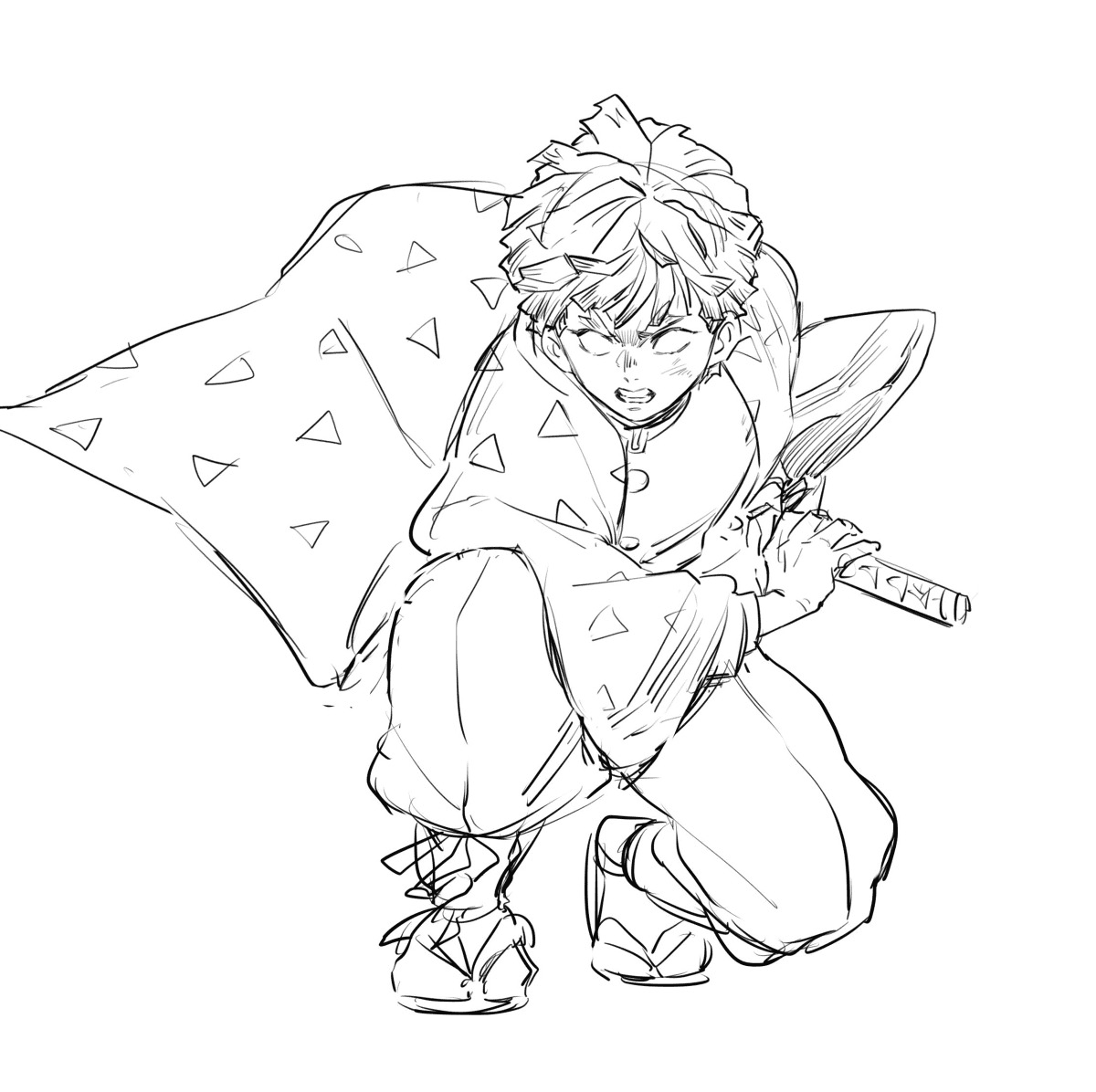
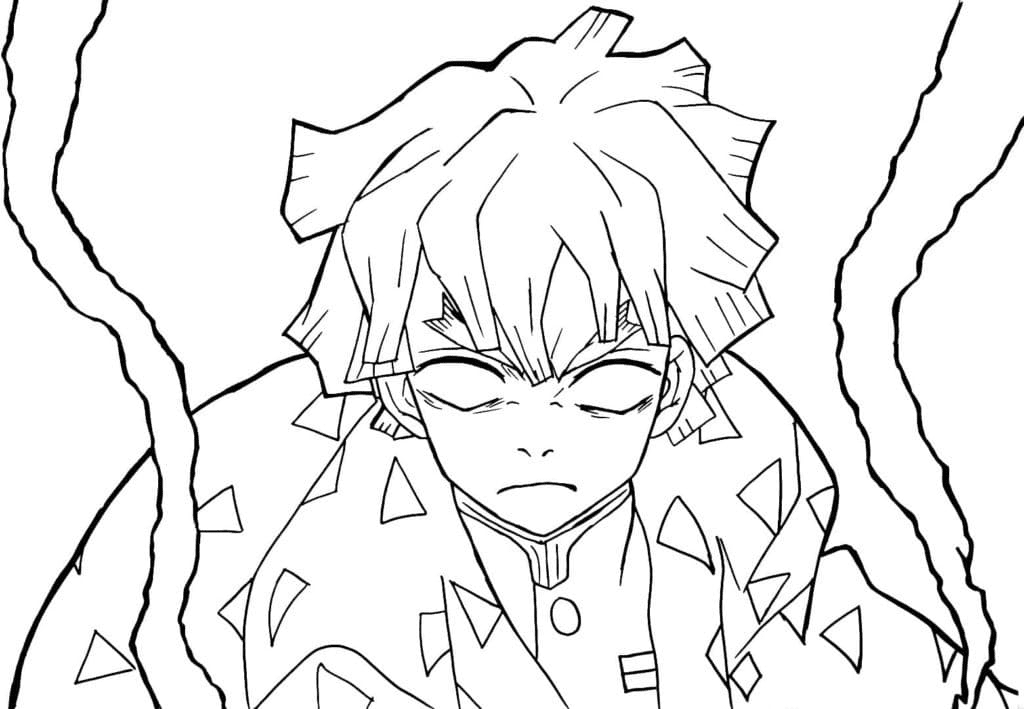
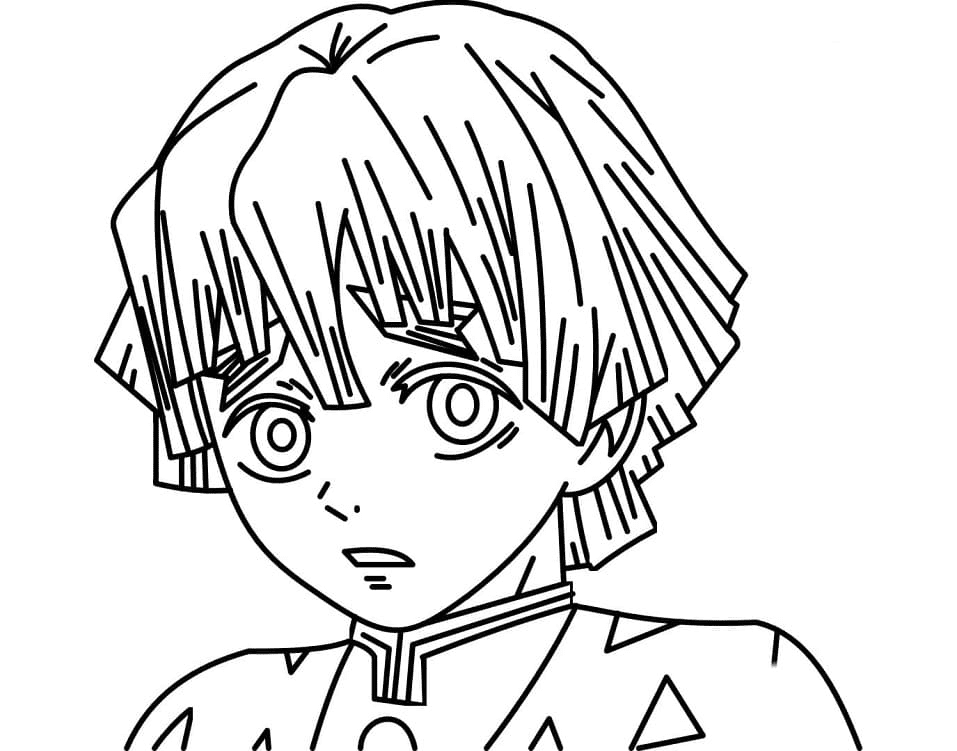
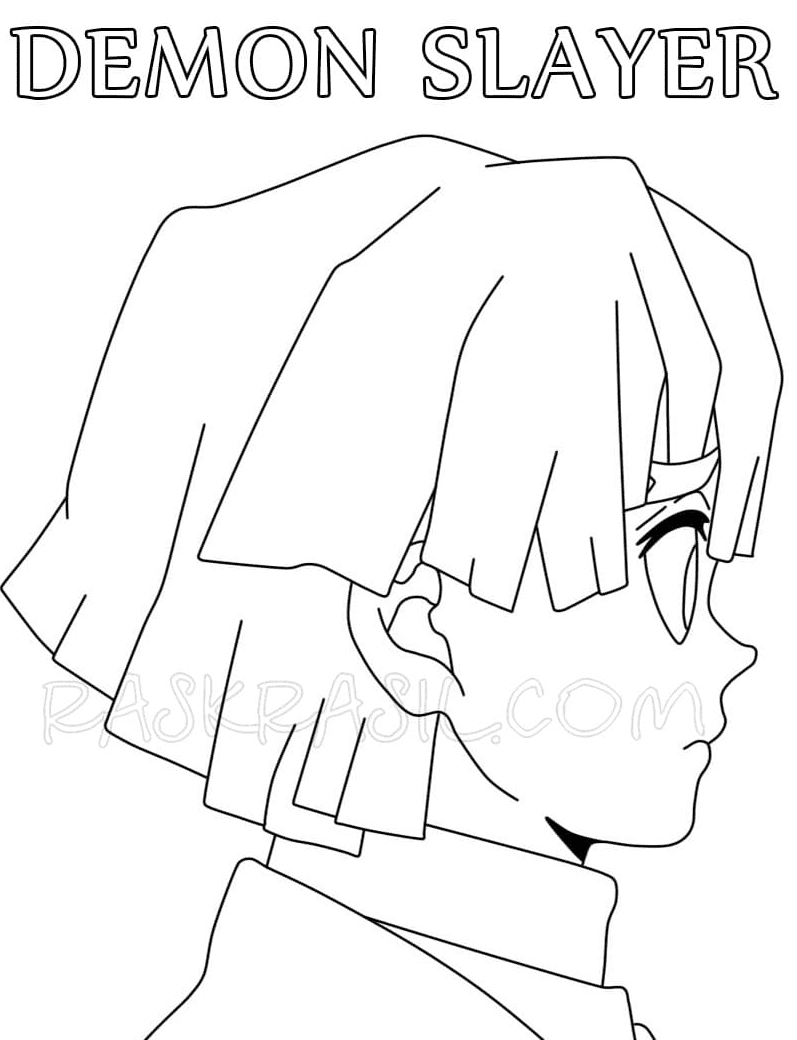
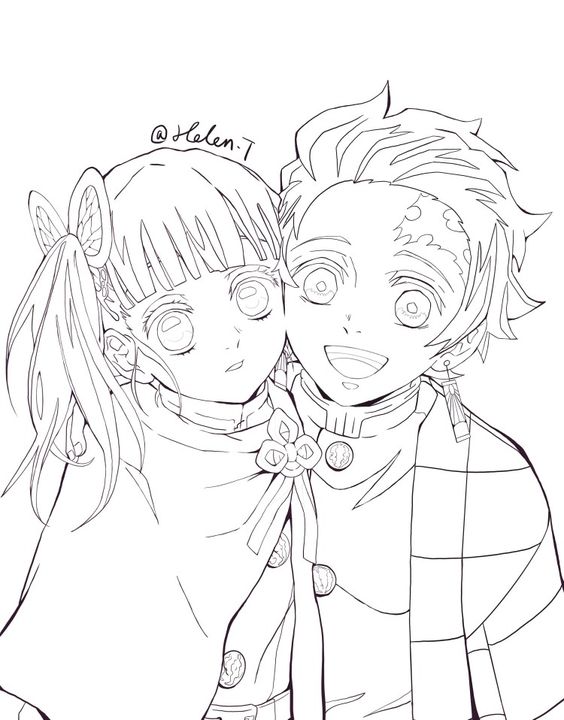
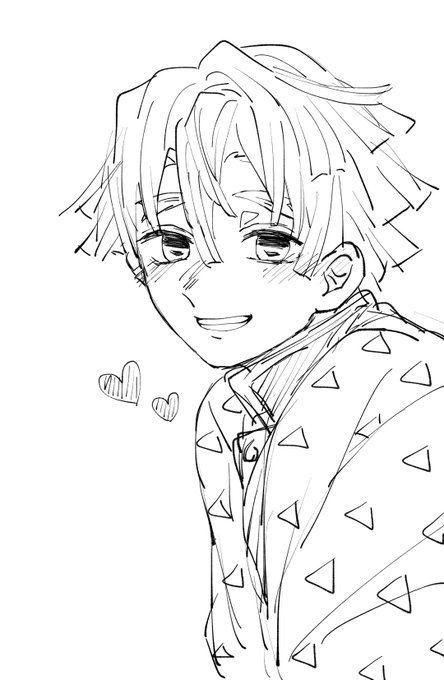
What’s Inside This Collection
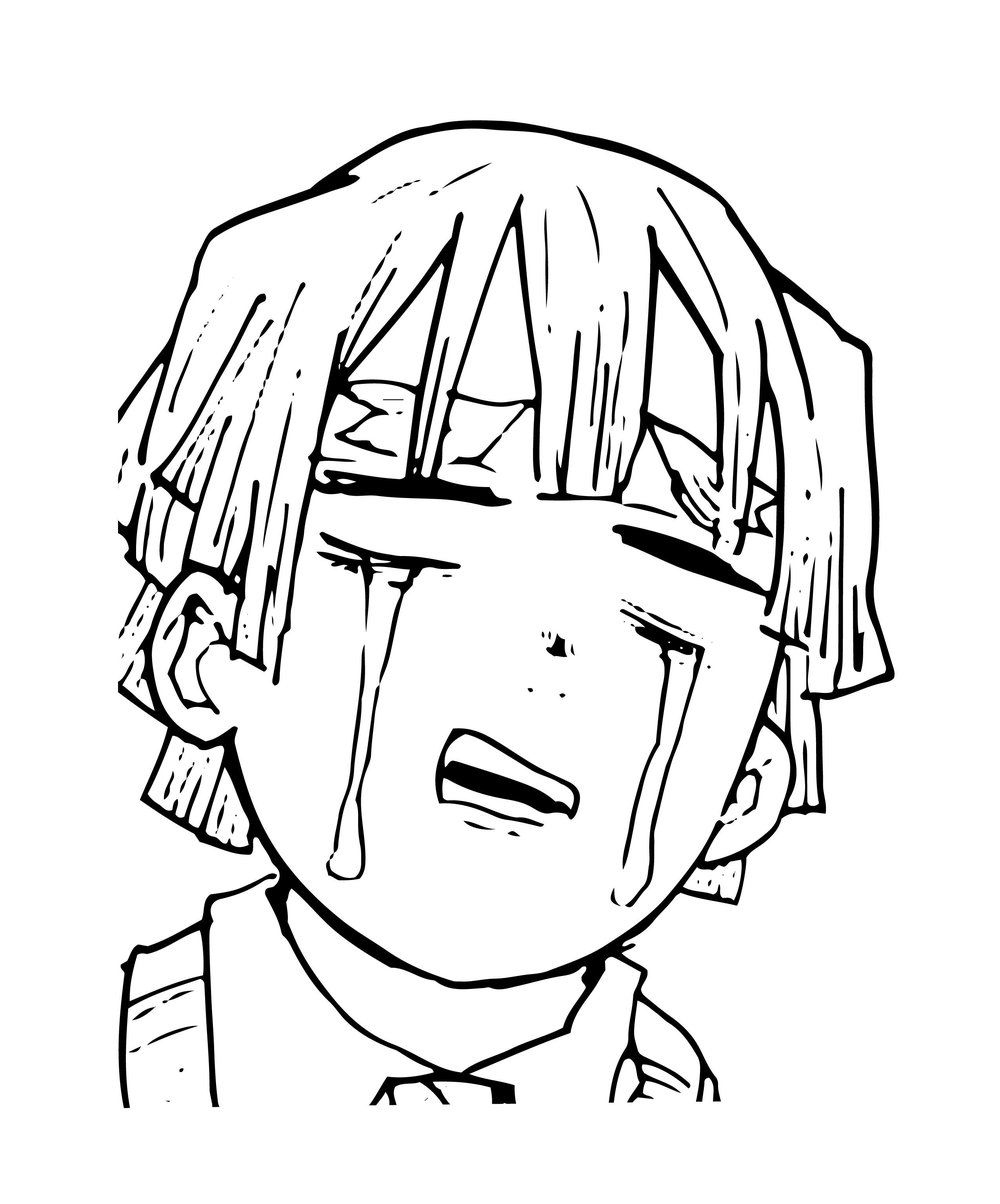
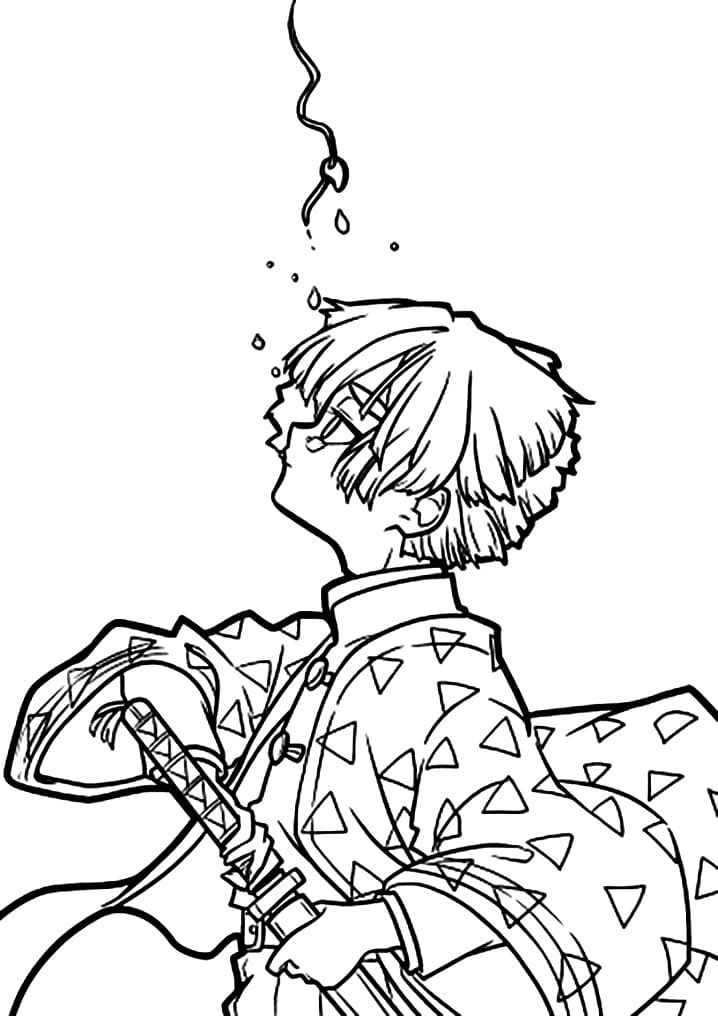
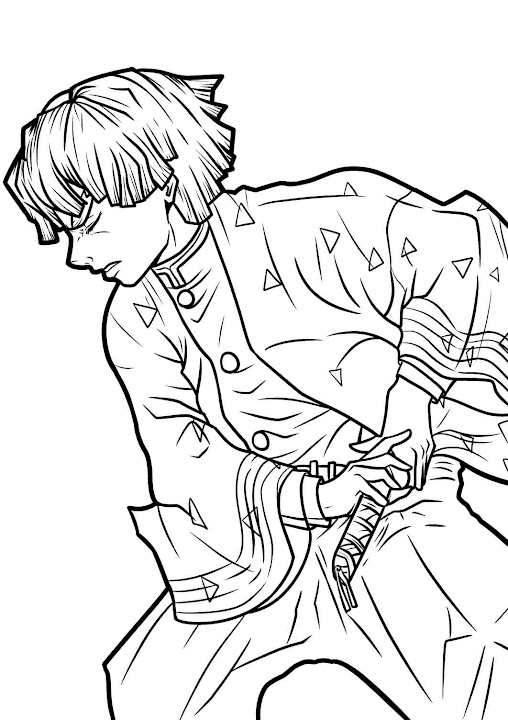
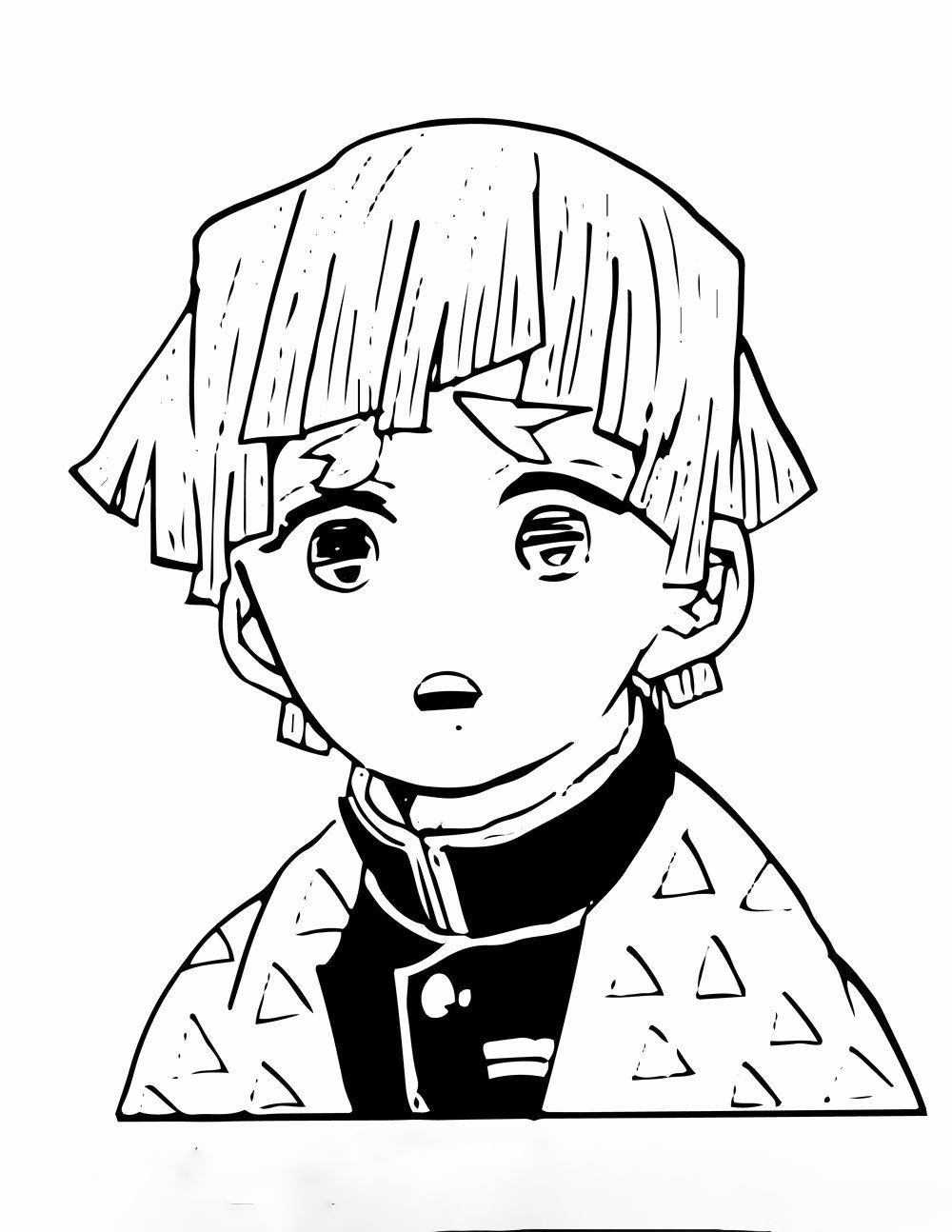
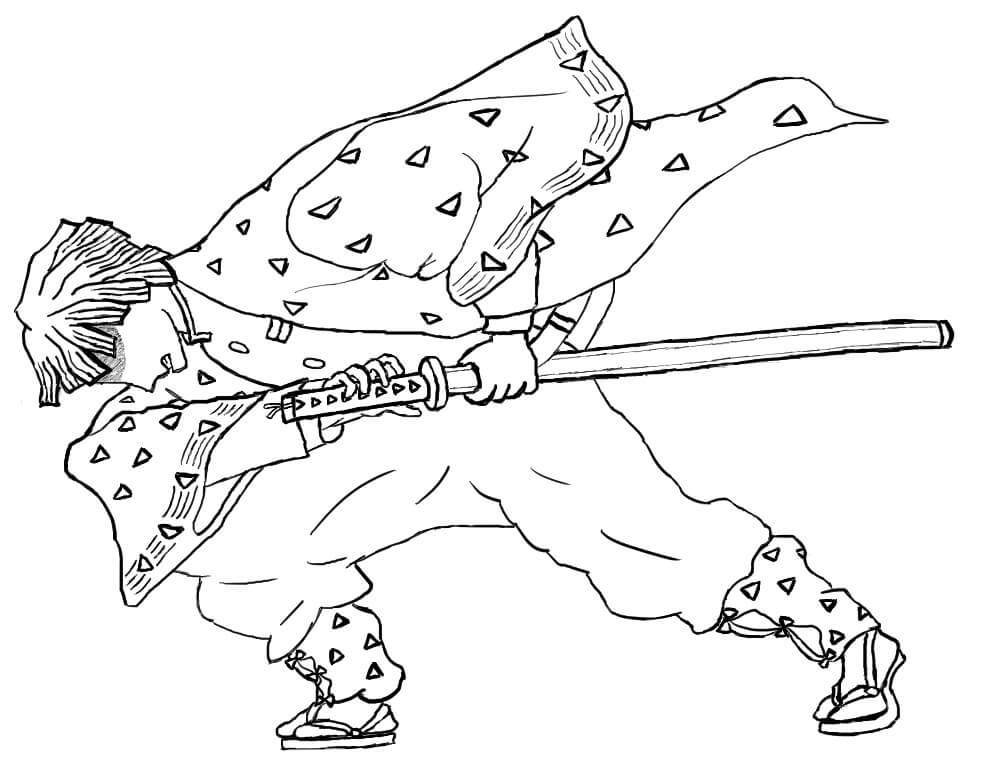
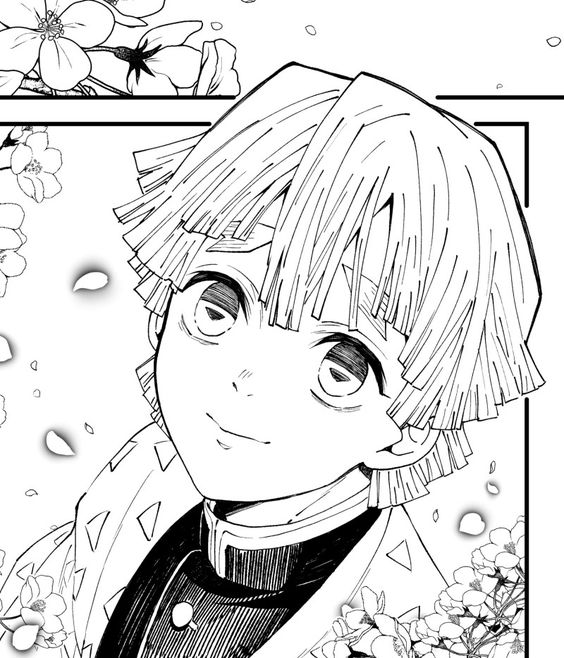
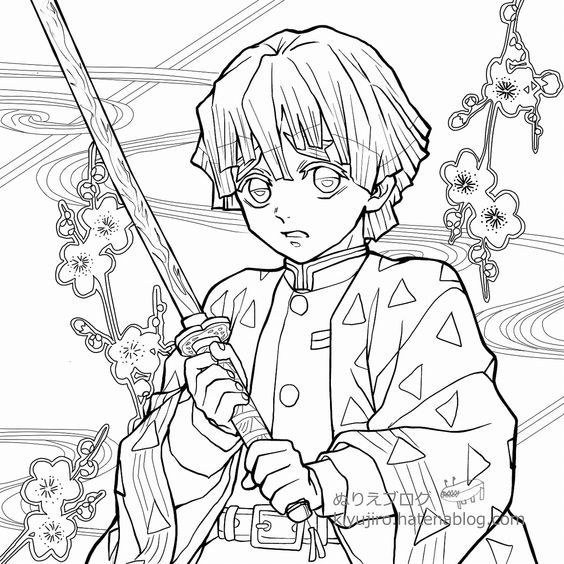
The set captures both sides of Zenitsu, the panicked boy who cries before every fight and the focused swordsman who strikes like lightning, plus chibi pages and scenes with his friends.
Emotional Portraits
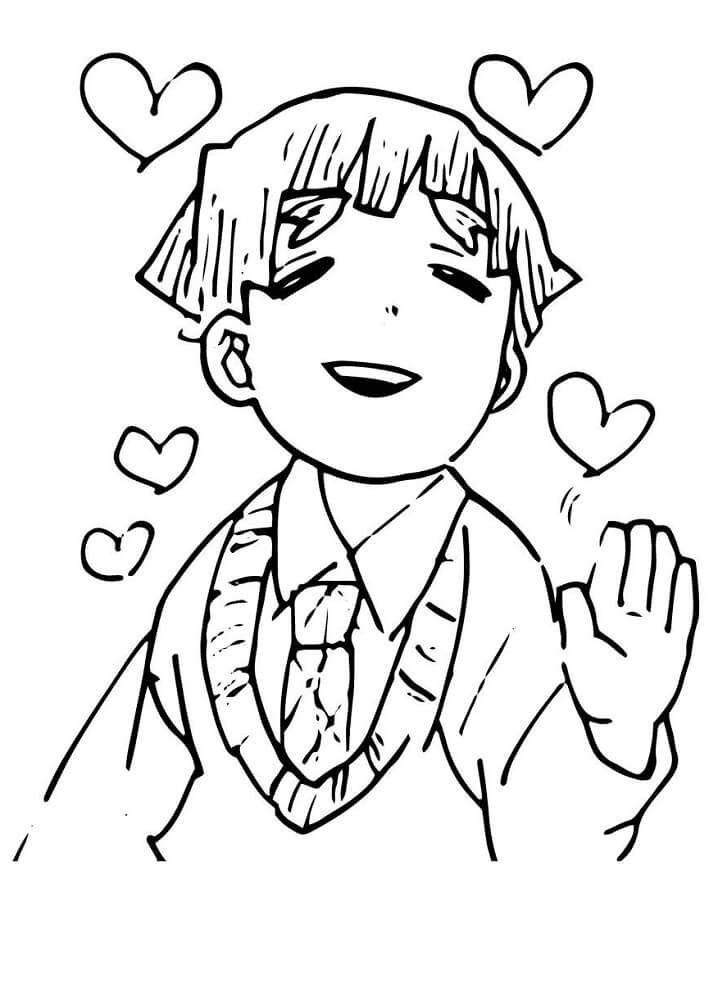
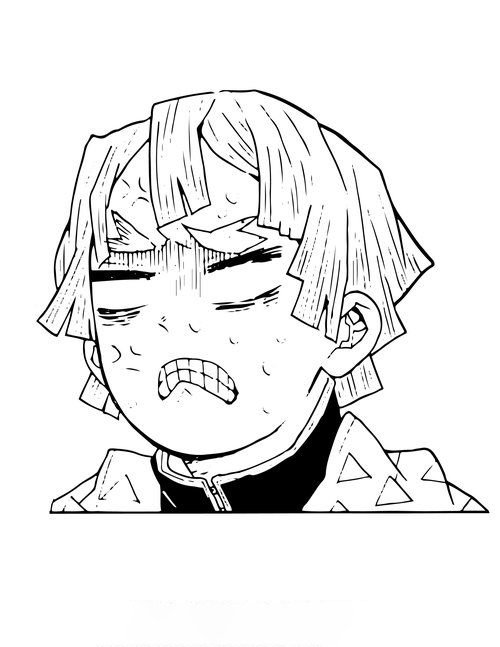
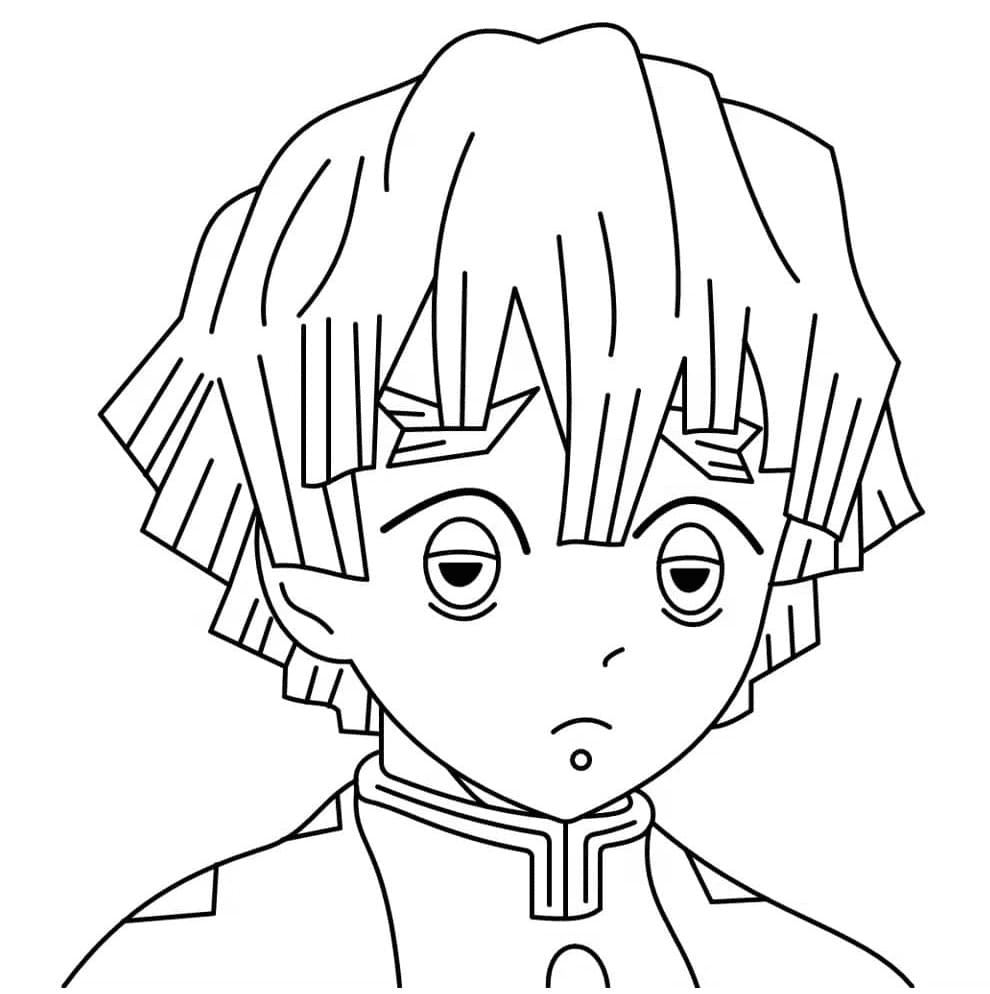
The largest group shows Zenitsu awake and full of feeling, from scared and crying to happy, smiling, and starry-eyed in pages like Zenitsu Agatsuma In Love. Color his hair Lemon Yellow, fading to Orange at the ends, give his eyes a warm Goldenrod, and keep tears a pale Sky Blue so they stand out on his face.
Thunder Breathing Action
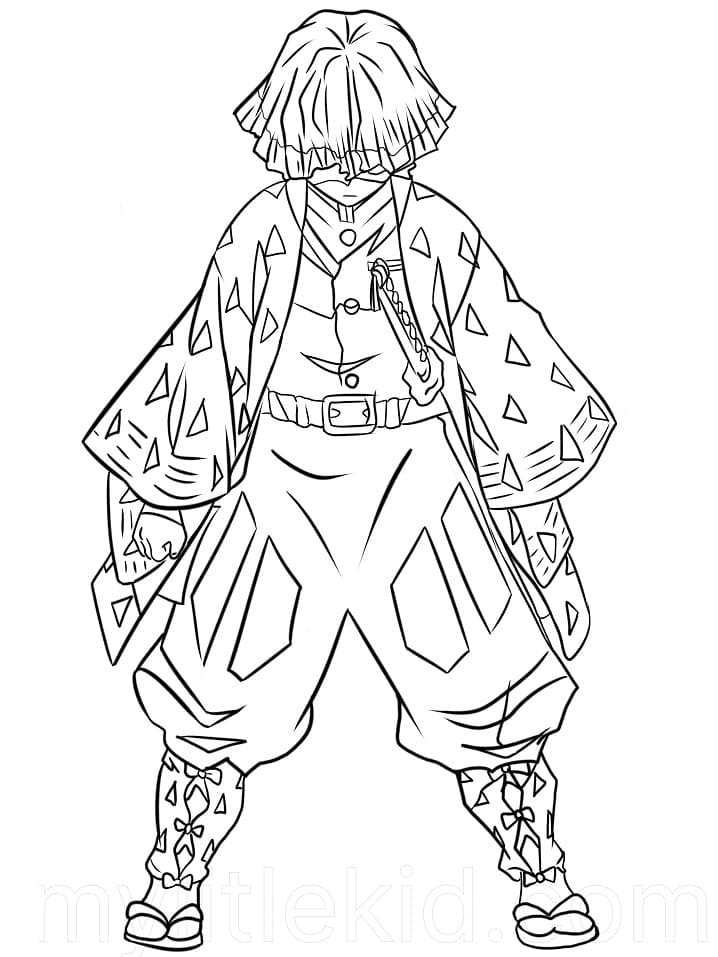
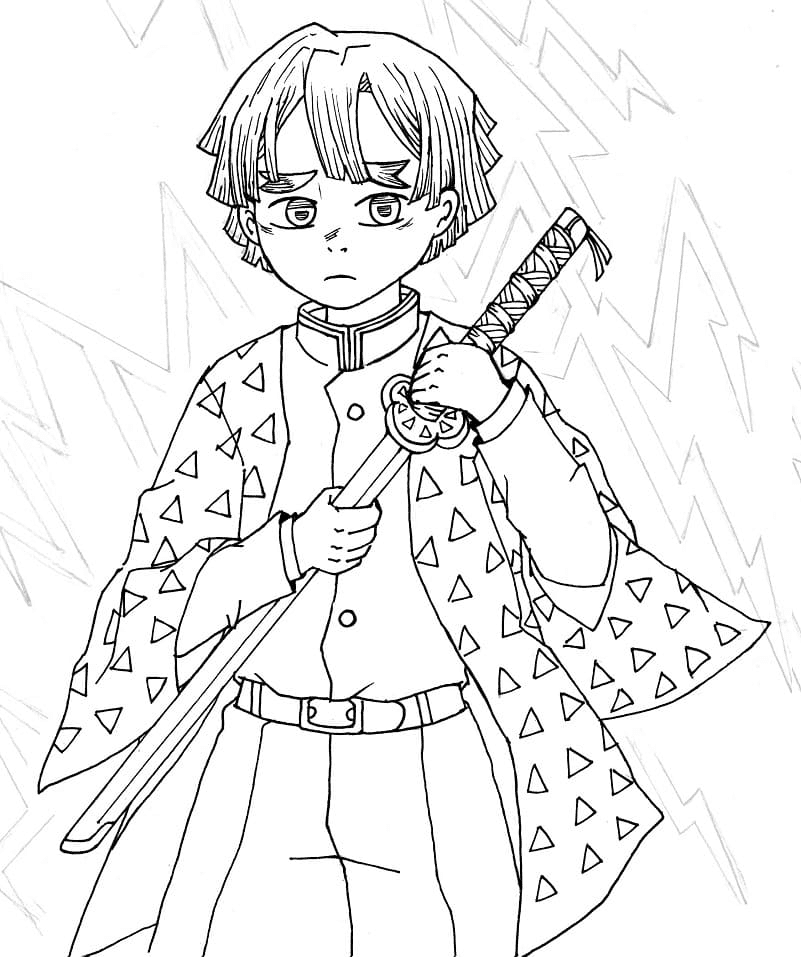
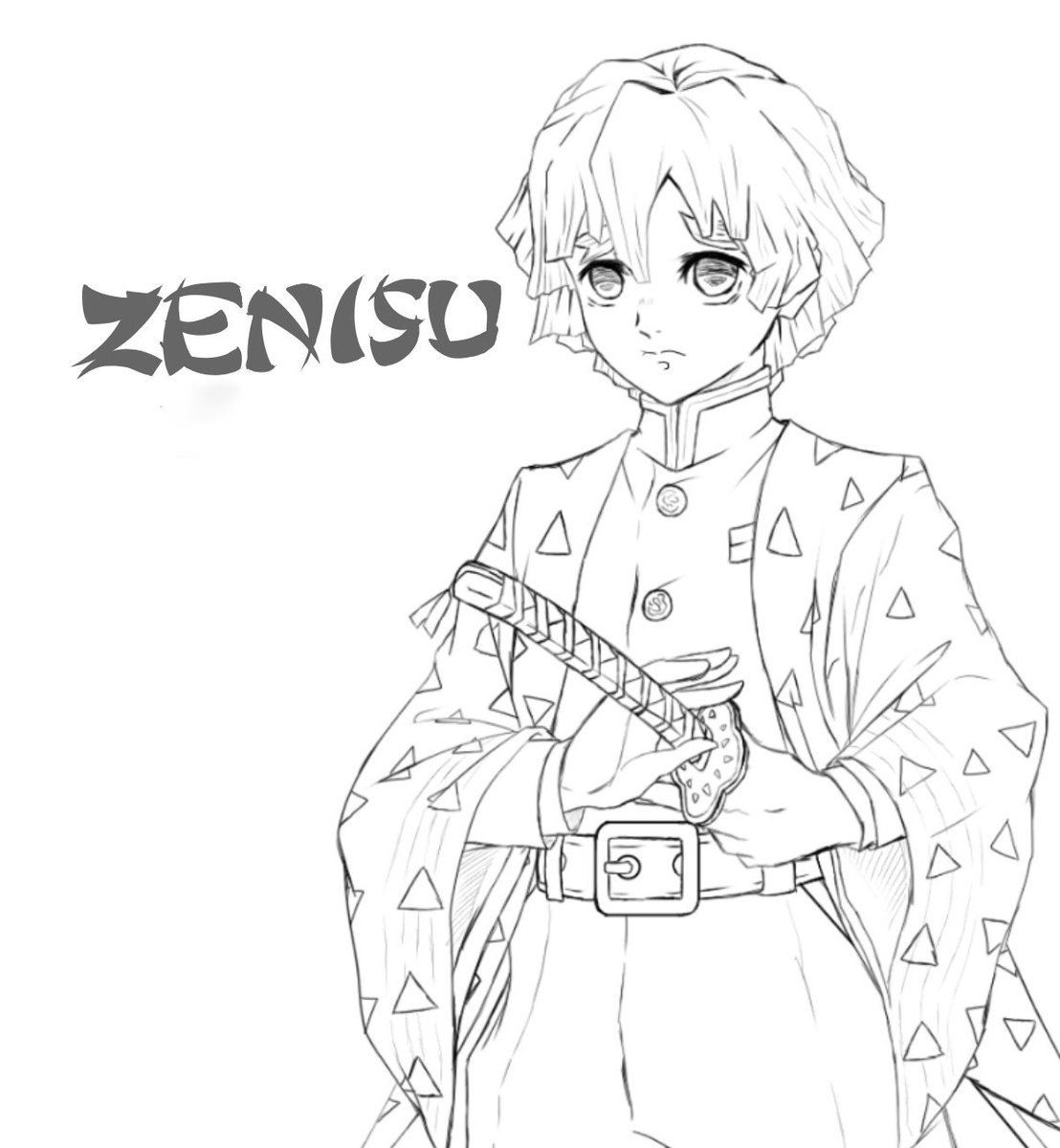
Pages such as Zenitsu’s Power and Bushido Zenitsu show him in battle, sword drawn and calm, with lightning crackling around him. Leave the center of each lightning bolt paper white, edge it in bright Yellow, and color his sword blade Yellow so it matches the energy around it.
Chibi Zenitsu
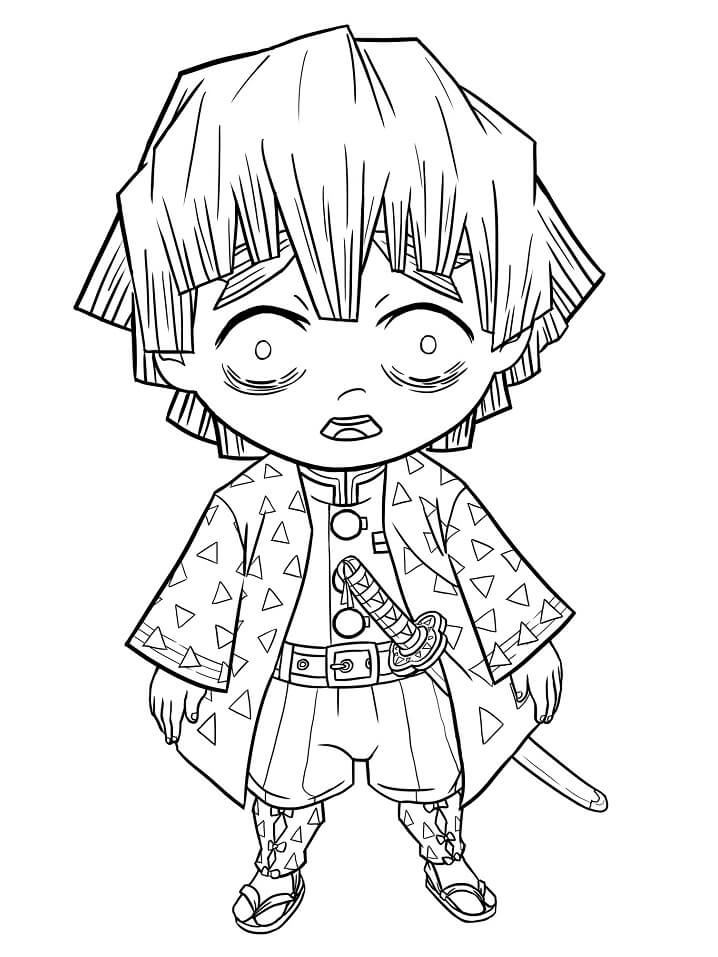
The chibi pages turn Zenitsu into a round, big-headed version with simple shapes and oversized expressions. His haori triangles become larger and fewer at this size, so blocks of Yellow and Orange with clean white triangles are easy for younger fans to finish.
Zenitsu With Friends
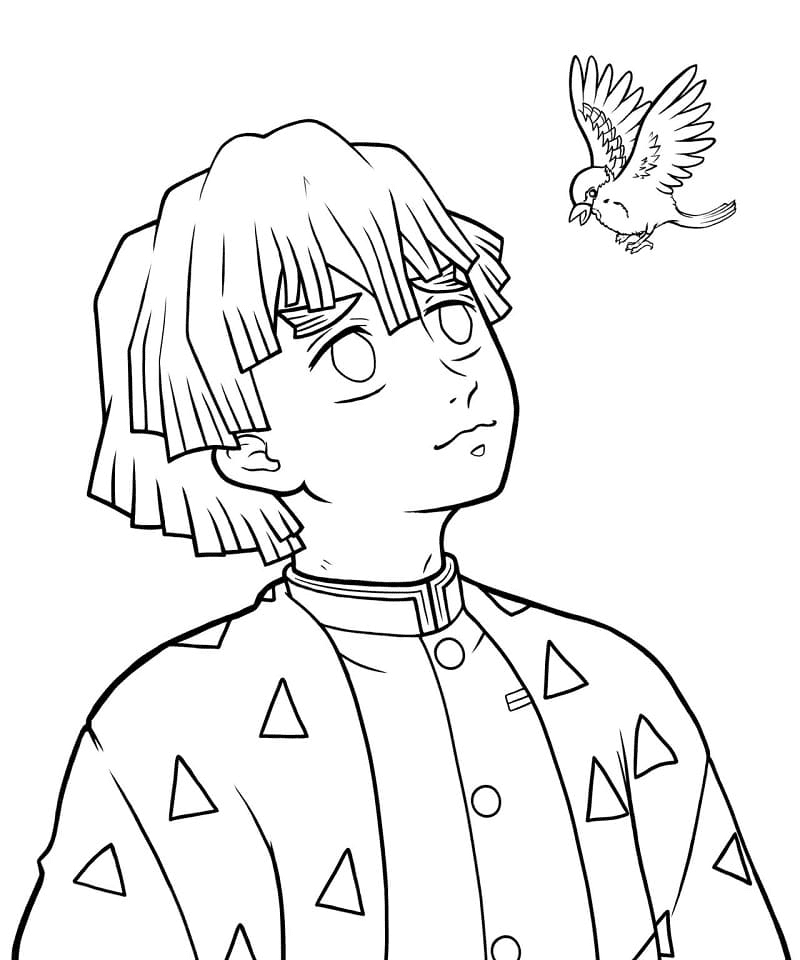
Paired pages show him with Nezuko, with Inosuke, and with his small sparrow companion, while a group page brings in more of the Demon Slayer cast. Give Nezuko’s kimono Carnation Pink, color Inosuke’s boar head in Gray and Tan, and use soft Brown and Tan for the sparrow, so each friend stands apart from Zenitsu’s bright yellows.
Special Pages
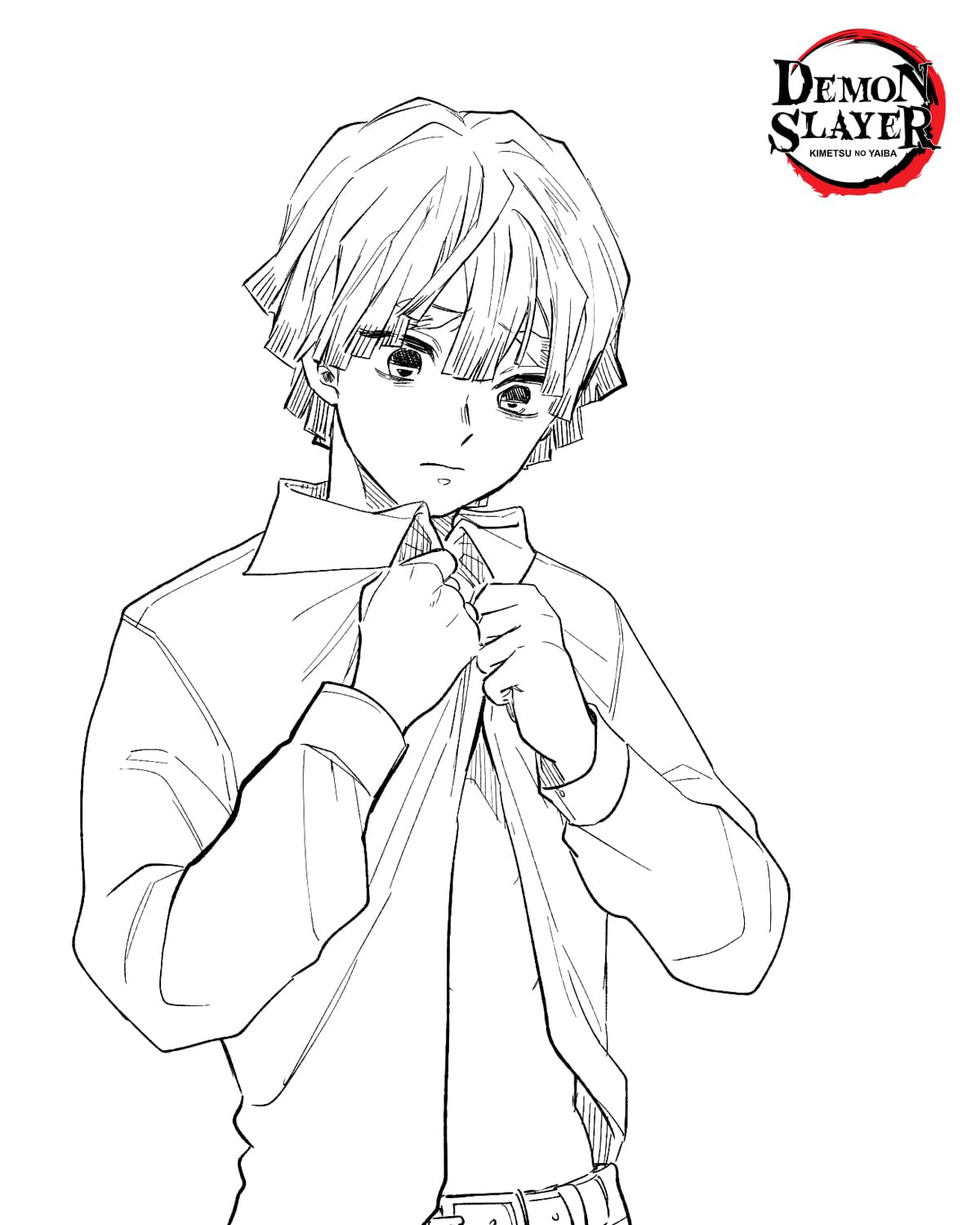
The collection also includes a high school alternate universe page that places Zenitsu in a modern school uniform, along with a few group designs. Keep his signature hair color the same on every version so he stays recognizable, no matter what he is wearing.
What Zenitsu Coloring Pages Do
Fear and courage are in the same character. Zenitsu is famous for being terrified, yet he still shows up for every mission and protects his friends when it matters. Coloring his crying pages next to his action pages gives kids a simple way to talk about how being scared and being brave can belong to the same person.
Fine motor practice with a repeating pattern. The American Academy of Pediatrics lists fine motor development as a core benefit of structured coloring for children ages 2 through 7. Zenitsu’s haori, covered in small white triangles, is a natural workout for that control, while the chibi pages offer the same pattern in larger shapes for younger hands.
A calming, rhythmic task. In 2005, a study in the Art Therapy Journal reported measurable reductions in anxiety after structured coloring sessions. Filling triangle after triangle on Zenitsu’s haori has an easy, repetitive rhythm that suits a calm, focused coloring session.
Practice with warm gradients. Zenitsu’s hair and haori both shift from yellow to Orange, giving colorists repeated chances to blend warm colors smoothly. That same skill transfers directly to sunsets, flames, and autumn leaves in any other coloring project.
How to Color Zenitsu Coloring Pages
- The haori gradient is the most important color work in the set. The yellow-to-black transition should be gradual and warm: start with golden yellow at the shoulders, move through orange-yellow and ochre in the mid-section, and end in deep charcoal or near-black at the hem. A hard line between yellow and black, rather than a smooth gradient, loses the signature look entirely.
- Keep the teal combat markings cool and distinct. On battle pages, Zenitsu’s teal facial markings are a specific cool teal that contrasts with the warm yellows of everything else on the page. They should not warm up toward green or desaturate toward grey. The contrast between warm yellow and cool teal is what makes the battle design read as intense.
- The yellow Nichirin Sword reads warm, not metallic. Zenitsu’s Thunder Breathing-attuned Nichirin Sword is yellow, not silver. It should be warm golden-yellow, slightly lighter than his hair, not the cool grey of a standard sword.
- On lightning pages, work light to dark. Start with the brightest white-yellow at the lightning’s center point and work outward to a more saturated yellow at the edges. Adding a faint yellow glow to the background immediately around the lightning amplifies the effect significantly.
5 Creative Craft Ideas with Zenitsu Coloring Pages
1. Awake vs. Asleep Display
Color a crying or scared Zenitsu page and an action or power Zenitsu page side by side using the same palette. Label them: “Before” and “During.”
The same character, the same colors, two completely different states. Takes about twenty-five minutes.
2. Thunder Trio with Tanjiro and Inosuke
Color the Inosuke and Zenitsu page alongside the Tanjiro pages from the Tanjiro Coloring Pages set. Arrange the three as a Demon Slayer Corps trio display.
The series’s three core protagonists are a matched display. Takes about thirty minutes.
3. Zenitsu Chibi Emotion Set
Color four or five chibi Zenitsu pages showing different expressions: crying, happy, scared, angry, and in love. Arrange them in a row.
A chibi emotion chart using the series’s most emotionally expressive character. Takes about twenty-five minutes.
4. Lightning Action Poster
Color the Action Zenitsu or Zenitsu’s Power page as a standalone poster, treating the lightning effects and dark background as a deliberate design choice—Mount on a black card.
Zenitsu’s combat state is a display piece. Takes about twenty minutes.
5. Zenitsu and Nezuko Paired Display
Color the Zenitsu and Nezuko page, keeping Nezuko’s warm pinks against Zenitsu’s warm yellows and the black of both their haori designs.
Two characters whose shared warmth of palette reflects their warm relationship in the series. Takes about twenty minutes.
FAQ About Zenitsu Coloring Pages
Are these Zenitsu coloring pages free, and can I color them online?
Yes. Every page is free, with no account, email, or payment required. Download the PDF to print at home, or open it in the online coloring tool to color on screen.
Who is Zenitsu Agatsuma?
Zenitsu Agatsuma is a character from Demon Slayer: Kimetsu no Yaiba, the manga series by Koyoharu Gotouge that began serialization in Weekly Shonen Jump on February 15, 2016. He is a Demon Slayer Corps member who practices Thunder Breathing. Despite appearing cowardly and panicked in everyday situations, he is capable of extraordinary combat speed and power when fighting in an unconscious state.
What is Zenitsu’s Thunder Breathing?
Thunder Breathing is a Breathing Style that replicates lightning in both speed and power. Zenitsu mastered only one technique, the First Form: Thunderclap and Flash, but has refined it to such an extreme level that it allows him to move at speeds that appear invisible to the human eye. His Nichirin Sword turns yellow in response to his Thunder Breathing style.
Why does Zenitsu only know one technique?
Zenitsu failed to master any technique beyond the First Form during his training under former Thunder Hashira Jigoro Kuwajima. He considered this a failure and a source of ongoing shame. However, his complete mastery of a single technique to an extraordinary level became one of his defining characteristics and, ultimately, one of his greatest strengths.
What is the significance of Zenitsu’s haori pattern?
Zenitsu’s haori features a yellow-to-black gradient pattern that represents his Thunder Breathing style. In the Demon Slayer series, haori patterns are typically associated with a character’s lineage or style. Zenitsu’s gradient haori visually connects him to his thunder-based abilities even when he is not in combat.
Who is Zenitsu’s small bird companion?
Zenitsu’s Kasugai Crow, the messenger bird assigned to Demon Slayer Corps members, is depicted as a small sparrow rather than the standard crow. This was because Jigoro Kuwajima felt a crow was too much for Zenitsu to handle. The sparrow appears on two pages in the set.
Are these official Zenitsu coloring pages?
No. These are fan-made coloring sheets for personal use and are not affiliated with, licensed by, or endorsed by Koyoharu Gotouge, Shueisha, Aniplex, ufotable, or any other rights holder of Demon Slayer: Kimetsu no Yaiba.
What age group are these pages best suited for?
Demon Slayer is rated for audiences aged 13 and up due to its action and dark themes. The coloring pages are appropriate for fans of the series from around age 8. Chibi pages work for younger children who enjoy the character designs without needing knowledge of the show.
Start Coloring
Download any page by clicking the design. No account, email, or payment is required. Pages print directly from the browser at full resolution or open in the online coloring tool for screen use. Share finished pages on Facebook or Pinterest using the share buttons at the top of each design page.