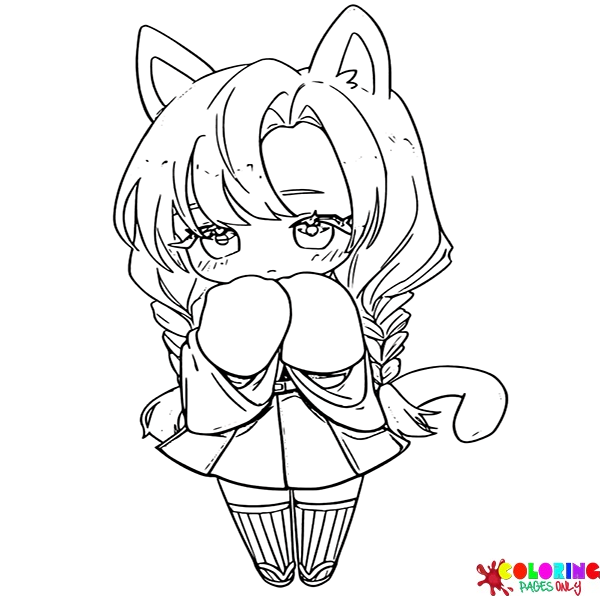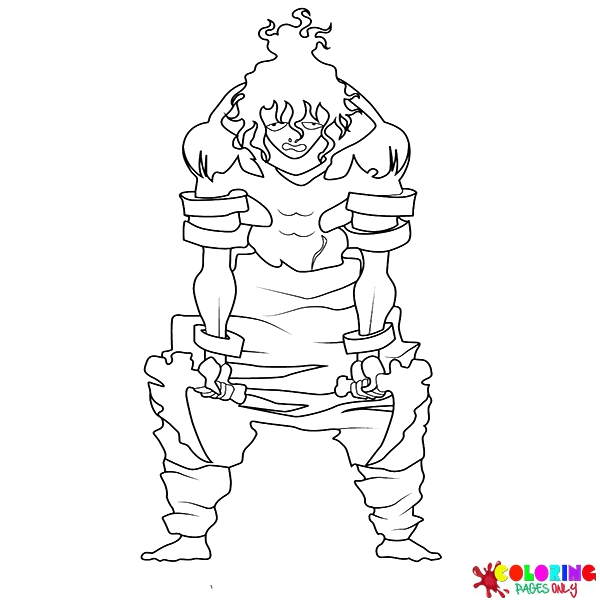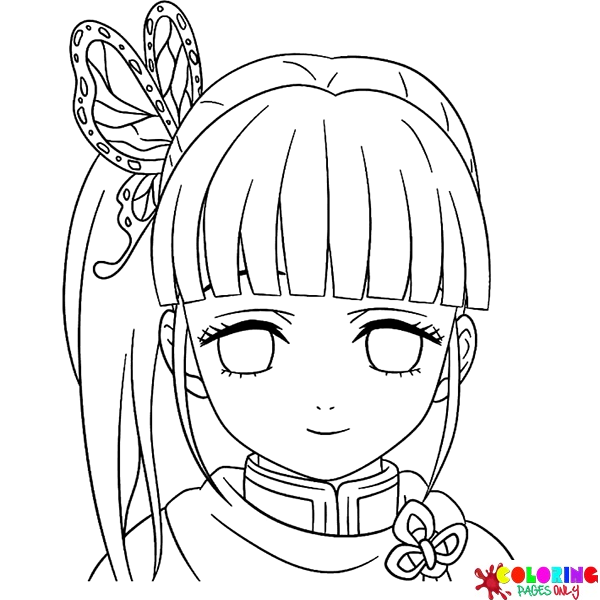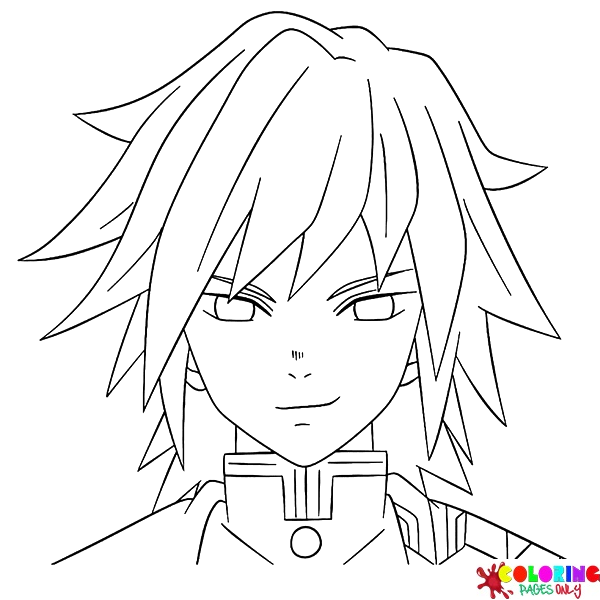

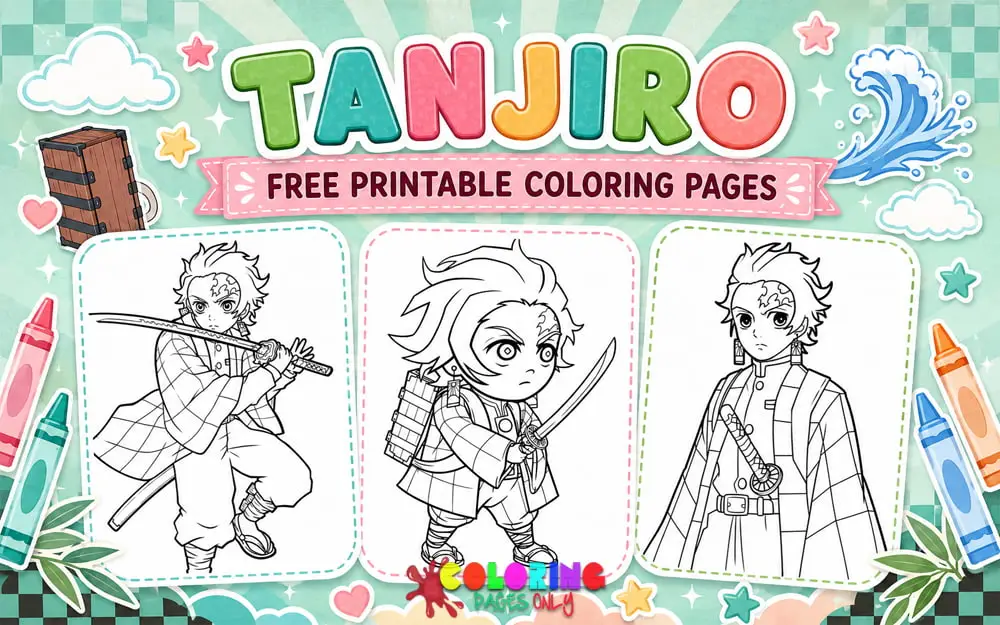
Free Tanjiro Coloring Pages: 61 printable PDF designs featuring Tanjiro Kamado from Demon Slayer: Kimetsu no Yaiba in action poses, chibi designs, paired scenes with Nezuko, and supporting characters including Kanao, Sabito, Sumiyoshi Kamado, and a four-character Demon Slayer group page. Every page is available to download as a PDF or color directly in the browser, with no account or payment required.
Tanjiro Kamado is the protagonist of Demon Slayer: Kimetsu no Yaiba by Koyoharu Gotouge, serialized in Weekly Shonen Jump from February 15, 2016. He is a Water Breathing and Hinokami Kagura practitioner who joins the Demon Slayer Corps to find a cure for his sister, Nezuko, who was transformed into a demon.
These pages suit Demon Slayer fans, anime coloring enthusiasts, and anyone looking for the most comprehensive single-character set in the series.
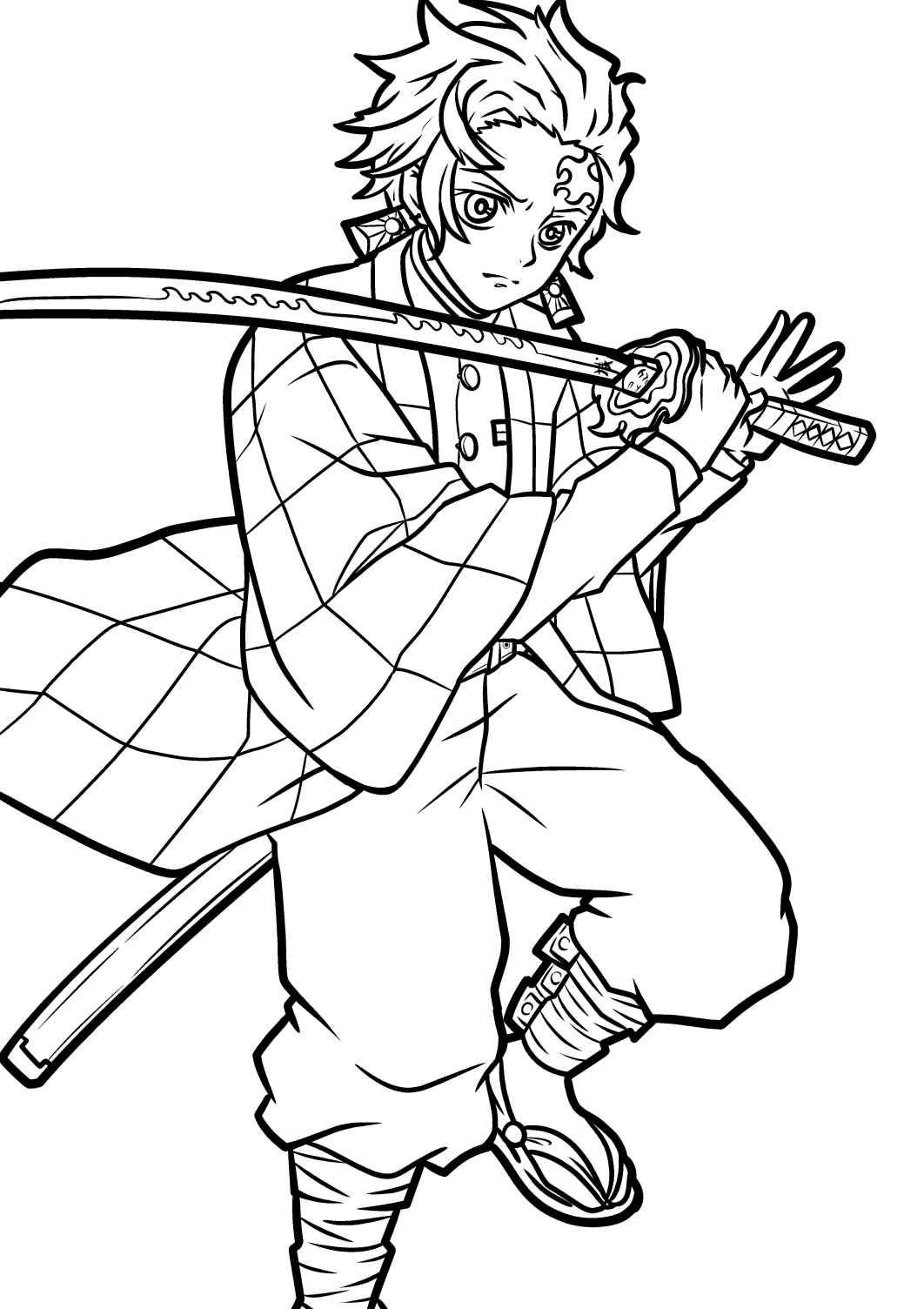
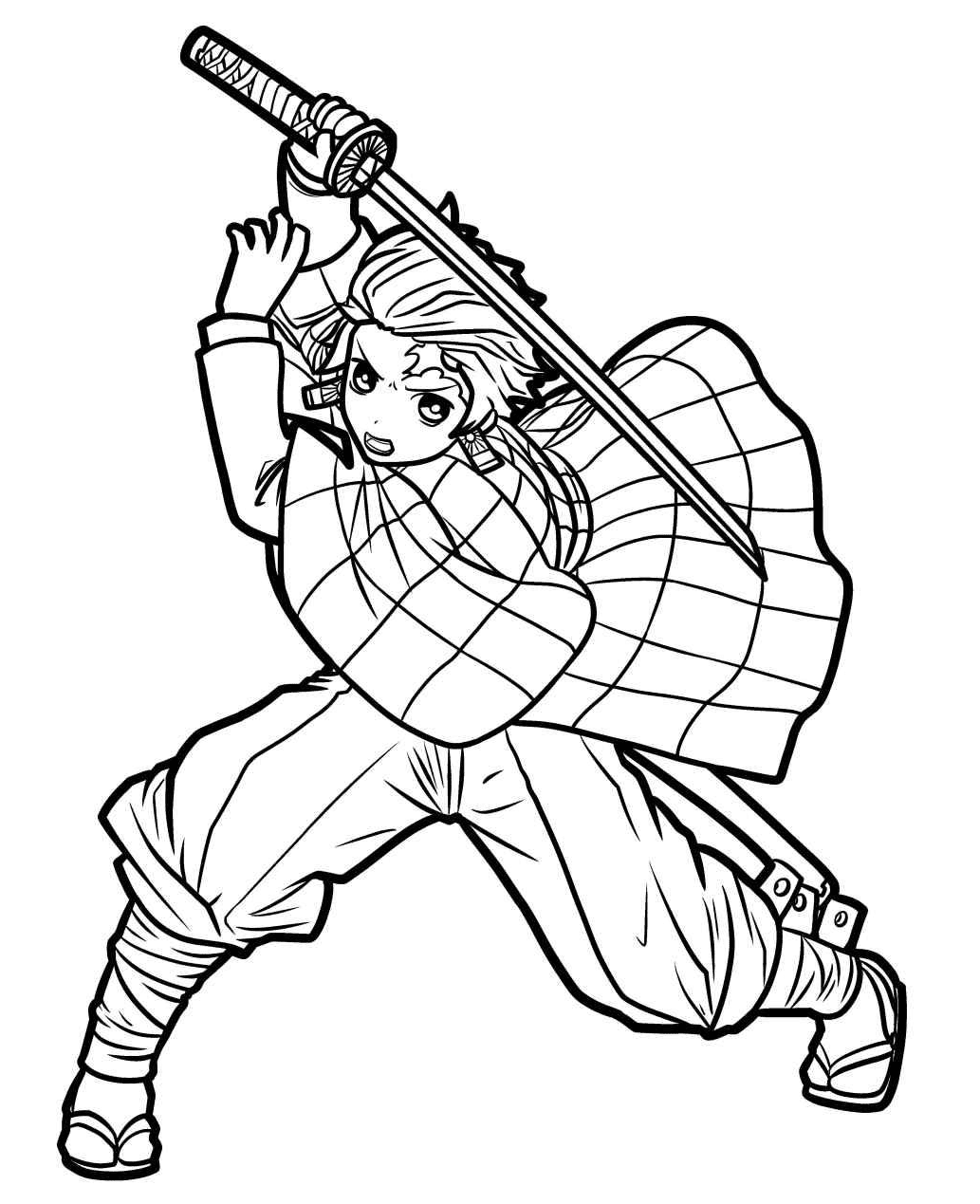
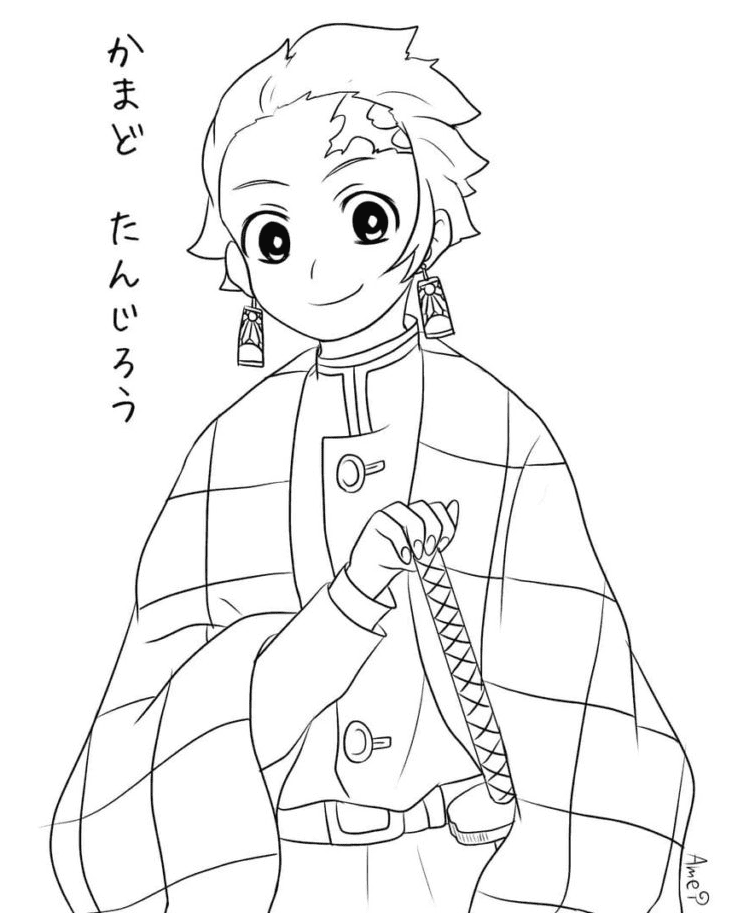
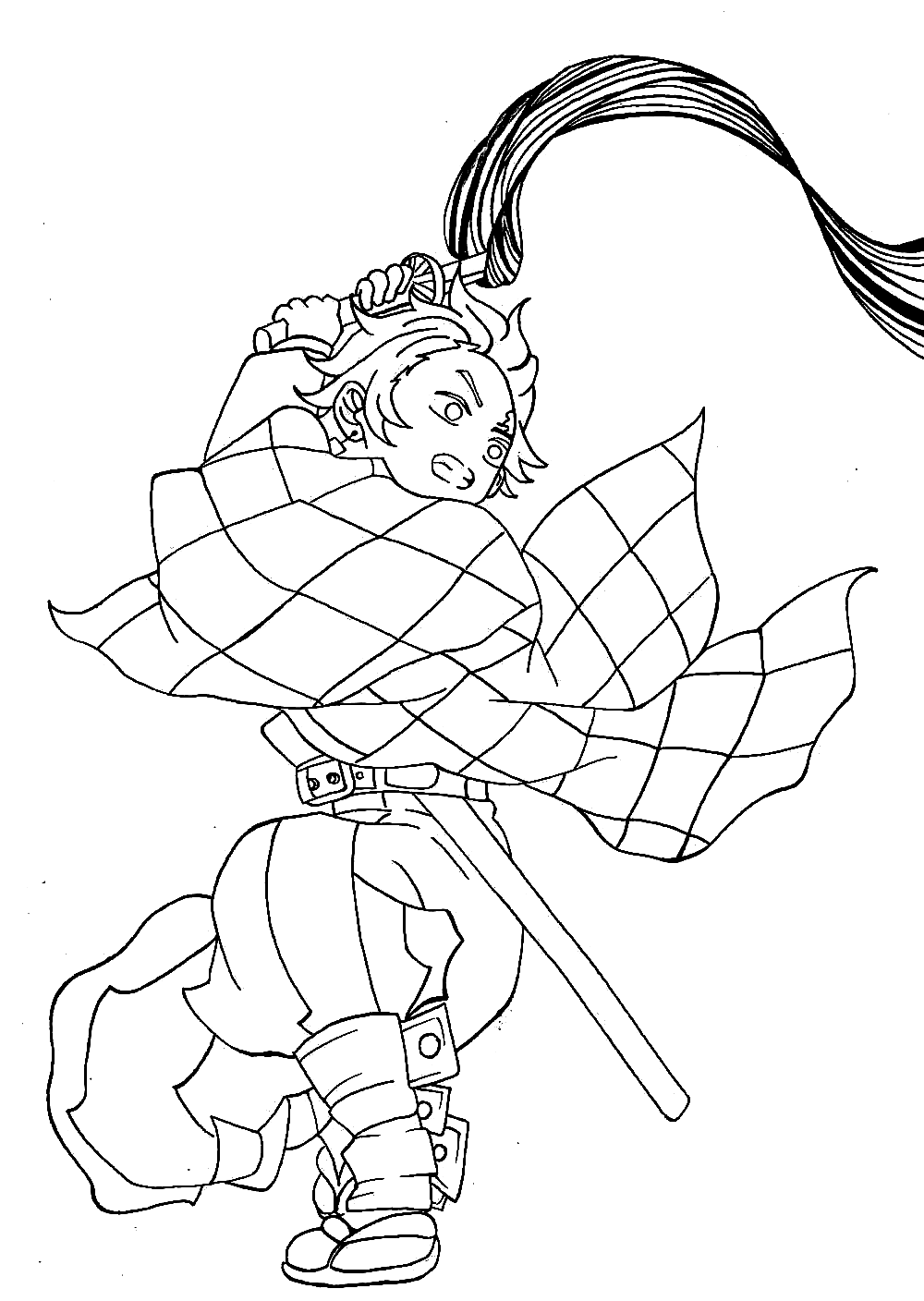
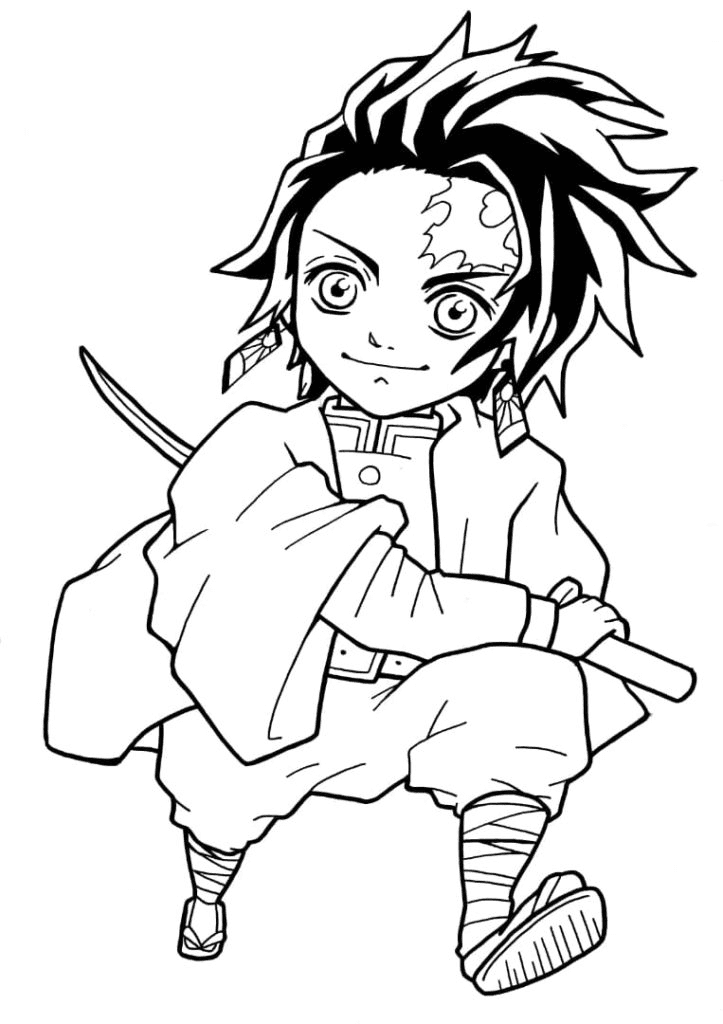
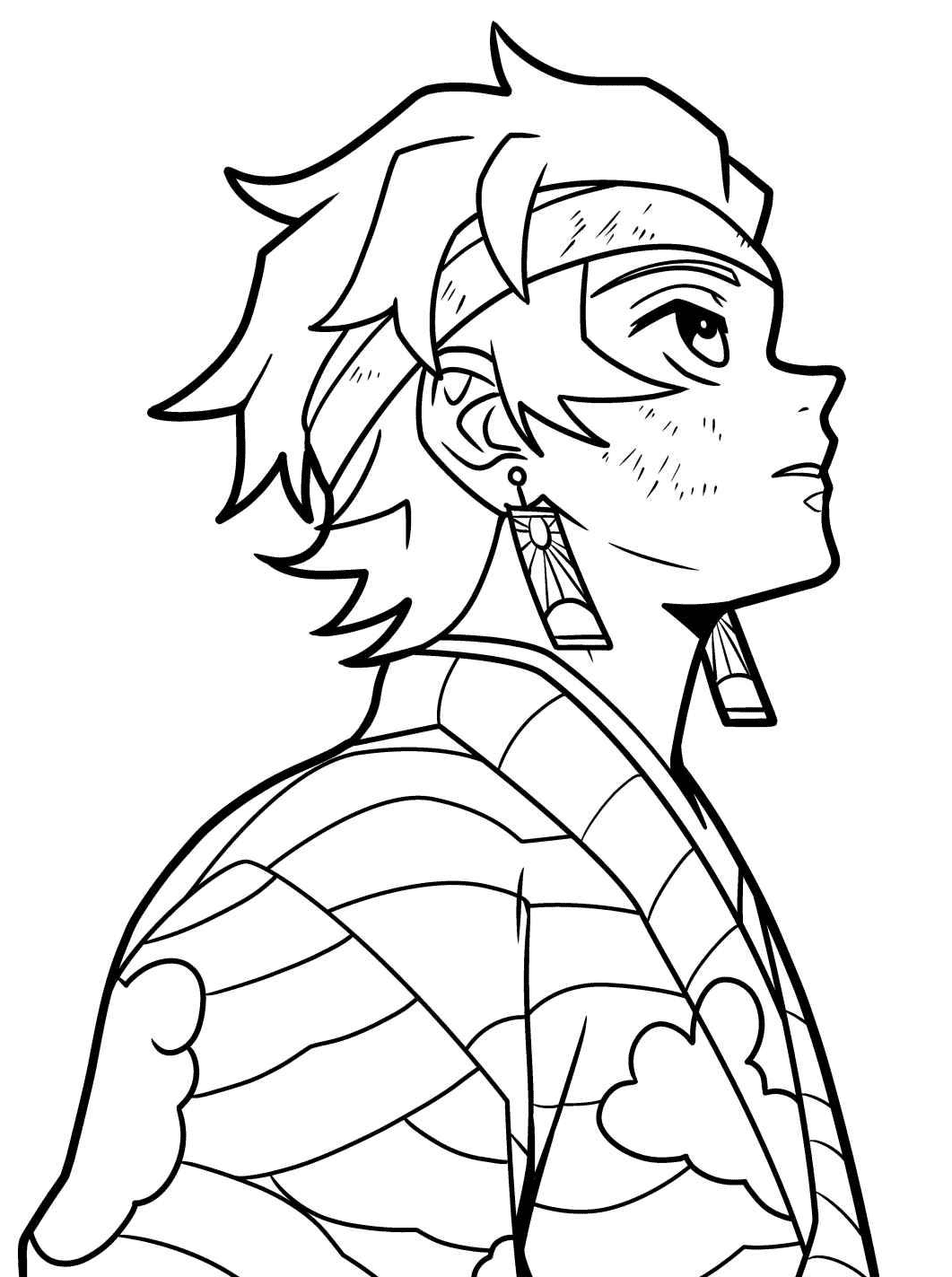
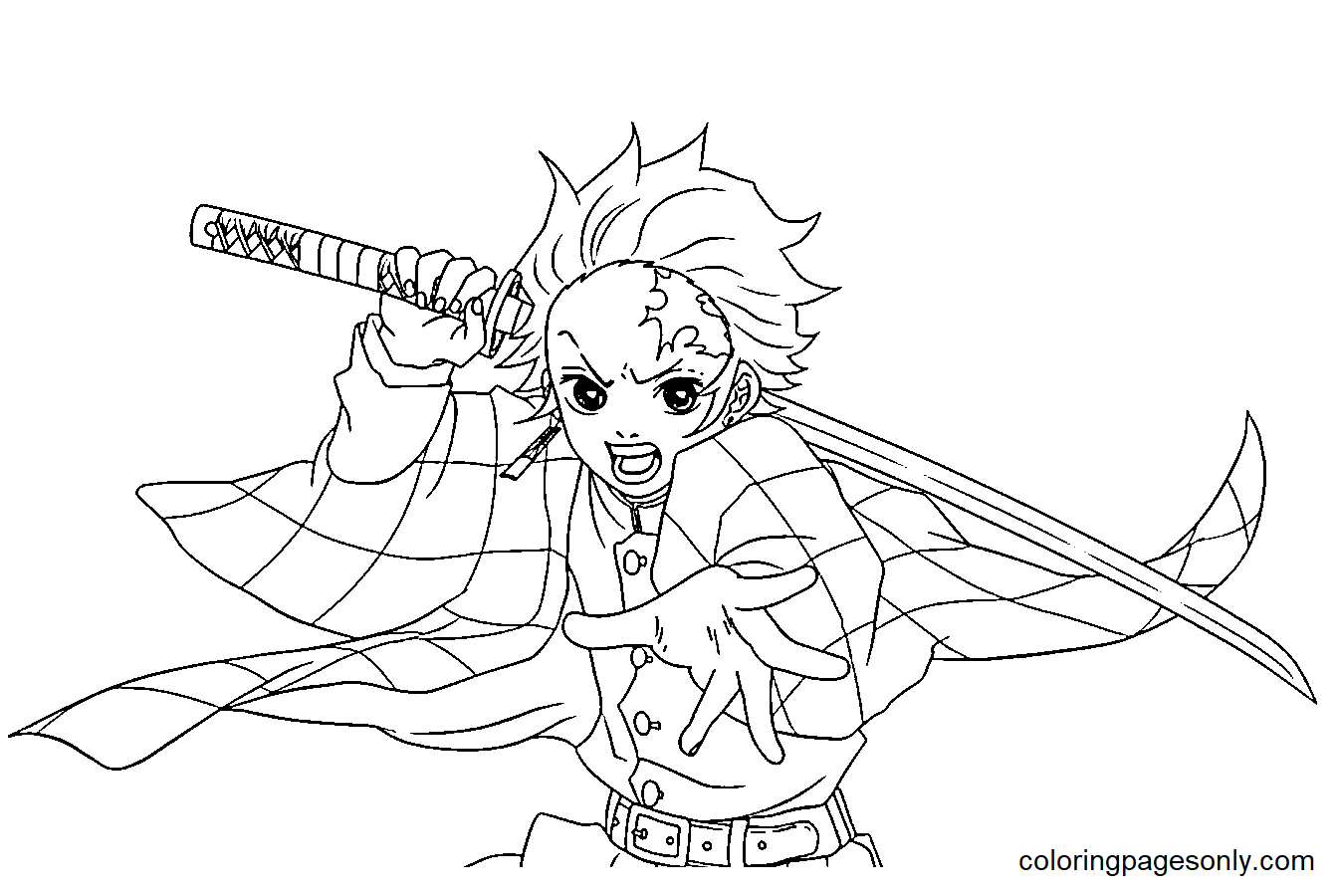
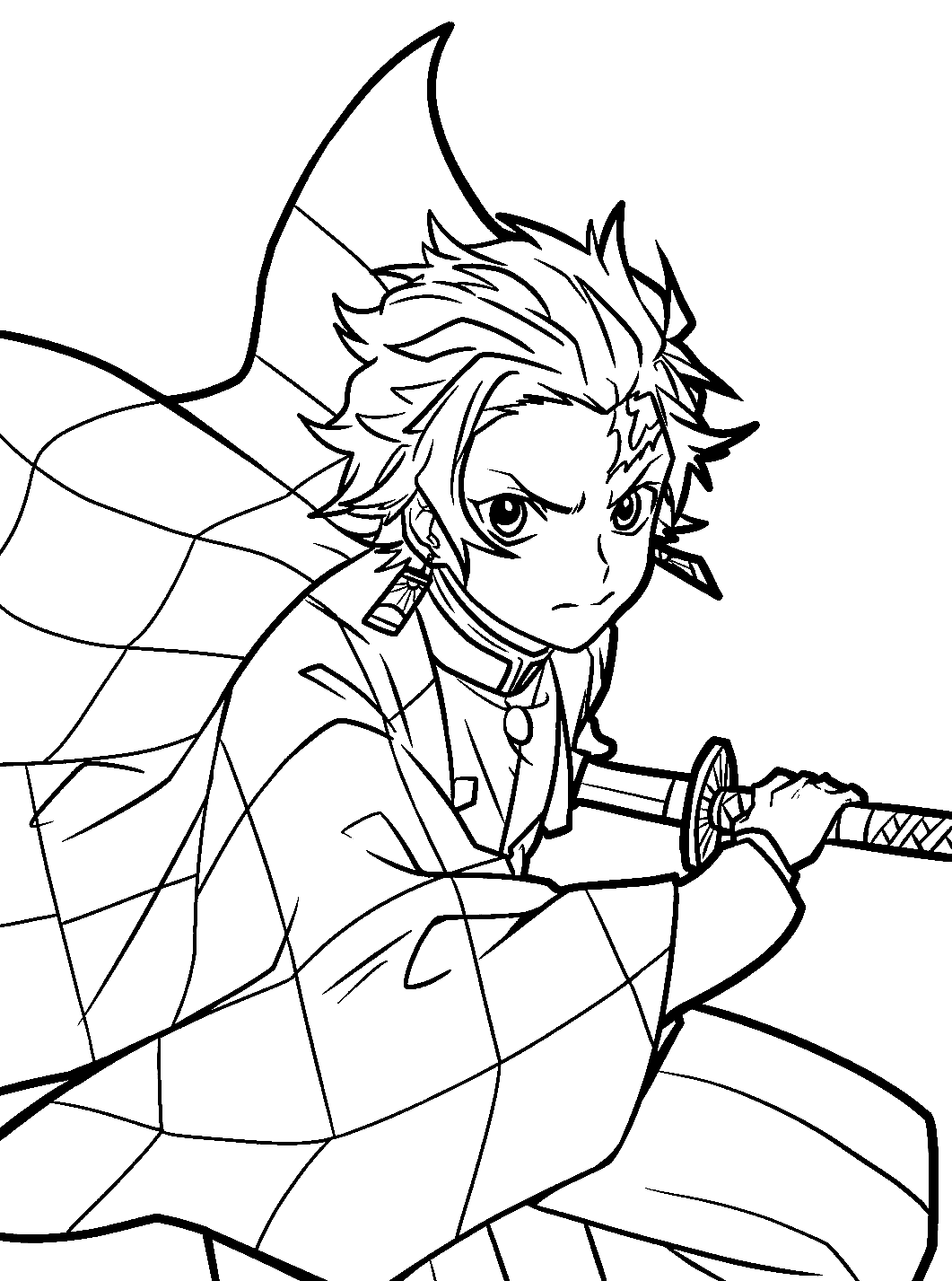
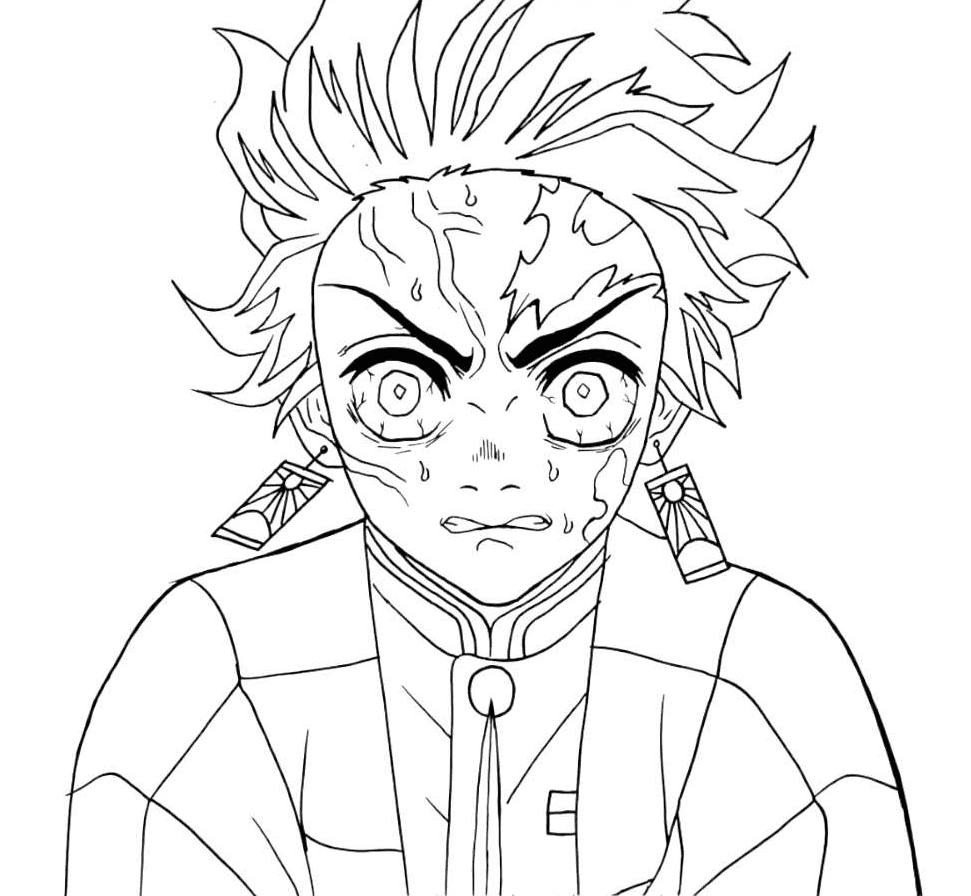
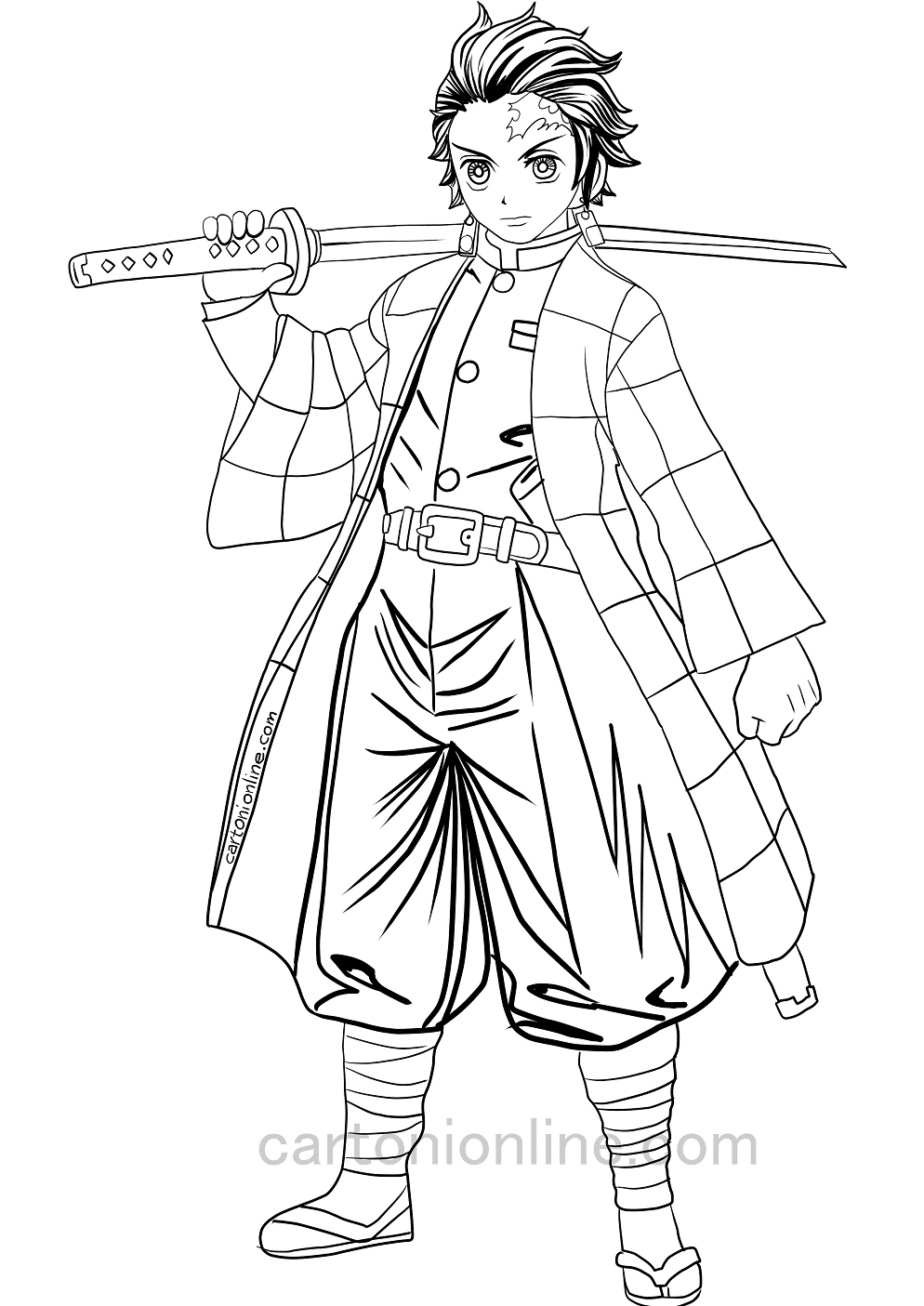
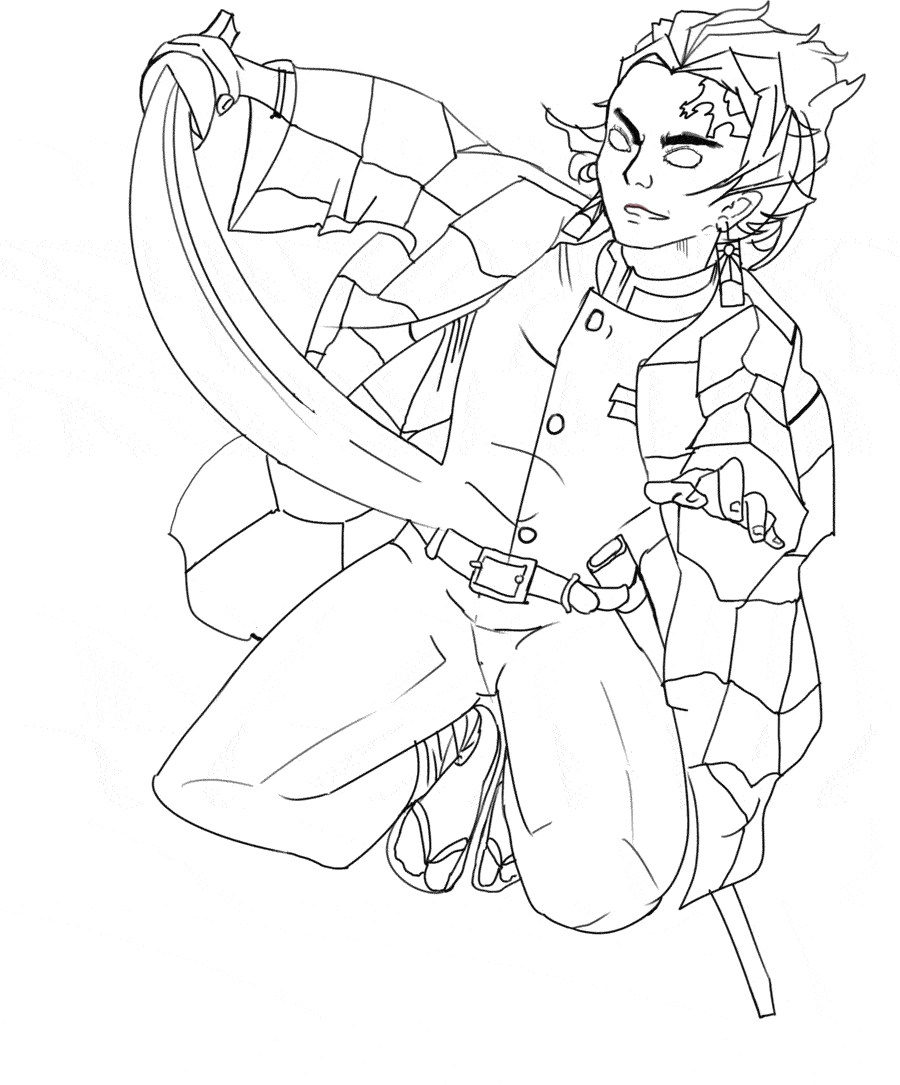
The coloring challenge that belongs only to this set is Tanjiro’s haori. The green-and-black checkered pattern appears on nearly every page he is in, and keeping the alternating squares even and consistently sized across folds and curved surfaces is the most demanding pattern work in the entire Demon Slayer collection.
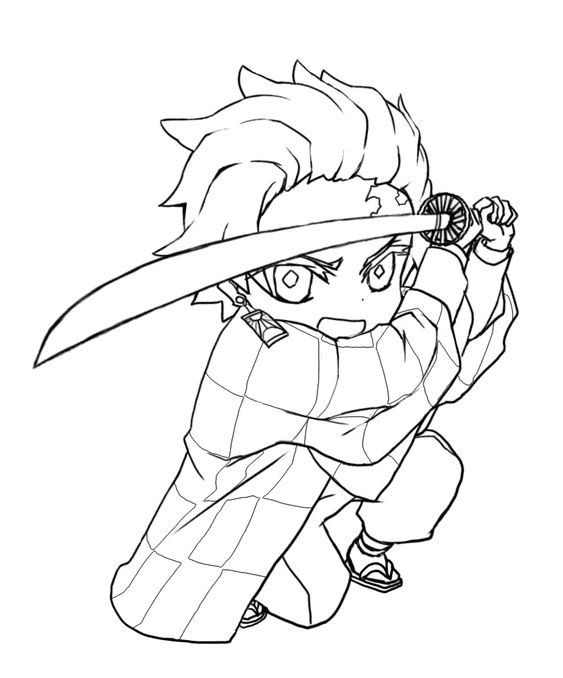
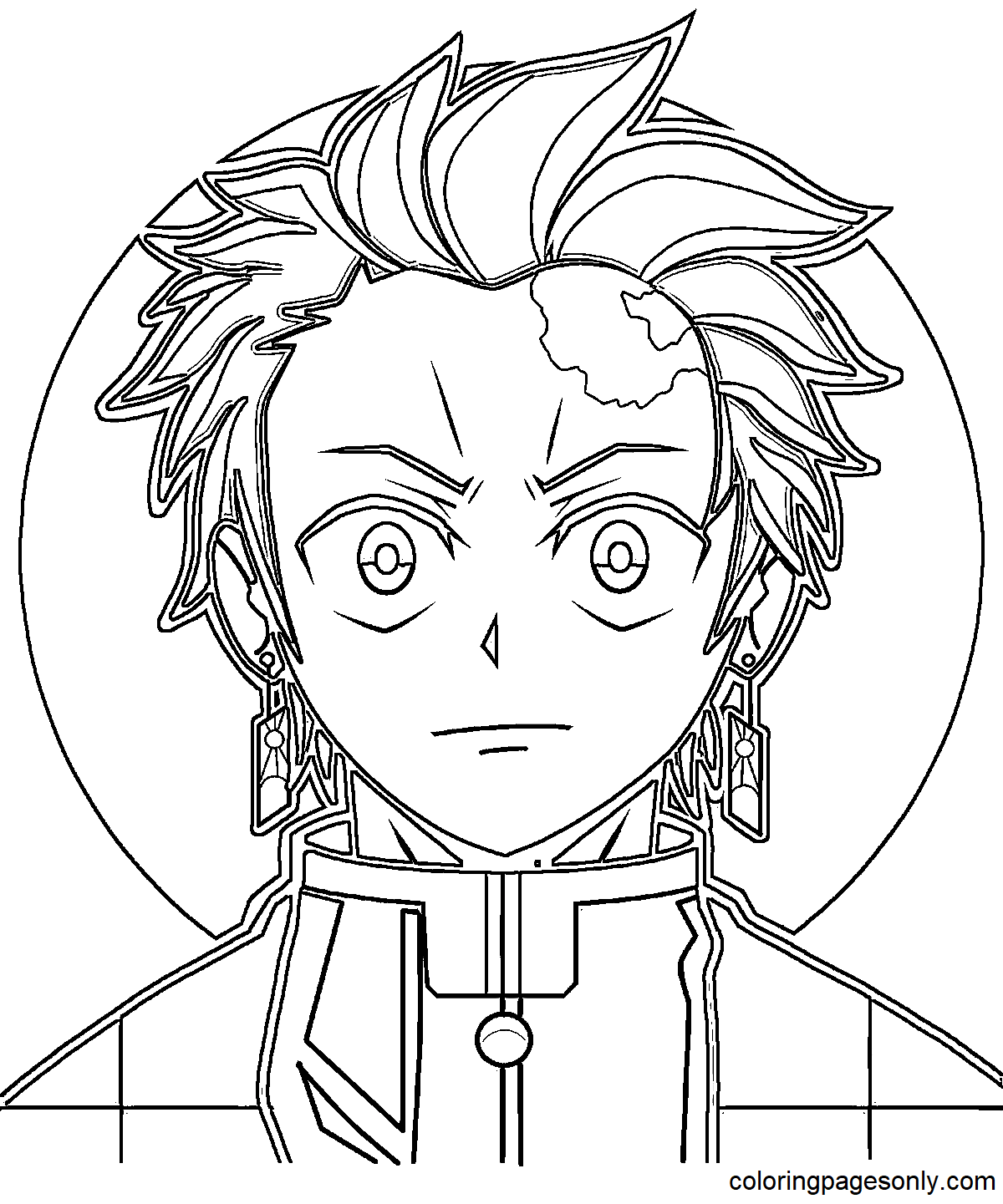
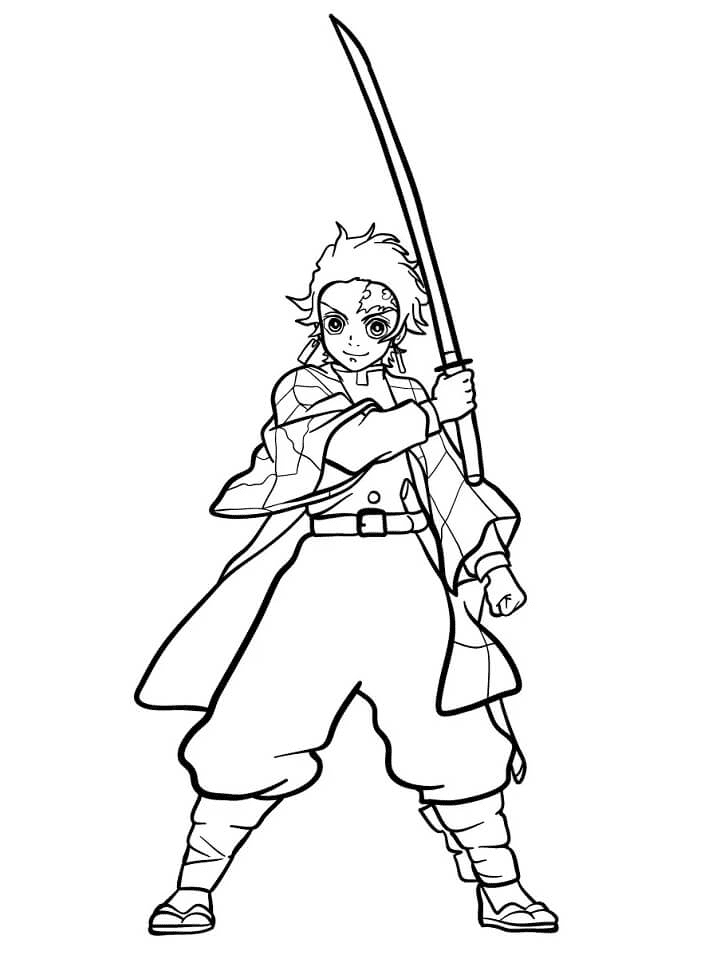
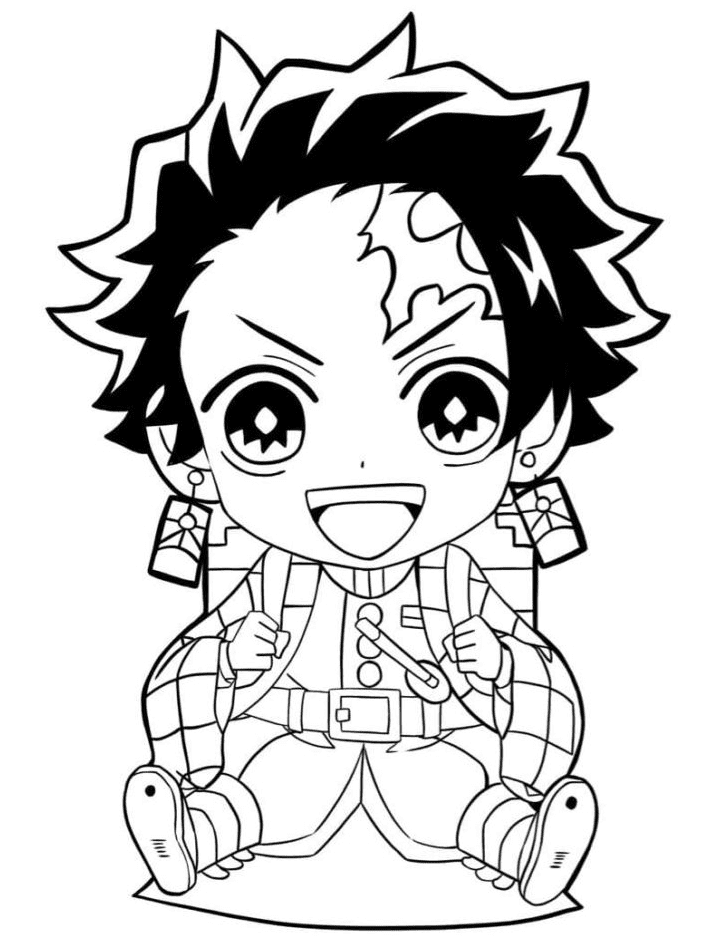
What’s Inside This Collection
This is the largest single-character Demon Slayer collection on the site, moving from intense action poses to gentle sibling moments, chibi sketches, and rare appearances by Tanjiro’s family and teachers.
Tanjiro Solo Action and Portrait Pages
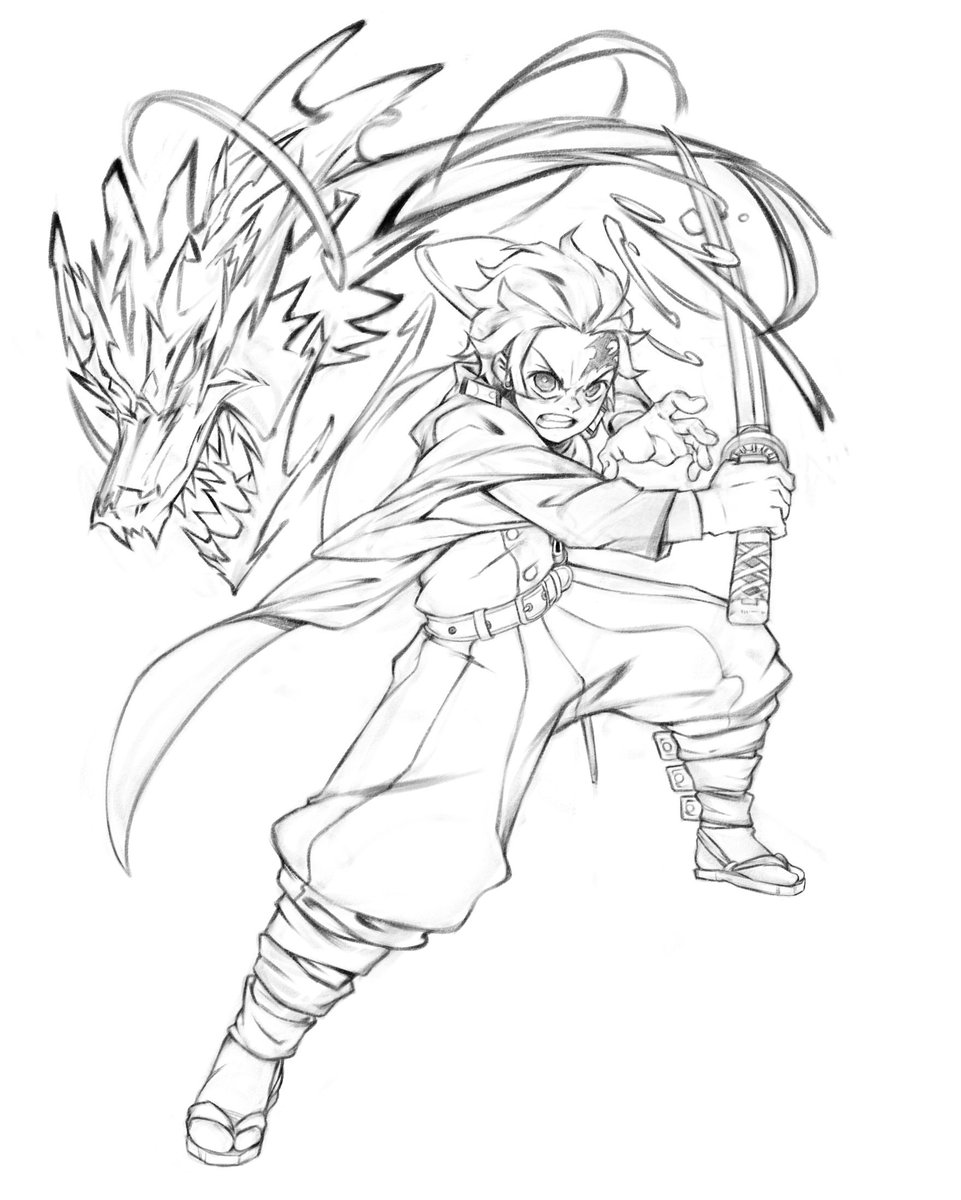
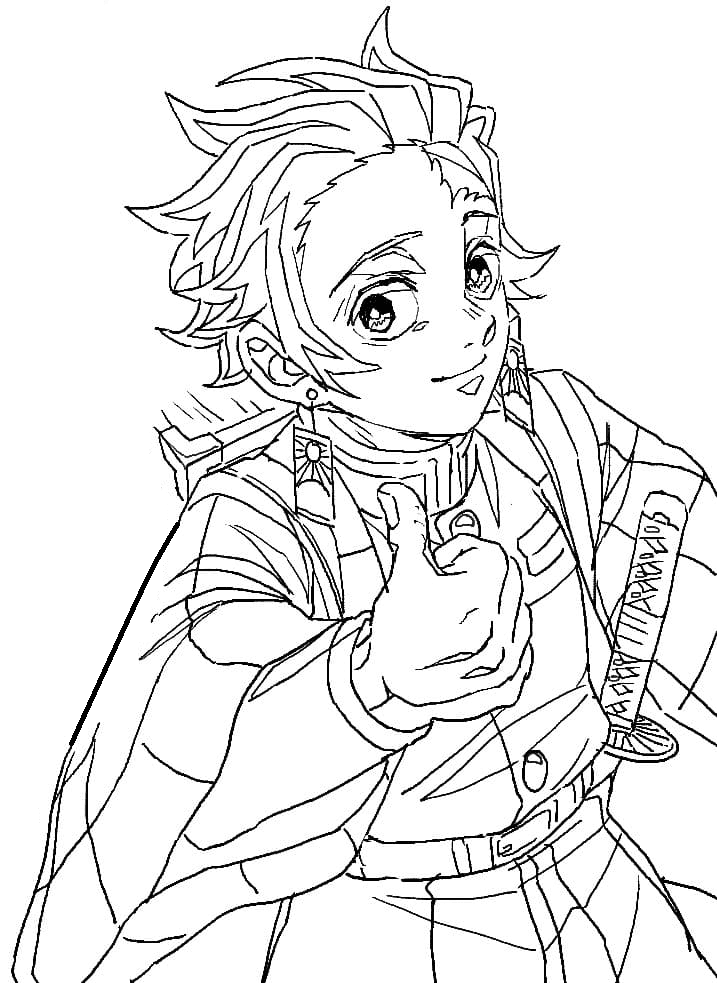
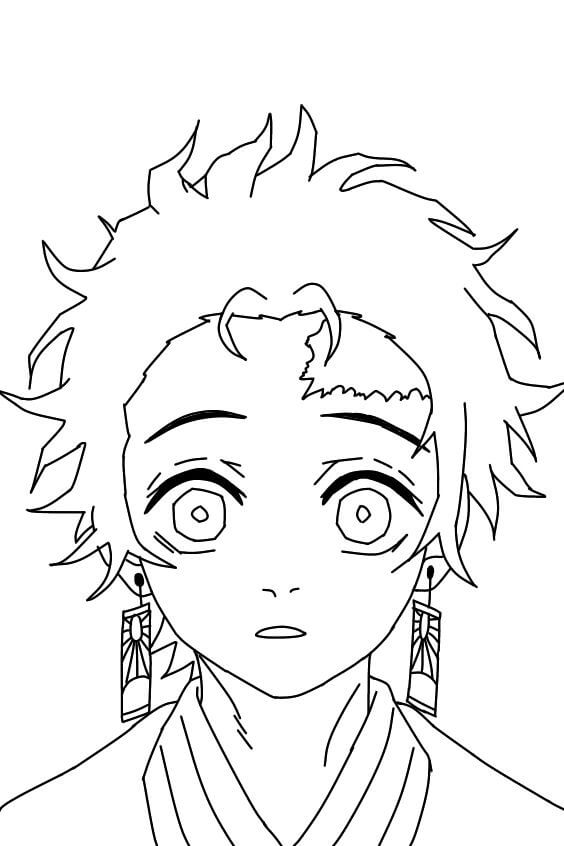
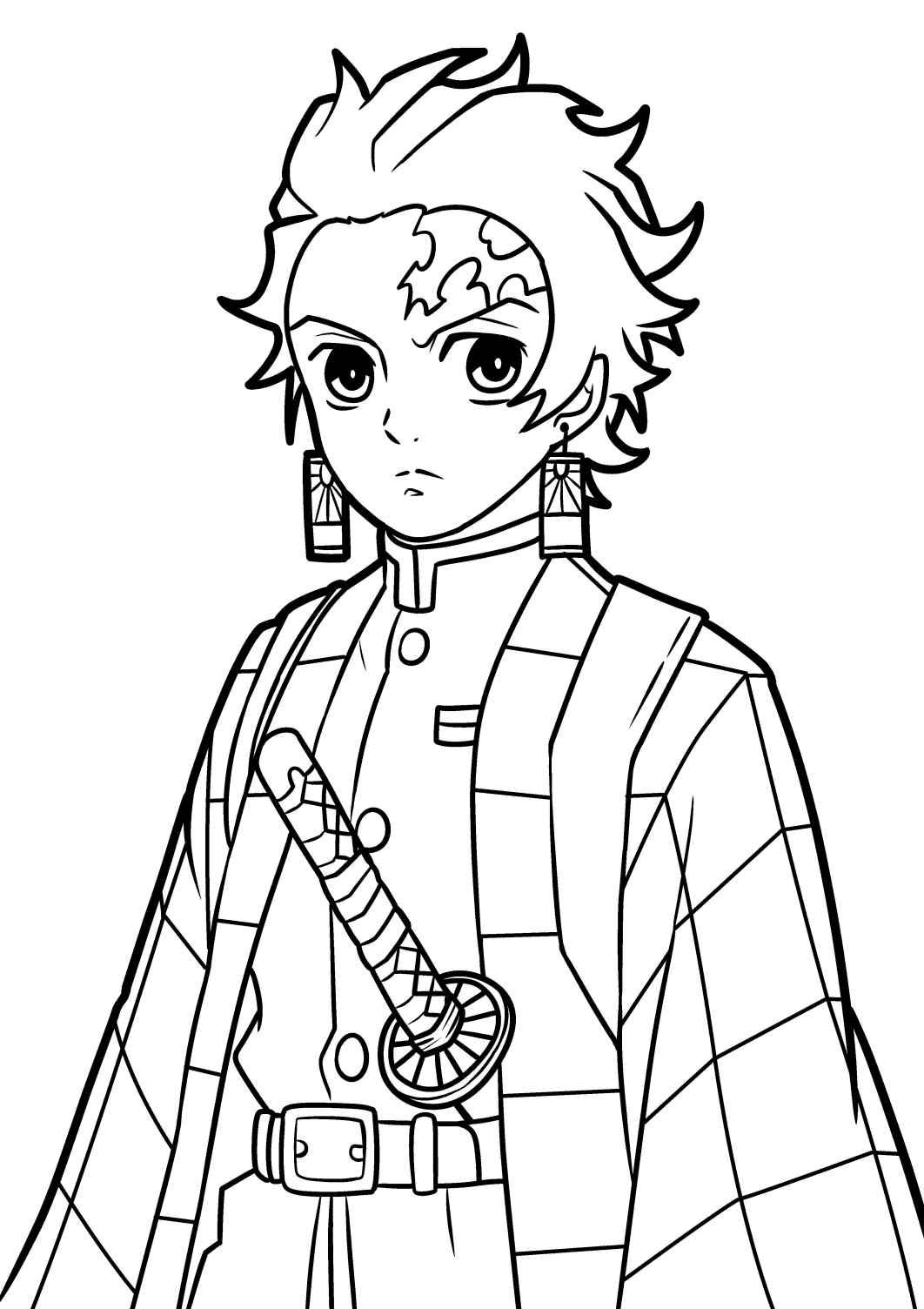
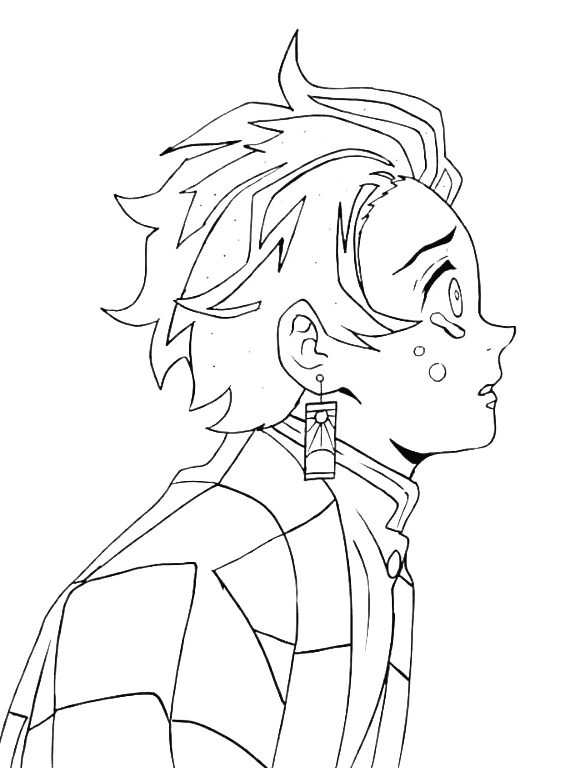
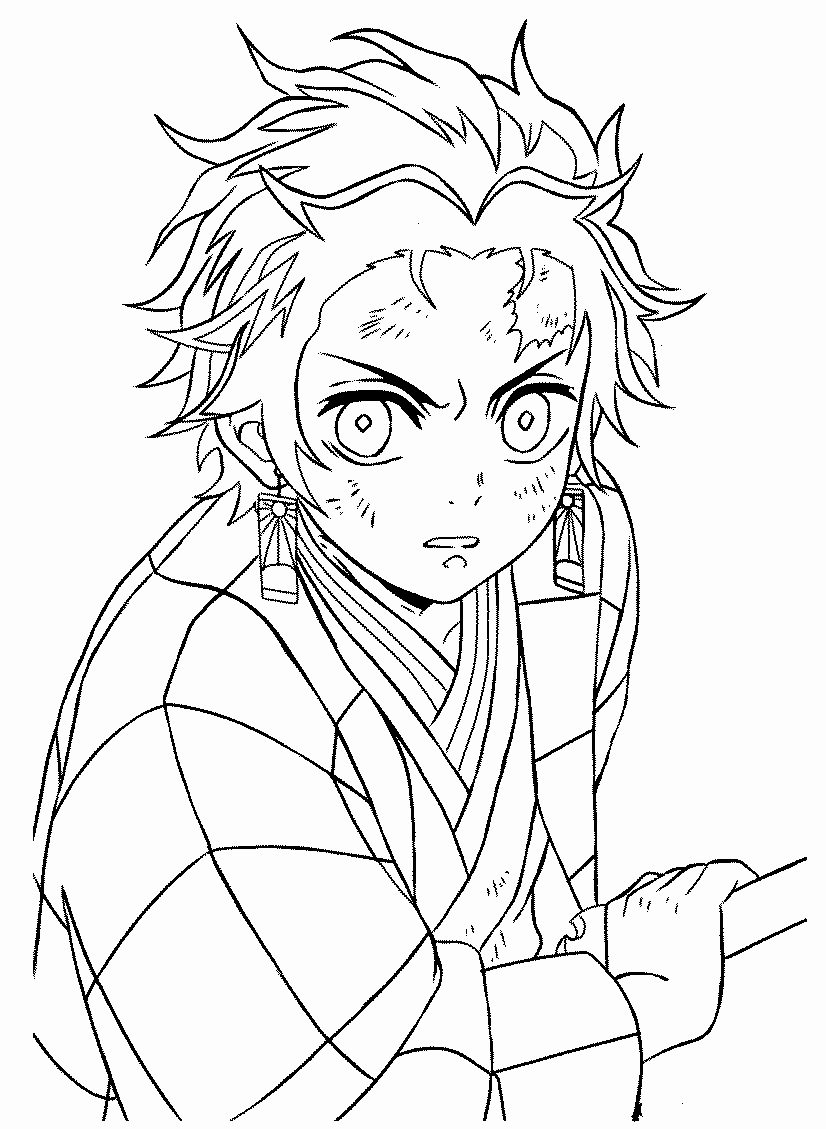
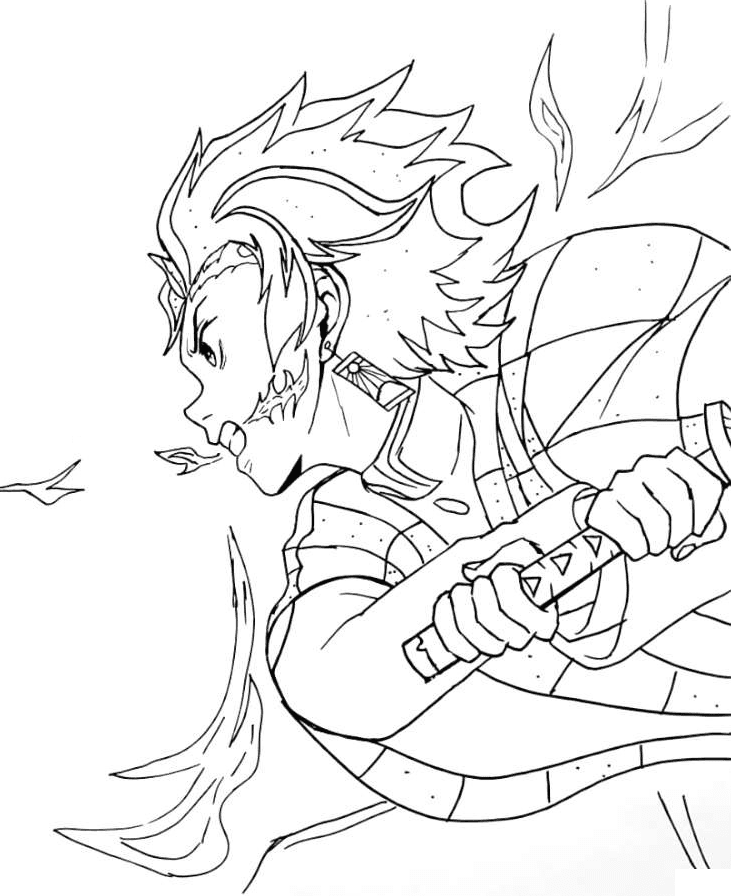
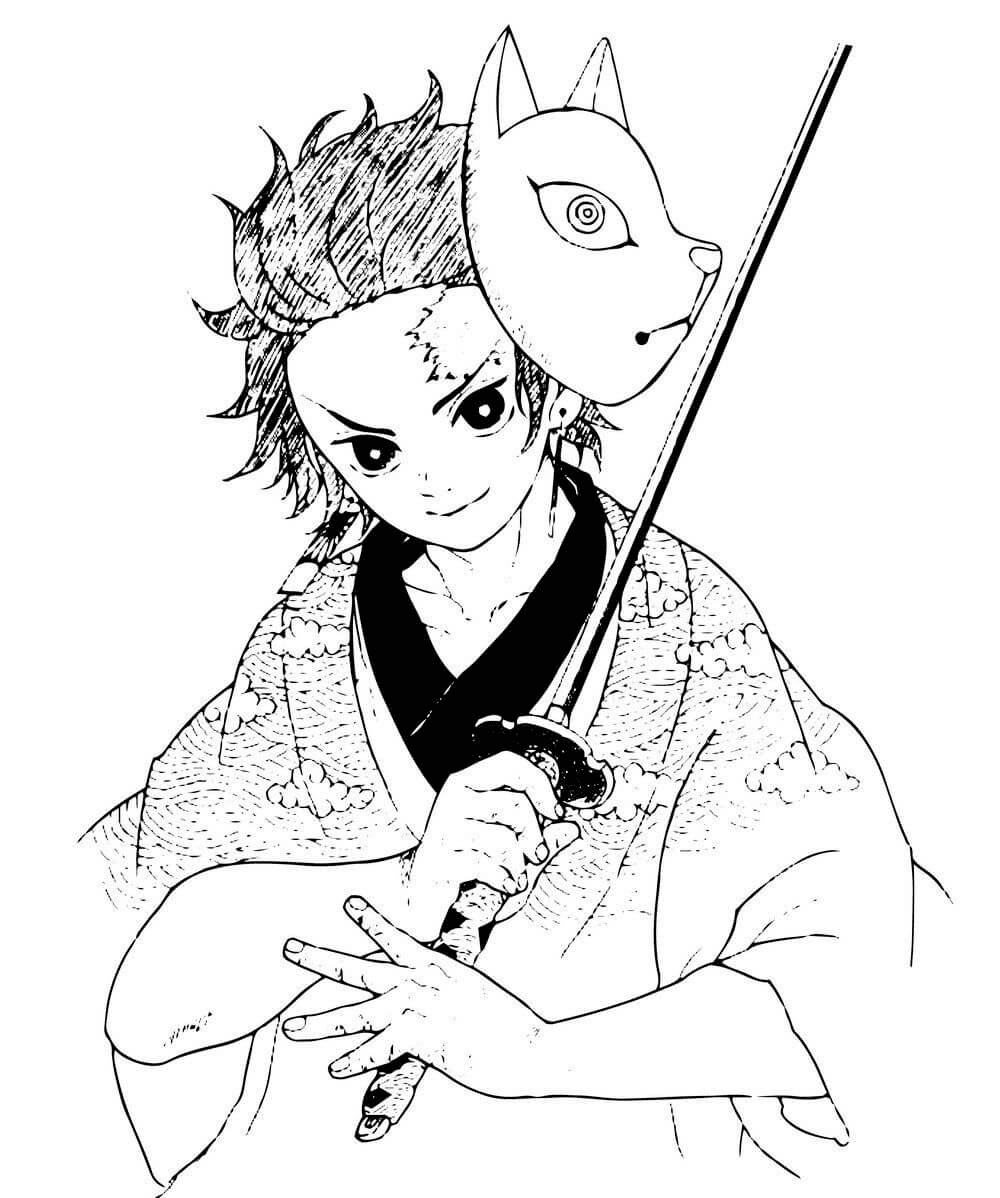
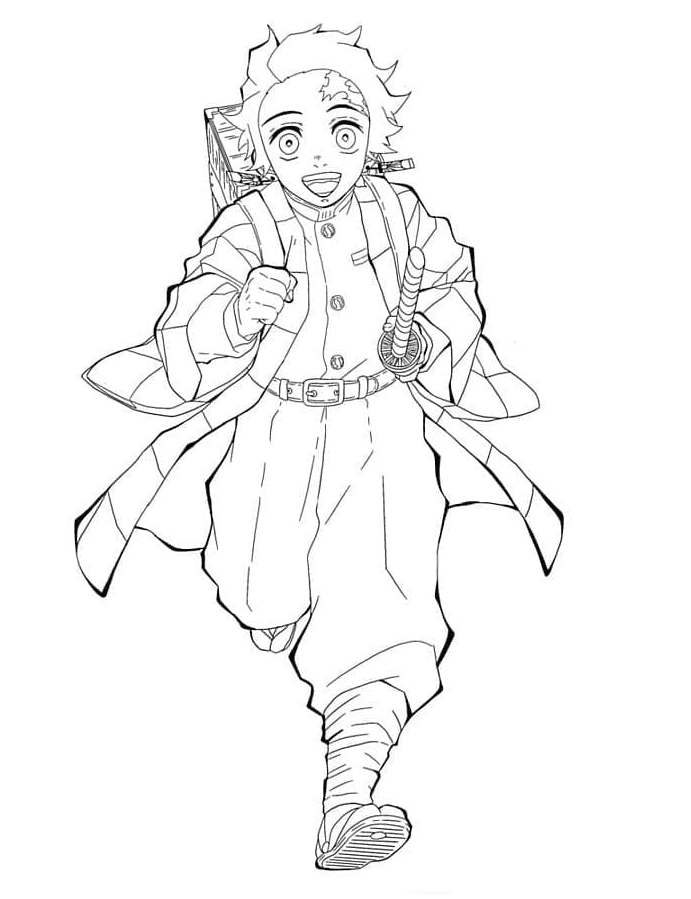
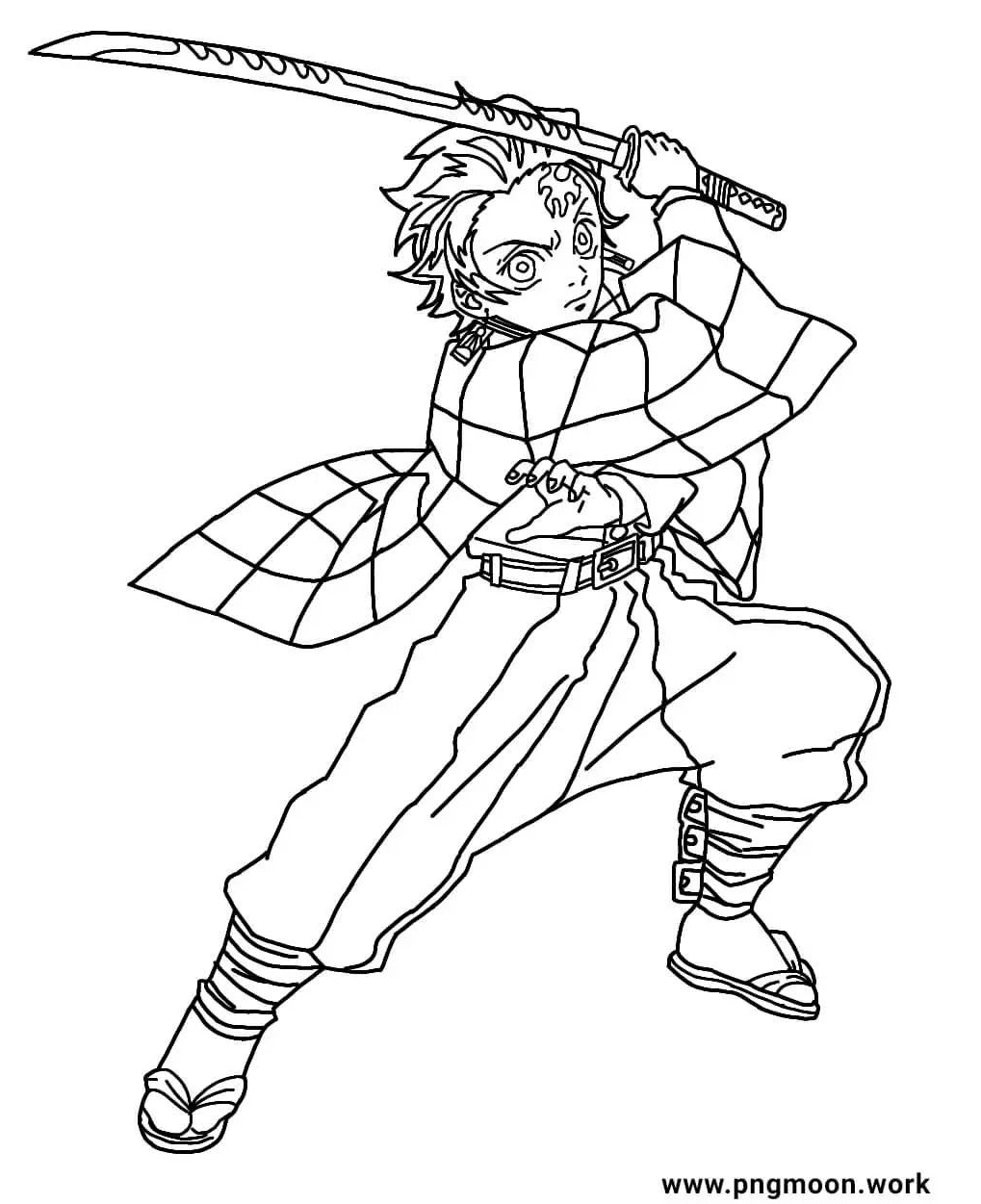
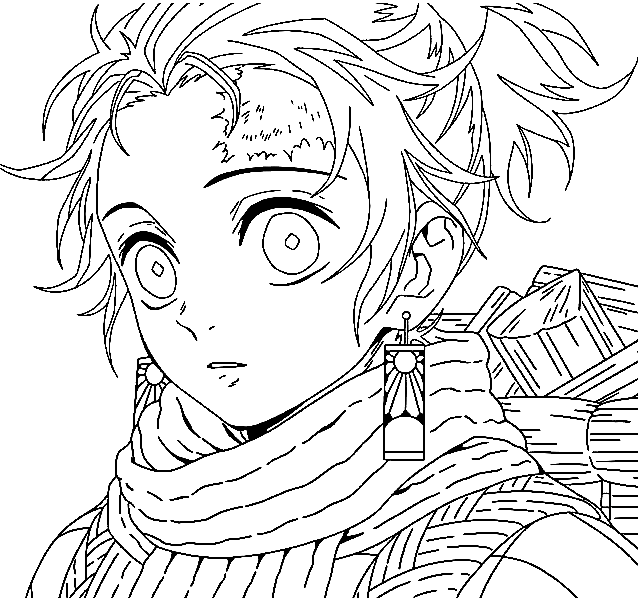
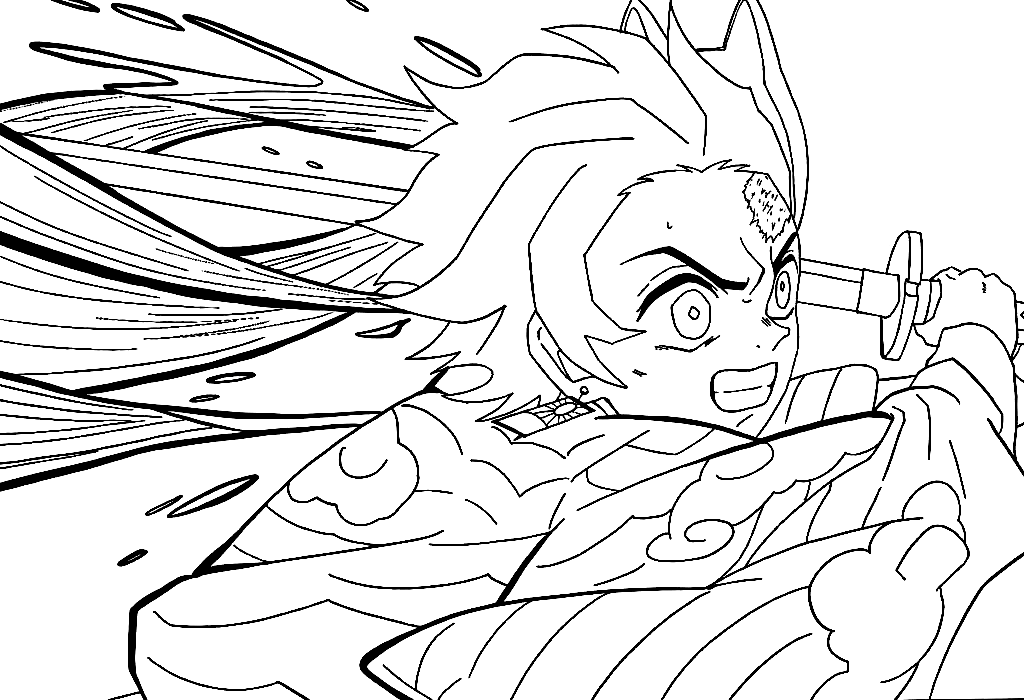
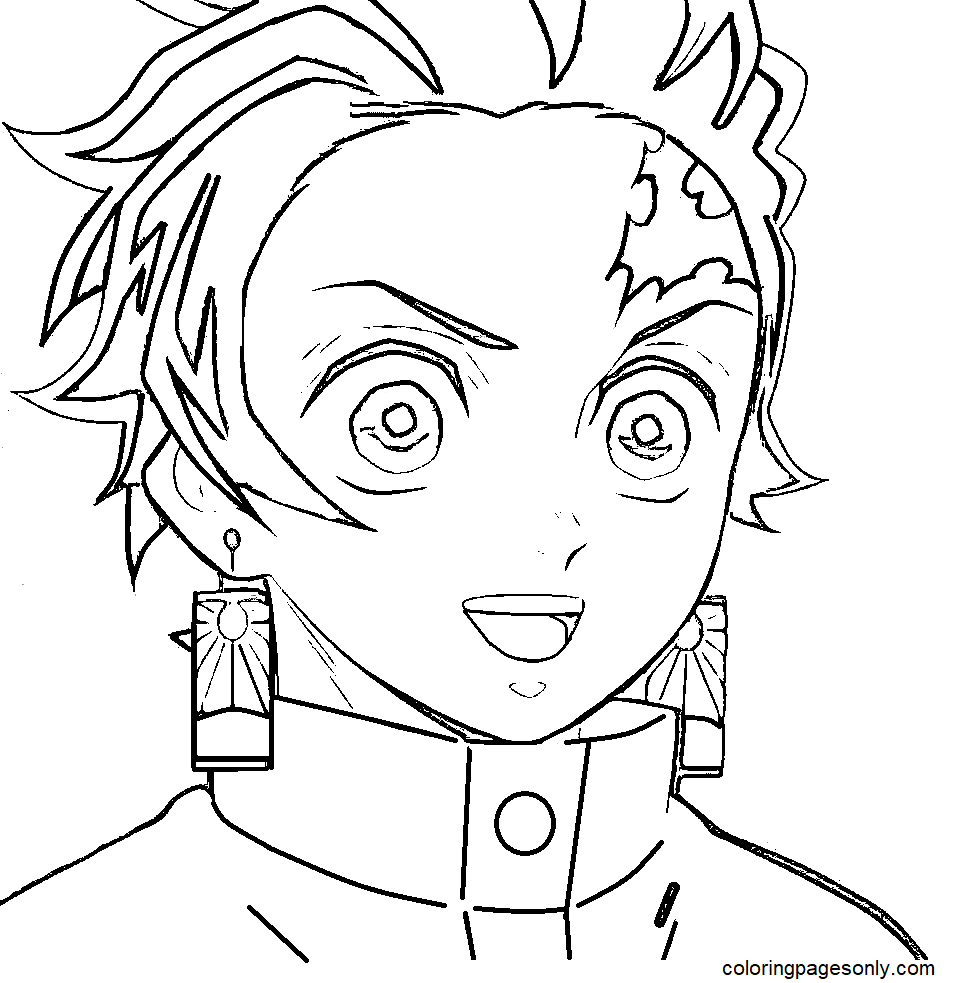
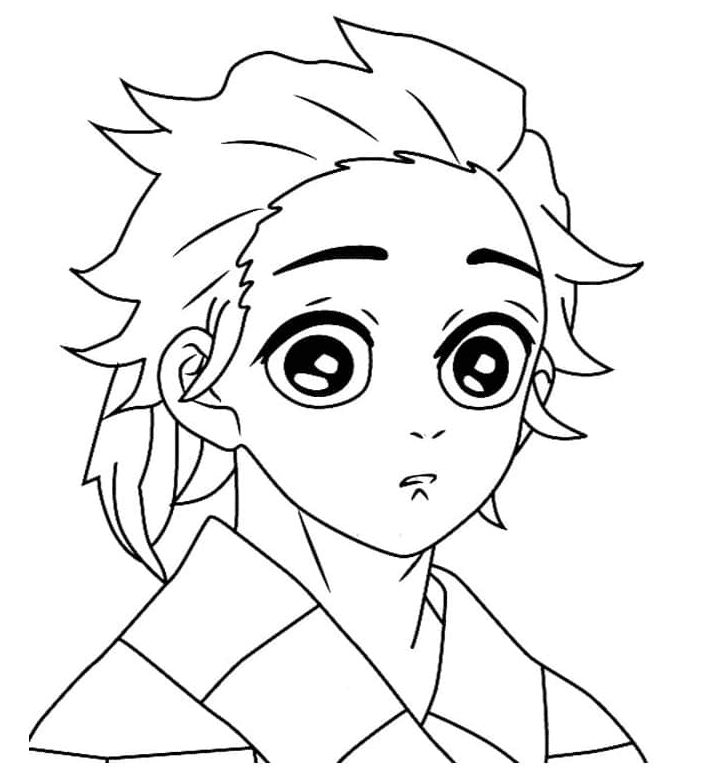
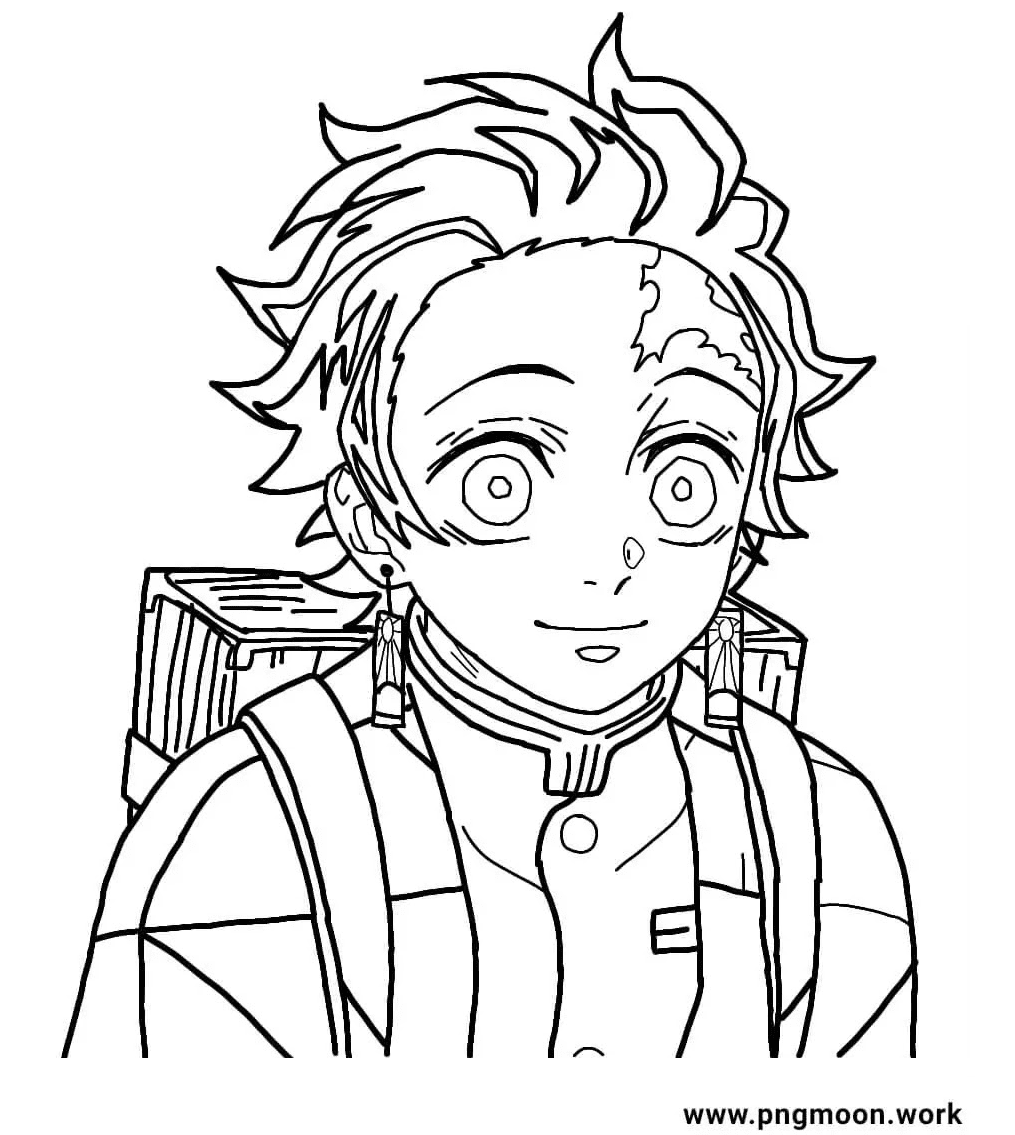
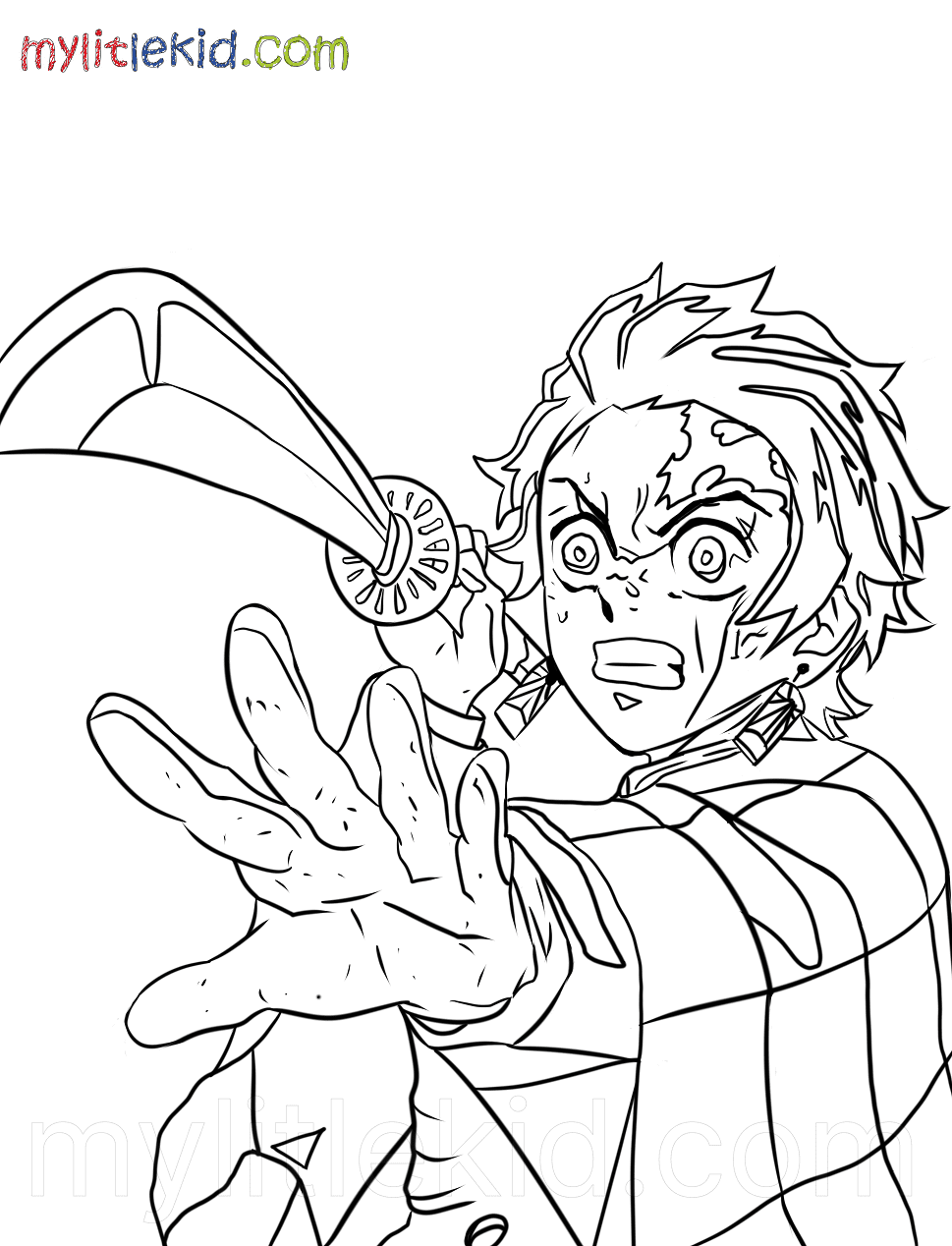
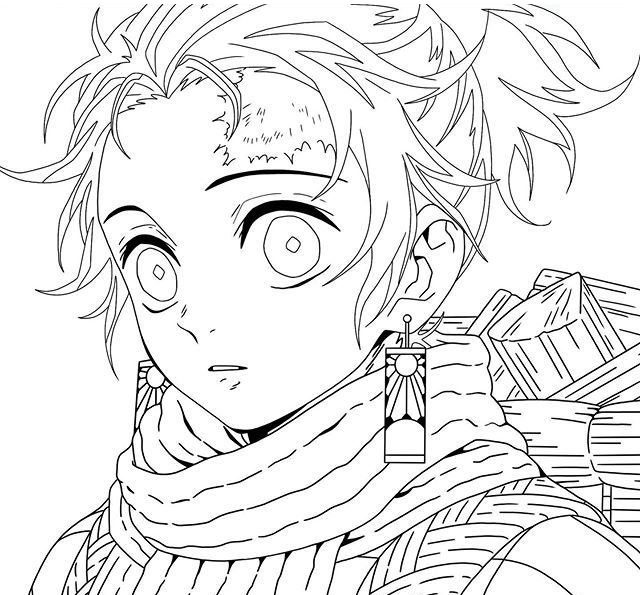
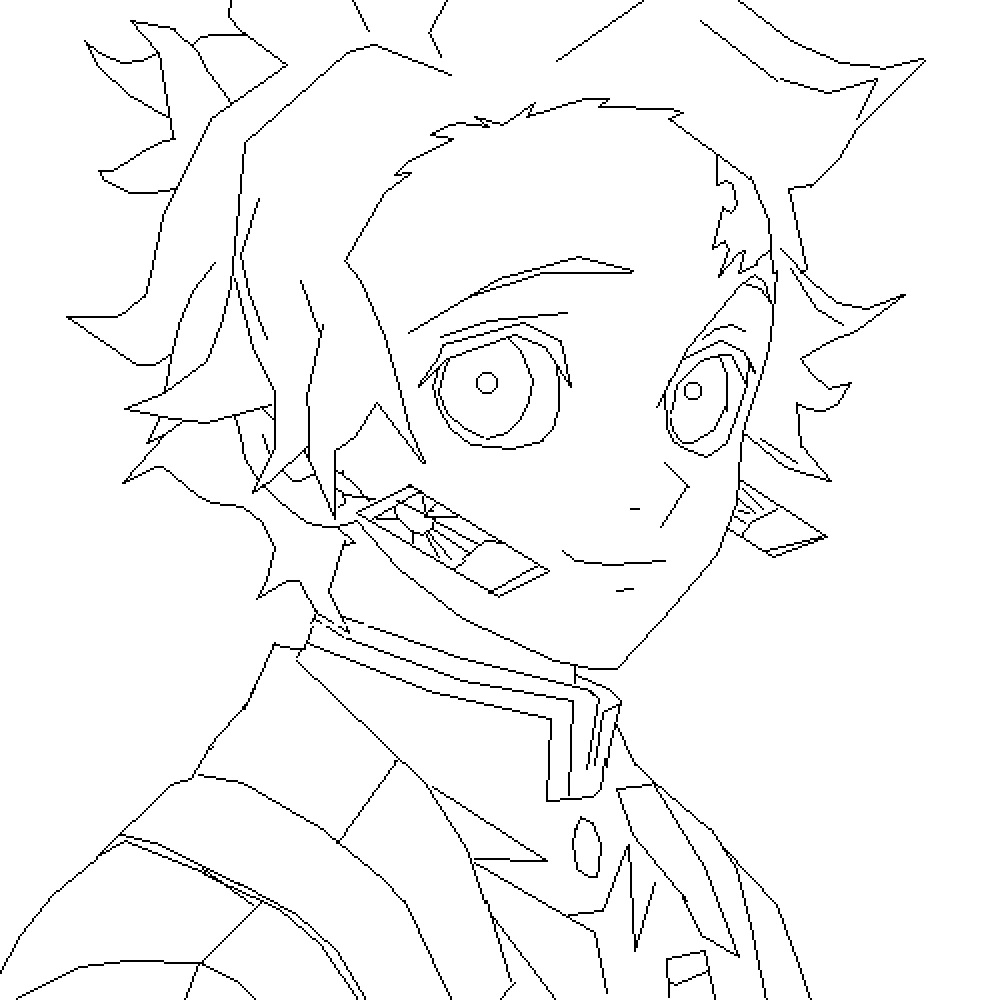
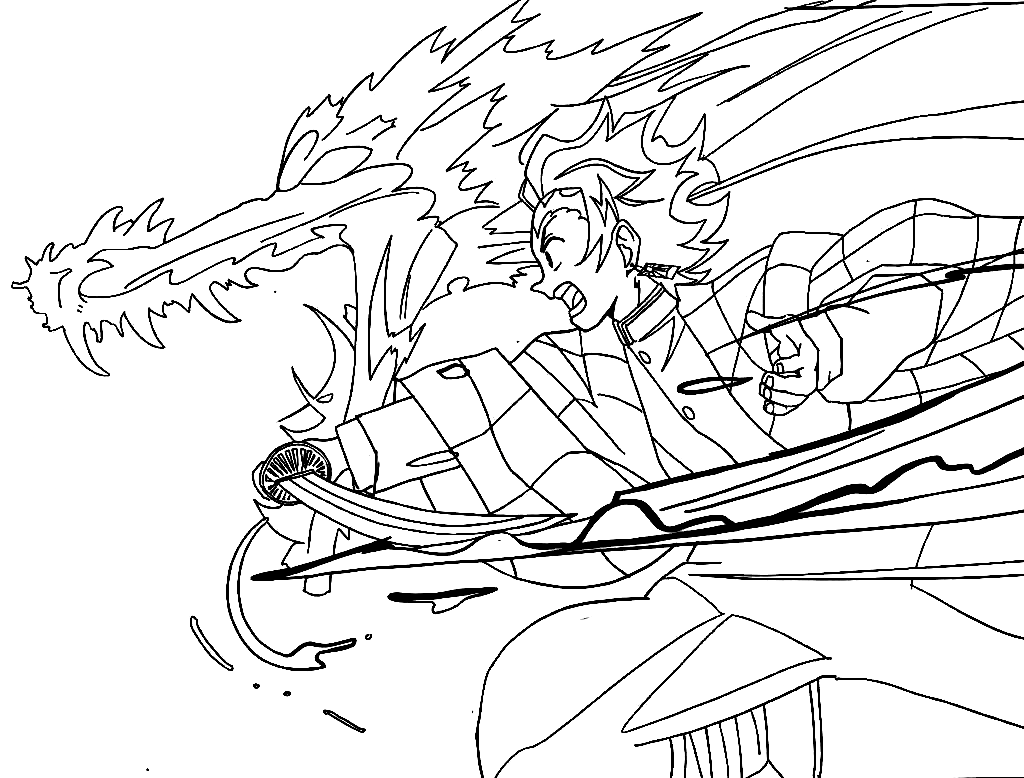
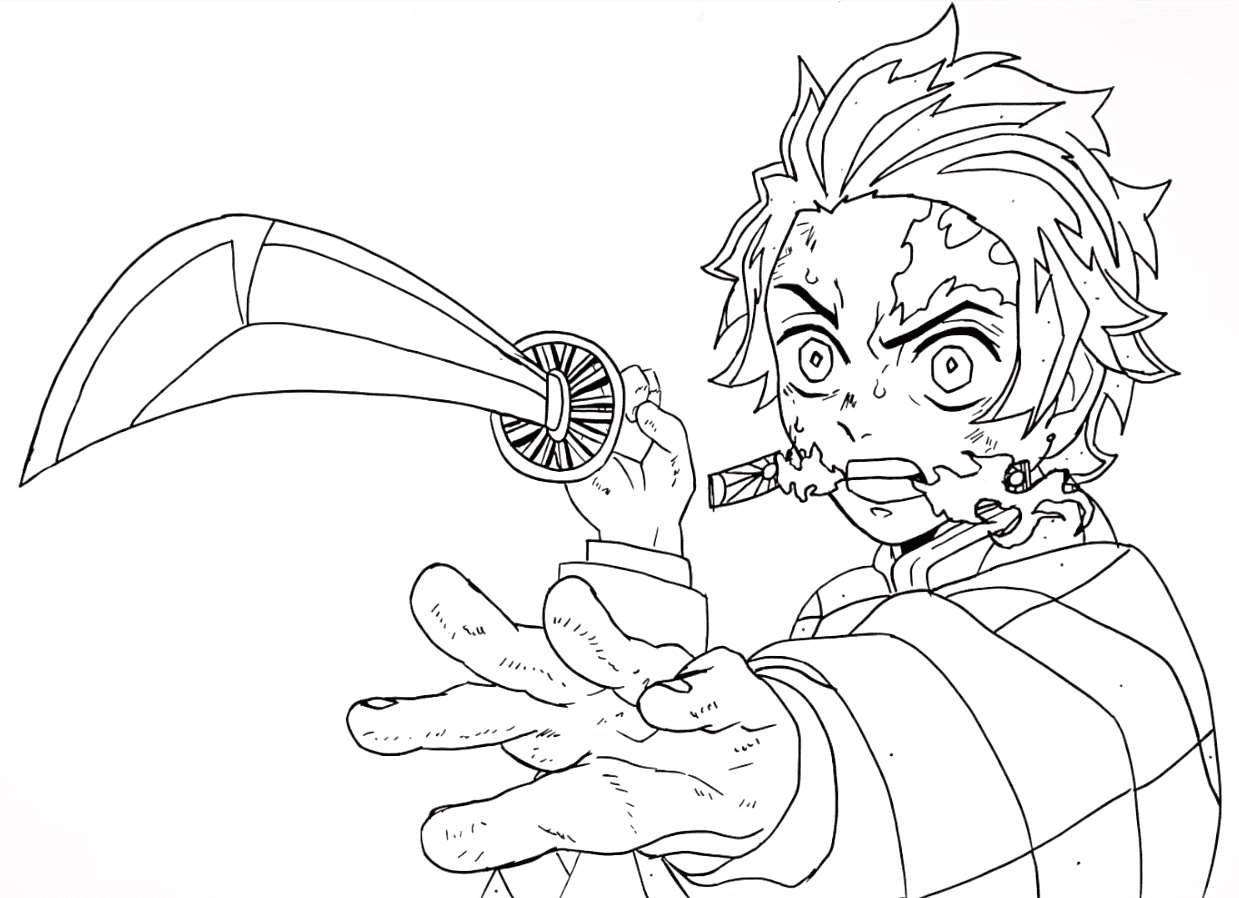
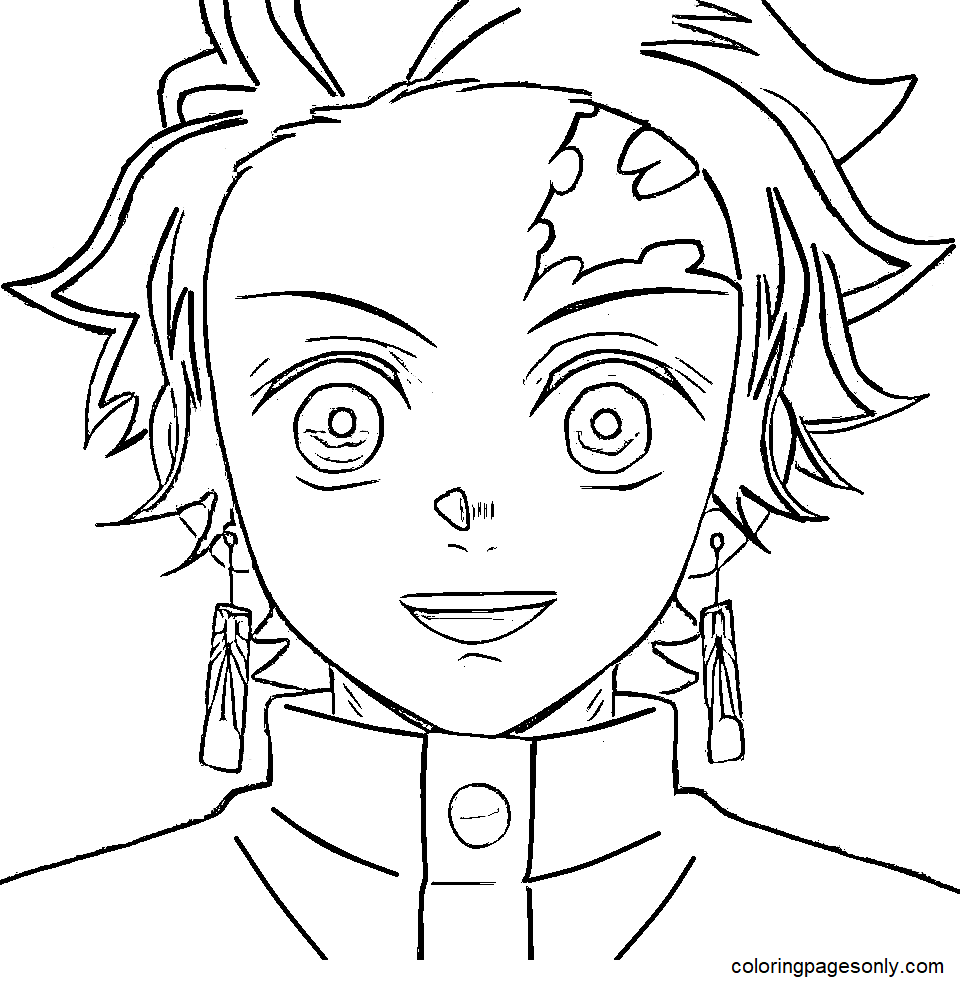
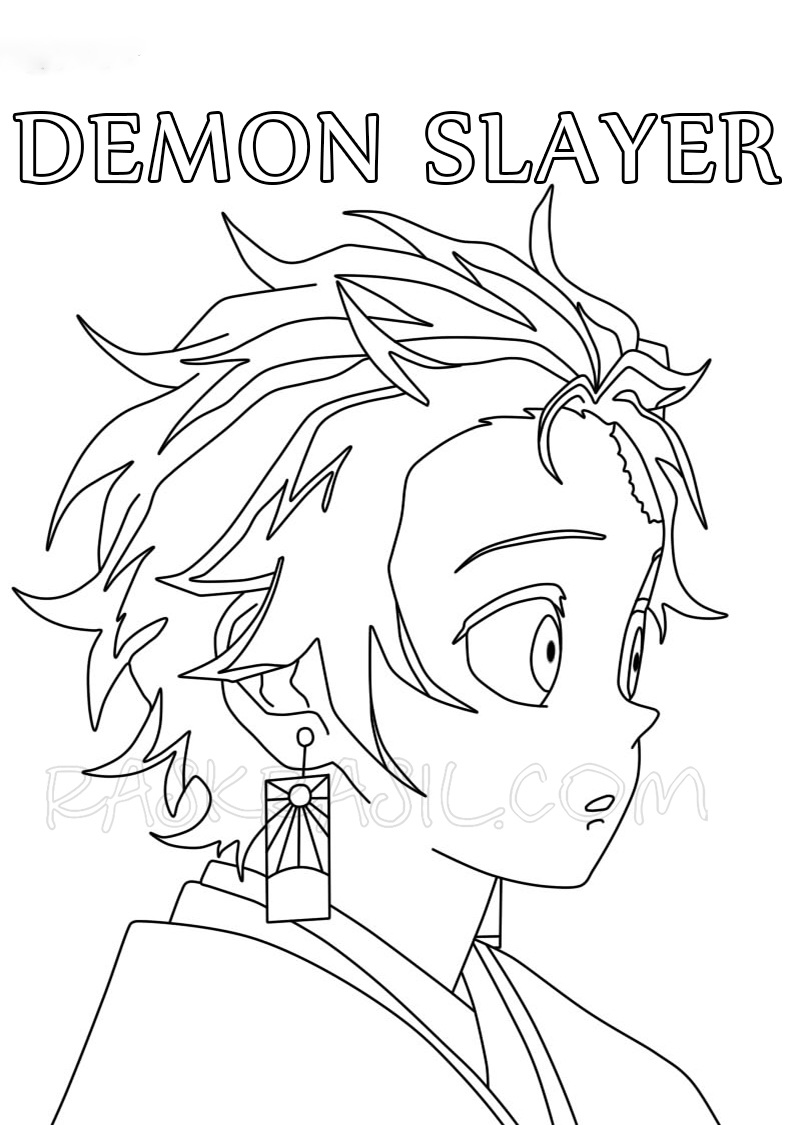
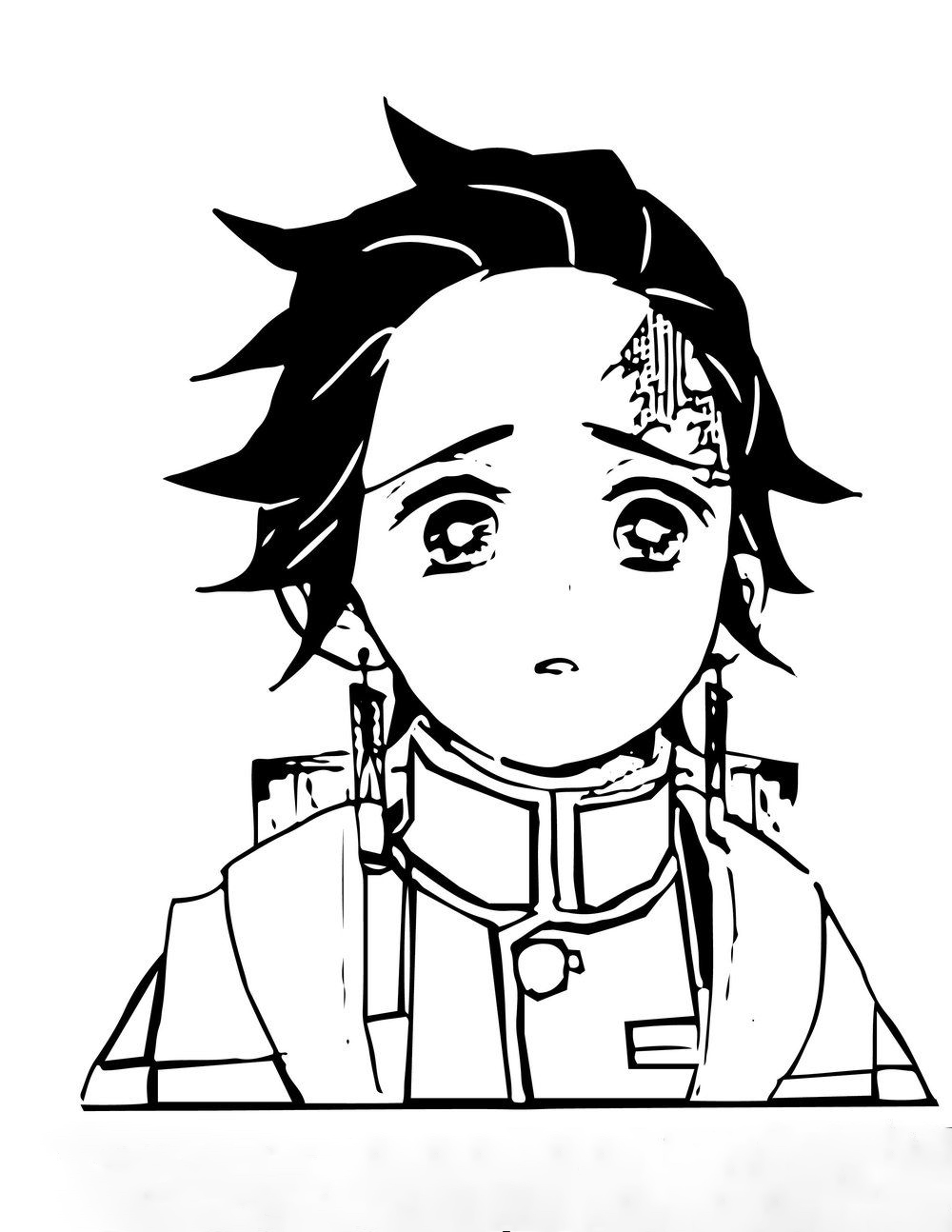
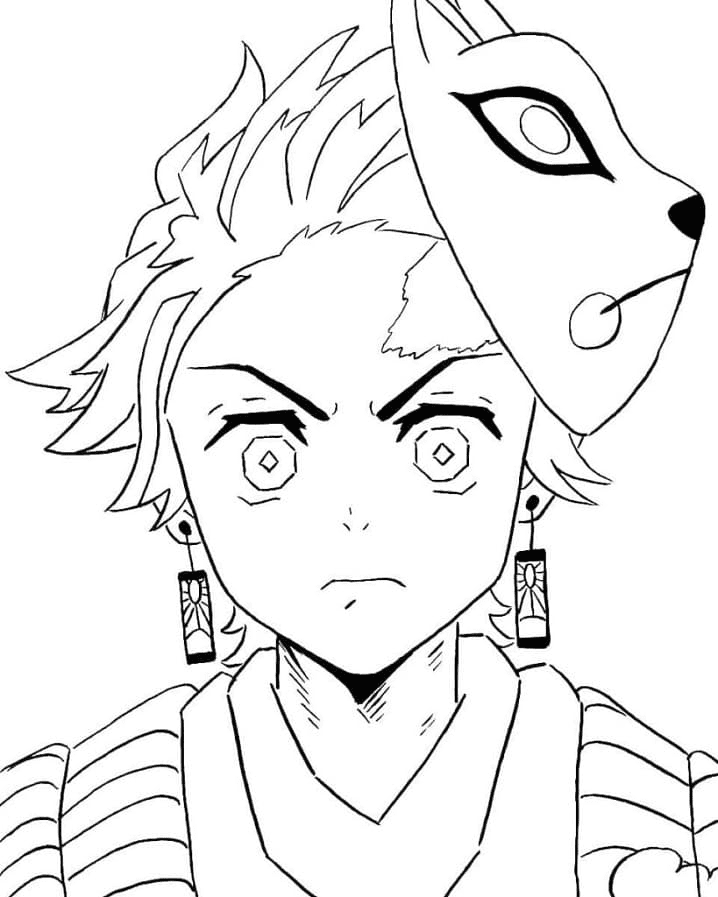
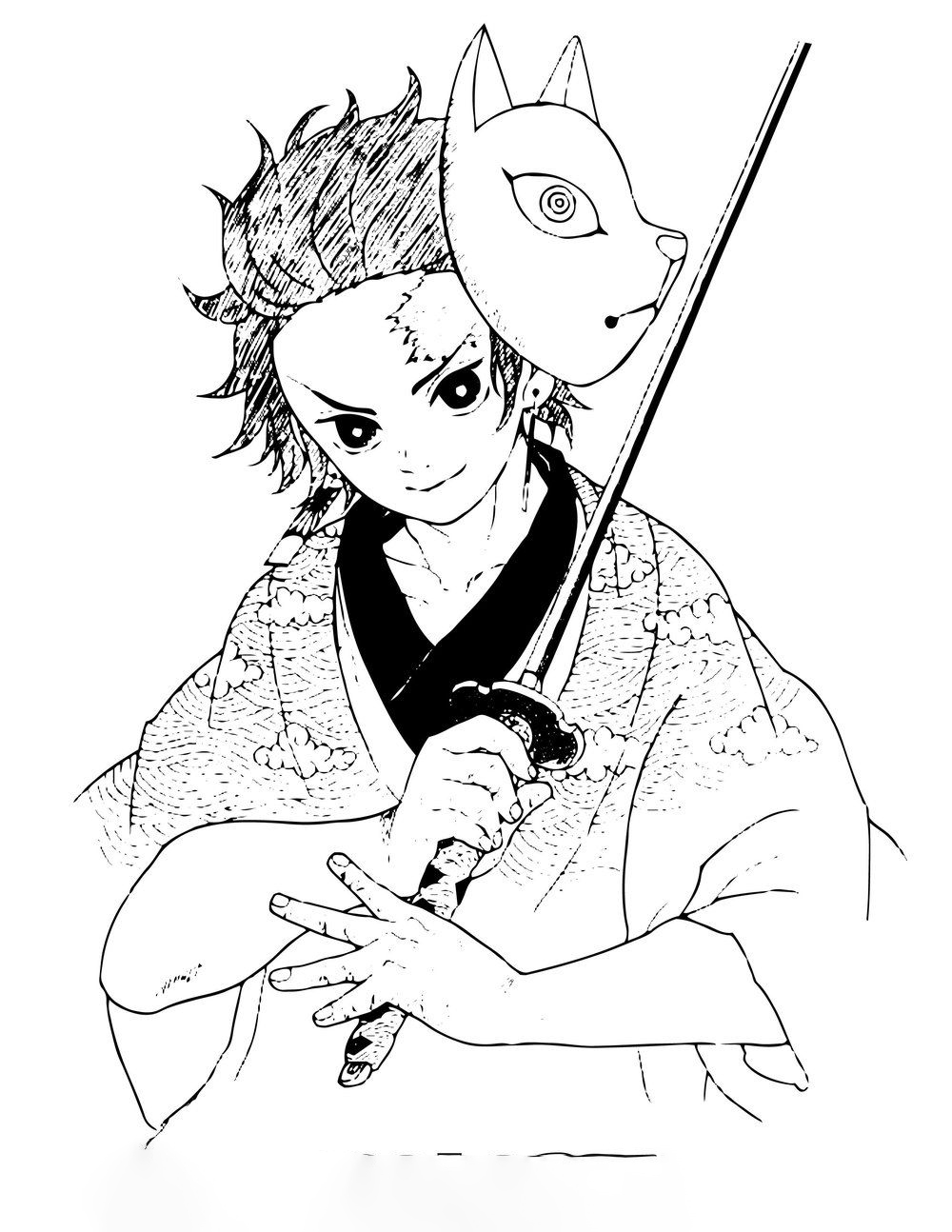
The core of the set shows Tanjiro on his own, from sword-drawn stances and running poses to quieter portraits that range from cheerful to fiercely determined, with Tanjiro with Mask and Sword adding the fox mask from his training days. Use Pine Green and Black for the checkered haori, keep the corps uniform Black, and finish his dark hair with Maroon toward the tips.
Tanjiro and Nezuko Together
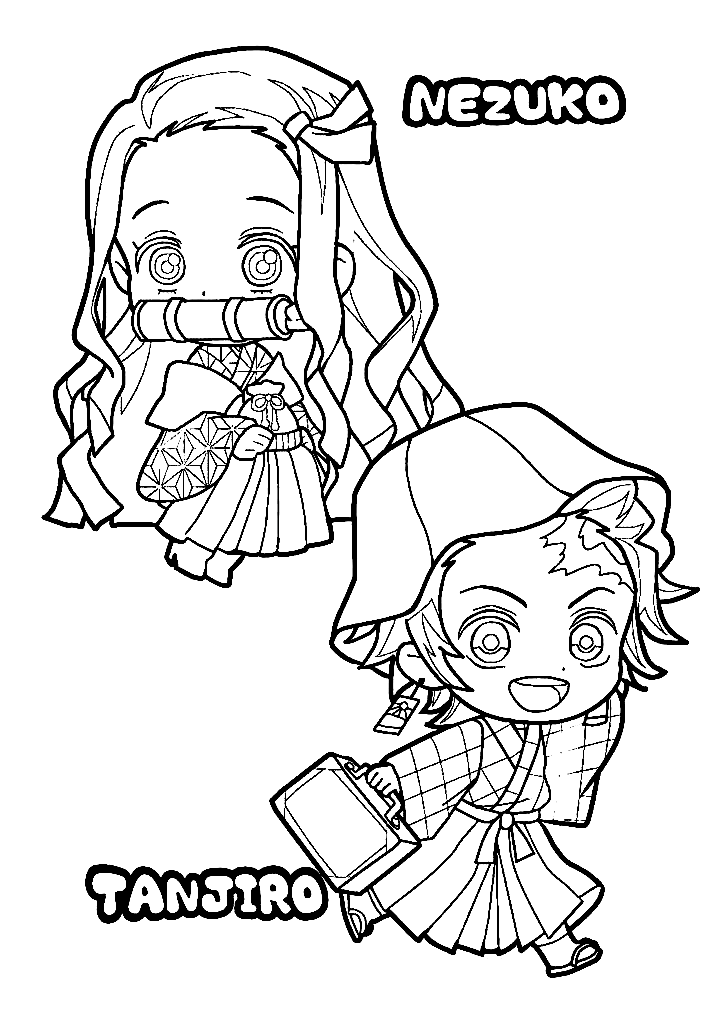
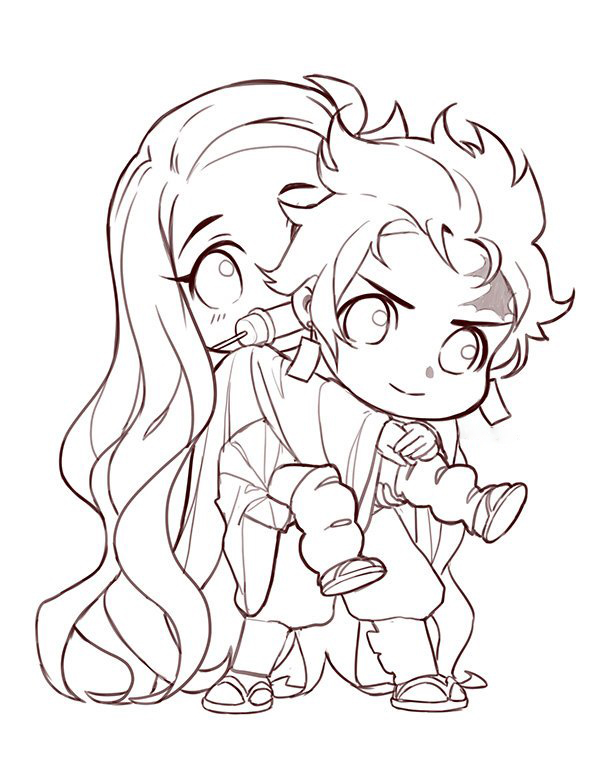
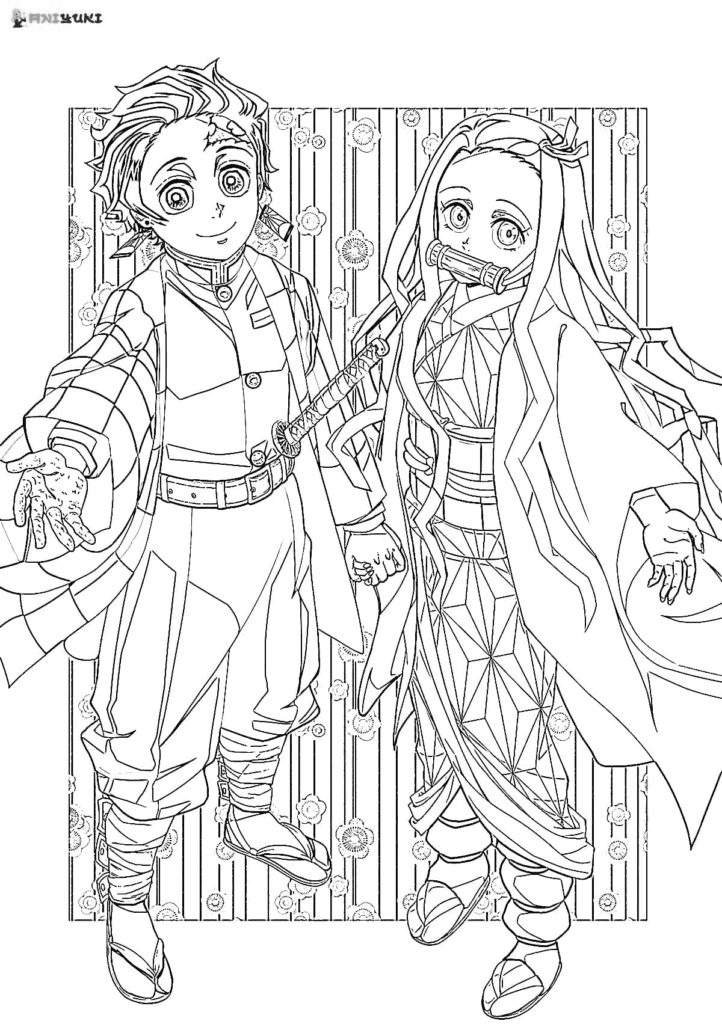
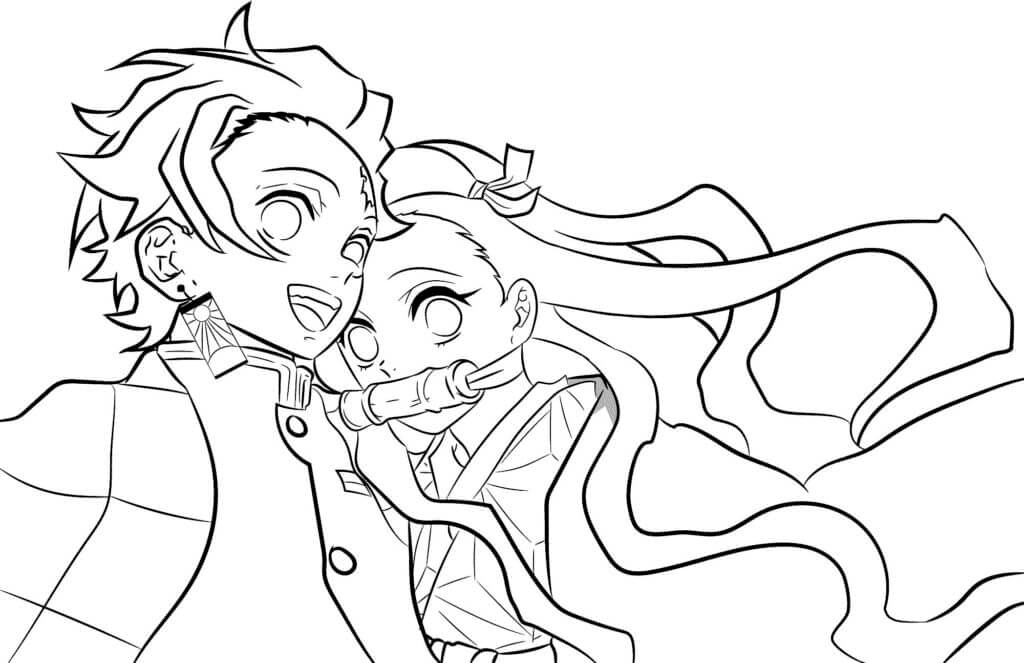
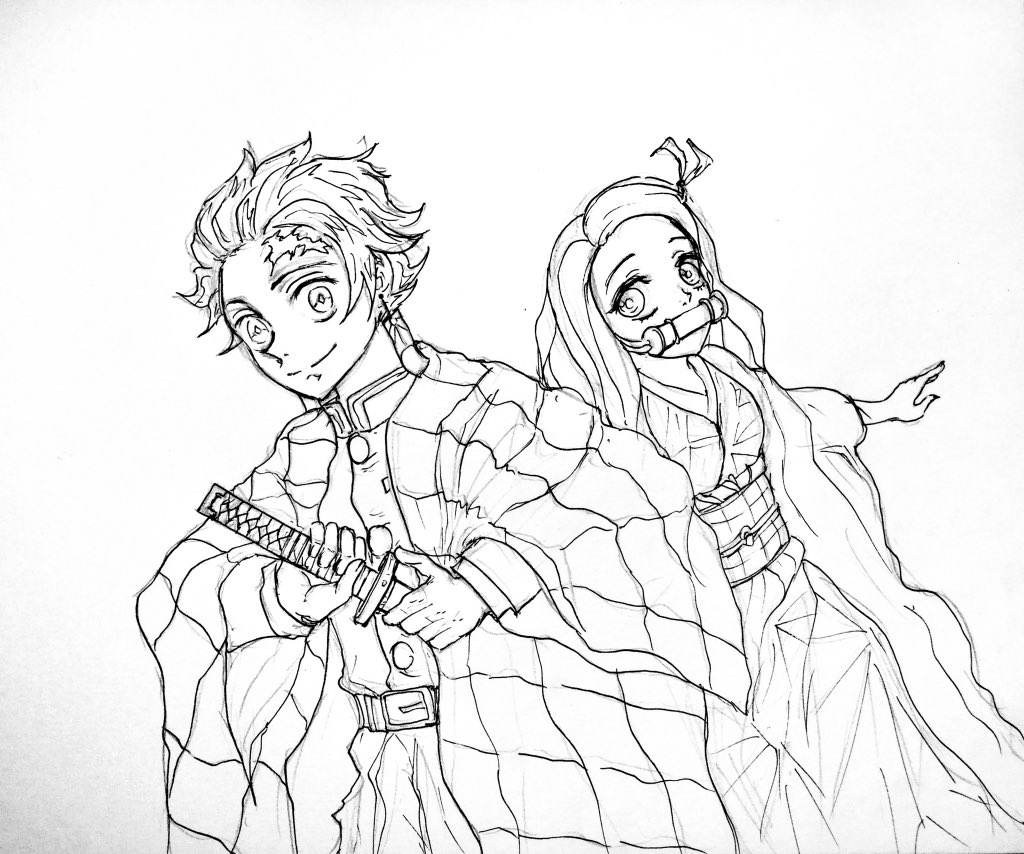
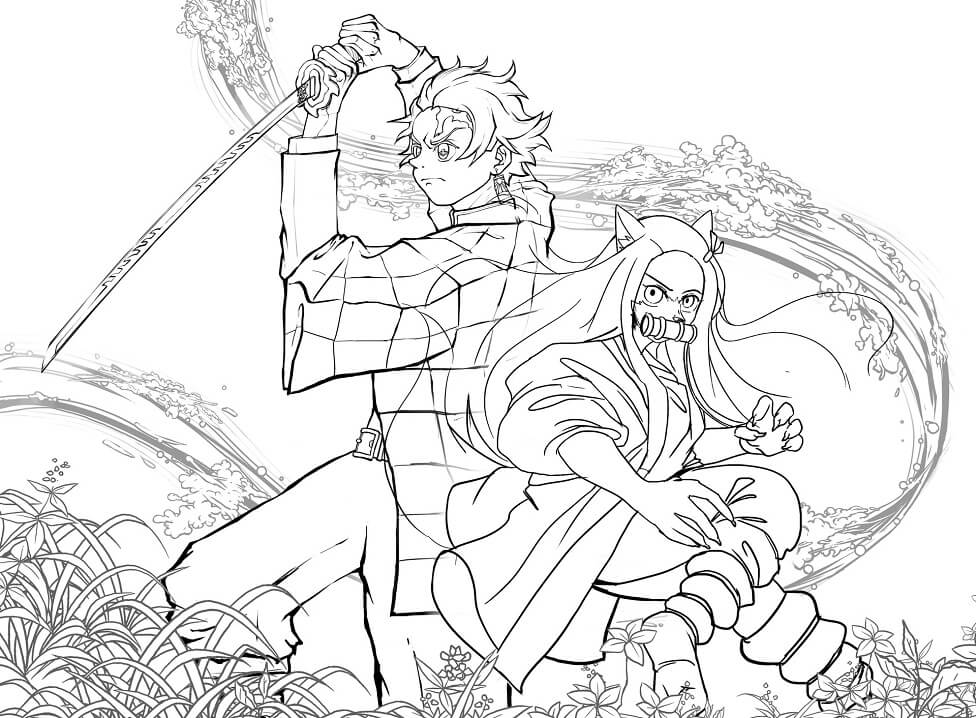
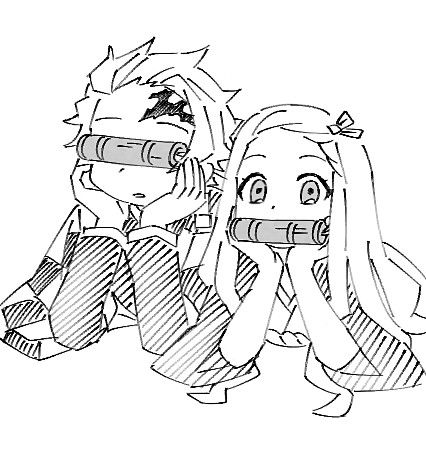
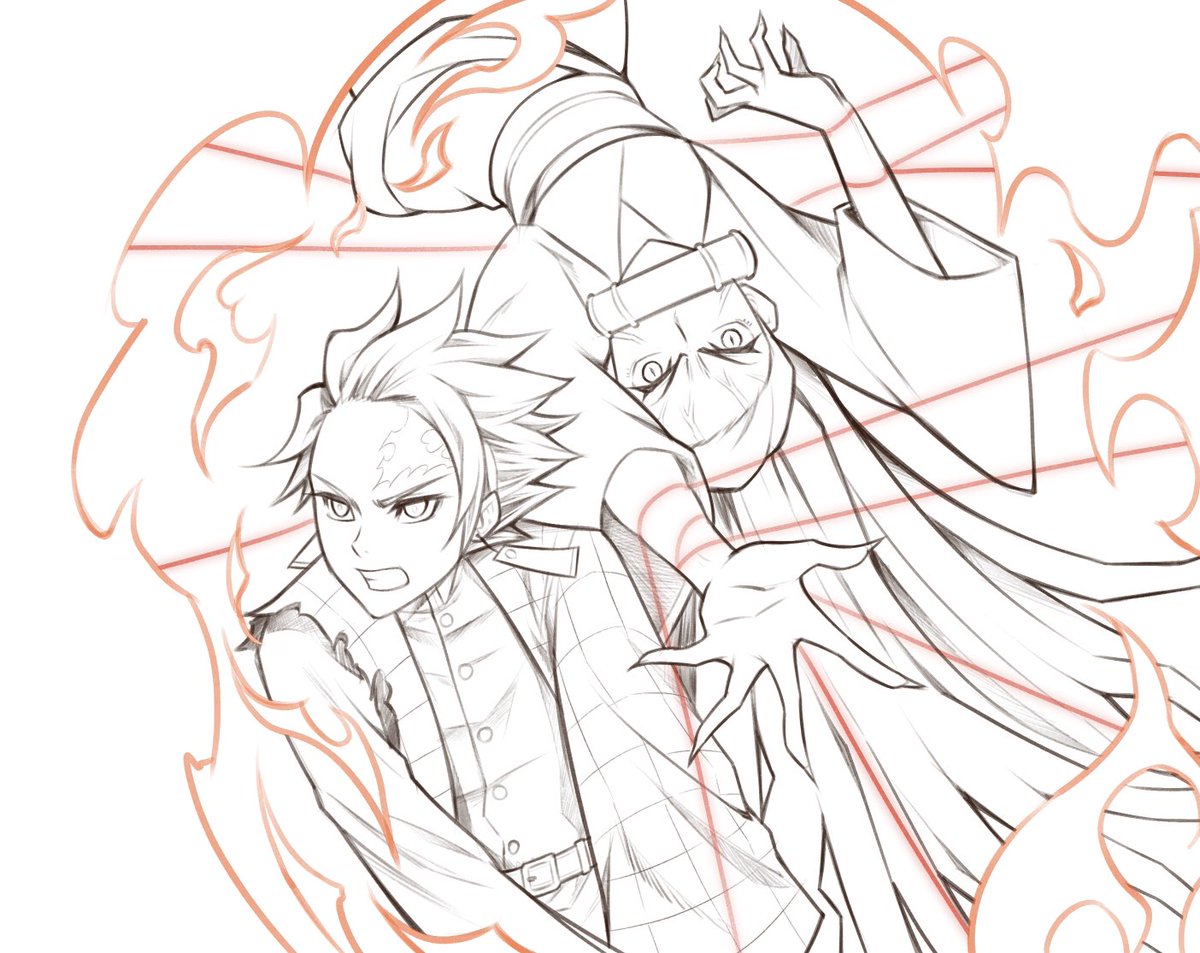
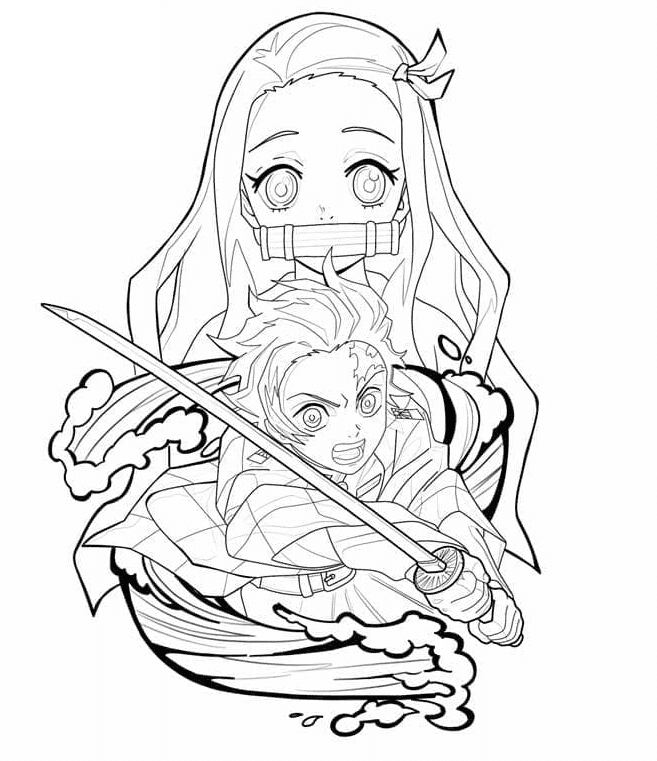
The paired pages capture the bond at the heart of the series, including scenes of Tanjiro carrying his sister on his back and softer side-by-side portraits. Give Nezuko’s kimono Carnation Pink with a deeper Wild Strawberry hemp-leaf pattern, and color her bamboo muzzle a light beige-green so it never reads as wood brown.
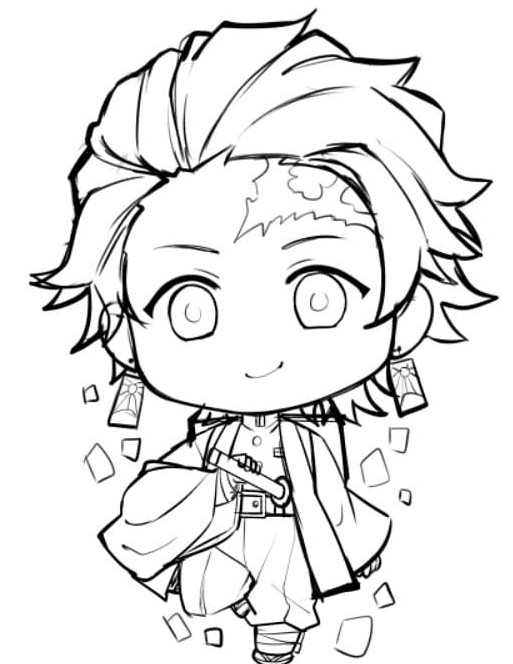
Chibi Tanjiro Pages
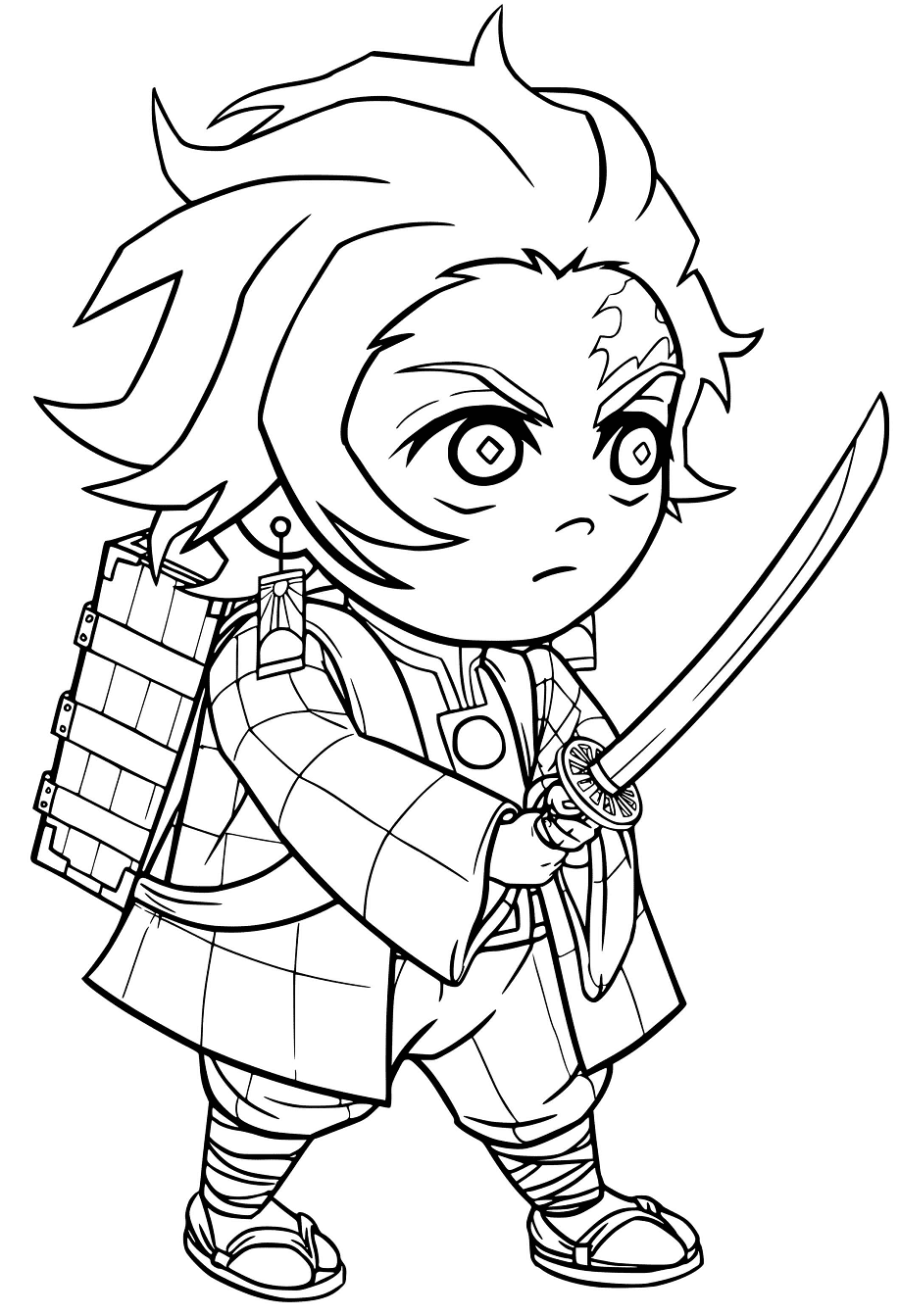
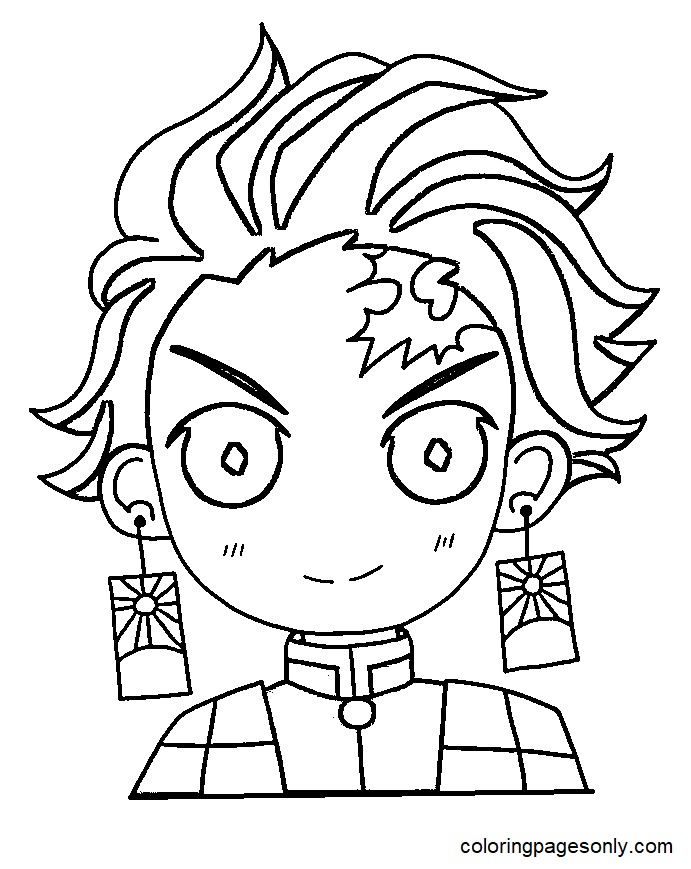
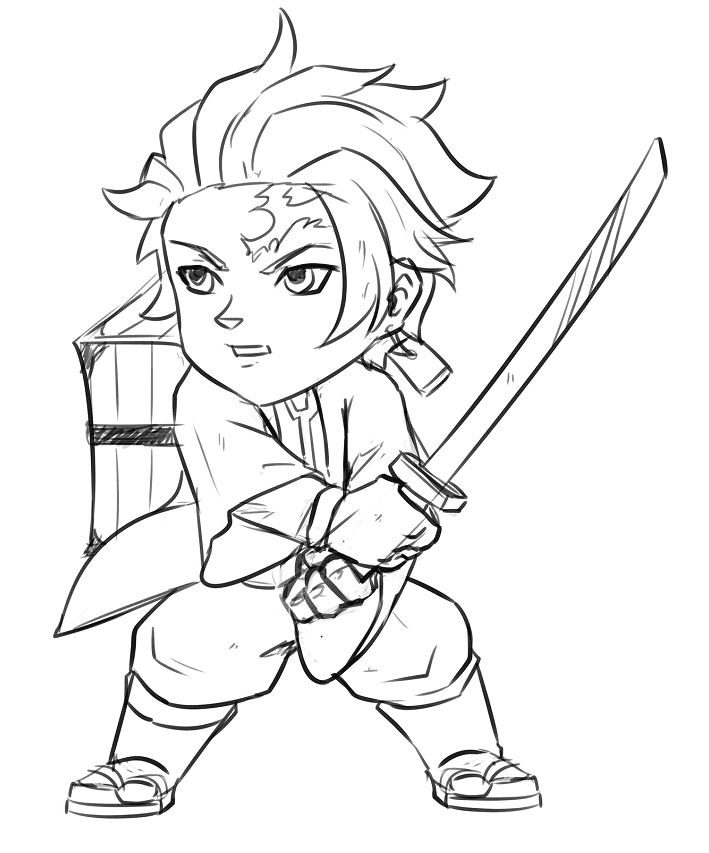
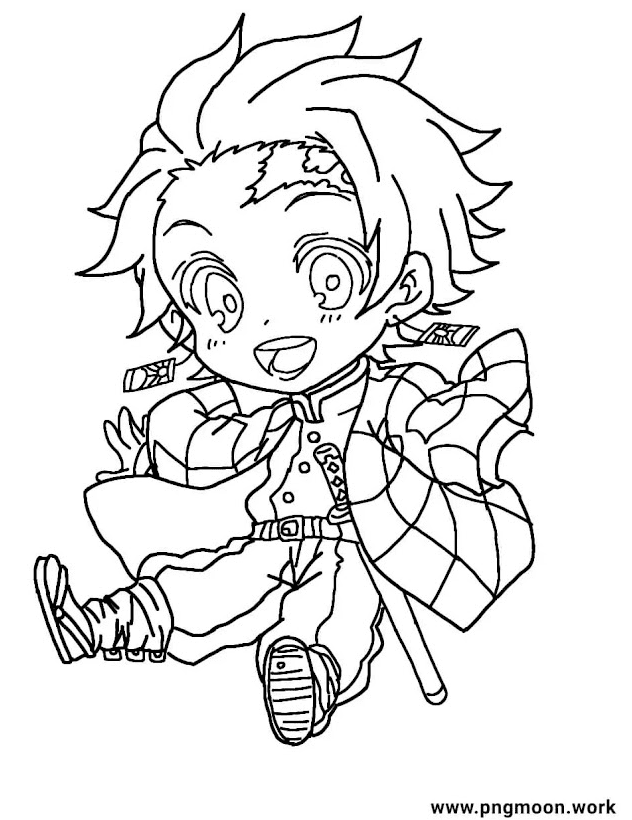
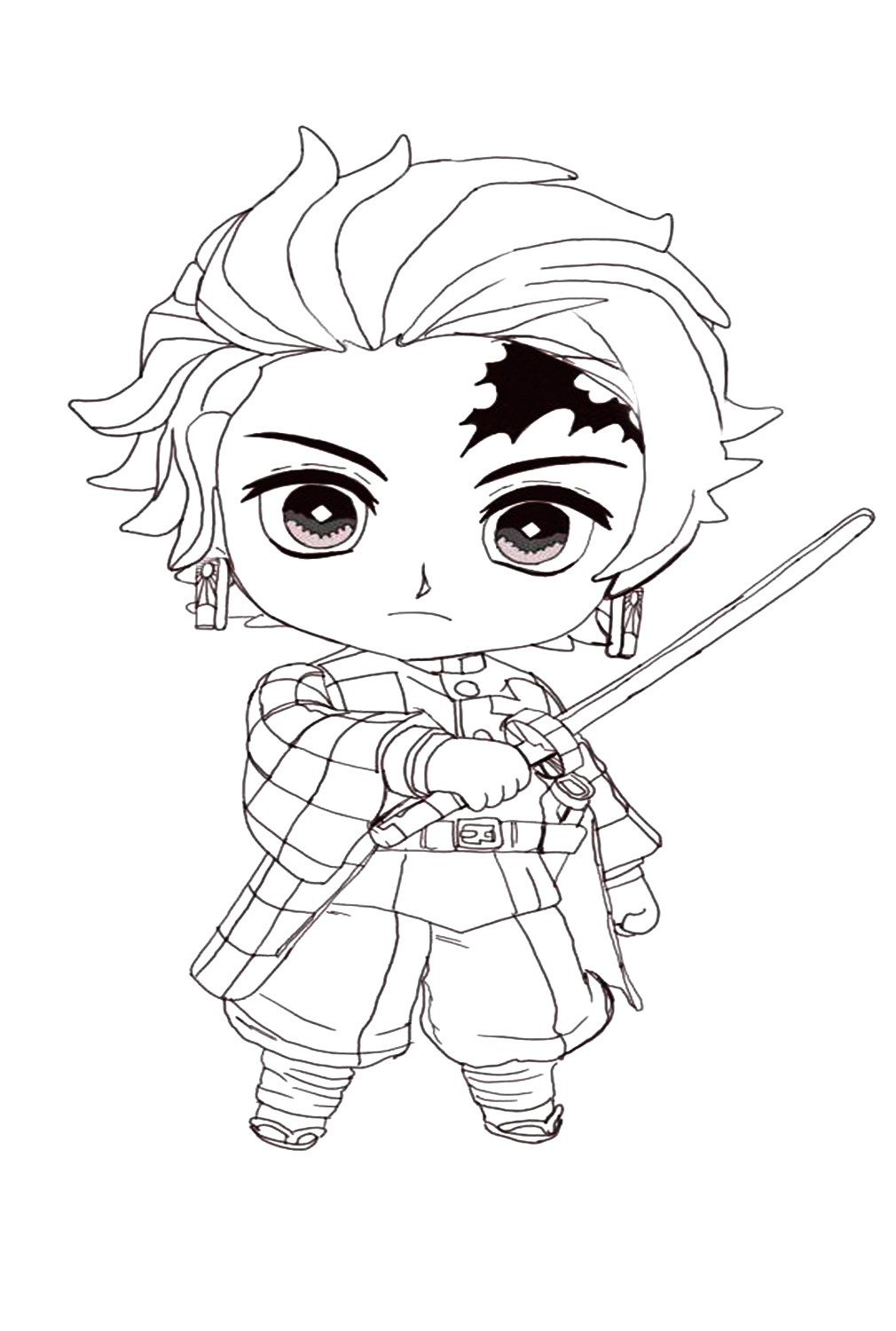
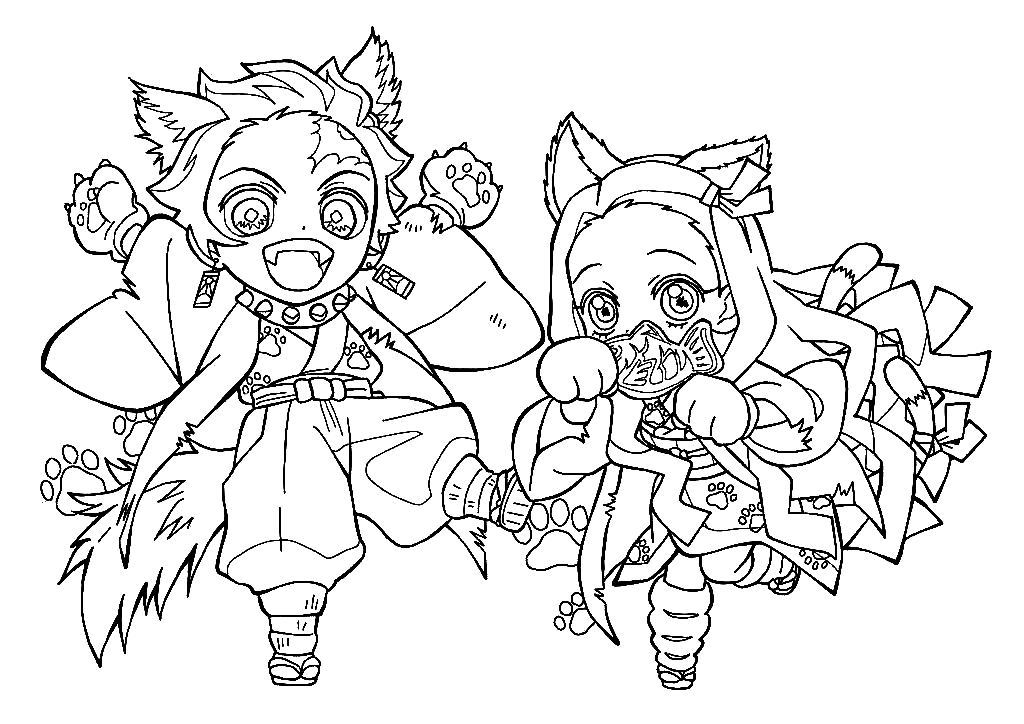
The chibi designs shrink Tanjiro into big-headed, rounded proportions, often with an oversized sword or a tiny chibi Nezuko beside him. The haori has fewer and larger squares at this scale, so it is the easiest place for younger fans to practice the checkered pattern in Pine Green and Black.
Demon Tanjiro
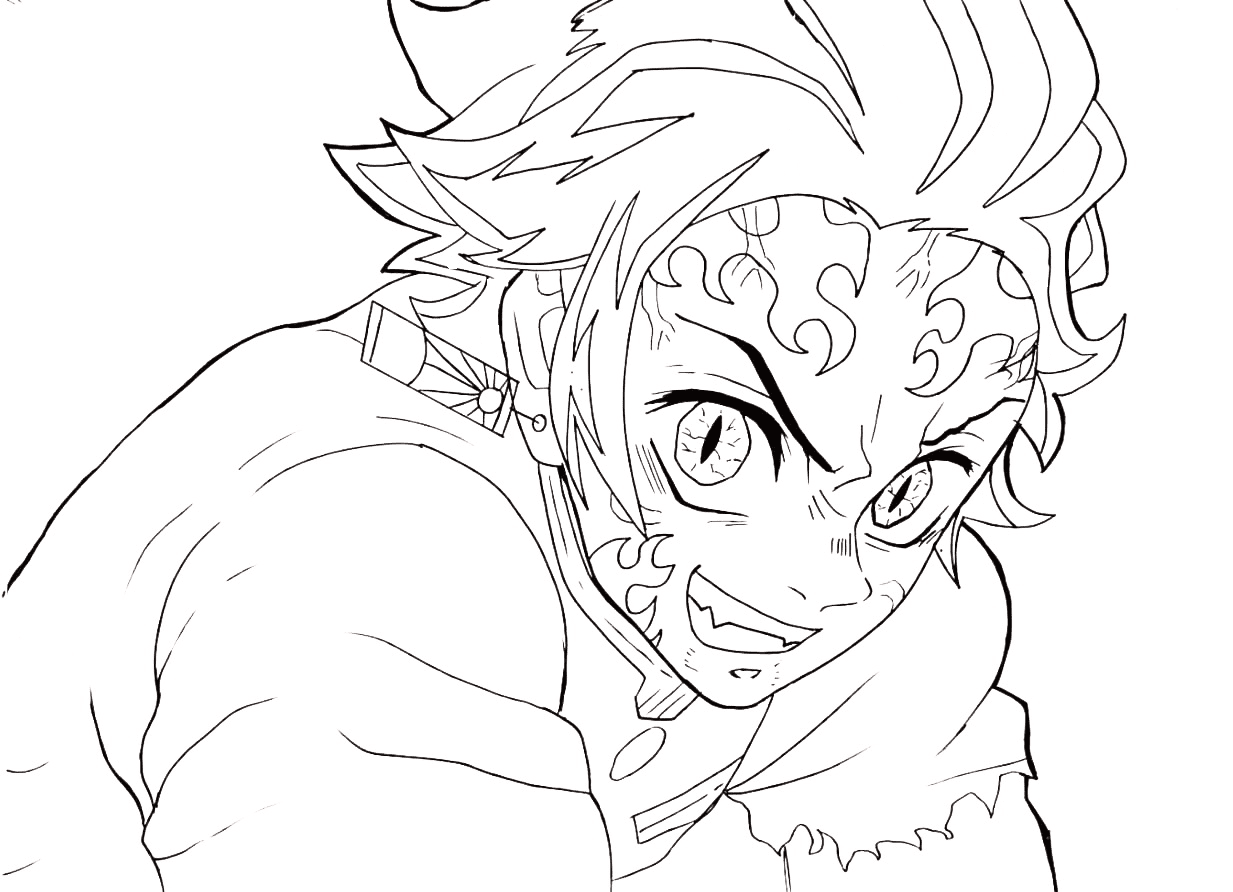
One rare page shows the brief demon form Tanjiro takes near the very end of the story, the most tonally different design in the collection. Keep the same haori pattern but lean on cooler, slightly grayed greens and paler skin so the change reads clearly while he stays recognizable.
Family, Friends, and Teachers
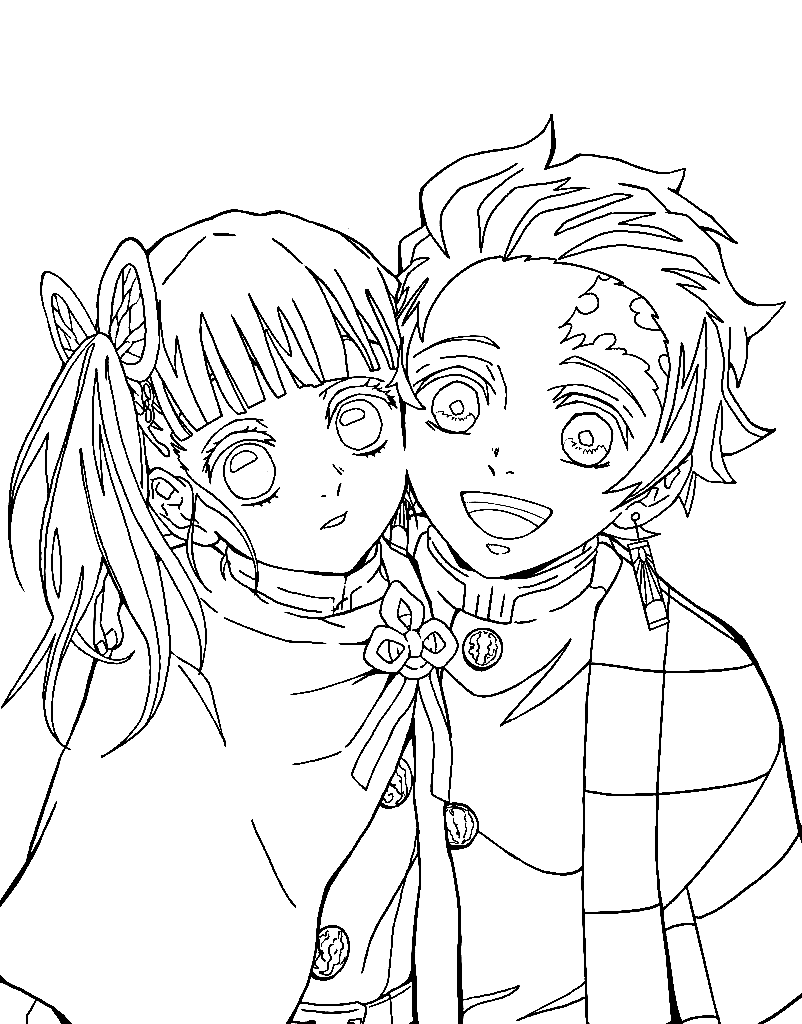
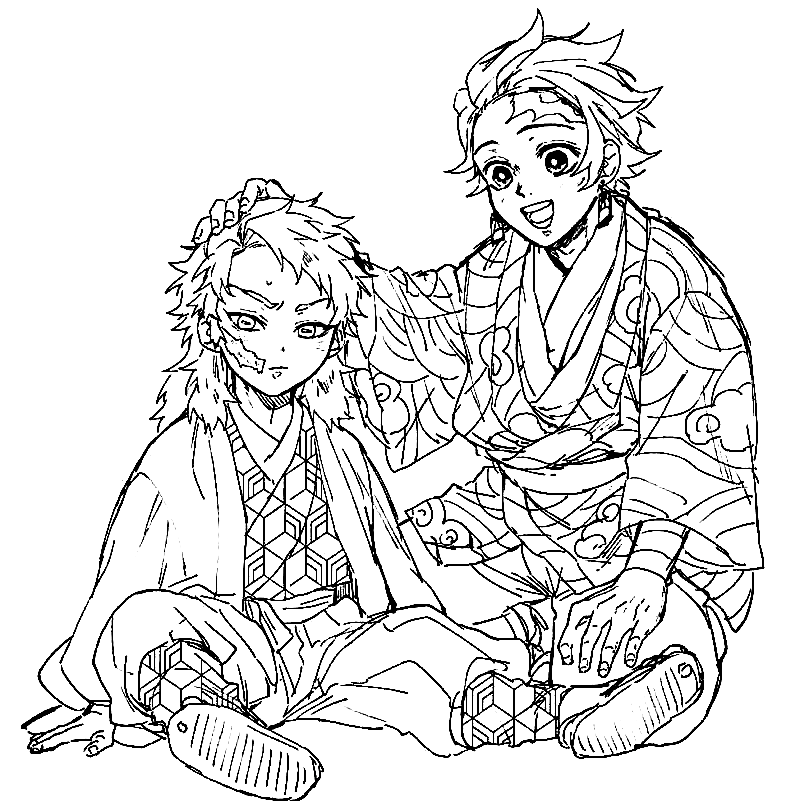
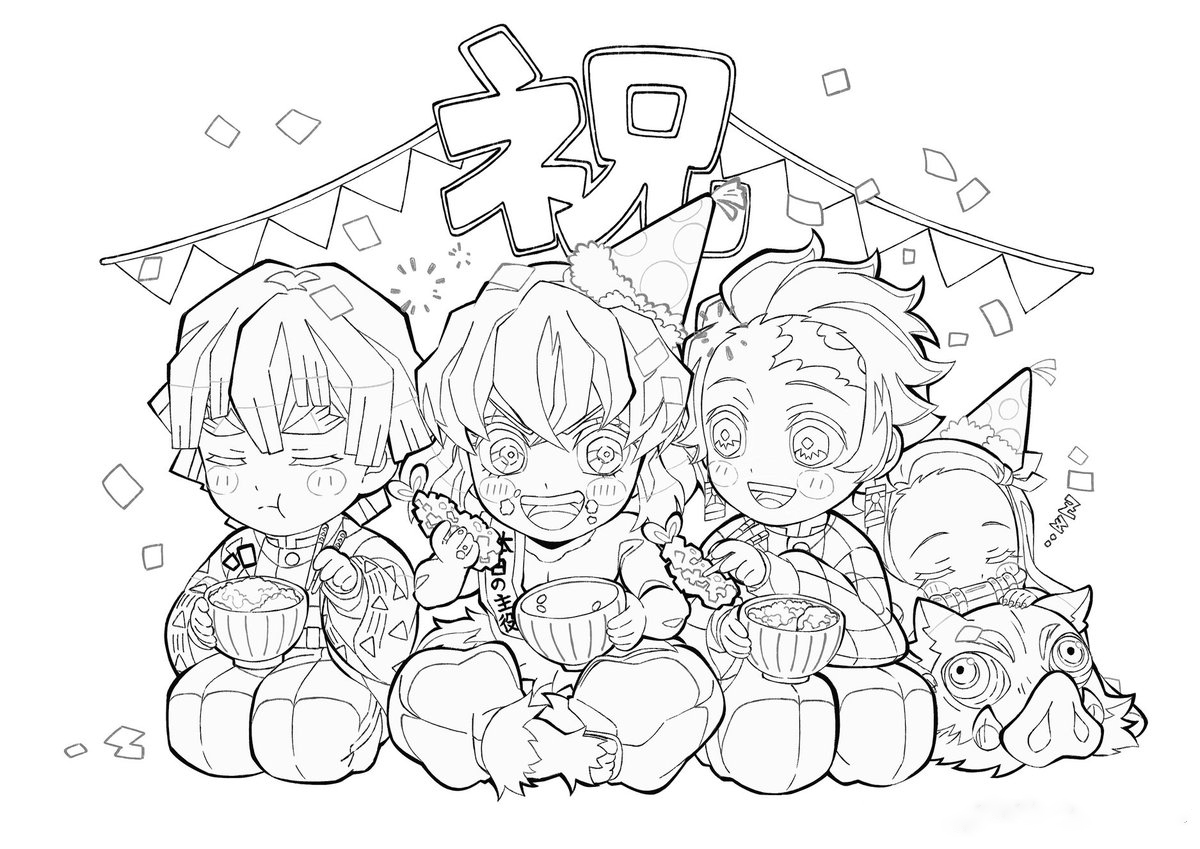
The remaining pages bring in the people around Tanjiro, from his younger brother Kamado Takeo and his look-alike ancestor Sumiyoshi Kamado to Kanao, Sabito, and a four-character group page with his closest companions. Color Sabito’s hair a soft Peach with a white-and-red fox mask, and anchor the group page with Pine Green for Tanjiro, Goldenrod for Zenitsu, and Carnation Pink for Nezuko.
What Tanjiro Coloring Pages Do
A story told through inherited details. Tanjiro carries his family with him in visible ways: the hanafuda earrings handed down through the Kamado line, the Hinokami Kagura dance his father performed, and a strong family resemblance to his ancestor Sumiyoshi. Coloring the family pages next to the standard Tanjiro pages turns that idea of inheritance into something kids can see and compare side by side.
Fine motor control through a repeating grid. The American Academy of Pediatrics names fine motor skill growth as a central benefit of structured coloring for children between the ages of 2 and 7. Tanjiro’s checkered haori is an ideal practice ground for that skill, since keeping each square inside its lines across folds and curves takes slow, deliberate hand control. At the same time, the chibi pages offer the same pattern in larger, friendlier squares.
Calm through steady, repetitive work. Findings published in the Art Therapy Journal in 2005 showed measurable reductions in anxiety after structured coloring sessions. Filling a long run of green and black squares has a rhythm to it that suits exactly that kind of settled, focused session.
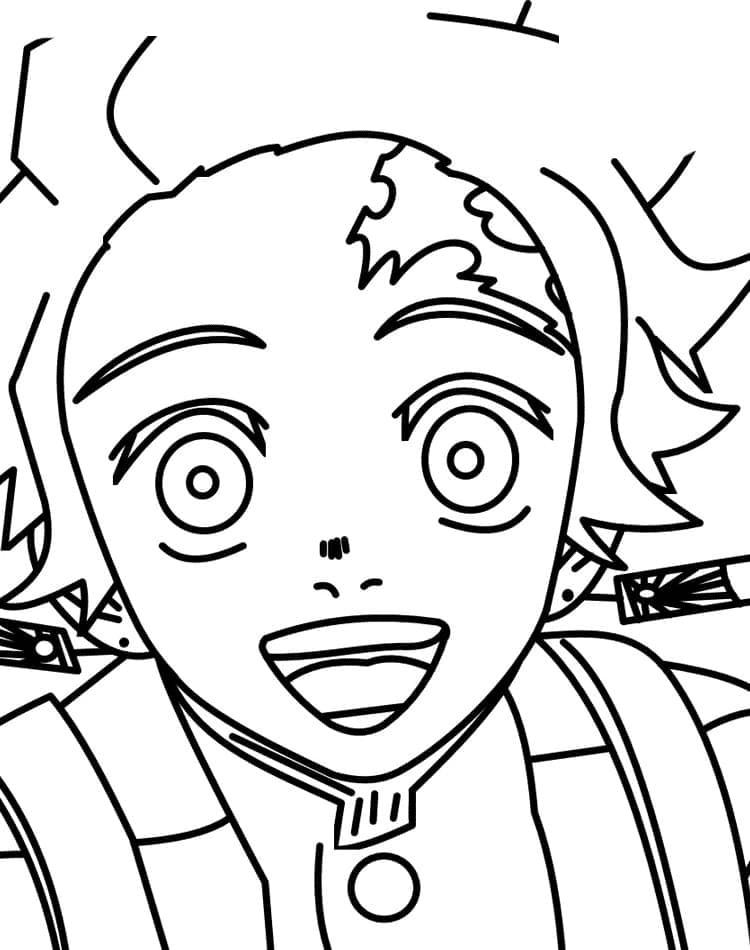
Kindness is a character trait worth noticing. Tanjiro stands out among action heroes for showing compassion even toward the people and creatures he must face. Pages with his gentle, smiling expressions give parents and teachers an easy opening to talk about empathy alongside the coloring itself.
How to Color Tanjiro Coloring Pages Well
- Plan the checkerboard before filling it. The green-and-black grid covers Tanjiro’s haori across curves, folds, and overlapping layers. On any page where the haori is visible, lightly mark out the grid structure before adding color. Attempting to fill the squares freehand usually results in irregular sizing. Count the squares from shoulder to hem and maintain consistent column alignment.
- The green should be forest green, not bright. Tanjiro’s haori green is a medium, slightly muted forest green: earthy rather than vivid. A bright or lime green loses the traditional, worn quality of the garment. A darker, more saturated green than Nezuko’s kimono keeps the two related but distinct.
- Demon Tanjiro benefits from cooler, desaturated tones throughout. The transformation removes Tanjiro’s warmth. Cooler skin, slightly greyed-down haori green, and darker sclera all shift the same character into a different register without changing the palette structure entirely.
- On the group page, establish each character’s dominant color first. Tanjiro’s forest green haori, Zenitsu’s golden-yellow, Inosuke’s pale blue-grey and ivory skull, and Nezuko’s pink: setting these four anchor colors first prevents any single character from dominating or fading.
5 Creative Craft Ideas with Tanjiro Coloring Pages
1. Heritage Haori Pair
Color a Tanjiro standard page and the Sumiyoshi Kamado page side by side, keeping the checkerboard pattern identical on both. Label them with their names and generations.
Two people from different eras wearing the same haori. The pattern connecting them is the most direct visual statement the series makes about Tanjiro’s inheritance. Takes about twenty-five minutes.
2. Before and After: Demon Tanjiro
Color a happy or smiling Tanjiro page alongside the Demon Tanjiro page using the same haori pattern but shifted tones. Label them: “Tanjiro Kamado” and “Demon Tanjiro.”
The same character before and after the series’s most shocking transformation, unified by the haori pattern. Takes about twenty-five minutes.
3. Tanjiro and Nezuko Sibling Display
Color the Tanjiro and Nezuko art page or carrying page, treating the green family between his haori and her kimono as a deliberate visual connection – Mount and display as a sibling portrait.
The series’s central relationship is in a single paired image. Takes about twenty minutes.
4. Full Demon Slayer Corps Quartet
Color the four-character group page with Tanjiro, Zenitsu, Inosuke, and Nezuko. Use the anchor color approach: forest green, golden yellow, pale blue-grey, ivory, and pink.
The largest and most colorfully complex page in the set. Takes about thirty-five minutes.
5. Chibi Family Set
Color chibi Tanjiro, chibi Tanjiro with a sword, and chibi Tanjiro and Nezuko side by side. The simplified checkerboard on chibi forms makes this a good entry point for younger fans.
A three-page chibi display of the Kamado siblings. Takes about twenty minutes.
FAQ About Tanjiro Coloring Pages
Are these Tanjiro coloring pages free, and can I color them online?
Yes. Every page is free, with no account, email, or payment required. Download the PDF to print at home, or open it in the online coloring tool to color on screen.
Who is Tanjiro Kamado?
Tanjiro Kamado is the protagonist of Demon Slayer: Kimetsu no Yaiba by Koyoharu Gotouge, serialized in Weekly Shonen Jump from February 15, 2016. He is the eldest son of the Kamado family, who joins the Demon Slayer Corps after his family is killed by Muzan Kibutsuji and his sister, Nezuko, is transformed into a demon. His goal throughout the series is to restore Nezuko to human form and defeat Muzan.
What does the checkerboard pattern on Tanjiro’s haori mean?
Tanjiro’s green-and-black checkerboard haori was inherited from his father, Tanjuro Kamado. The same pattern appears on his ancestor, Sumiyoshi Kamado, establishing it as a Kamado family garment passed down through generations. In Japanese textile tradition, checkerboard patterns known as ichimatsu were historically associated with protection and good fortune.
What is Tanjiro’s Breathing Style?
Tanjiro primarily uses Water Breathing, taught to him by his trainer Sakonji Urokodaki. He later accesses Hinokami Kagura, a Sun Breathing technique passed down through the Kamado family as a ritual dance. Sun Breathing is the original Breathing Style from which all others derive, making Tanjiro one of the few practitioners of the most powerful form in the series.
Who is Nezuko, and why does she appear with Tanjiro?
Nezuko Kamado is Tanjiro’s younger sister. After being attacked by Muzan Kibutsuji, she was transformed into a demon but retained her human emotions and refused to harm humans. She accompanies Tanjiro in a wooden box on his back, and the two are inseparable throughout the series.
Who is Sabito, and why does he appear in the set?
Sabito is a character from Tanjiro’s past, encountered during Final Selection training. He saved all the other participants but was killed by the last demon in the selection forest. Tanjiro encounters him in a vision and later avenges his death. Sabito has silver-white hair and wears a distinctive kitsune mask.
Are these official Tanjiro coloring pages?
No. These are fan-made coloring sheets for personal use and are not affiliated with, licensed by, or endorsed by Koyoharu Gotouge, Shueisha, Aniplex, ufotable, or any other rights holder of Demon Slayer: Kimetsu no Yaiba.
What age group are these pages best suited for?
Demon Slayer is rated for audiences aged 13 and up due to its action and dark themes. The coloring pages are appropriate for fans of the series from around age 8. Chibi pages are accessible to younger children who enjoy the character designs.
Start Coloring
Download any page by clicking the design. No account, email, or payment is required. Pages print directly from the browser at full resolution or open in the online coloring tool for screen use. Share finished pages on Facebook or Pinterest using the share buttons at the top of each design page.