Stingray Coloring Pages
 By:
Jennifer Thoa - Content Editor & Designer
Updated:
By:
Jennifer Thoa - Content Editor & Designer
Updated:
Free Stingray Coloring Pages: 21 printable PDF designs featuring classic portraits, freshwater stingrays, and full ocean-scene artwork. Each page can be downloaded as a PDF to print or colored online in the browser.
Stingrays are cartilaginous fish, closely related to sharks, with skeletons made of cartilage rather than bone. Their flattened, disc-shaped bodies are formed by enlarged pectoral fins, which most species use to glide through the water in slow, wave-like ripples rather than typical fish swimming motions. Many stingray species carry one or more venomous barbed spines near the base of the tail. Still, this feature is used purely for defense; stingrays are naturally shy and non-aggressive, and the barbs only come into play when a predator or a person steps on or threatens them directly. While most species live in marine environments, a smaller number of freshwater stingrays inhabit river systems, most notably in South America.
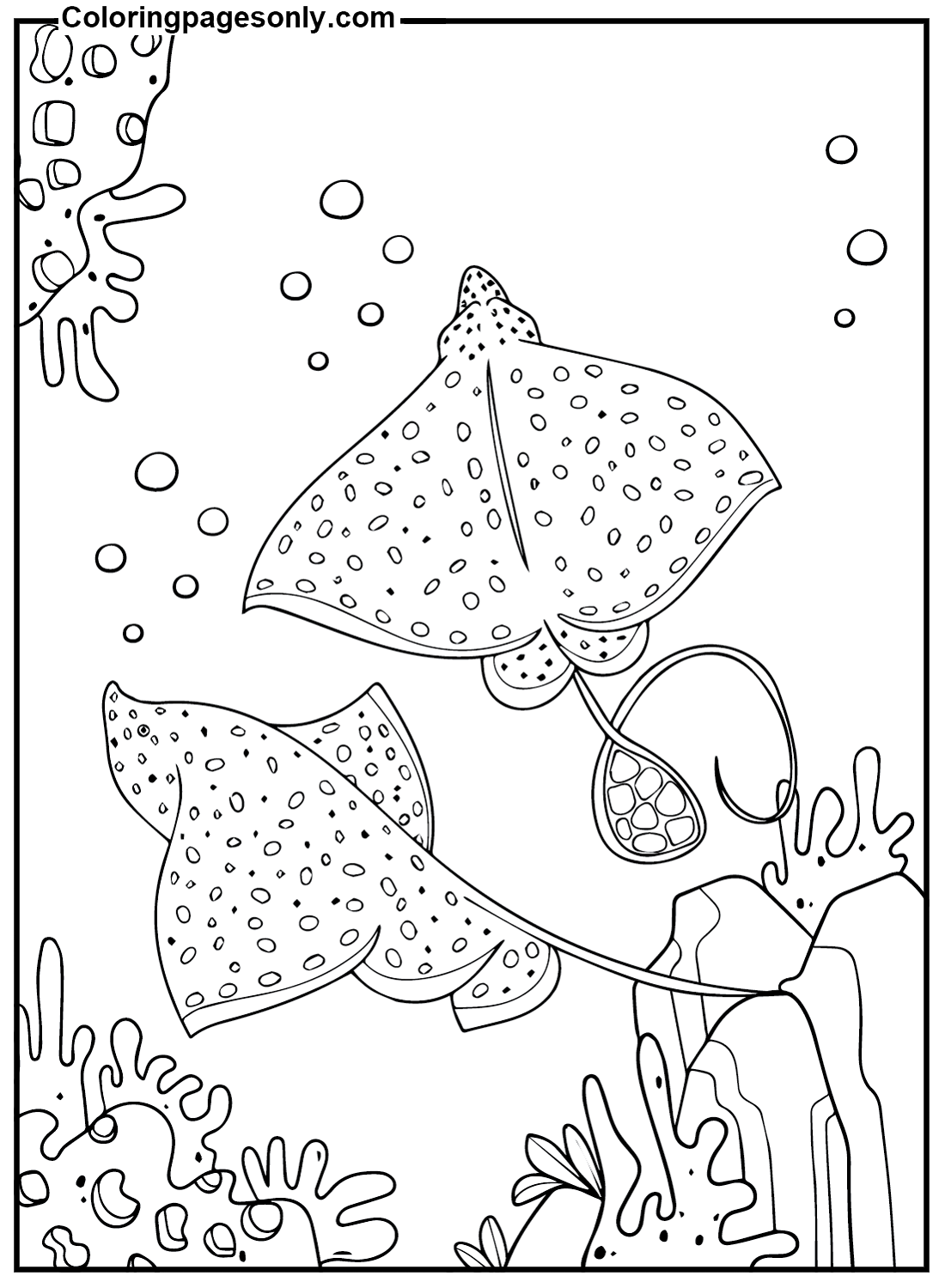
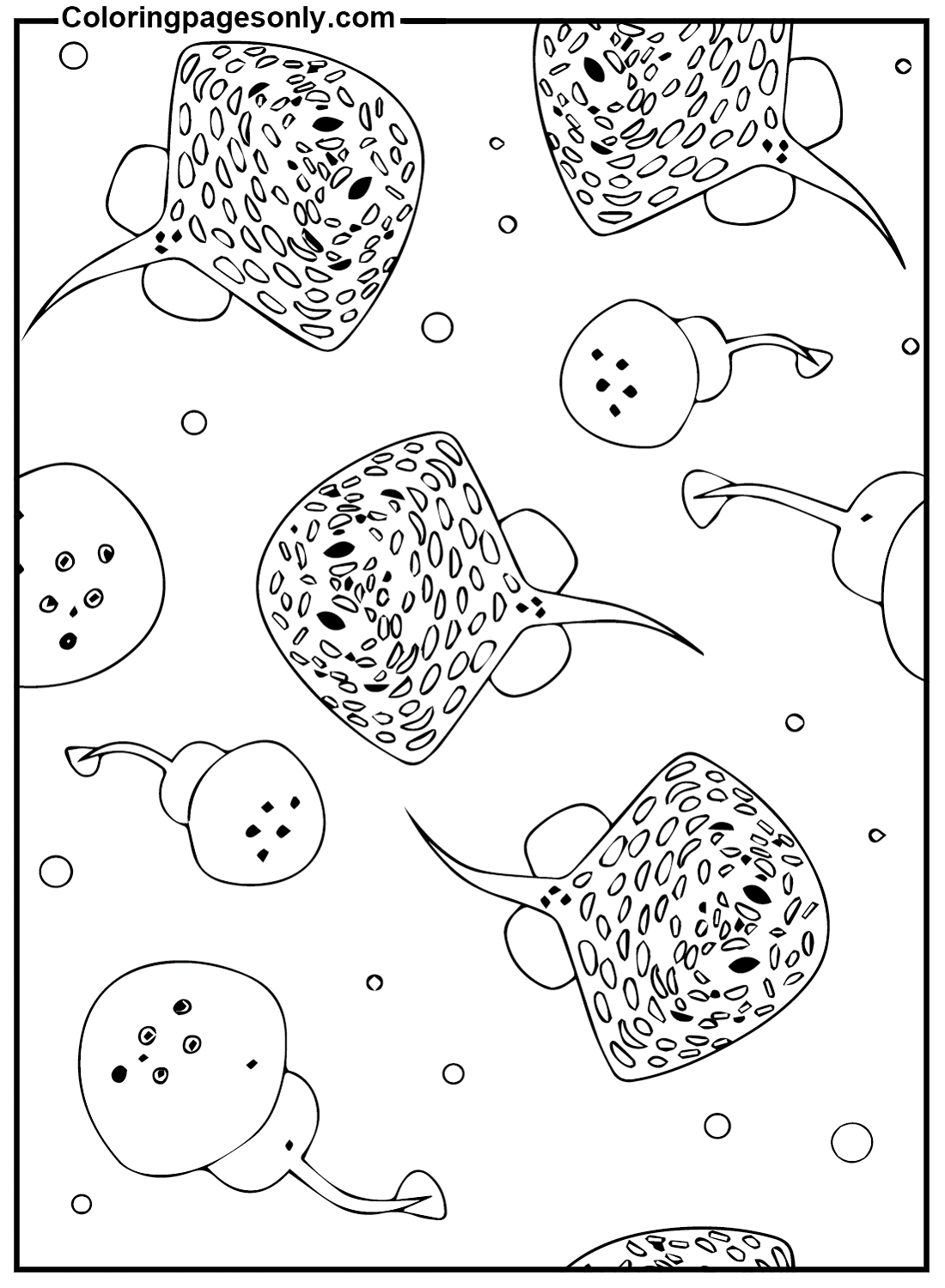
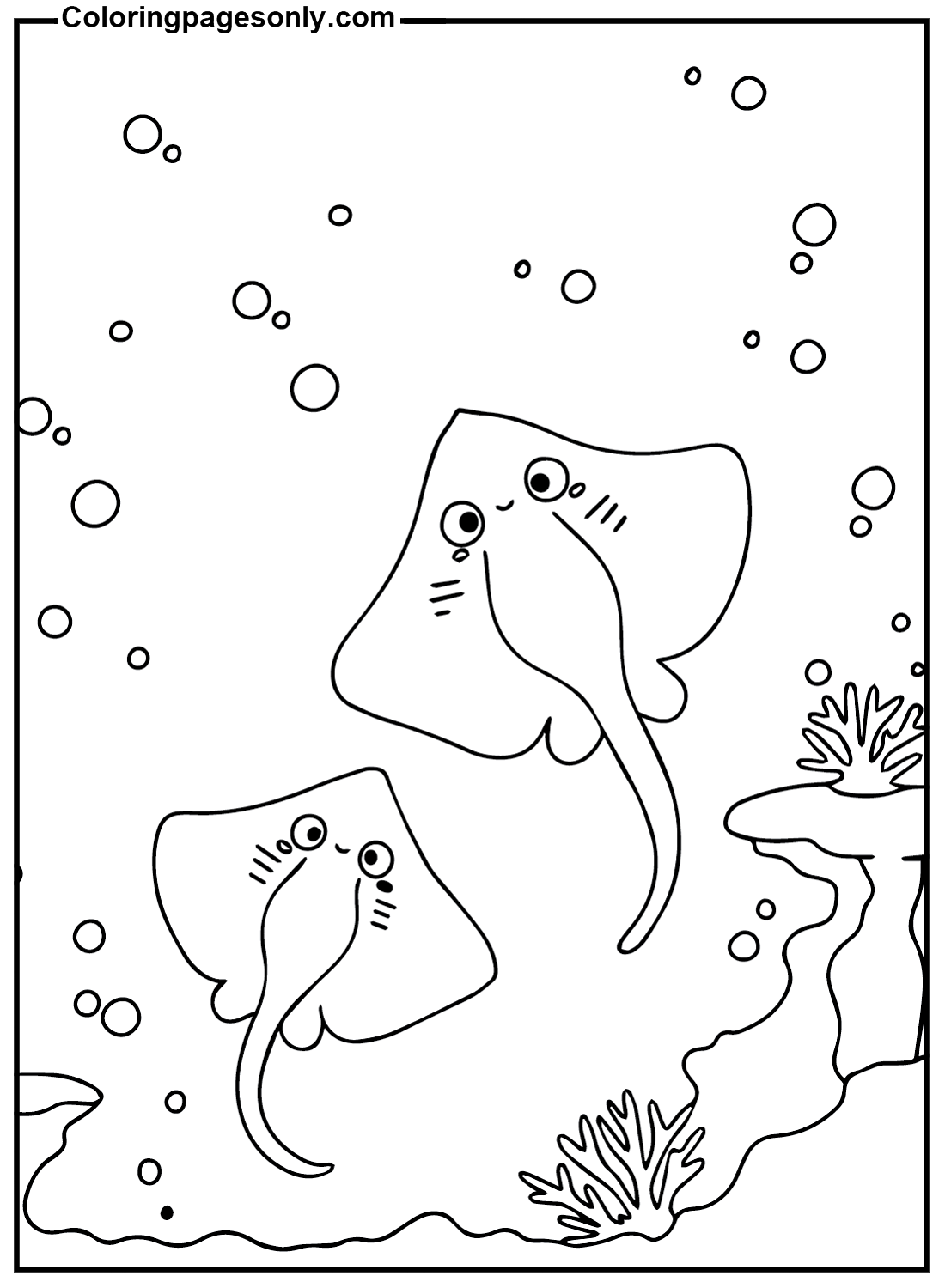
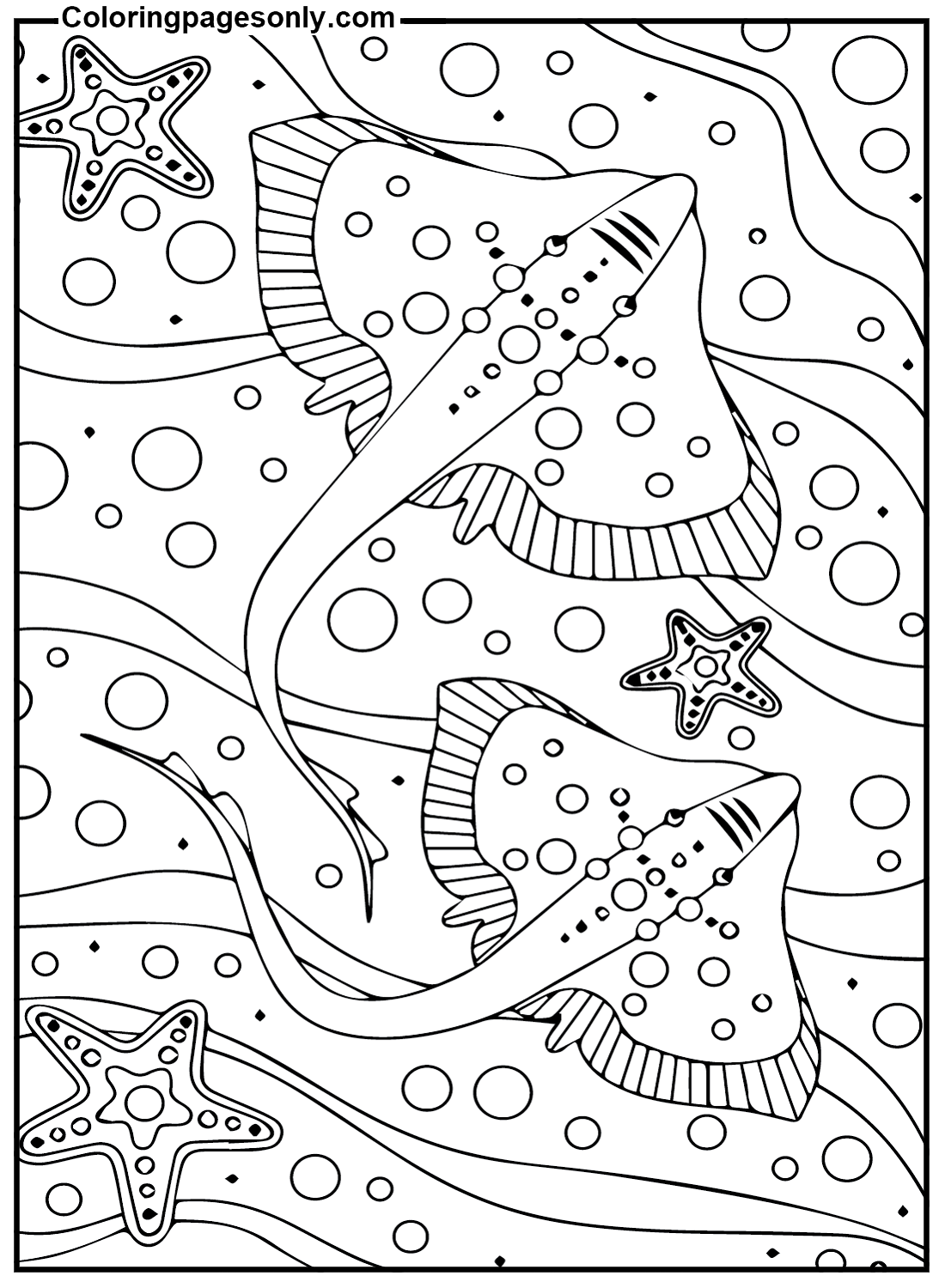
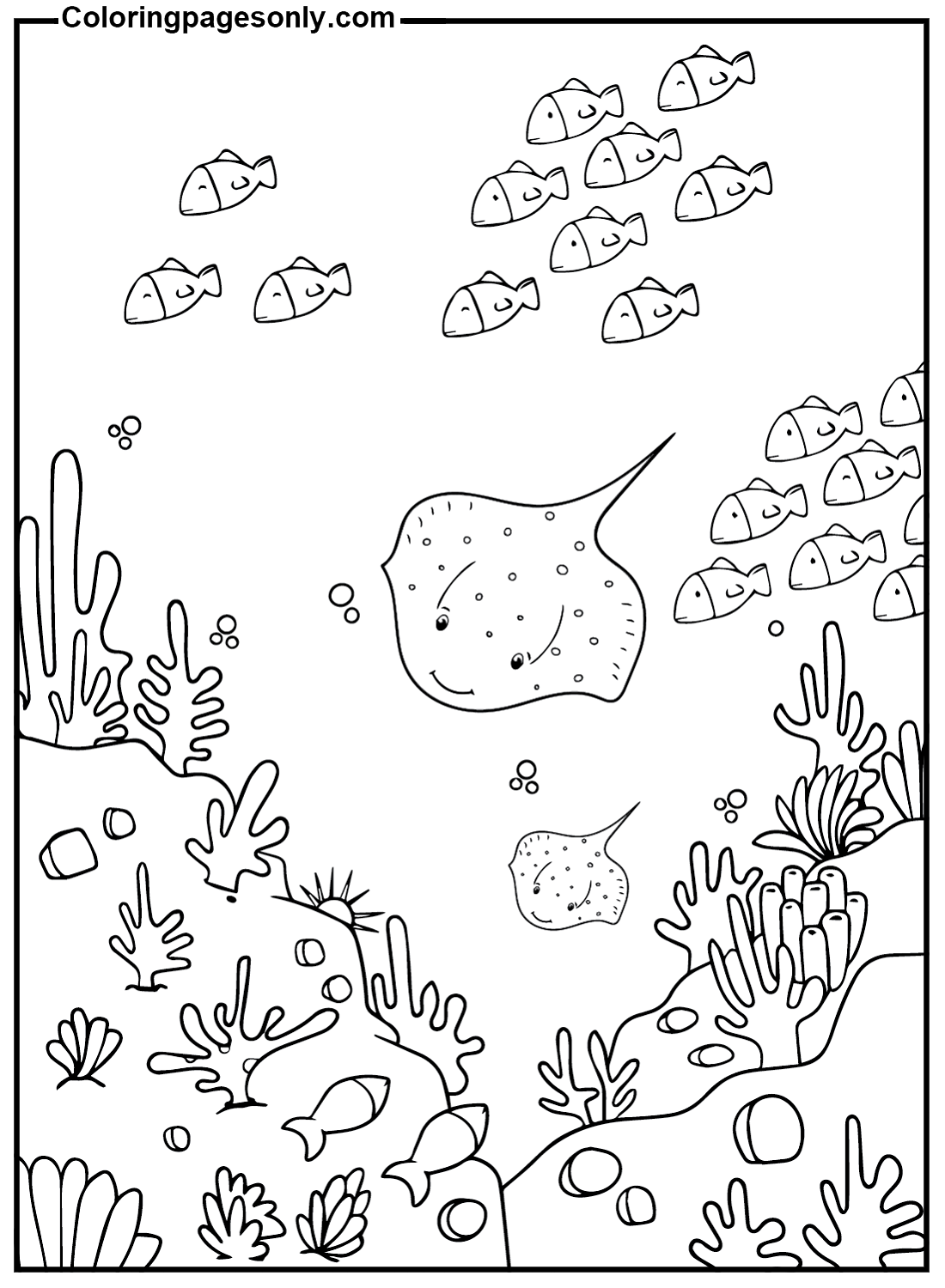
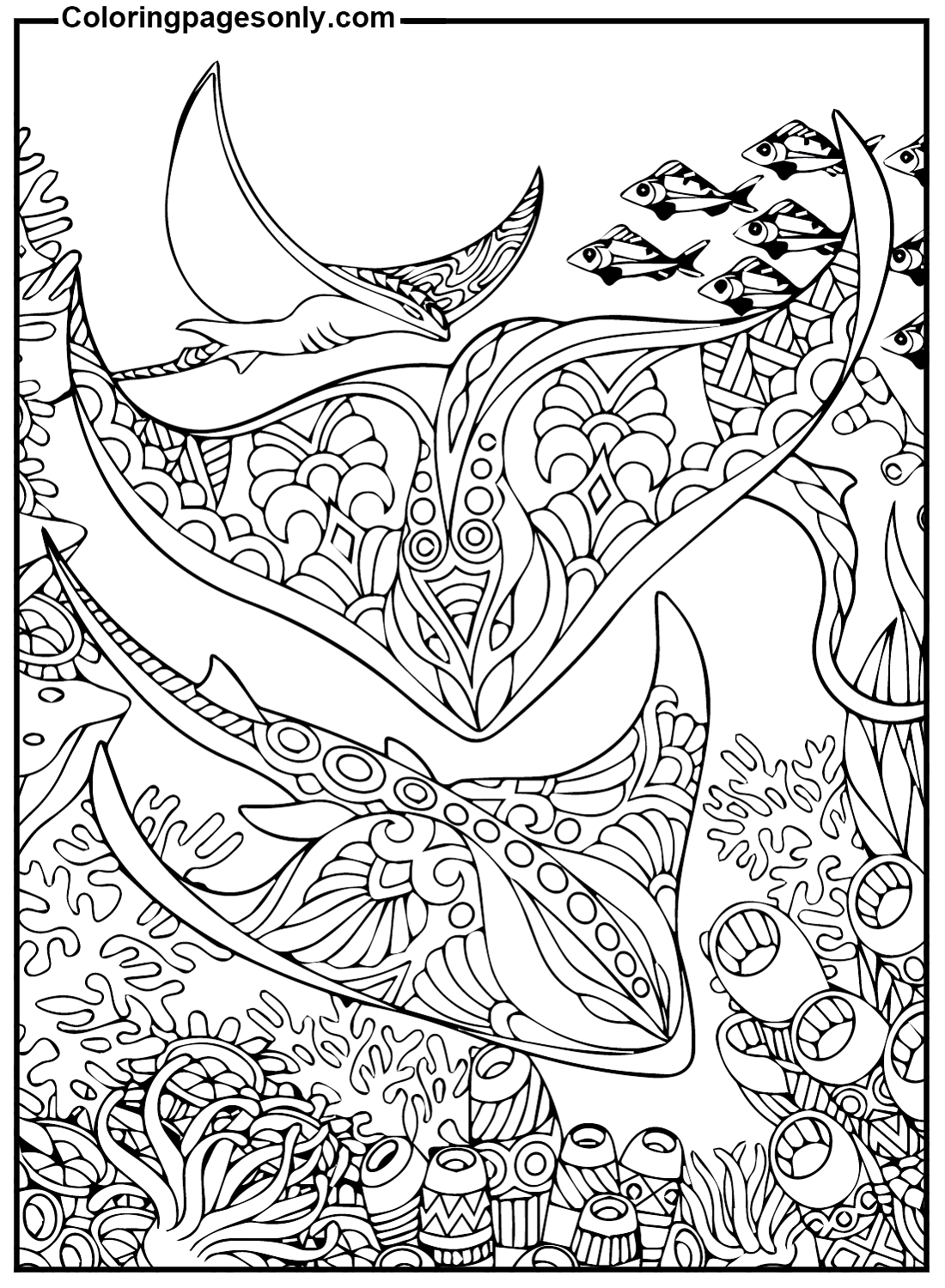
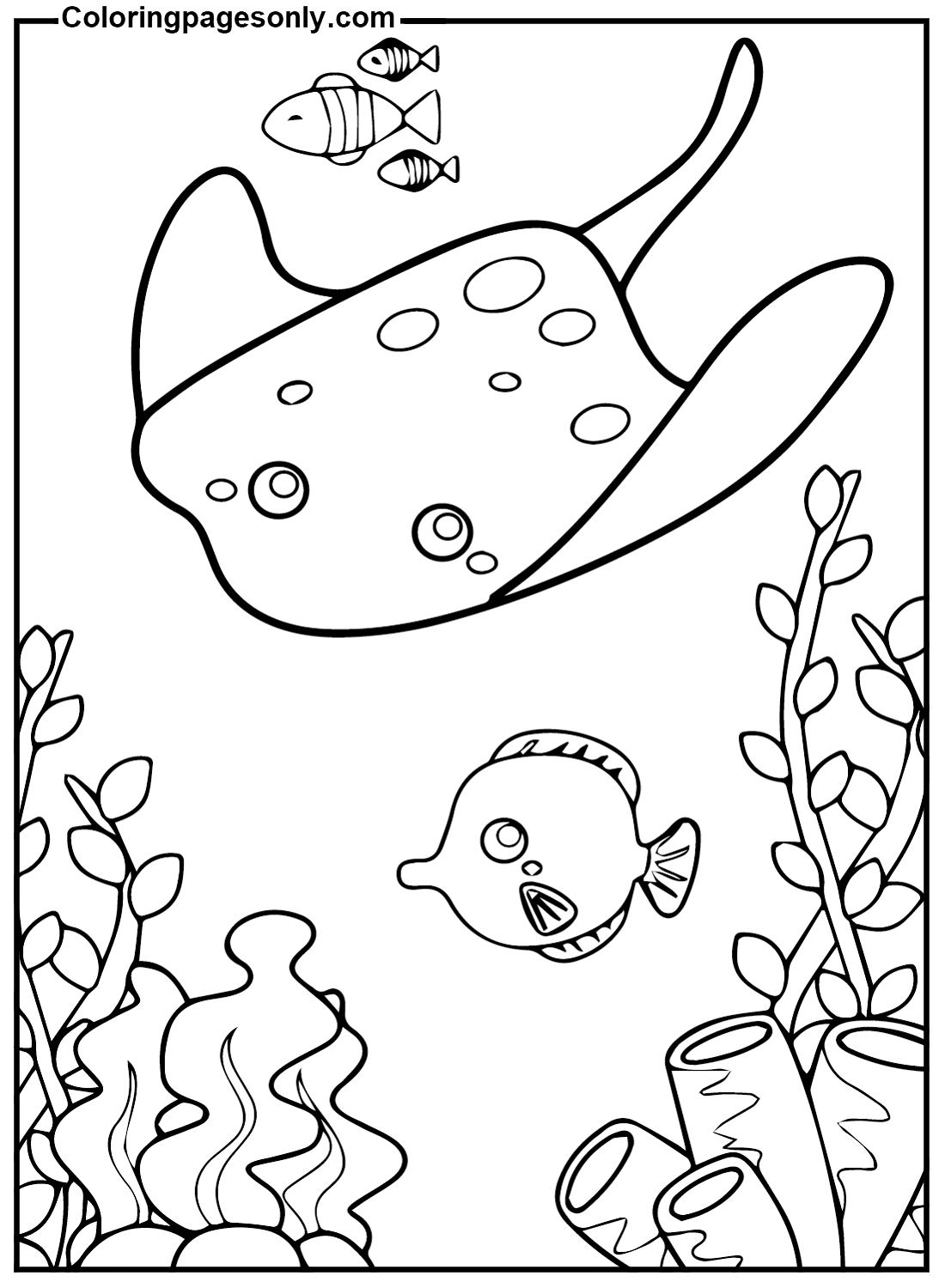
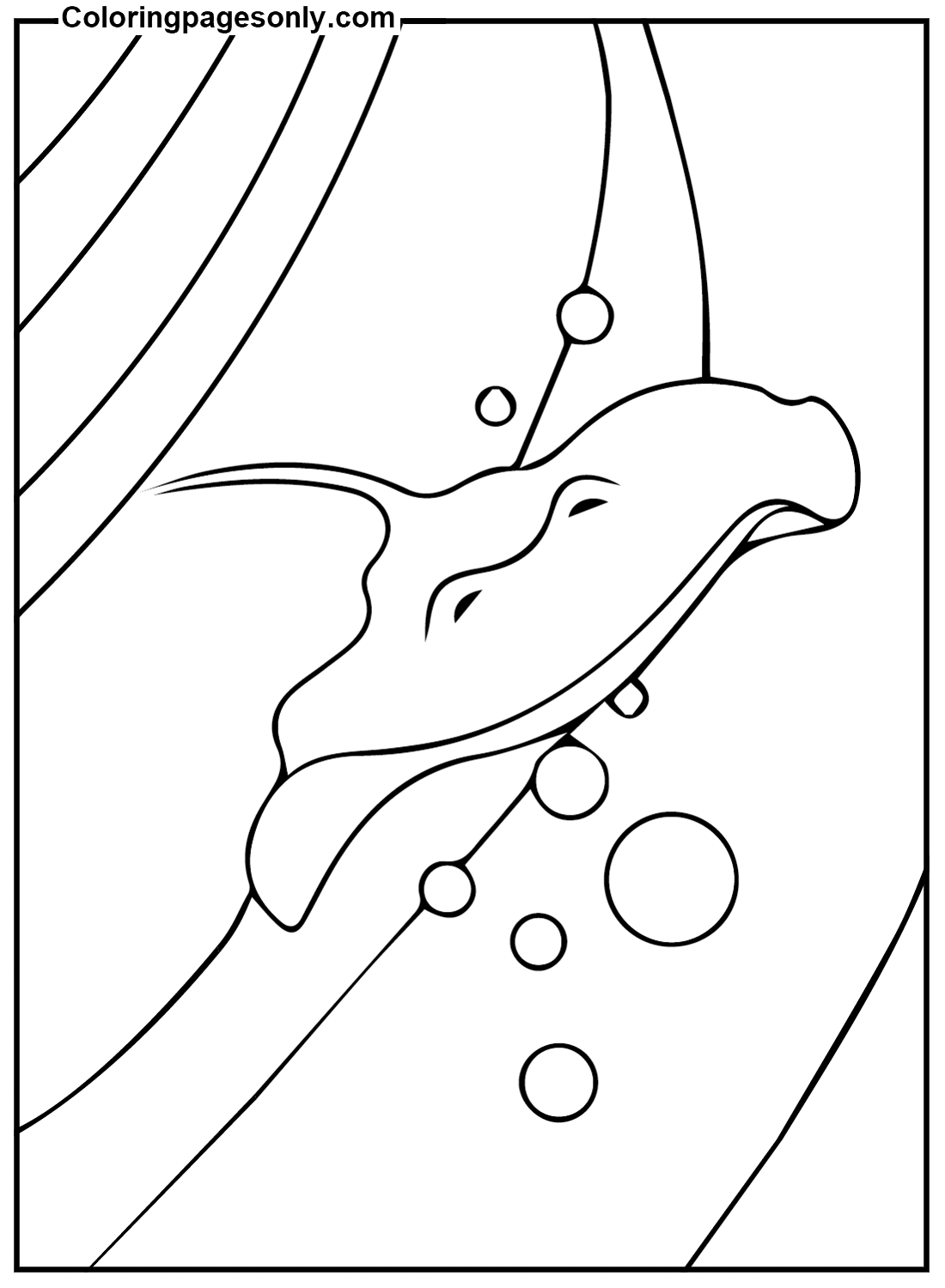
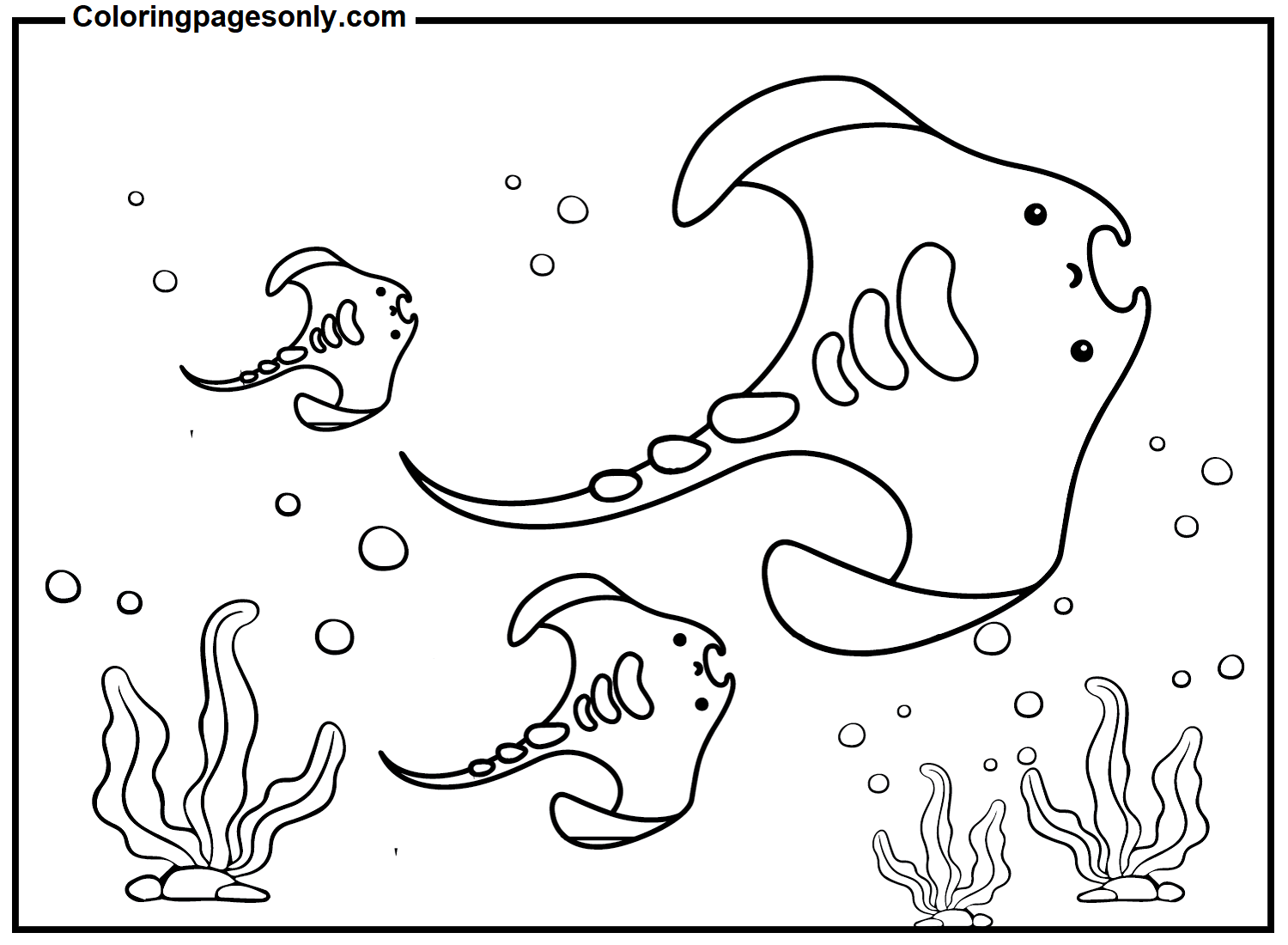
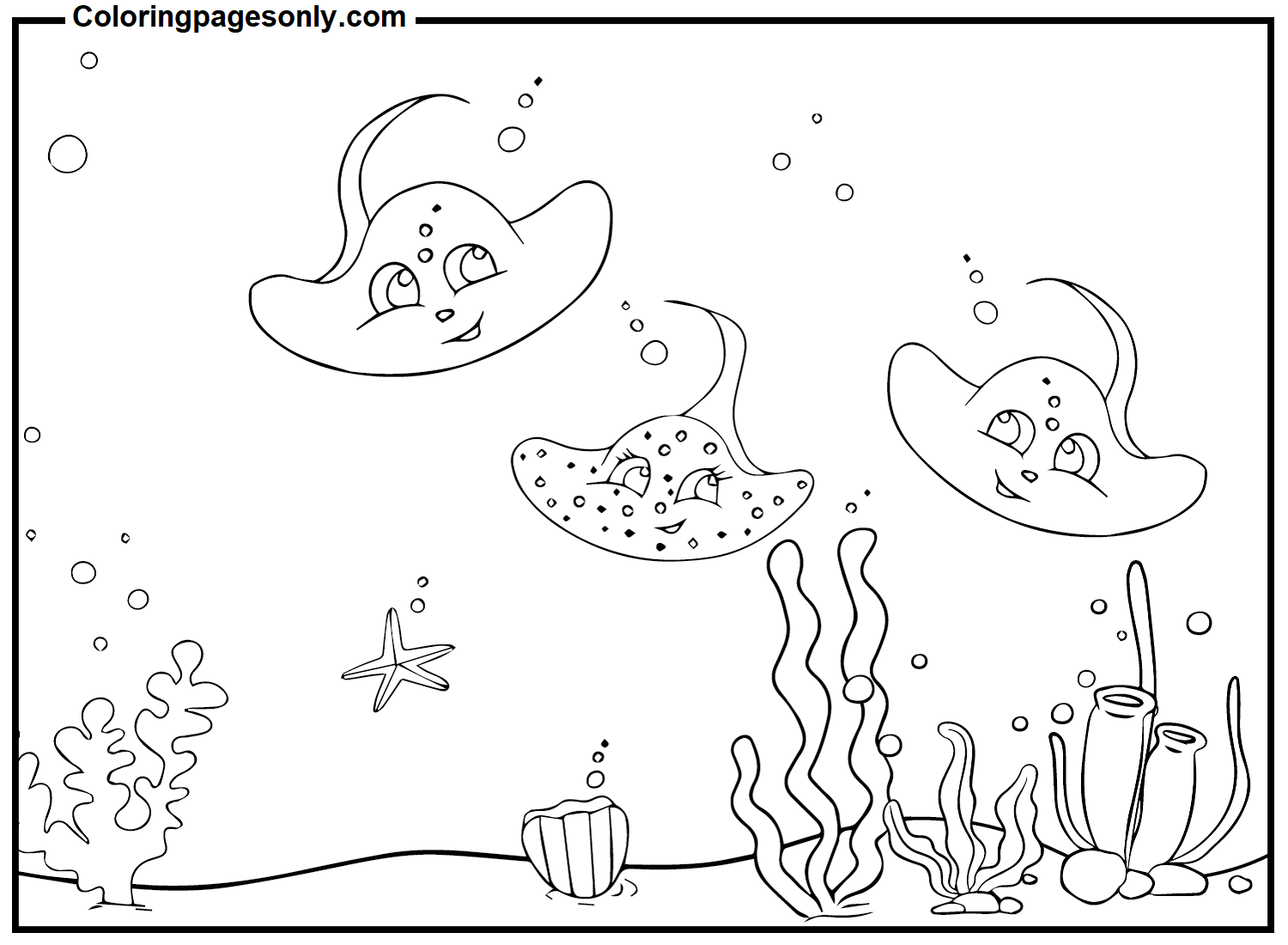
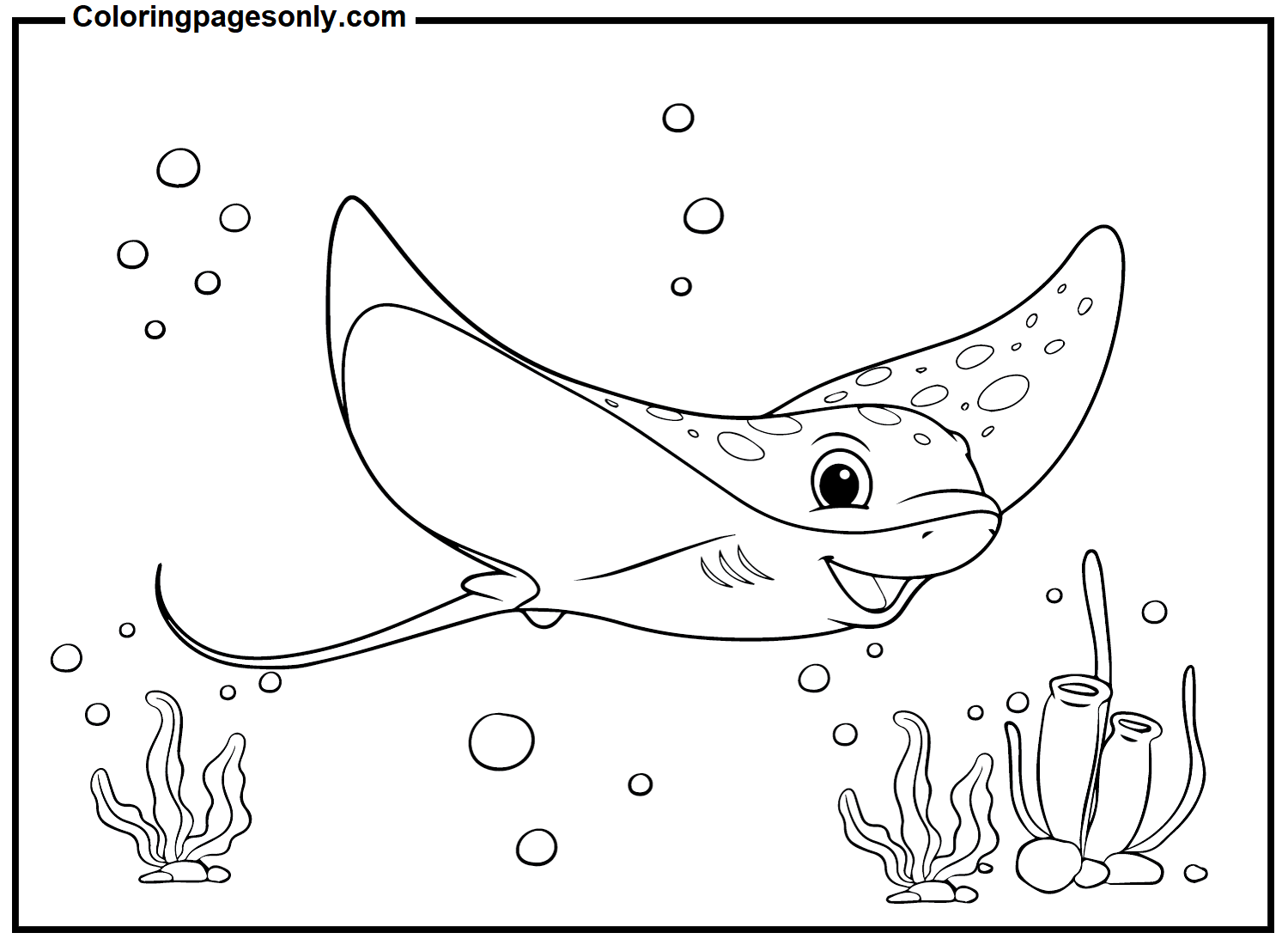
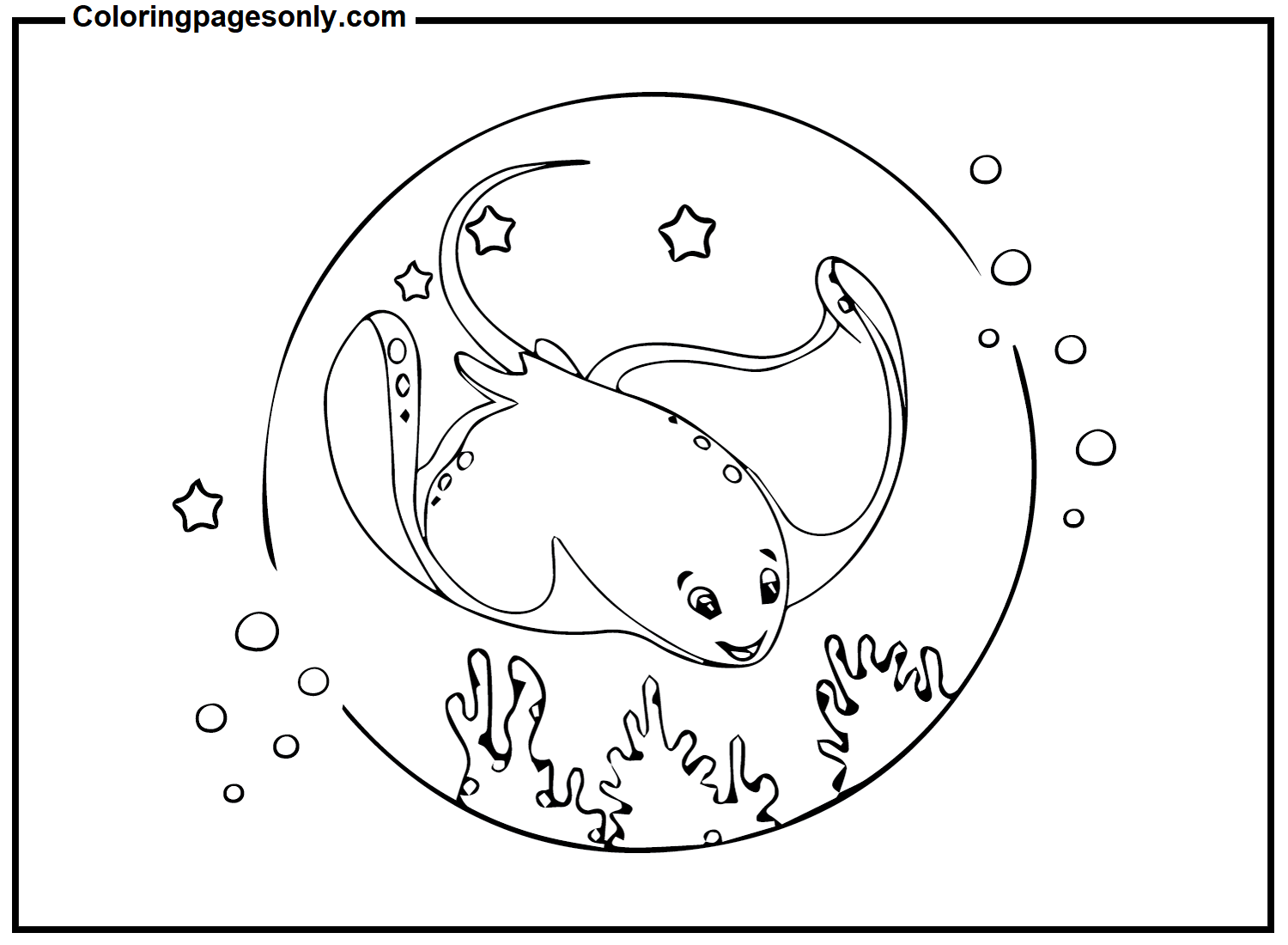
This collection spans 21 pages, grouped into classic portraits, printable sheets, ocean-scene designs, and species-specific or style-based artwork. The coloring angle ranges from simple standalone portraits to fuller underwater scenes.
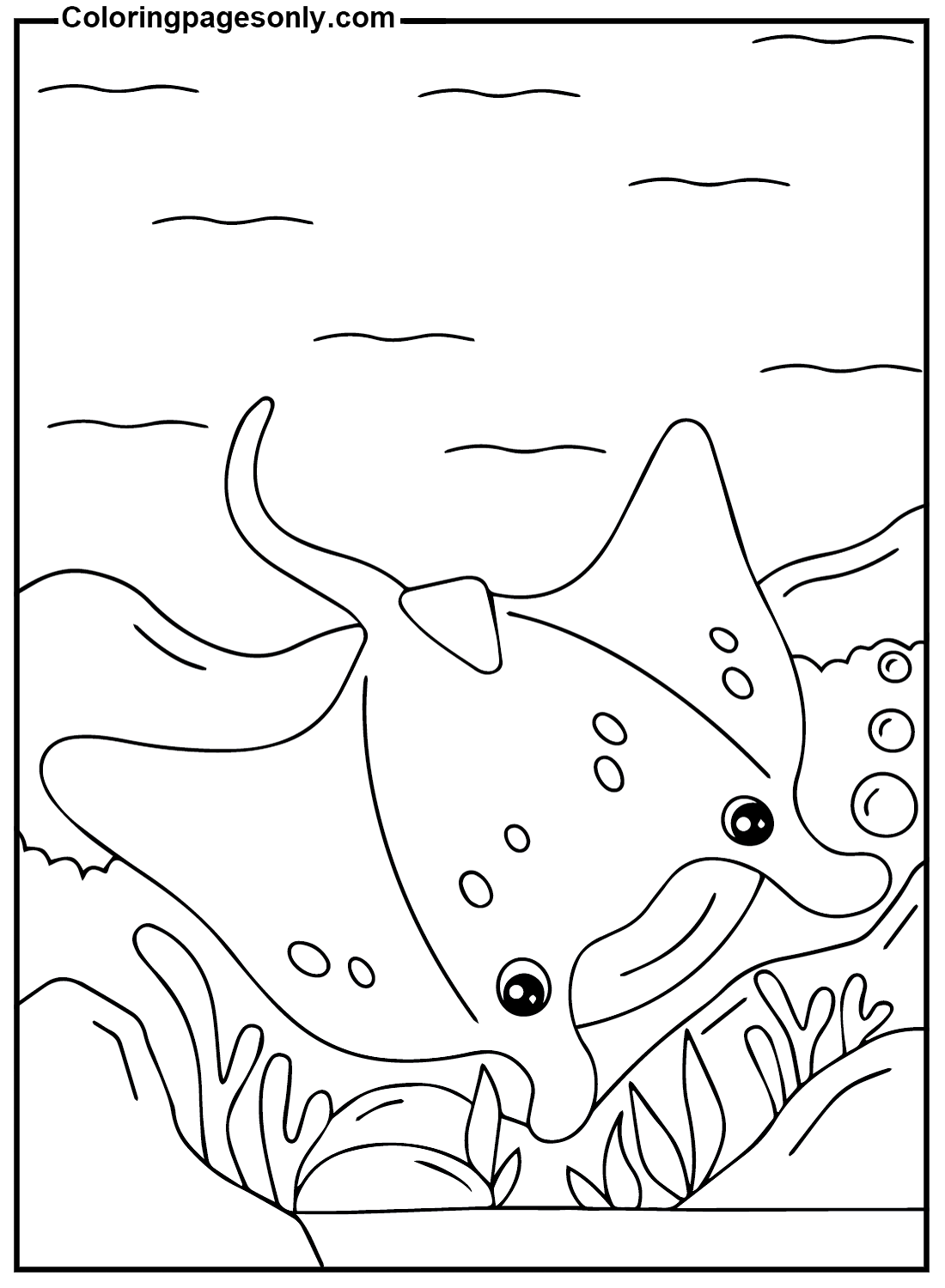
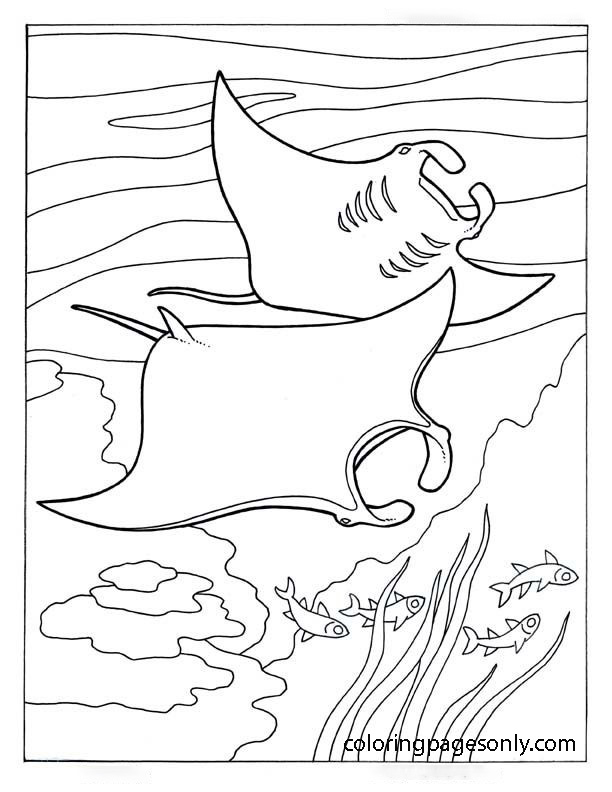

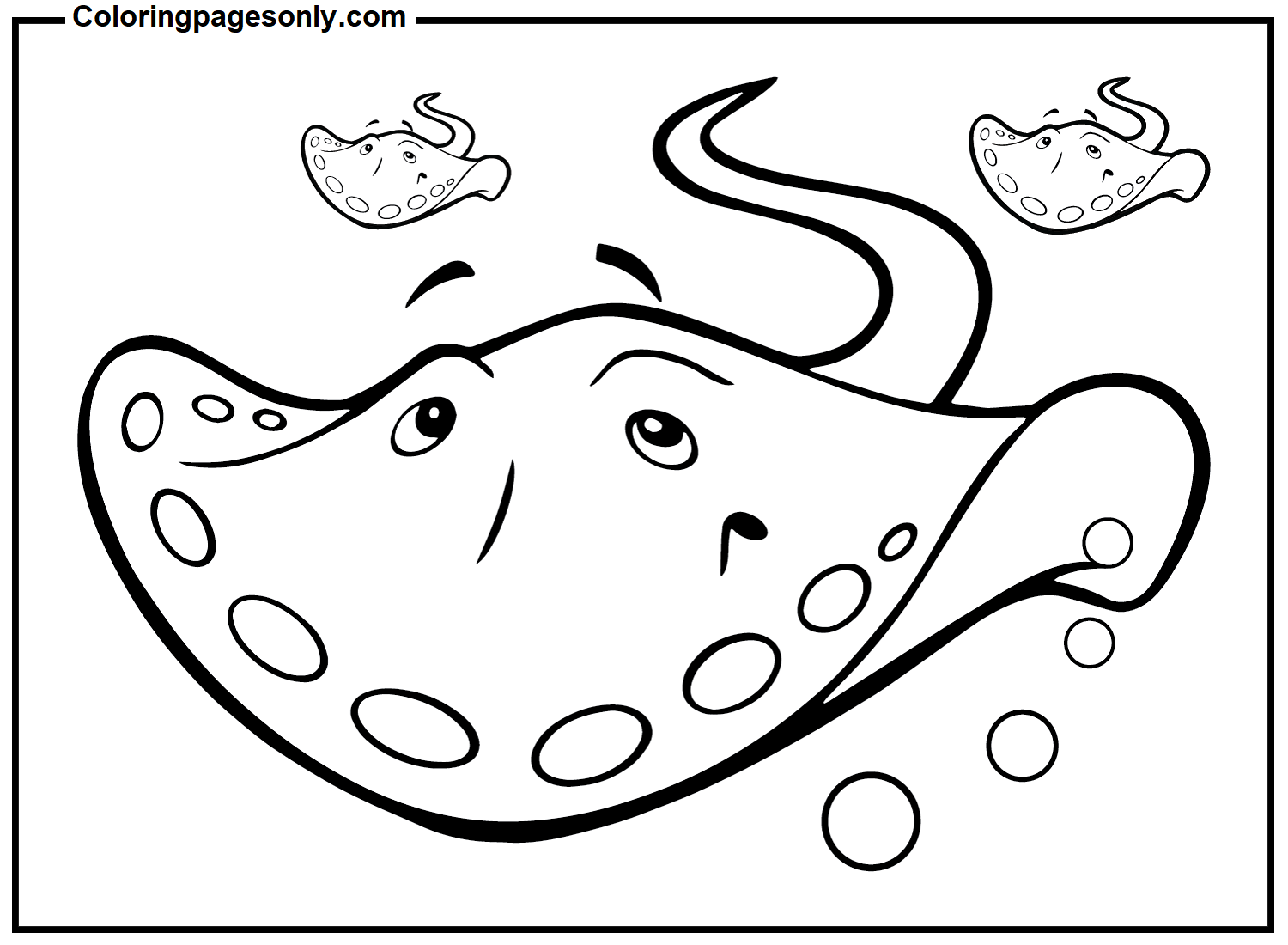
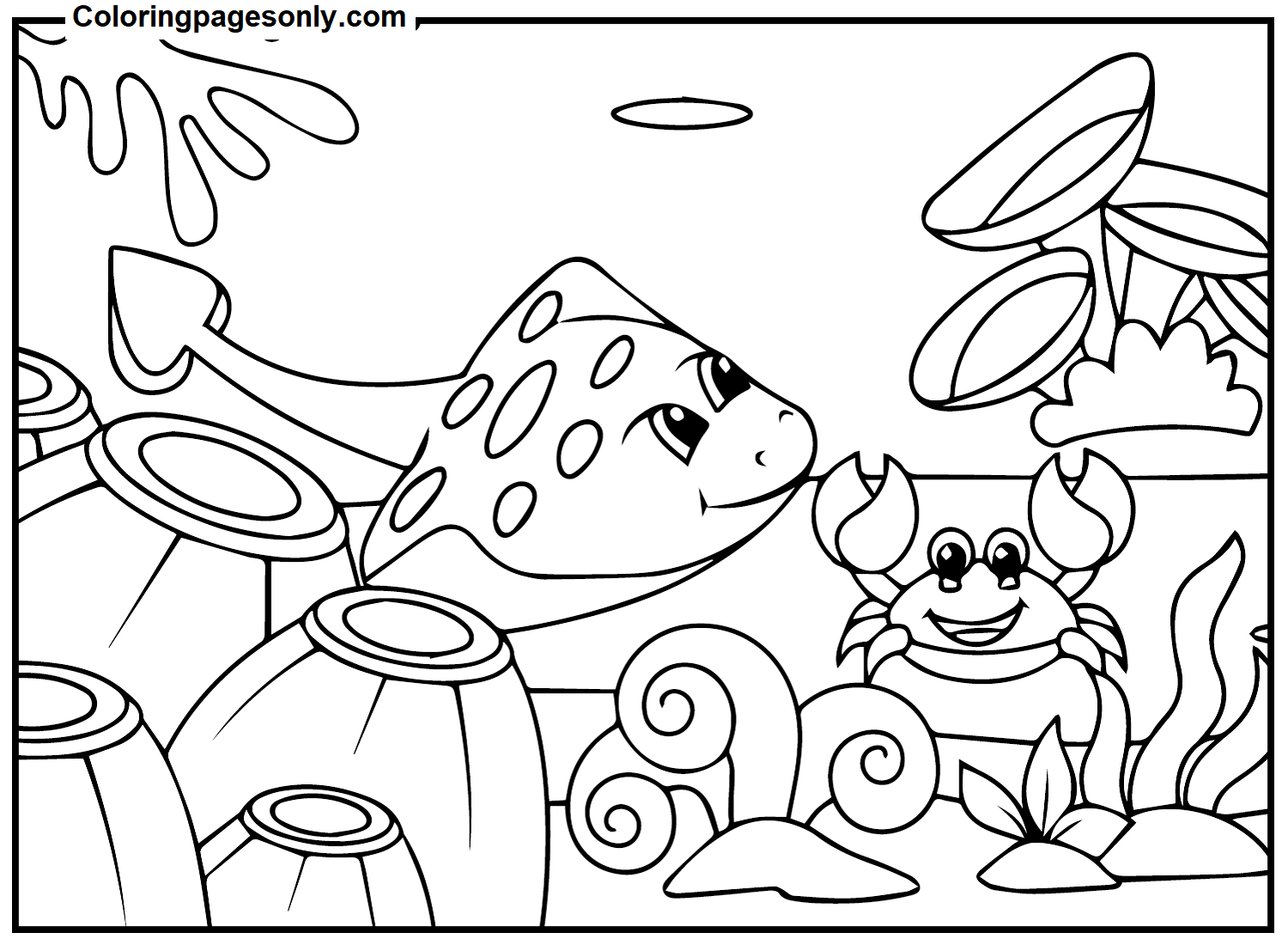

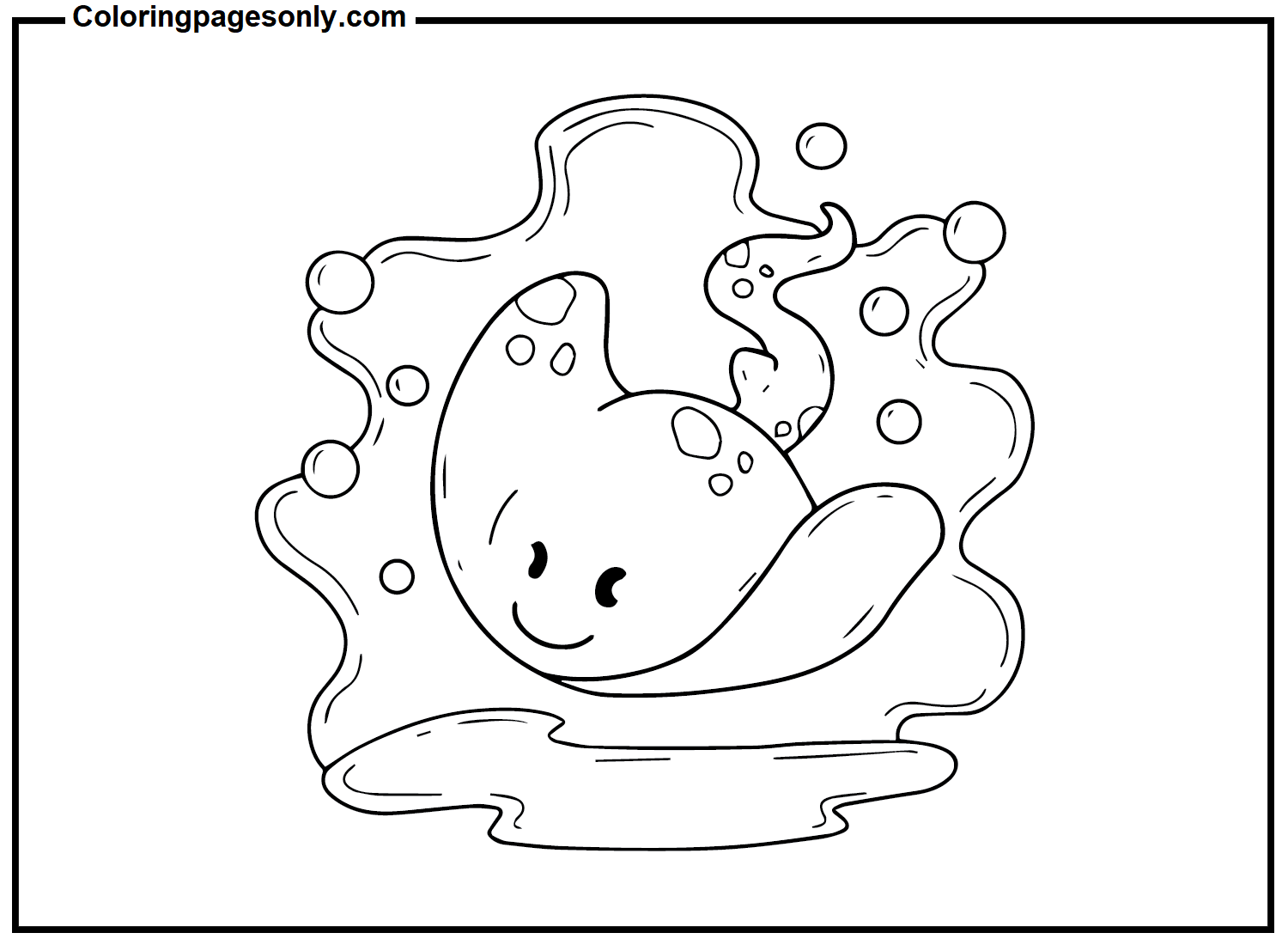
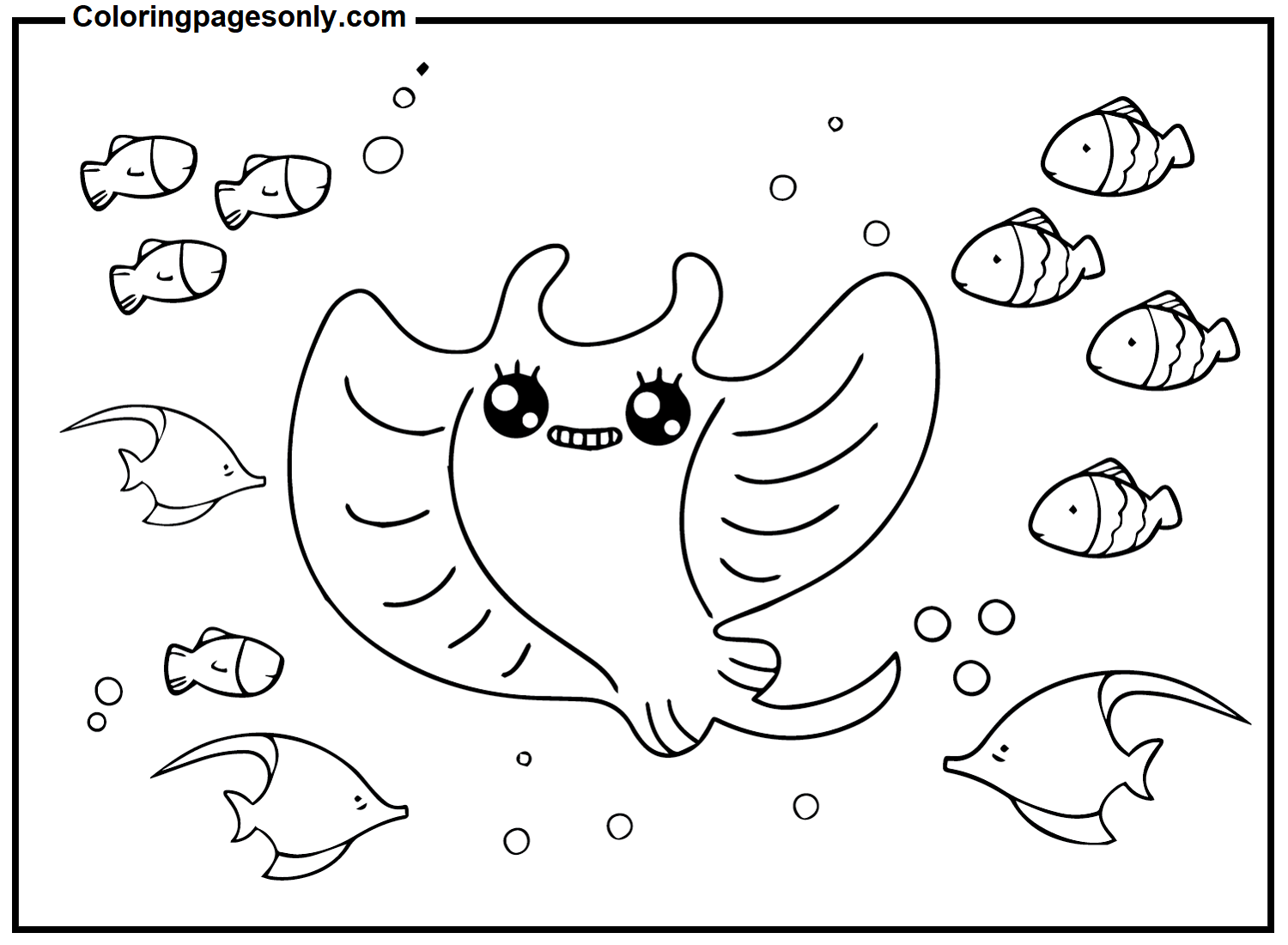
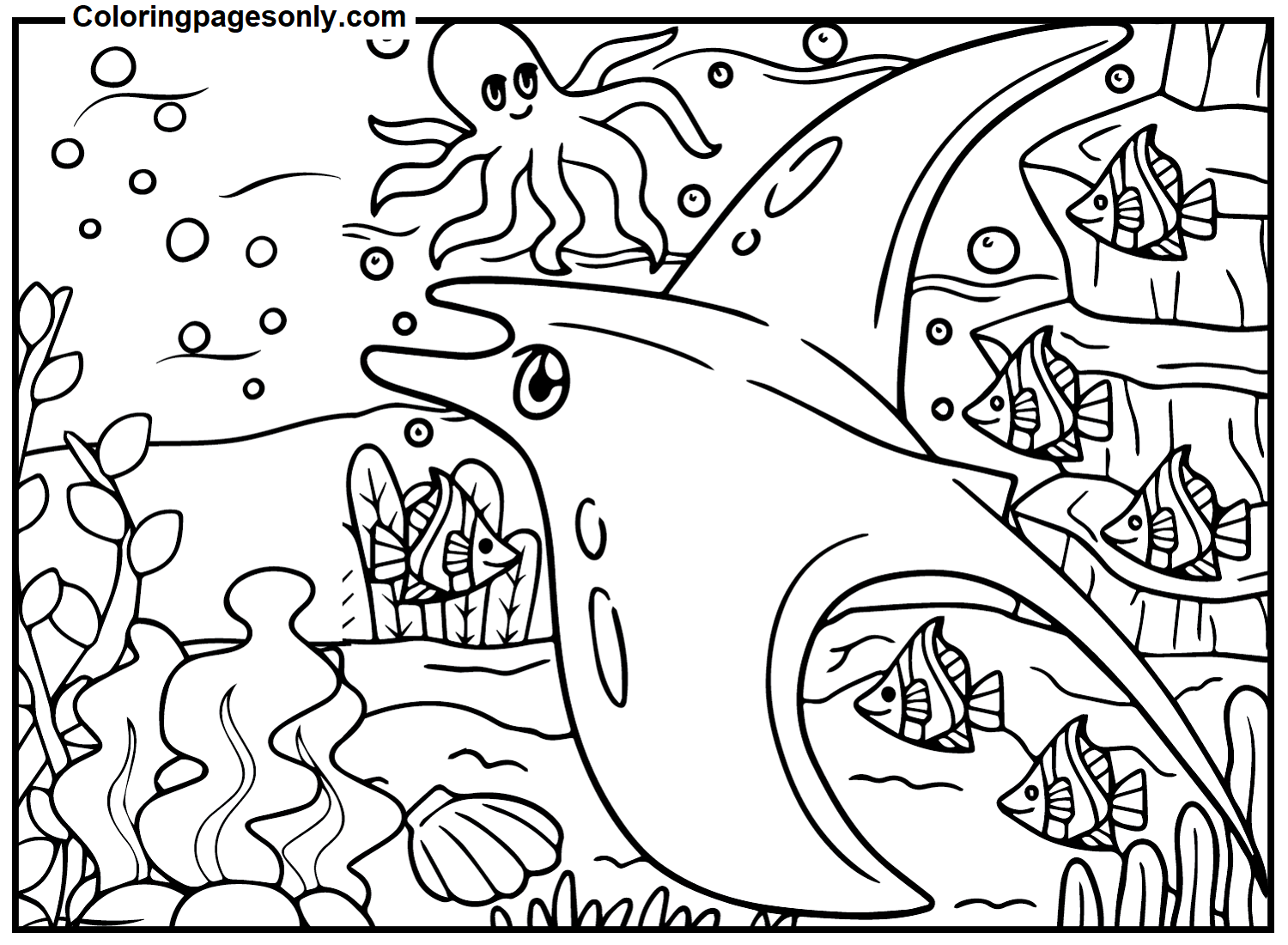
What’s Inside This Collection
The 21 designs group into four categories, from classic portraits to fuller ocean scenes.
Classic Portraits
Seven pages show a standalone Stingray in a straightforward pose, including cute, cartoon, and expressive designs, making up the largest share of the collection.
Printable and Free Sheets
Eight pages are formatted as general printable sheets, useful for a quick, single-session print at home or in the classroom.
Ocean-Scene Designs
Three pages place the Stingray alongside other sea life, including an octopus and a crab, giving colorists a fuller underwater composition to work with.
Species-Specific and Style Designs
Three pages focus on a particular angle, including a freshwater species, a tattoo-style rendering, and a close-up of the tail’s defensive sting.
What Stingray Coloring Pages Do
Curves instead of fins. A Stingray’s body is one continuous, wing-like disc rather than a set of separate fins and a distinct tail, so following that single sweeping outline without breaking it into smaller, choppier shapes takes a different kind of steady hand control than a typical fish page. The American Academy of Pediatrics ties that kind of controlled, continuous linework to fine motor skill development in children ages 2 through 7.
A chance to correct a common misconception. Despite their reputation, Stingrays are shy, non-aggressive animals that only use their venomous barbs as a last resort when stepped on or directly threatened. Hence, a coloring session built around this collection offers a natural opening to share the real story behind an animal many people assume is dangerous.
A subject that already moves slowly. A 2005 study in the Art Therapy Journal found that structured coloring sessions produced measurable reductions in anxiety, and there is a fitting overlap between that unhurried, low-pressure activity and an animal known for its slow, graceful gliding motion along the seafloor.
Practice with a muted, blended palette. Because Stingrays often take on subdued, sandy tones to camouflage against the ocean floor, these pages give colorists a reason to practice blending muted earth tones instead of reaching for the brightest colors available.
How to Color Stingray Coloring Pages Well
- Body and disc: Use Sandy Tan, light Gray, or muted Brown as the base color, since most stingrays take on subdued tones that blend with the ocean floor.
- Underside: Keep the underside a pale Cream or White, since a stingray’s belly is typically much lighter than its top side.
- Tail and barb: Use a slightly darker shade of the body color for the tail, with a small patch of Gray or Off-White for the barb itself.
- Eyes: Use small Black or dark Brown dots for the eyes, placed toward the top of the body where a real stingray’s eyes sit.
- Freshwater designs: Consider a richer palette with Olive Green or deep Brown patterning, since many freshwater stingray species display bolder spotted markings than their ocean-dwelling relatives.
- Ocean-scene backgrounds: Keep water tones in soft Blue or Teal, layering in Sandy Tan for the seafloor so the Stingray and its companions, like the octopus or crab, remain the clear focus of the page.
5 Creative Craft Ideas With Stingray Coloring Pages
1. Ocean Diorama
Color a Stingray page, cut it out, and glue it inside a shoebox decorated with blue paper and sand for a mini underwater scene.
2. Hanging Ocean Mobile
Color several small Stingray designs, cut them out, and hang them from a hoop at different lengths to mimic rays gliding through water.
3. Greeting Card
Fold cardstock in half, glue on a colored design, and write a message inside for a friend who loves ocean animals.
4. Classroom Ocean Poster
Color several Stingray and ocean-scene pages as a group and arrange them on a poster board for a classroom lesson about sea life.
5. Paper Garland
Cut out three or four colored Stingray designs, punch a hole in each, and string them together with twine for a simple ocean-themed garland.
Frequently Asked Questions
What are Stingray coloring pages?
Stingray coloring pages are printable line-art designs featuring the flat-bodied ocean and freshwater fish in classic portraits, printable sheets, and ocean-scene artwork. This collection includes 21 free designs available as PDFs or online coloring.
What kind of animal is a stingray?
A stingray is a cartilaginous fish closely related to sharks, with a flattened, disc-shaped body formed by enlarged pectoral fins and a skeleton made of cartilage rather than bone.
Are stingrays dangerous to humans?
Stingrays are naturally shy and non-aggressive, and their venomous barbs are used purely for defense, typically only triggered when a predator or person steps on or directly threatens the animal.
Do stingrays only live in the ocean?
Most stingray species live in marine environments, but a smaller number of freshwater stingrays inhabit river systems, most notably in South America.
What do stingrays eat?
Stingrays are bottom-feeding carnivores that typically eat mollusks, crustaceans, and small fish found along the seafloor.
How do stingrays defend themselves?
Stingrays defend themselves with a venomous, serrated barb located near the base of the tail, which they whip upward only when threatened or stepped on.
Are Stingray coloring pages suitable for young children?
Yes. The simple portrait designs in this collection use bold, uncluttered outlines suited to preschool and early elementary colorists. At the same time, the ocean-scene and species-specific pages offer more detail for older kids.
How long do stingrays live?
Stingrays typically live between 15 and 25 years, depending on the species and their environment.
Start Coloring
Download any page by clicking the design. No account, email, or payment is required. Pages print directly from the browser at full resolution or open in the online coloring tool for screen use. Share finished pages on Facebook or Pinterest with the share buttons at the top of each design page.