
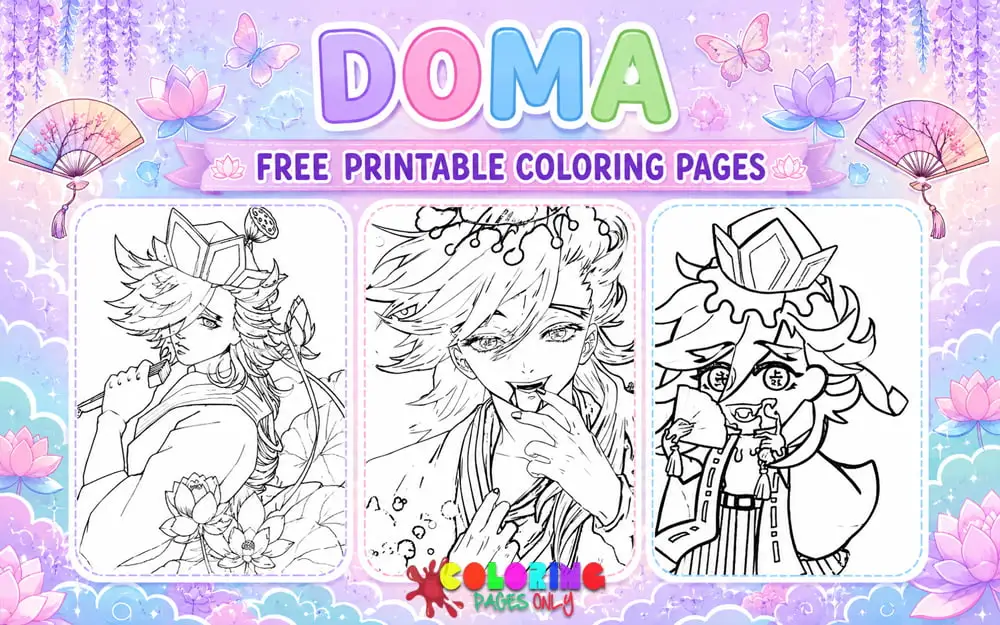
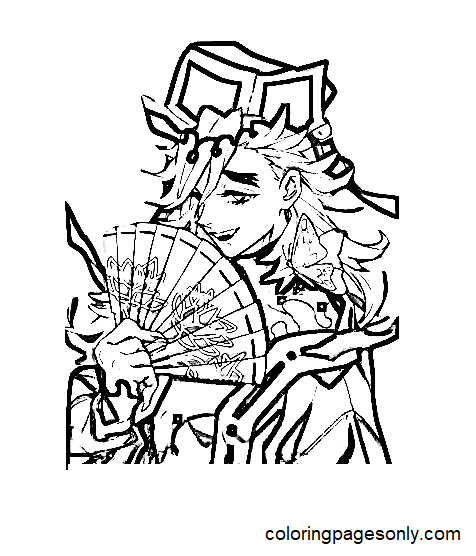
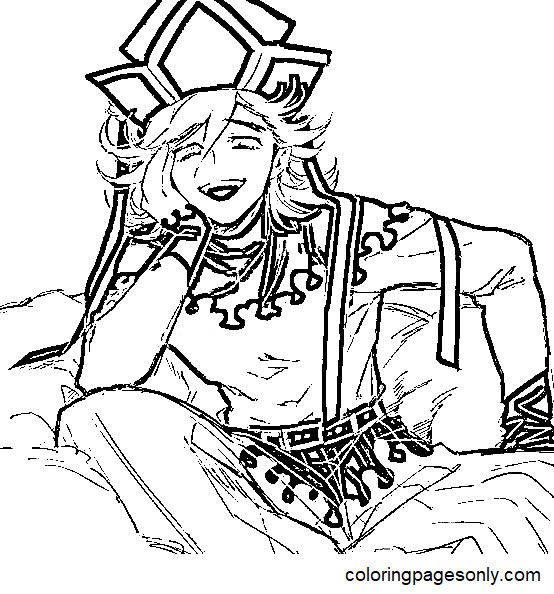
Free Doma Coloring Pages: 32 printable PDF designs featuring Doma, Upper Rank Two of the Twelve Kizuki in Demon Slayer: Kimetsu no Yaiba, shown in smiling portraits, close-up face studies, lotus and butterfly scenes, a shared page with Inosuke, and a cluster of chibi sketches. Grab the PDF of any design for paper, or keep the page open on screen and fill it in digitally.
Doma ranks just below Muzan Kibutsuji among the demons in Koyoharu Gotouge’s story, a calm, endlessly smiling figure who leads a religious group and fights with a pair of golden folding fans. Fans first glimpsed him at the close of the Swordsmith Village arc, and his larger role arrives in the Infinity Castle story, where Mamoru Miyano voices him in the Japanese anime.
What makes him striking on paper is contrast: pale hair streaked with red, a deep red bodysuit, and rainbow eyes marked with the kanji for his rank. Because the character is one of the series’s most unsettling villains, this collection is aimed at teen and adult fans rather than young children.

What’s Inside This Collection
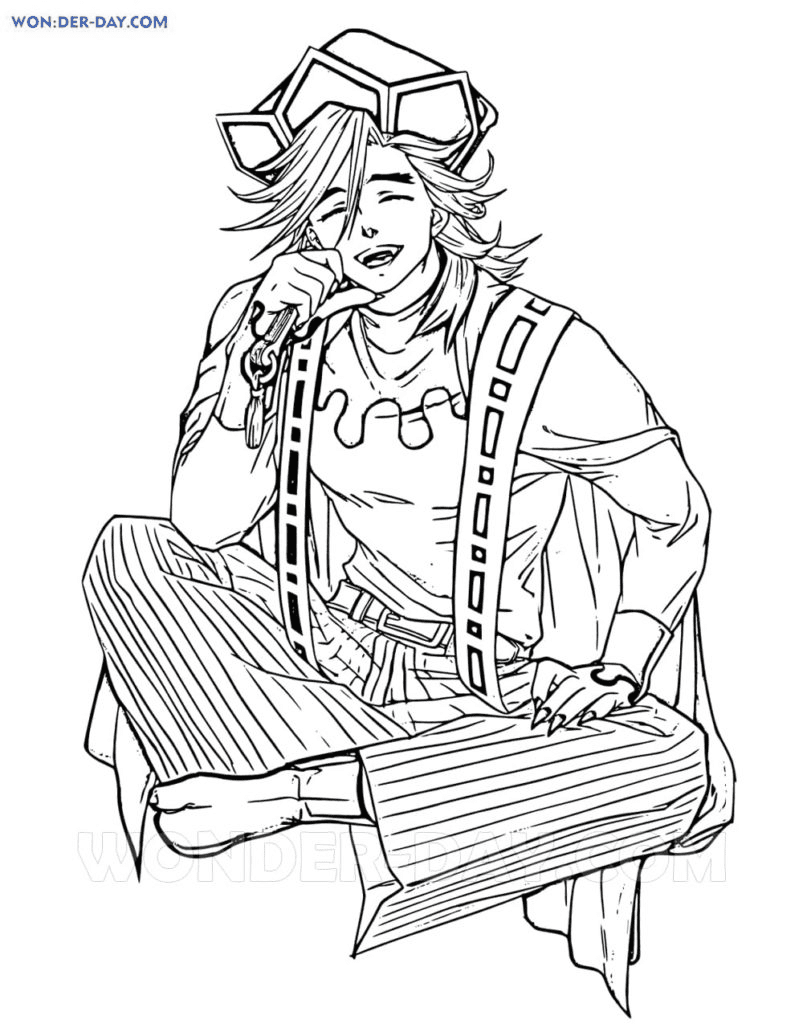
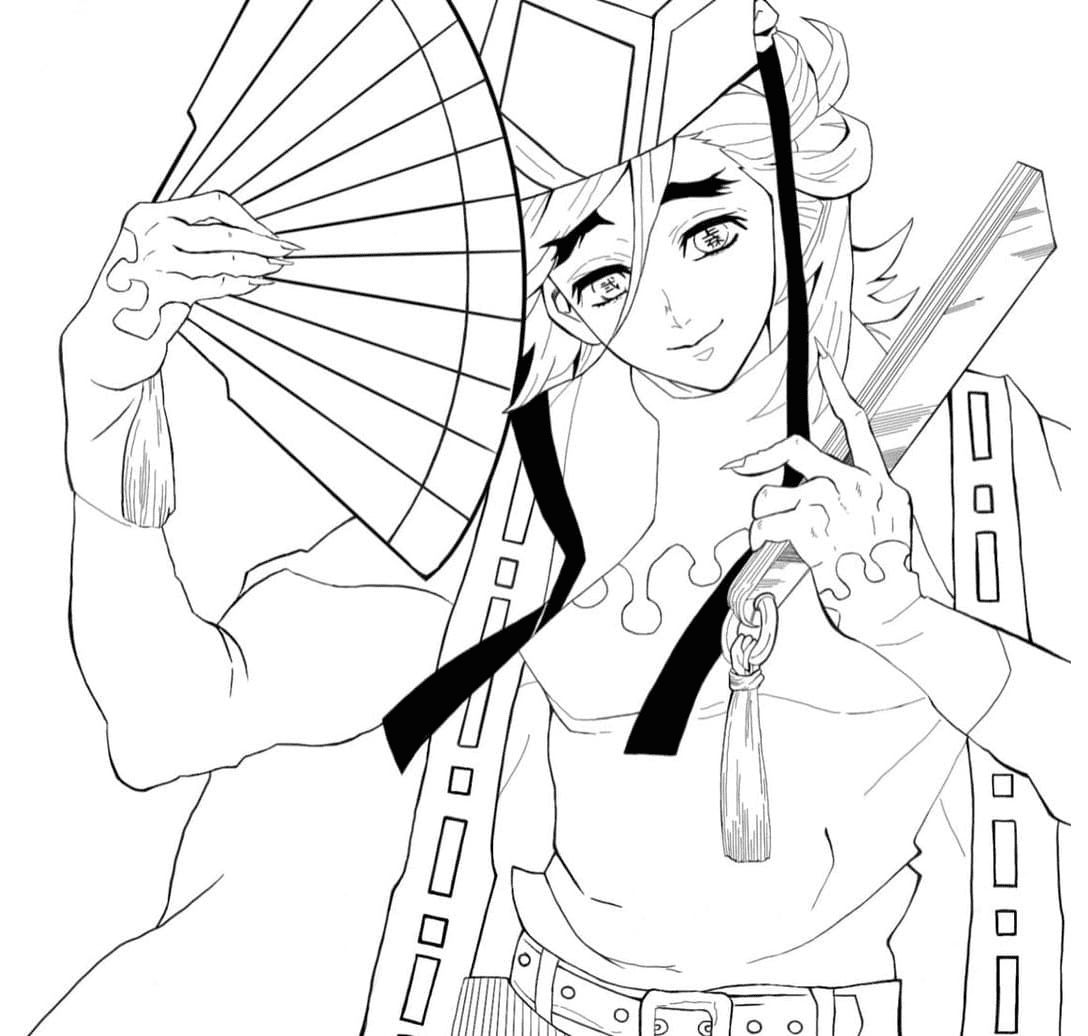
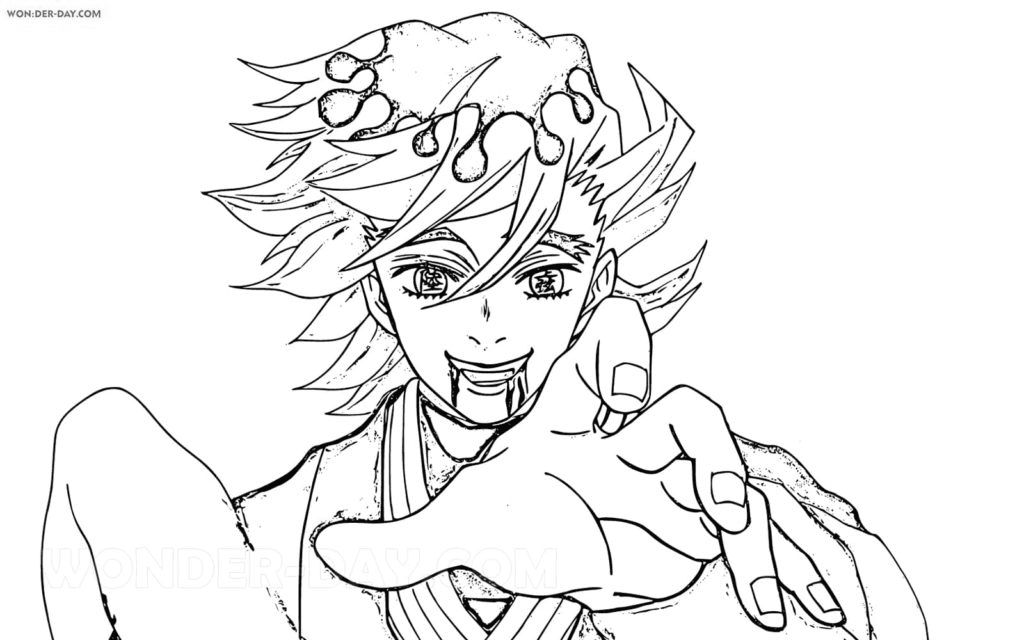
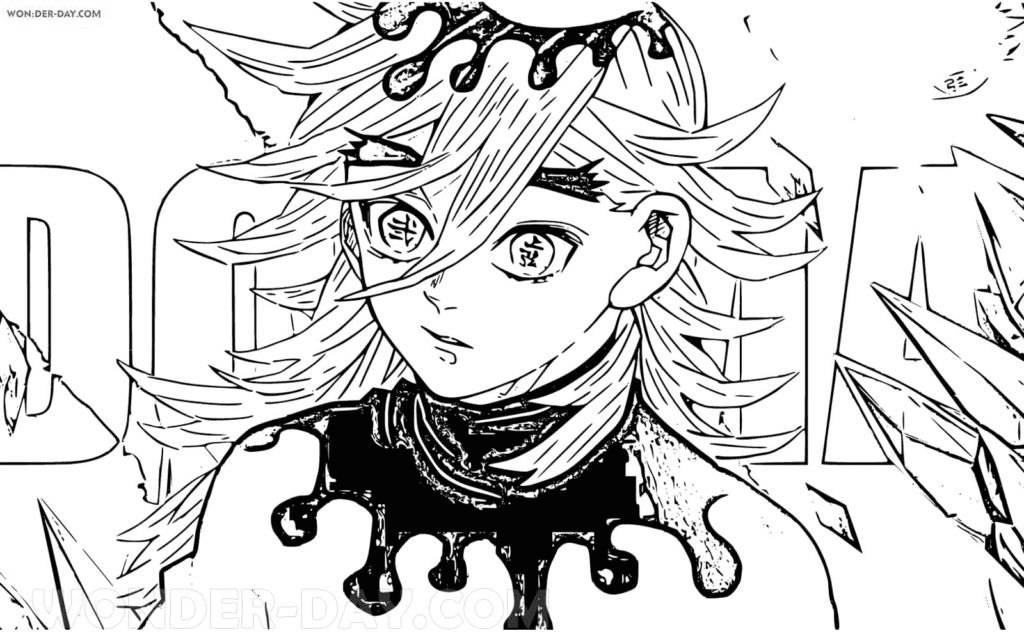
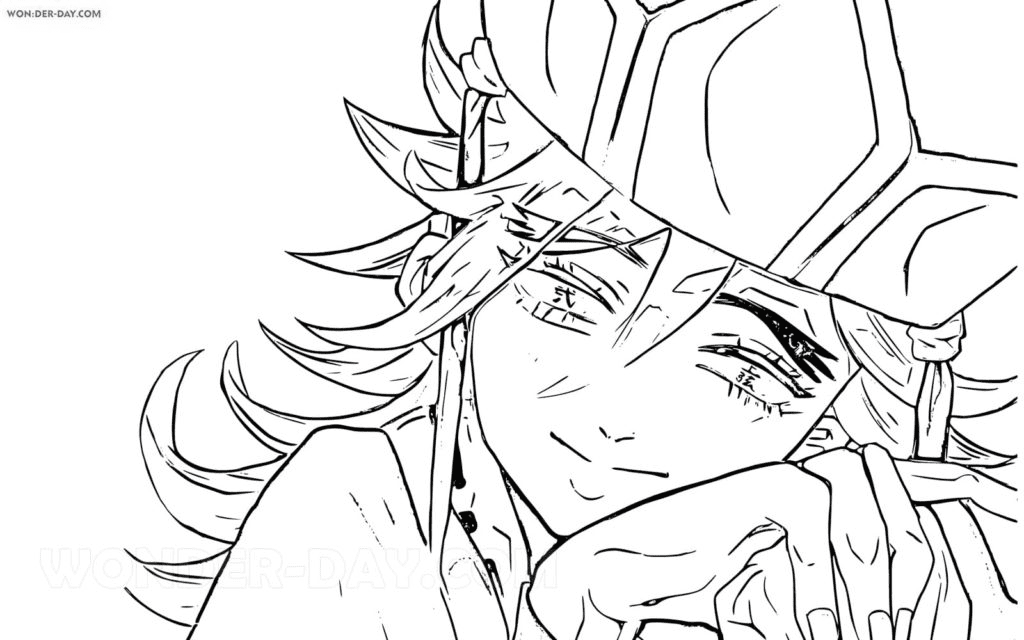
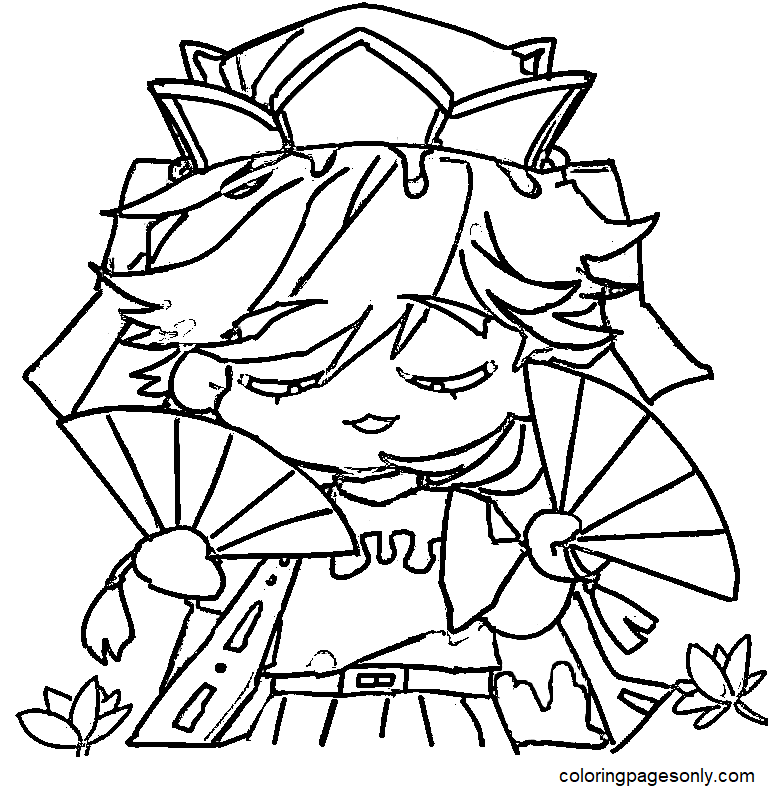
Most of the set studies Doma’s face and expressions, with two decorative scenes, one pairing with a rival, and a run of softer chibi drawings.
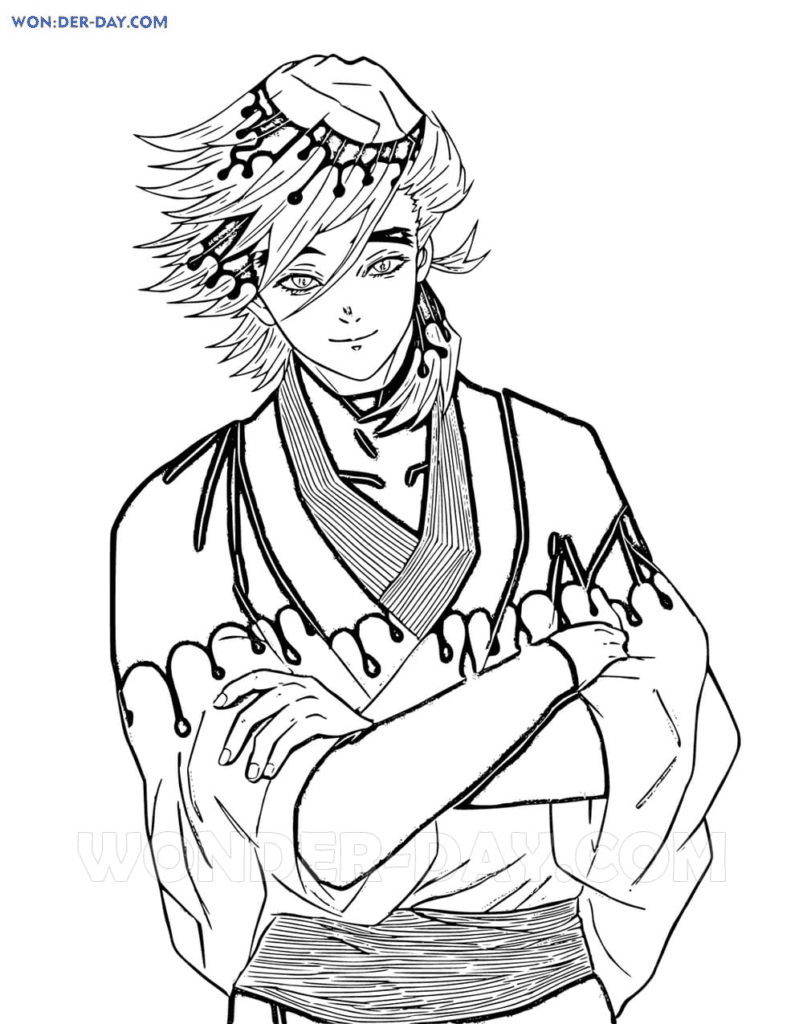
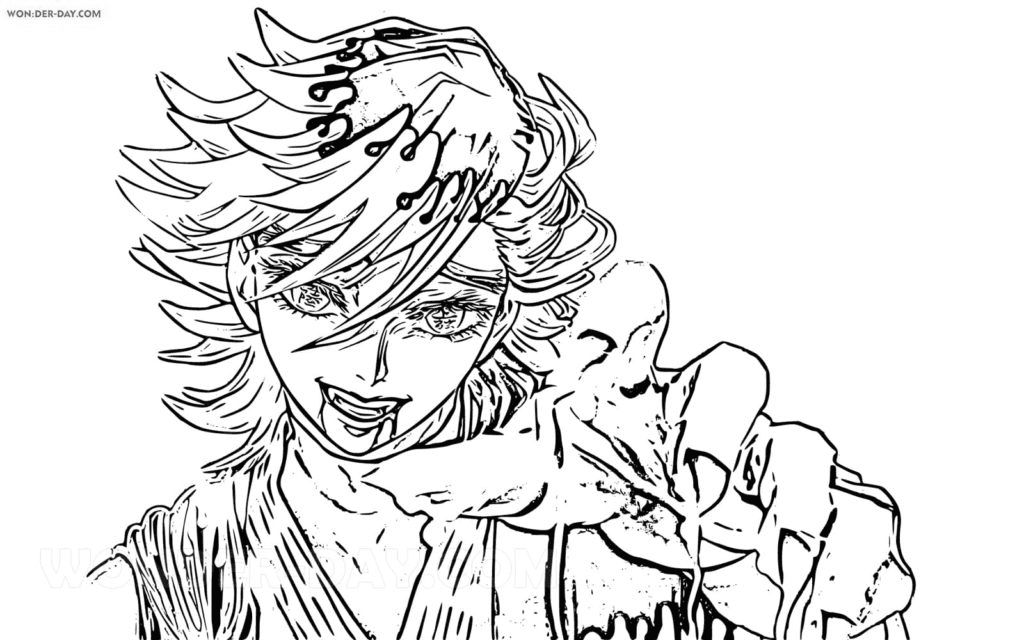
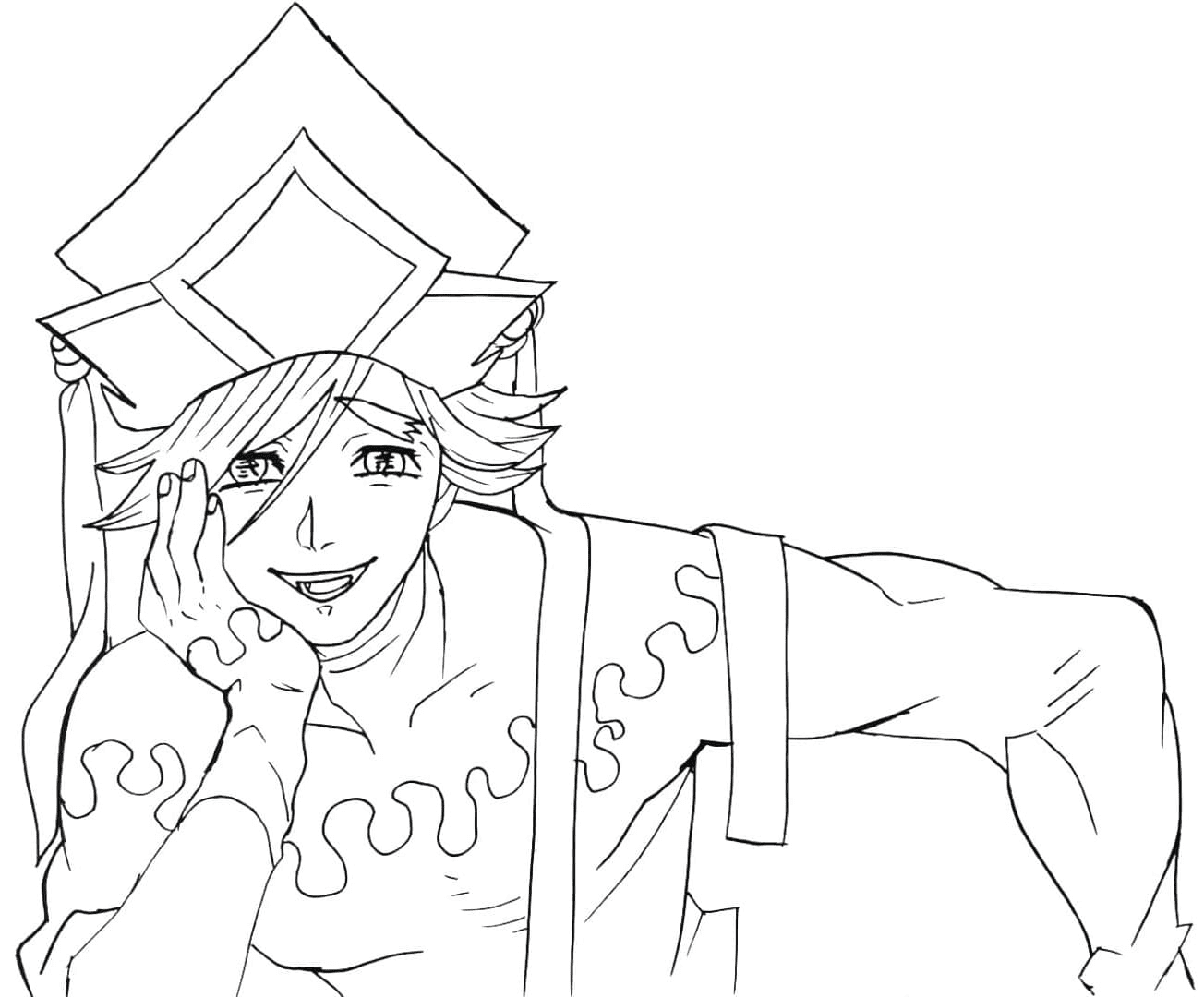
Smiling and Expressive Portraits
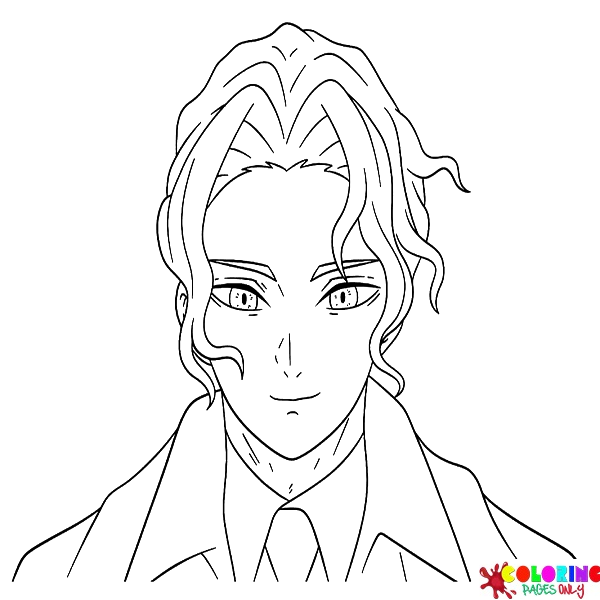
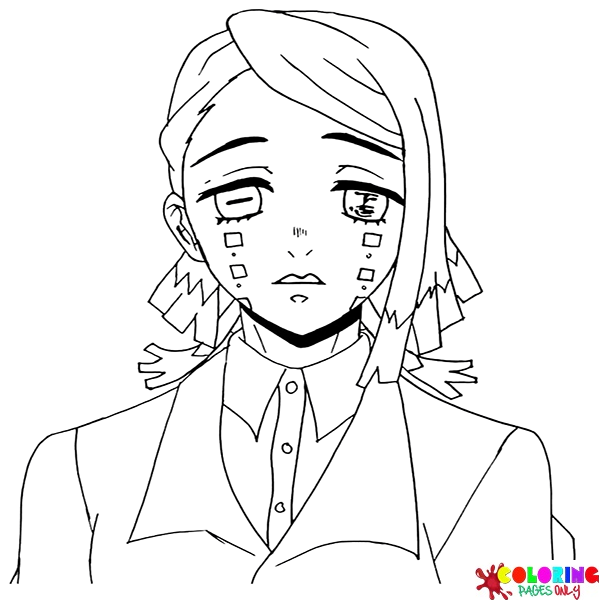
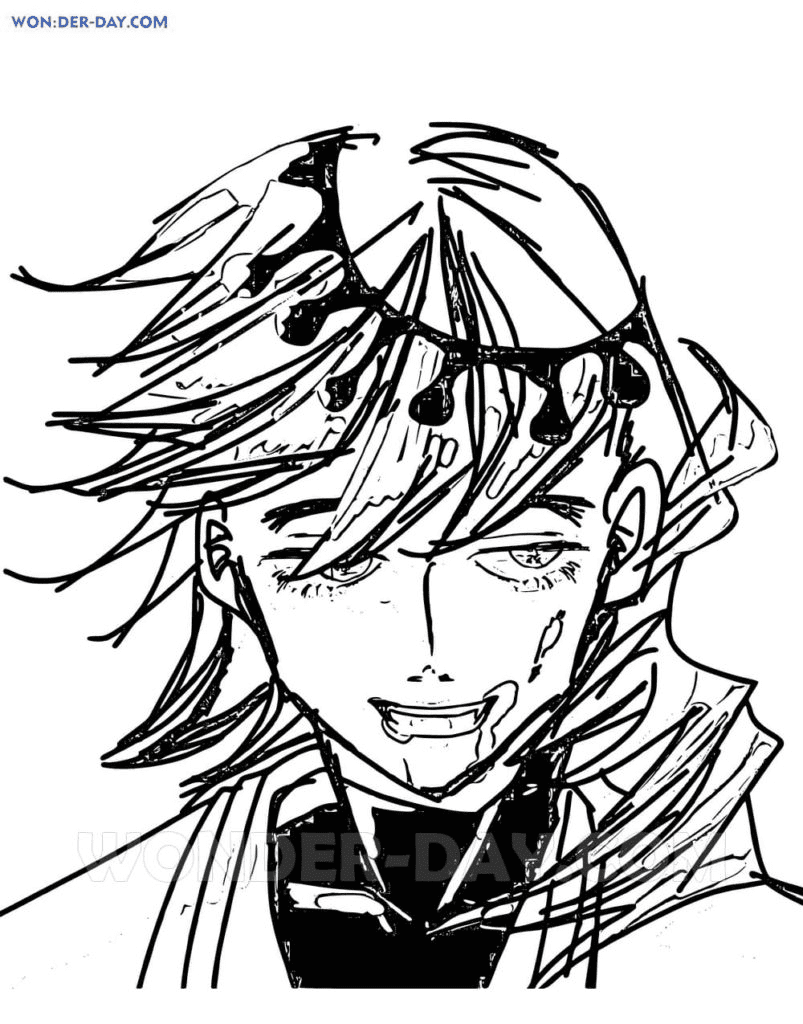
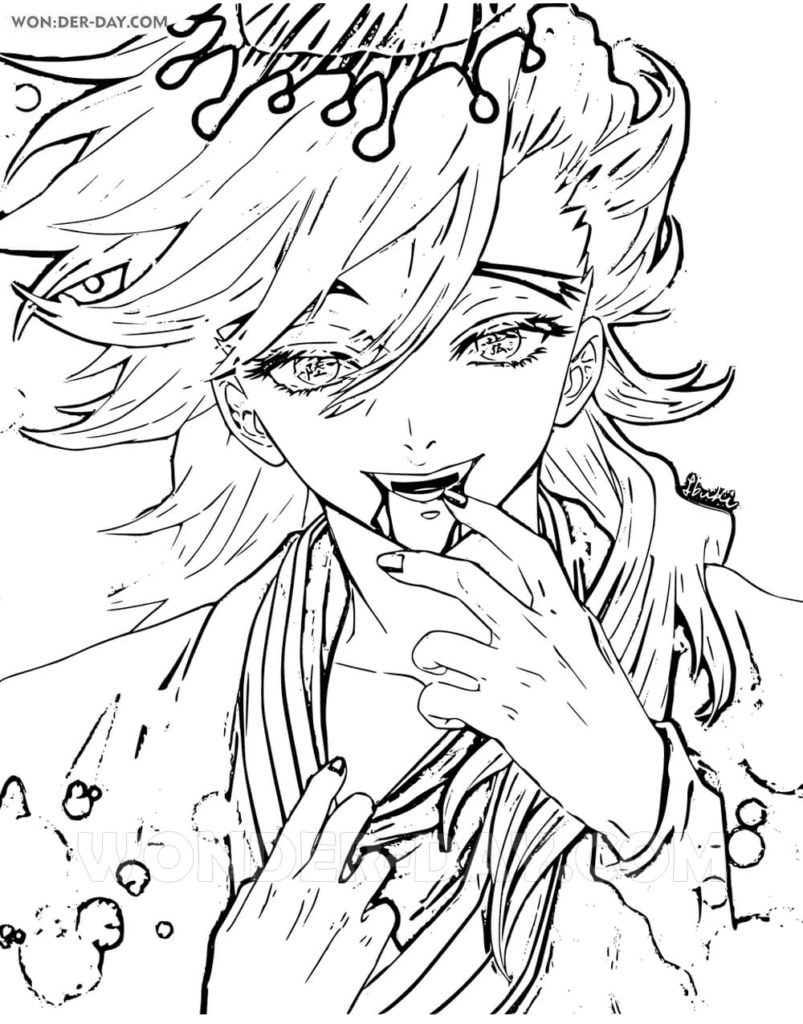
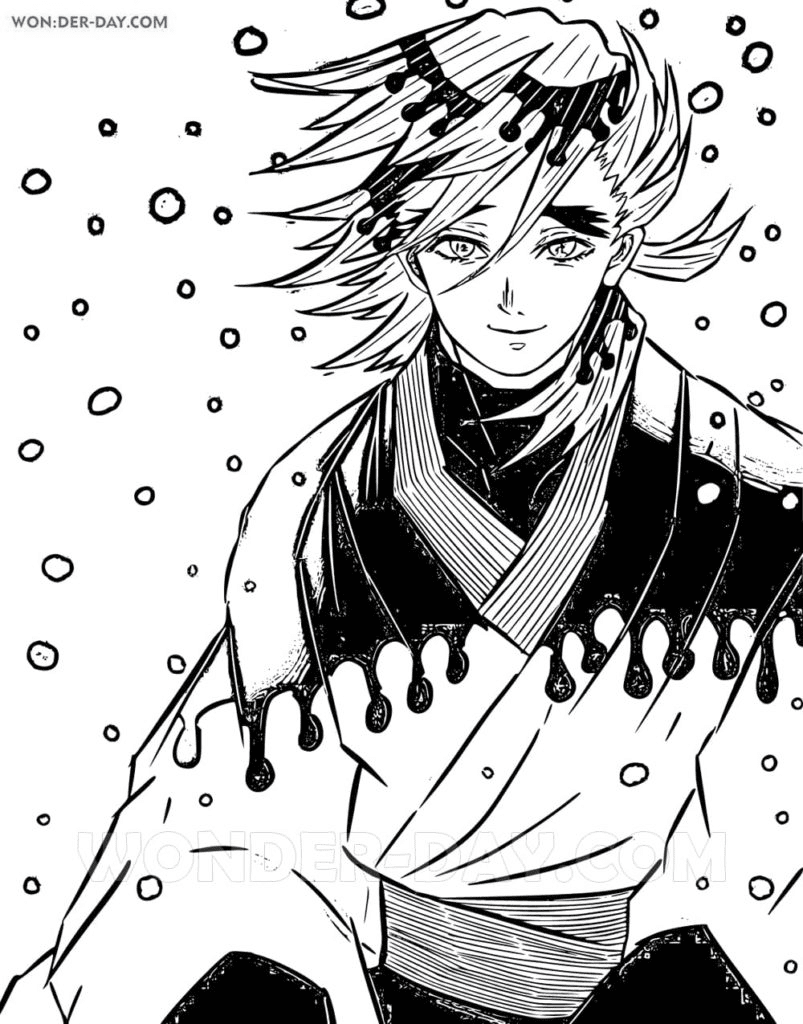
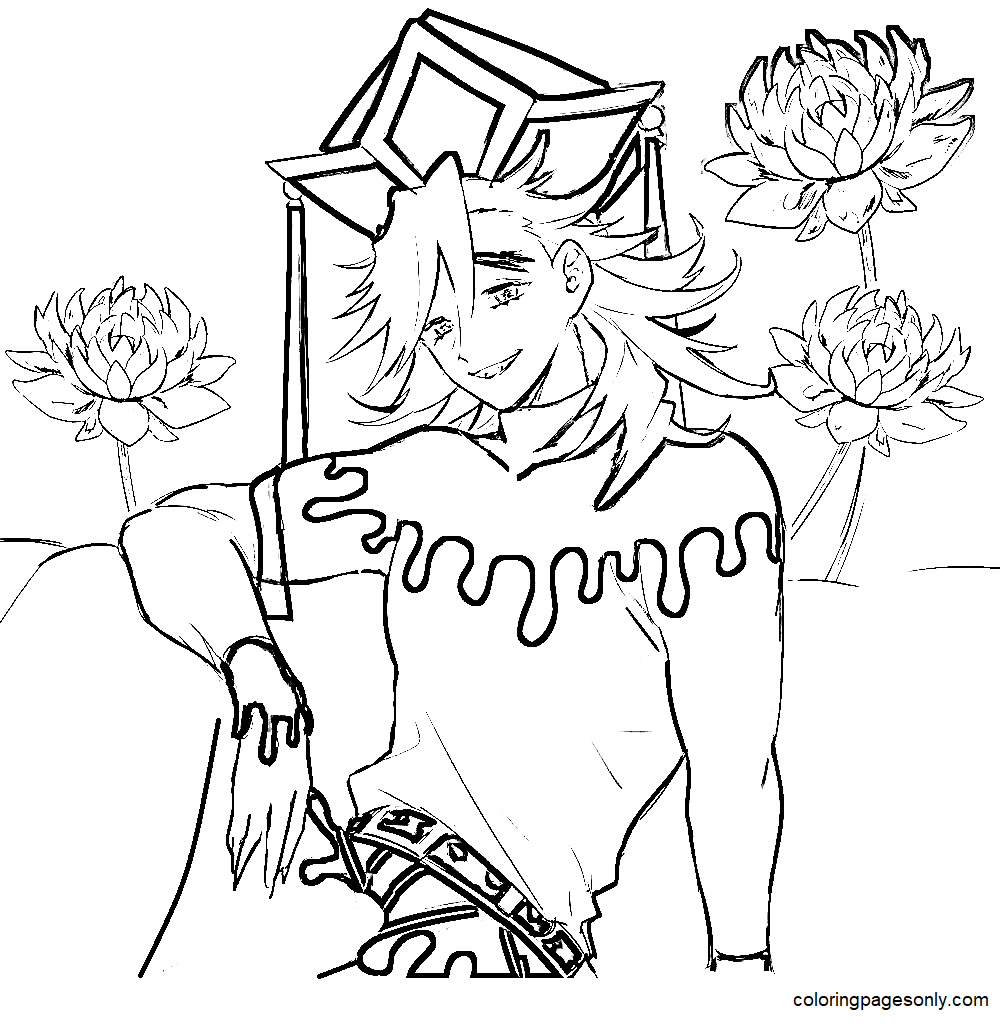
Many pages capture the cheerful mask that defines him, from wide grins to the rare downcast look on Sad Doma. Shade his hair in pale Gray and White with a streak of Scarlet on top, then keep the red bodysuit a deep Brick Red so the face stays the brightest area.
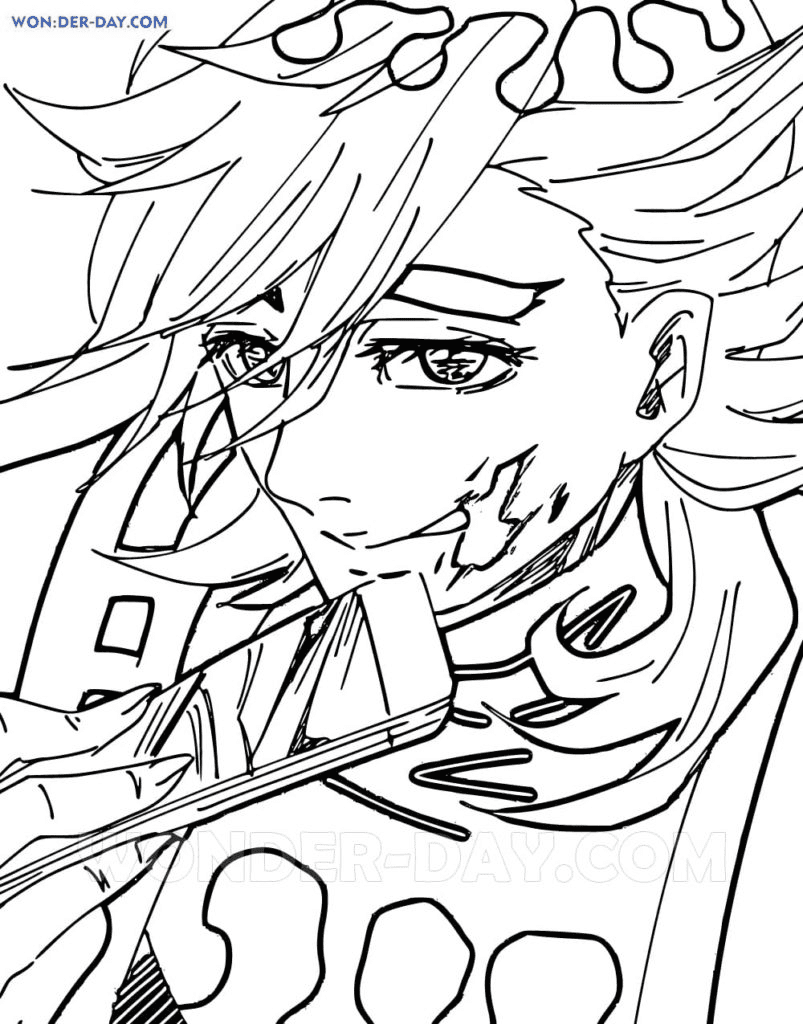
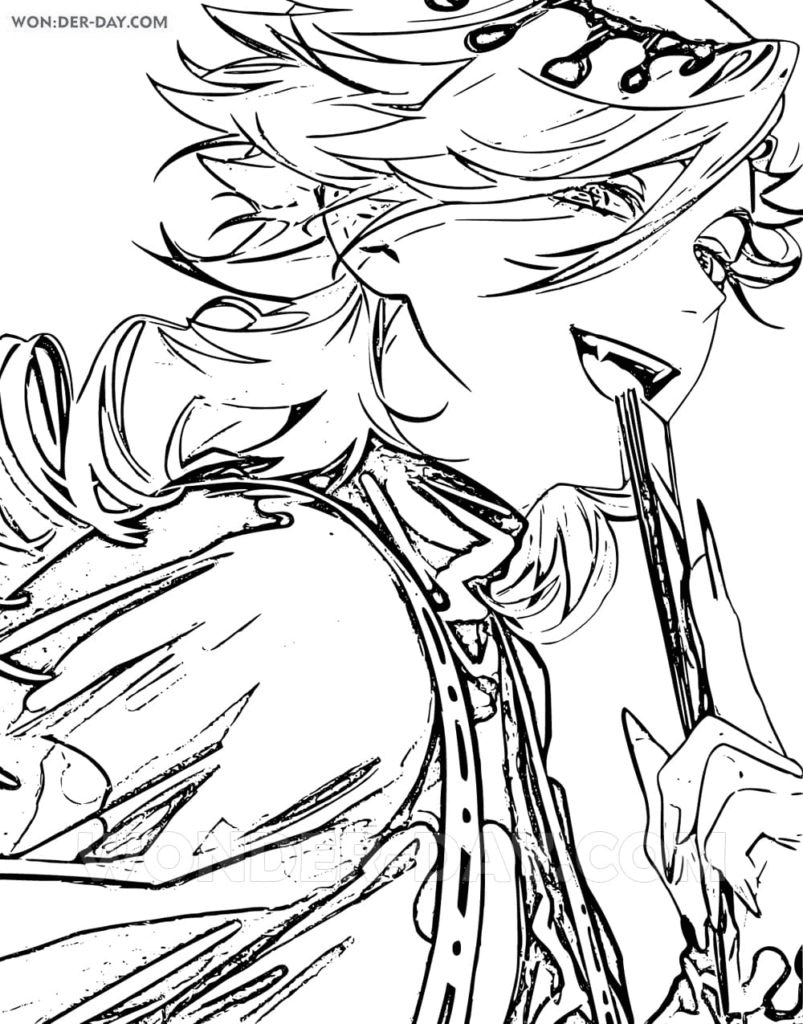
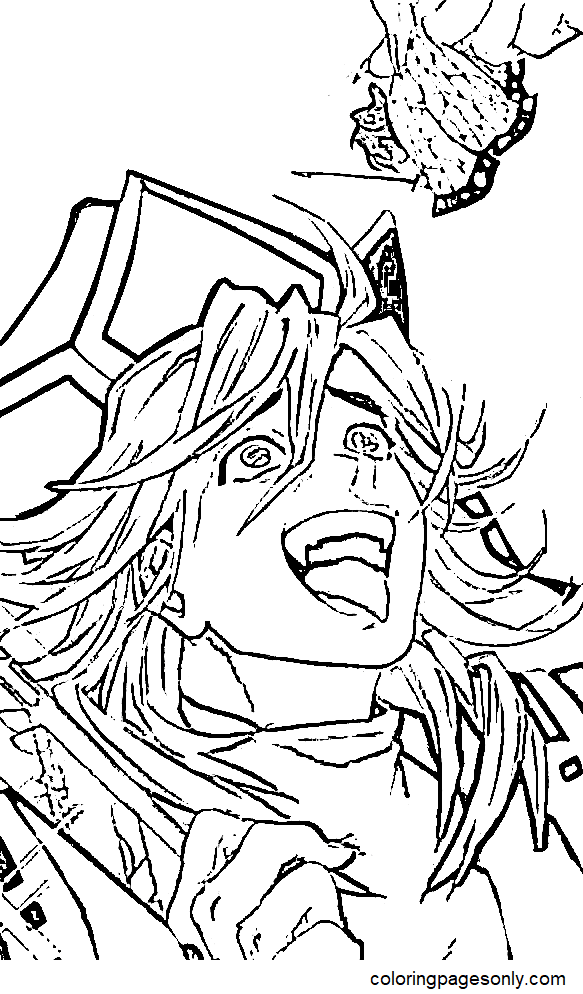
Face Close-Ups
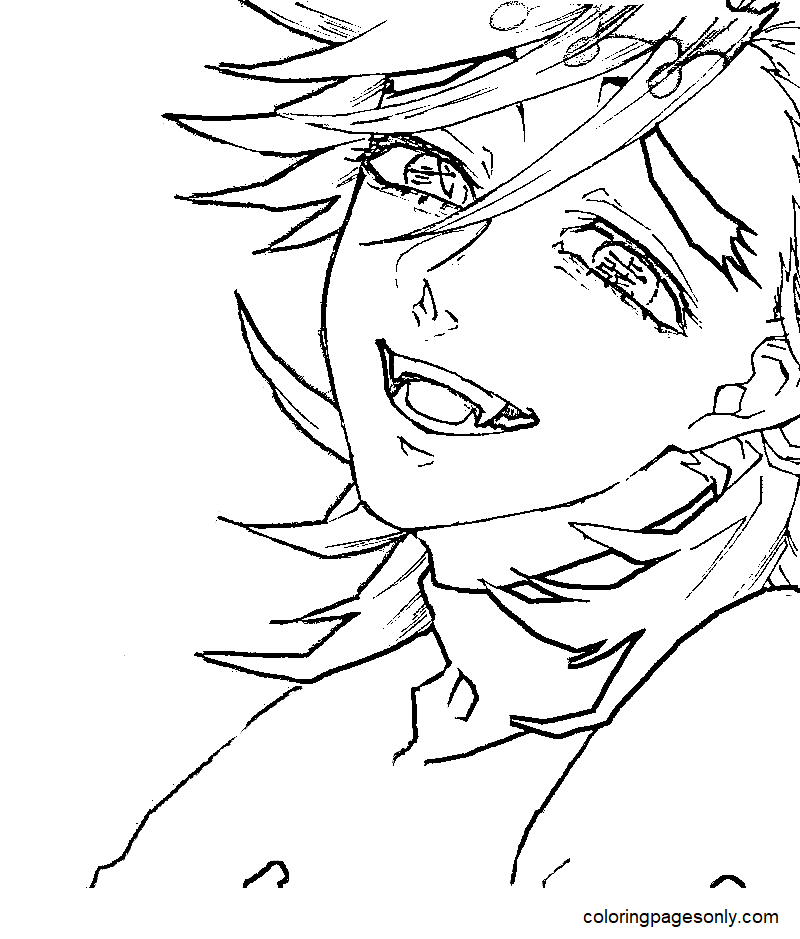
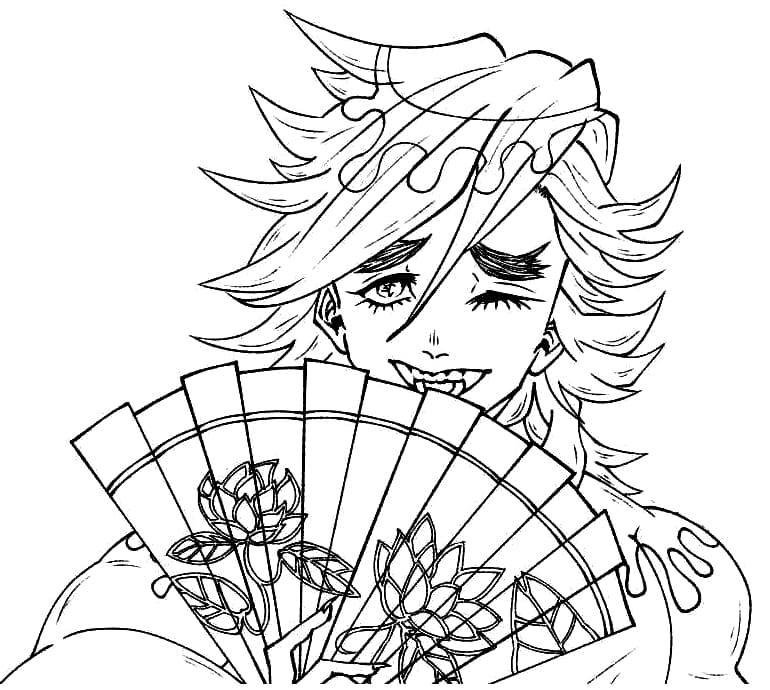
Pages like Doma face zoom in on the eyes, giving the most room in the set for his rainbow irises. Treat each iris as a small color wheel, placing bands of Red, Orange, Yellow, Green, Blue, and Violet, and leave the rank kanji white so it reads clearly.
Lotus and Butterfly Scenes
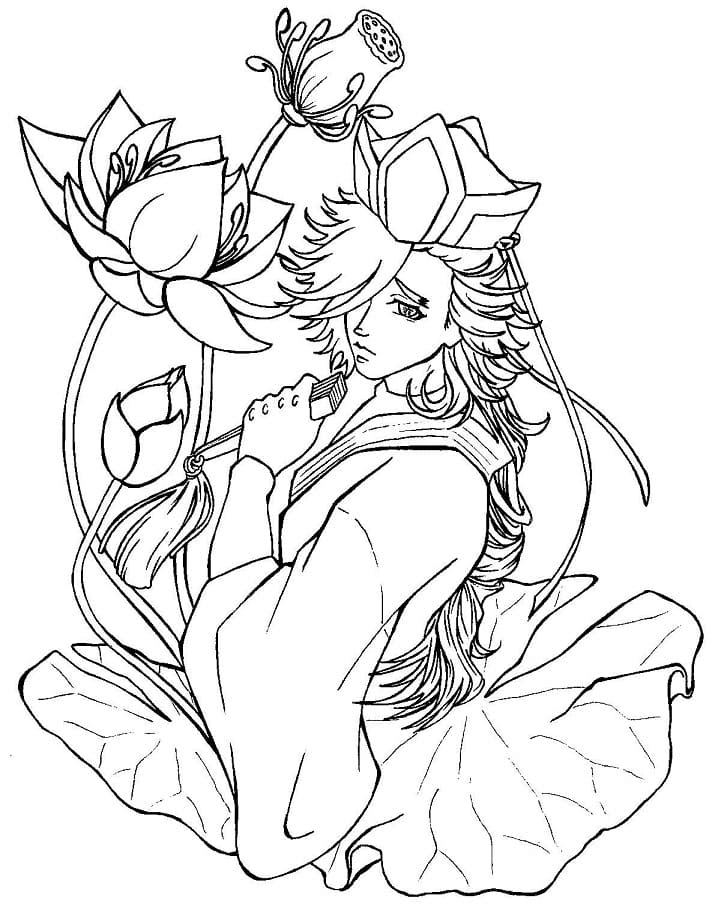
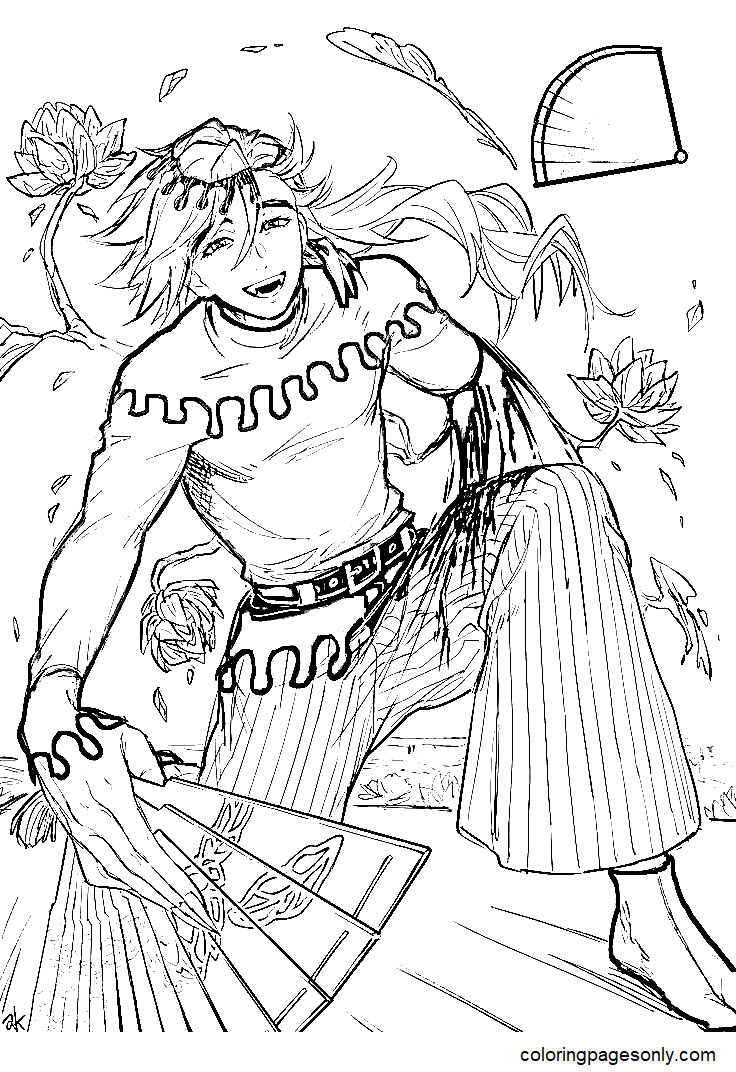
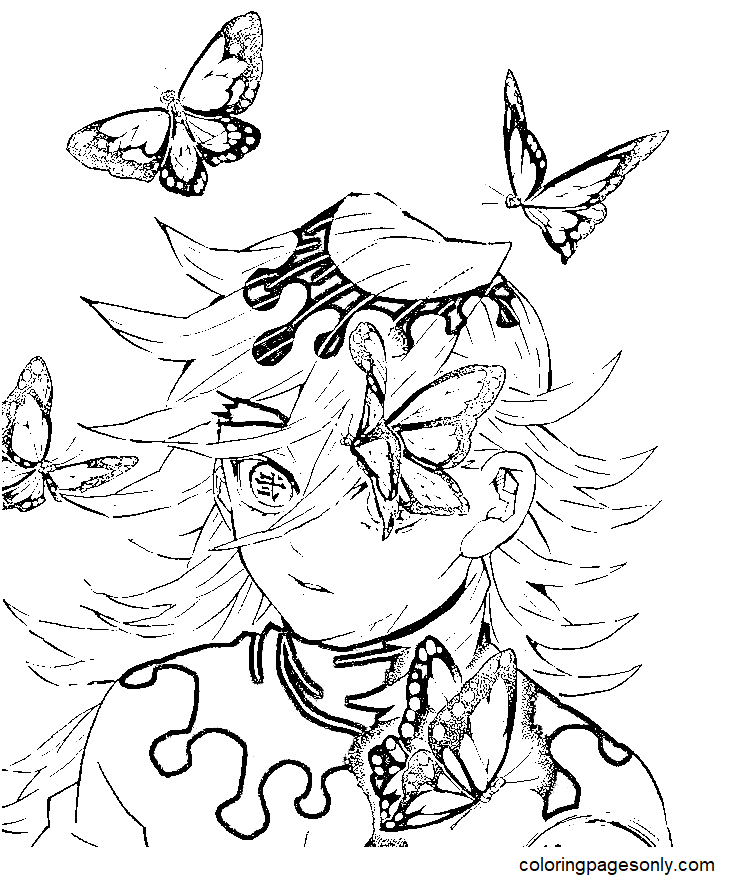
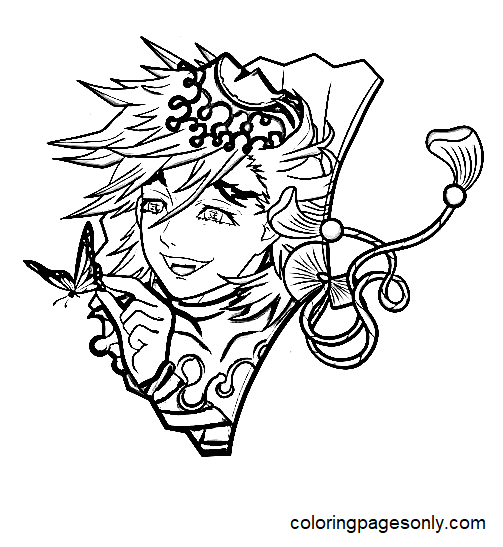
Doma with Lotus and Doma with Butterflies surround him with natural motifs, the lotus echoing the flowers engraved on his fans. Soft Pink Flamingo petals with Yellow Green centers suit the lotus, while the butterflies can pick up the same rainbow tones as his eyes.
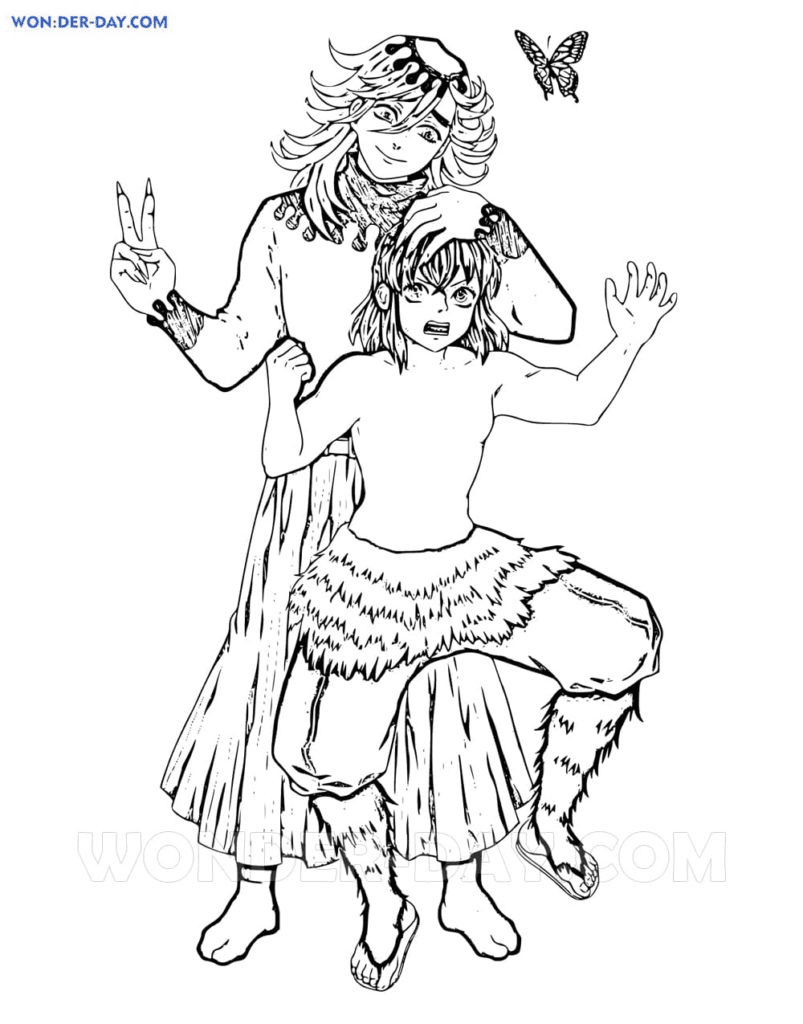
Doma and Inosuke
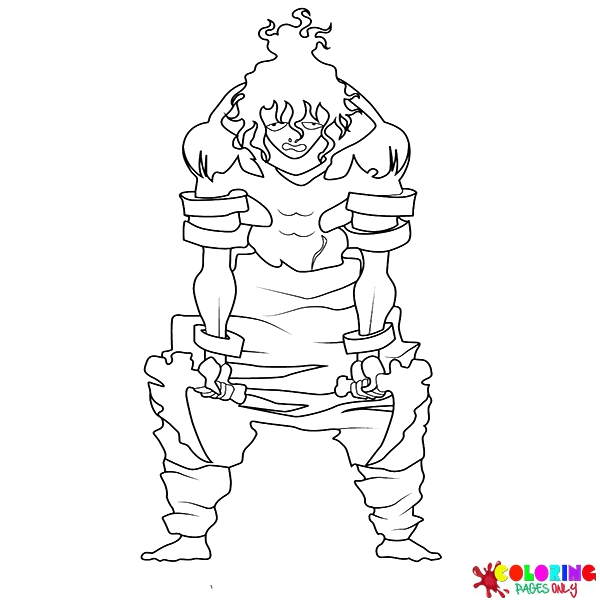
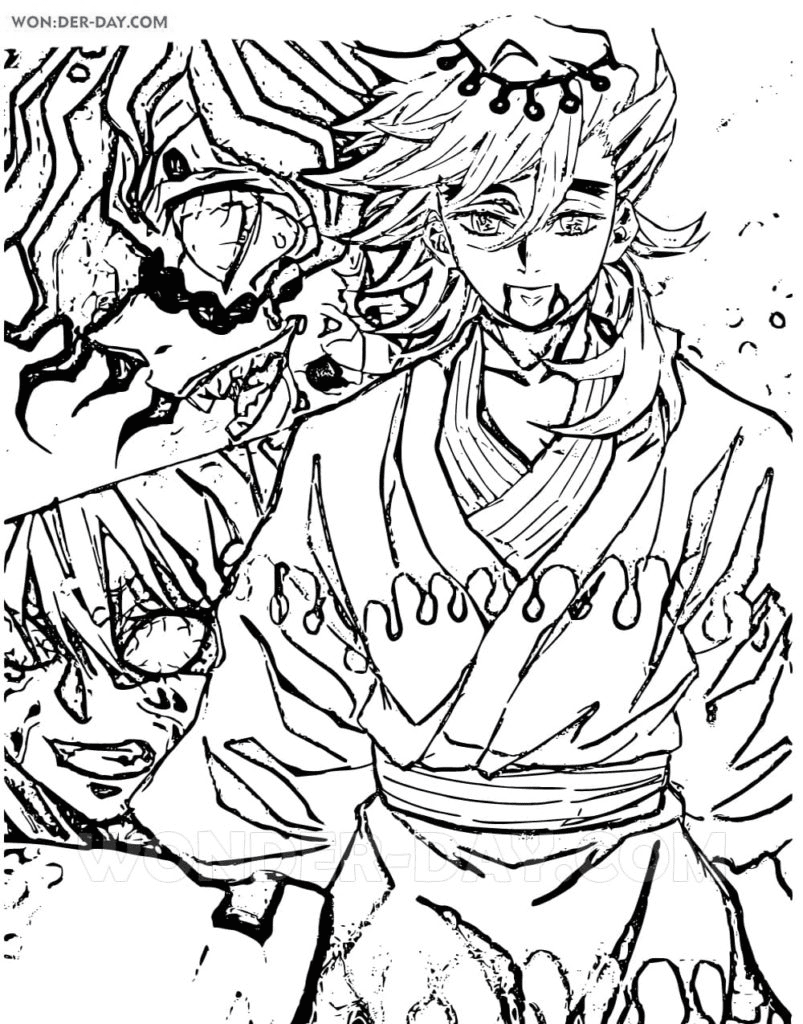
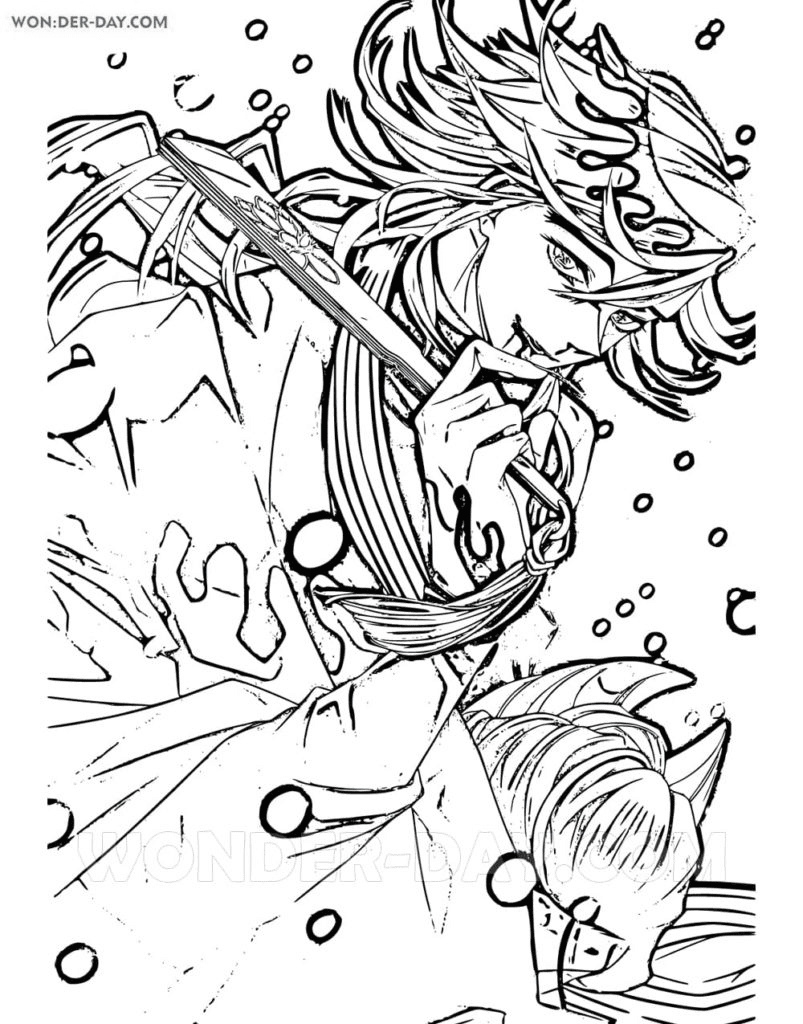
The single shared page sets Doma against Inosuke Hashibira, whose wild look clashes with Doma’s polished style. Give Inosuke’s boar mask Timberwolf gray with Desert Sand shading, and his pants Navy Blue, and let Doma’s Goldenrod fans and red top carry the warm side of the page.
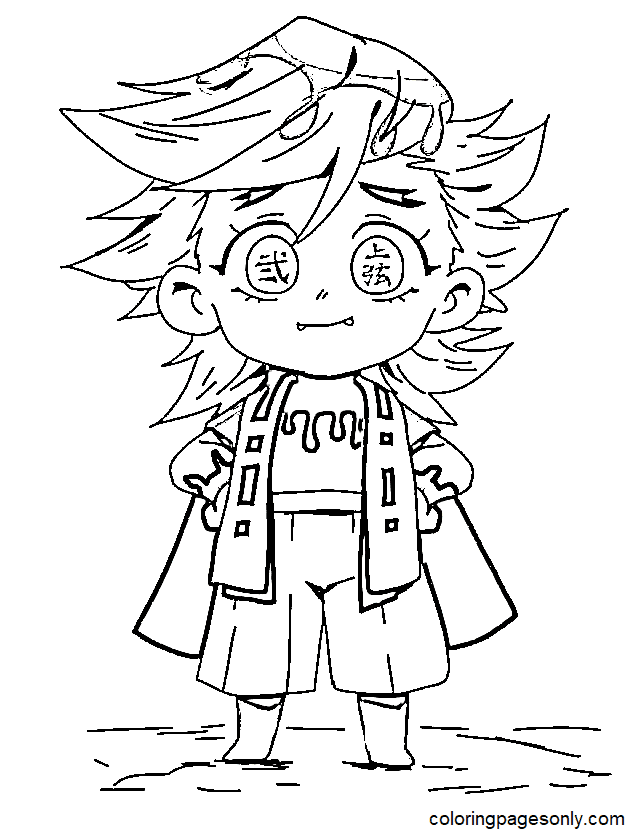
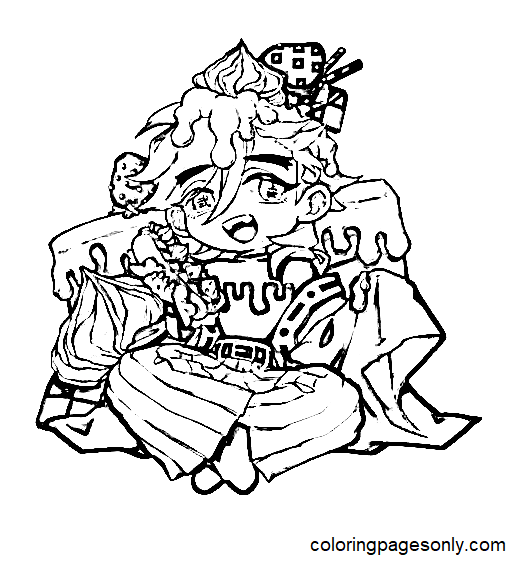
Chibi Doma
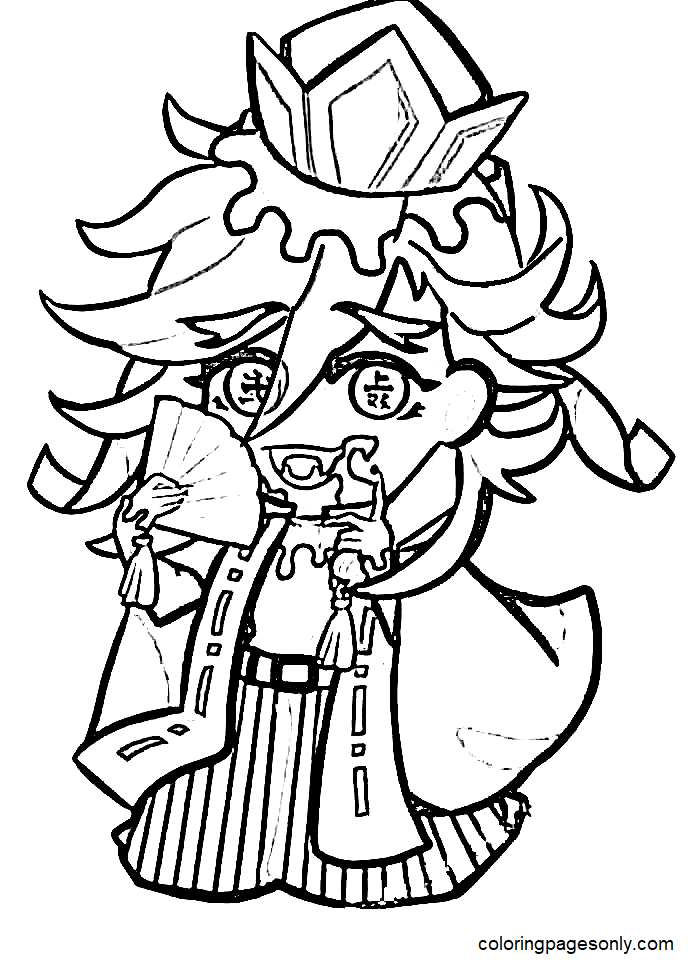
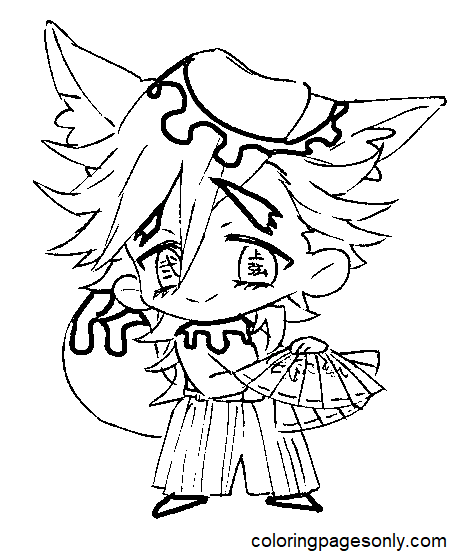
Several chibi pages shrink him into a round, playful figure that is quicker to finish than the full portraits. A simple version of the rainbow eyes, three or four colors instead of six, keeps the chibi drawings recognizable without crowding the small space.
What Doma Coloring Pages Do
Reading a villain through design choices. Doma’s bright smile and gentle poses contrast sharply with his role in the story, which makes him a useful character for older fans studying how artists build menace without obvious monster features. Comparing his calm portraits with the face close-ups shows how much an eye design alone can shift a character’s mood.
Steady hands for tiny detail. The American Academy of Pediatrics counts fine motor growth among the gains children get from structured coloring, and that same precision keeps paying off well past childhood. Doma’s narrow rainbow bands, small kanji, and engraved fan patterns reward slow, careful pencil control.
Quiet concentration. According to a 2005 article from the Art Therapy Journal, anxiety scores fell after participants completed structured coloring. Working ring by ring through a rainbow iris is a slow, absorbing task that suits an unhurried evening session.
Hands-on color theory. Few characters put the whole spectrum in one small space the way Doma’s eyes do. Placing six hues in order and blending their borders turns a portrait into a practical lesson on how neighboring colors transition.
How to Color Doma Coloring Pages
- Plan the rainbow eye gradient before starting any other area. The six-color transition from pupil to rim needs a clear sequence: deep center, then red, orange, yellow, green, blue, violet at the outer edge. On pages where the irises are large, blocking out the color zones lightly before adding pigment prevents hard lines between the color transitions. On pages where the irises are smaller, the same sequence applies at a reduced scale.
- Doma’s clothing is cool pale, not warm pale. His layered religious robes sit in the cool, desaturated zone: pale blue-white, light grey-blue, soft ivory. Warm cream or warm white pushes his palette toward something too soft. The coolness of his palette is part of what makes him visually consistent with his characterization.
- The lotus petals read best at soft, warm pink, not vivid pink. A very soft, slightly peachy-warm pink for the outer petals, deepening slightly toward the center, reads as lotus rather than generic flowers. Too vivid a pink competes with everything else on the page. The lotus is meant to be beautiful in a quiet way, and the palette should match.
- On the Doma and Inosuke page, use tonal contrast rather than color contrast. Both characters are cool and pale. The distinction is lightness: Doma’s pale robes are significantly lighter than Inosuke’s dark navy, his pale skin against Inosuke’s ivory skull. Color does not separate them; value does.
5 Creative Craft Ideas with Doma Coloring Pages
1. Rainbow Eye Gradient Study
Color three Doma portrait pages, focusing entirely on getting the iris gradient correct: deep center, then the full spectral sequence. Display as a row.
A focused technical study of the most demanding eye gradient in the collection. Takes about thirty minutes total.
2. Lotus Scene Display
Color the Doma with lotus page with careful attention to the flower petals: soft warm pink fading to near-white at the tips, yellow-green centers.
A villain portrait framed by natural imagery that rewards slow, careful work. Takes about twenty minutes.
3. Butterfly Color Study
Color the Doma with butterflies page twice: once with the butterflies in natural orange-and-black Monarch coloring, once in rainbow colors matching Doma’s iris palette.
Two interpretations of the same page showing how background element color choices change the relationship between figure and setting. Takes about thirty minutes total.
4. Doma and Inosuke Confrontation Pair
Color the Doma and Inosuke page, keeping Doma light and cool, and Inosuke darker. Add pages from the Inosuke Coloring Pages set alongside for a full confrontation display.
The most restrained palette-paired page in the villain section of the collection. Takes about twenty minutes.
5. Chibi Villain Set
Color all four chibi Doma pages as a matched set, keeping the rainbow eyes visible across each.
A four-page chibi set with one consistent technical challenge: the same spectral gradient, four times, at a small scale. Takes about twenty-five minutes.
FAQ About Doma Coloring Pages
Are these Doma coloring pages free, and can I color them online?
Yes. Every page is free, with no account, email, or payment required. Download the PDF to print at home, or open it in the online coloring tool to color on screen.
Who is Doma?
Doma is a character from Demon Slayer: Kimetsu no Yaiba by Koyoharu Gotouge. He is Upper Rank Two of the Twelve Kizuki, the second most powerful demon below Muzan Kibutsuji. He leads a religious organization that he founded, using his demon abilities, consuming his followers to increase his power. He is known for his unnervingly pleasant demeanor, his rainbow-colored irises, and his Blood Demon Art based on ice and frost. He killed Kanae Kocho, the Flower Hashira, before the events of the series.
What is Doma’s Blood Demon Art?
Doma’s Blood Demon Art generates ice and frost, which he manipulates using his two large hand fans. His techniques include projecting shards of ice, creating blizzard conditions, and generating frozen particles fine enough to be inhaled, which damage the lungs from the inside. His ice-based techniques make him one of the most versatile long-range fighters among the Upper Ranks.
Why does Doma have rainbow-colored eyes?
Doma’s rainbow irises are a visual marker of his status as Upper Rank Two and his unique demonic constitution. In the Demon Slayer series, powerful demons often have distinctive eye designs that reflect their rank or abilities. Doma’s rainbow eyes are the most visually complex demon eye design in the series, shifting through the full visible color spectrum from pupil to rim.
What is Doma’s connection to Inosuke Hashibira?
Doma killed Inosuke’s mother, Kotoha Hashibira, when Inosuke was an infant. Kotoha fled with the baby Inosuke to escape Doma’s cult and was killed when she was found. Inosuke survived by falling into a river and being raised by a boar. Inosuke did not know the details of his mother’s death until later in the series, and the confrontation between him and Doma during the final battle is one of the series’ most emotionally significant moments.
What is Doma’s connection to Kanao Tsuyuri?
Doma killed Kanae Kocho, the Flower Hashira and older sister of Shinobu Kocho, before the events of the series. Kanae’s death is the defining trauma in Shinobu’s arc and shapes the entire Butterfly Estate storyline, including Kanao’s development. Shinobu spends much of the series preparing specifically for her confrontation with Doma, ultimately sacrificing herself to weaken him enough for Kanao to defeat him.
Are these official Doma coloring pages?
No. These are fan-made coloring sheets for personal use and are not affiliated with, licensed by, or endorsed by Koyoharu Gotouge, Shueisha, Aniplex, ufotable, or any other rights holder of Demon Slayer: Kimetsu no Yaiba.
What age group are these pages best suited for?
Demon Slayer is rated for audiences aged 13 and up due to its action and dark themes. The coloring pages are appropriate for fans of the series from around age 8. Doma’s cheerful demeanor in the pages makes them visually approachable, though his backstory is among the darkest in the series.
Start Coloring
Download any page by clicking the design. No account, email, or payment is required. Pages print directly from the browser at full resolution or open in the online coloring tool for screen use. Share finished pages on Facebook or Pinterest using the share buttons at the top of each design page.