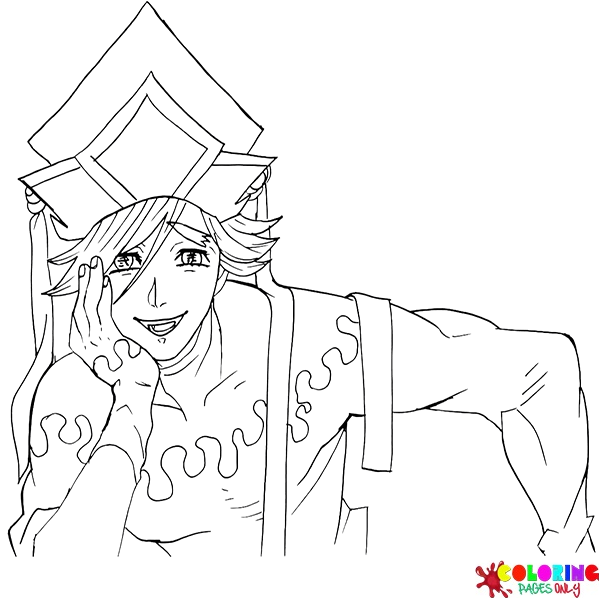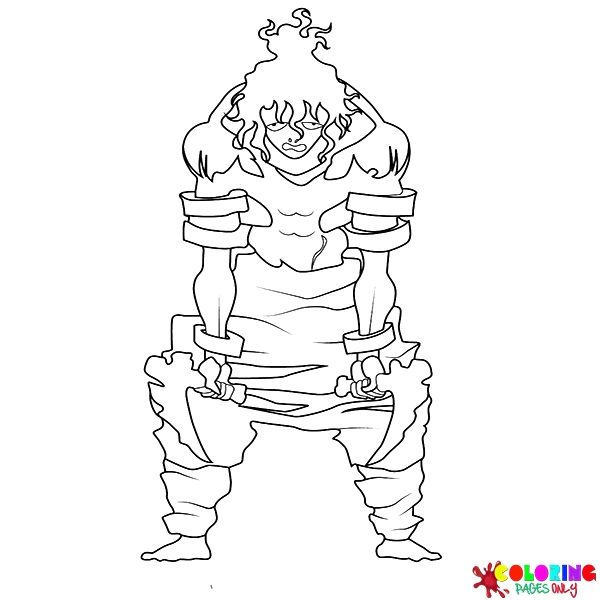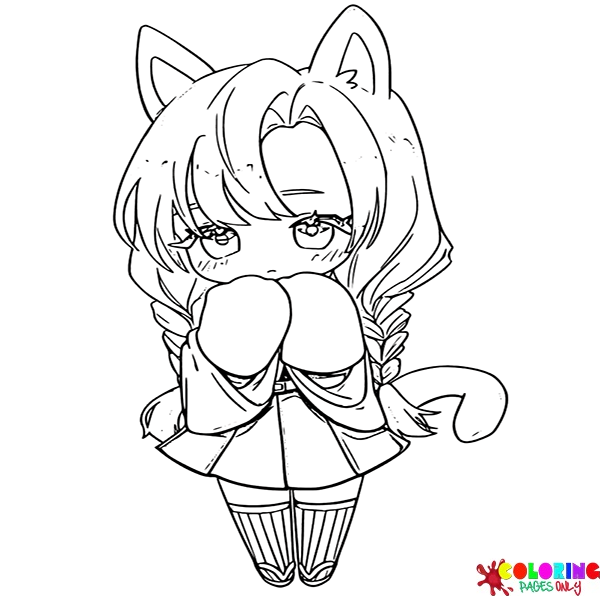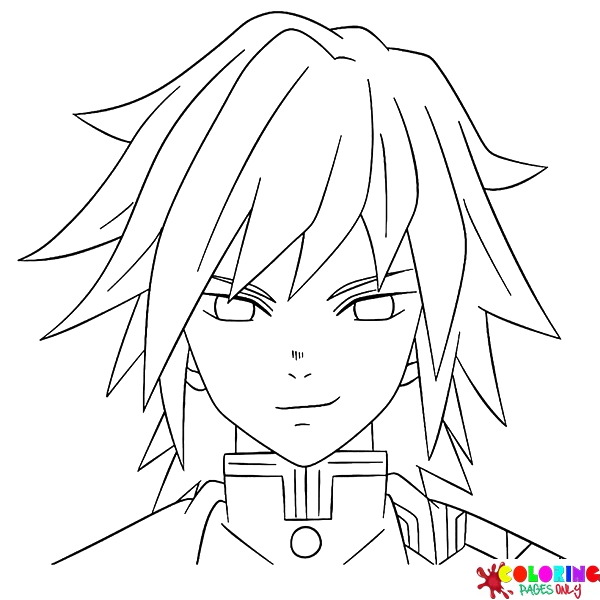


Free Muzan Kibutsuji Coloring Pages: 17 printable PDF designs featuring Muzan Kibutsuji from Demon Slayer: Kimetsu no Yaiba across his human male disguise, demon expressions, Female Muzan disguise, chibi and face close-up pages, and a bonus Rui page. Every page is available to download as a PDF or color directly in the browser, with no account or payment required.
Muzan Kibutsuji is the primary antagonist of Demon Slayer: Kimetsu no Yaiba by Koyoharu Gotouge, the first and most powerful demon in existence, responsible for creating all other demons and the death of the Kamado family. He has survived for over a thousand years by changing his appearance and disguising himself among humans.
These pages suit Demon Slayer fans and anyone looking for the series’ most visually varied villain. The coloring challenge is unique to this set: Muzan appears in three distinct visual forms across 17 pages. The same character requires a completely different palette and approach depending on which form is shown, and understanding which form you are coloring is the first decision every page asks for.




What’s Inside This Collection
The set follows Muzan through his disguises and his true nature, from polished human portraits to tense close-ups, plus one page featuring a demon from his ranks.
The Gentleman Disguise
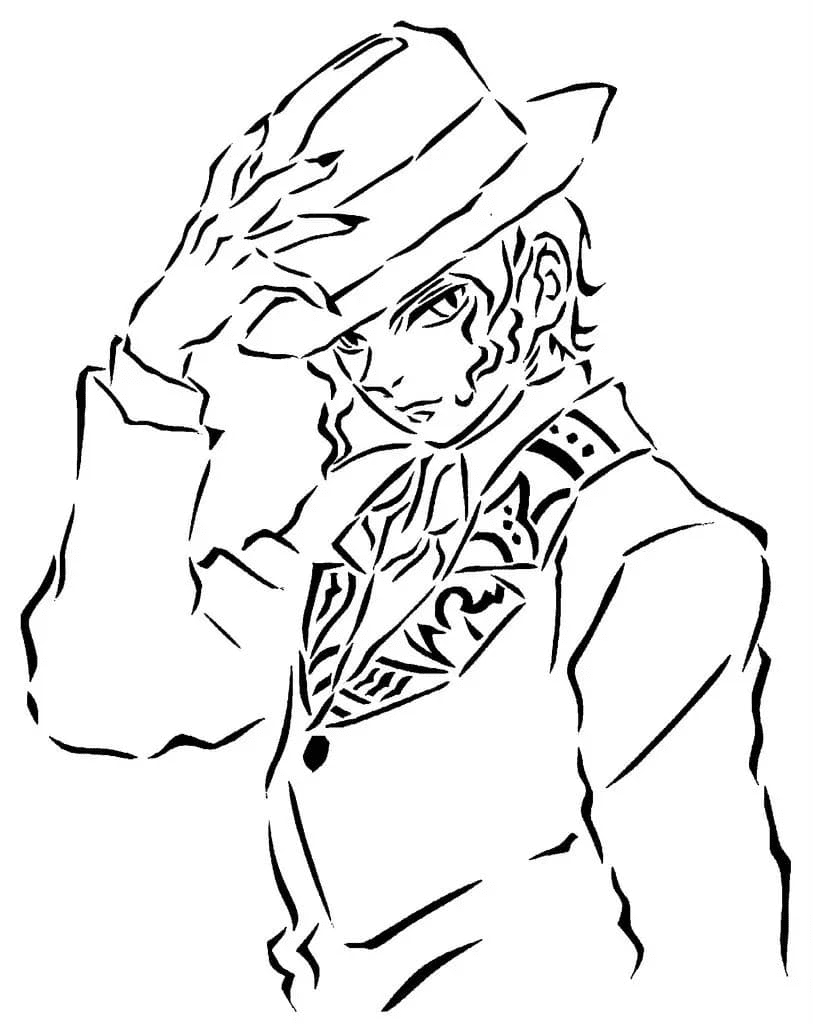
Most pages show Muzan in the form he uses to walk through Taisho-era cities: a pale young man with short, wavy black hair, a white fedora, and a dark, tailored Western suit. Keep the hat White with light Gray shadows, fill the suit in Black or very dark Gray, and save a vivid Red for the eyes so they become the only strong color on the page.
Demon Features and Evil Expressions
Pages such as Evil Muzan and the demon face close-ups drop the polished calm and show his sharper, more threatening side. Use the same Red for the eyes, but add Maroon around the edges, and cool the skin with a faint layer of Gray or Periwinkle so the expression reads colder than in the gentleman pages.
Female Muzan
The Female Muzan pages show the disguise he uses to stay unrecognized, a woman with her hair pinned up and dressed in an elegant kimono. Keep the hair Black and the skin pale, then choose a muted kimono palette such as Plum and Wisteria so this form looks clearly different from the dark suit.
Chibi and Face Close-Ups
The chibi face and portrait close-ups shrink the design down to his features, making them quicker pages to finish. On the chibi page, soft, rounded shapes and simple fills in Black, White, and Red keep the villain recognizable but far less intense.
Rui
The collection also includes Rui, a demon from the Mount Natagumo arc who serves in Muzan’s ranks as Lower Rank Five. Leave his hair paper white with light Gray shading, keep his skin pale, and add the thin facial markings in a fine line of Red.
What Muzan Kibutsuji Coloring Pages Do
Spotting what changes and what stays. Muzan is defined by disguise, so the set naturally becomes an observation exercise. Coloring the gentleman, female, and demon pages side by side asks fans to notice which details stay constant, like his red eyes and pale skin, and which ones he changes to fool everyone around him.
Precision work on sharp details. The American Academy of Pediatrics points to fine motor skill development as a core benefit of structured coloring. Muzan’s pages put that control to work on narrow hat brims, crisp suit lapels, and small, intense eyes, where a steady hand matters more than speed.
A focused, low-color session. Research in the Art Therapy Journal in 2005 found measurable reductions in anxiety after structured coloring. With a palette built mostly on black, white, and a single red accent, these pages keep color choices simple and let attention settle on clean edges and careful shading.
Talking about how stories build villains. Muzan’s calm, elegant disguise hides a dangerous character, a classic storytelling device. Older fans can use these pages to discuss how artists use clothing, posture, and color to signal that someone is not who they appear to be.
How to Color Muzan Kibutsuji Coloring Pages
- The white suit is the constant across all his forms. In human form, it is pristine and formal. In demon form, it is still white but surrounded by horror. Use a warm ivory rather than pure white for the suit fabric, and add light cool shadows in the folds. Keeping the suit white even in demon pages is the key visual choice that unifies all three forms.
- His hair is blue-black, not warm black. A slightly cool, dark blue-black (rather than a warm brown-black) keeps his hair color consistent with the cold, ancient quality his design communicates. Warm black reads as natural and human. Cool blue-black reads as something else.
- Female Muzan’s lavender should be clearly different from the male suit’s white. The disguise works by being visually different from his other forms. A soft, clear lavender distinguishes the female form from the white suit pages and from the darker demon form pages. All three forms should read as clearly different palettes.
- On the evil and demon face pages, let the background work. Muzan’s white suit reads most effectively against a dark background. A near-black or deep blue behind the demon form pages makes the white suit glow and the crimson eyes vivid.
5 Creative Craft Ideas with Muzan Kibutsuji Coloring Pages
1. Three Forms Comparison
Color a human Muzan page, a demon form page, and a Female Muzan page side by side. Label each form.
The same character in three disguises, showing how much of his power comes from being able to become someone different entirely. Takes about thirty minutes.
2. Human vs. Demon Contrast
Color the Muzan smiling human page and the Muzan demon face page. Mount them facing each other on a card.
The two faces of the same composure: the controlled smile that is never warm, and the demon expression that drops the pretense entirely. Takes about twenty minutes.
3. Muzan and Rui Demon Pair
Color a Muzan demon form page and the Rui page. Display together as a demon hierarchy pair.
The series’s primary demon lord and one of his subordinates displayed together. Takes about twenty minutes.
4. Villain Poster
Color the Evil Muzan page on dark card with a near-black background to make the white suit and crimson eyes vivid.
A standalone villain portrait for display. Takes about fifteen minutes.
5. Female Muzan Portrait
Color the Female Muzan page as a standalone portrait, keeping the lavender soft and the expression serene.
The disguise that reads as the least threatening of Muzan’s three forms, which is exactly the point. Takes about fifteen minutes.
FAQ About Muzan Kibutsuji Coloring Pages
Are these Muzan Kibutsuji coloring pages free, and can I color them online?
Yes. Every page is free, with no account, email, or payment required. Download the PDF to print at home, or open it in the online coloring tool to color on screen.
Who is Muzan Kibutsuji?
Muzan Kibutsuji is the primary villain of Demon Slayer: Kimetsu no Yaiba by Koyoharu Gotouge. He is the first demon in existence, created over a thousand years ago when a doctor treated a dying Heian-era nobleman with medicine that was never intended to be used on a human. He can transform humans into demons by sharing his blood, and he controls all demons telepathically. He is the one responsible for killing the Kamado family and turning Nezuko into a demon.
Why does Muzan disguise himself as a human?
Muzan must stay hidden from the Demon Slayer Corps because sunlight can kill him, and prolonged exposure or capture would end over a millennium of survival. He uses human disguises, a businessman, a woman, various identities across different eras, to move through society without attracting attention. His survival strategy is based entirely on never being found until he chooses to reveal himself.
What is Female Muzan?
Female Muzan is one of several human disguises Muzan uses across the series. In the Female Muzan form, he appears as a Taisho-era Japanese woman with long dark hair and a soft lavender dress, a complete contrast to his white-suited male identity. This form appears in the city during the early part of the series and is specifically chosen to be unthreatening.
Who is Rui?
Rui is a demon who appears in the Mount Natagumo arc and holds the rank of Lower Rank Five in Muzan’s Twelve Kizuki hierarchy. He has white hair, pale skin, and thread-like red markings across his face and body, reflecting his spider-thread Blood Demon Art. He is notable for forcing other demons to act as his family, creating a simulated family structure he was denied as a human.
What are the Twelve Kizuki?
The Twelve Kizuki, also known as the Twelve Demon Moons, are Muzan’s twelve most powerful demon subordinates. They are divided into Upper Ranks and Lower Ranks, each holding a portion of Muzan’s blood and fighting on his behalf. Upper Ranks are significantly more powerful than Lower Ranks and are responsible for most of the Hashira’s deaths in the series.
Are these official Muzan Kibutsuji coloring pages?
No. These are fan-made coloring sheets for personal use and are not affiliated with, licensed by, or endorsed by Koyoharu Gotouge, Shueisha, Aniplex, ufotable, or any other rights holder of Demon Slayer: Kimetsu no Yaiba.
What age group are these pages best suited for?
Demon Slayer is rated for audiences aged 13 and up due to its action and dark themes. The coloring pages are appropriate for fans of the series from around age 8. The demon face and evil expression pages may be intense for younger children.
Start Coloring
Download any page by clicking the design. No account, email, or payment is required. Pages print directly from the browser at full resolution or open in the online coloring tool for screen use. Share finished pages on Facebook or Pinterest using the share buttons at the top of each design page.