Hamster Coloring Pages
 By:
Jennifer Thoa - Content Editor & Designer
Updated:
By:
Jennifer Thoa - Content Editor & Designer
Updated:
Free hamster coloring pages: 67 printable PDF designs featuring real hamster species alongside whimsical, personified scenes, for kids of all ages. Each page can be downloaded as a PDF to print or colored online in the browser.
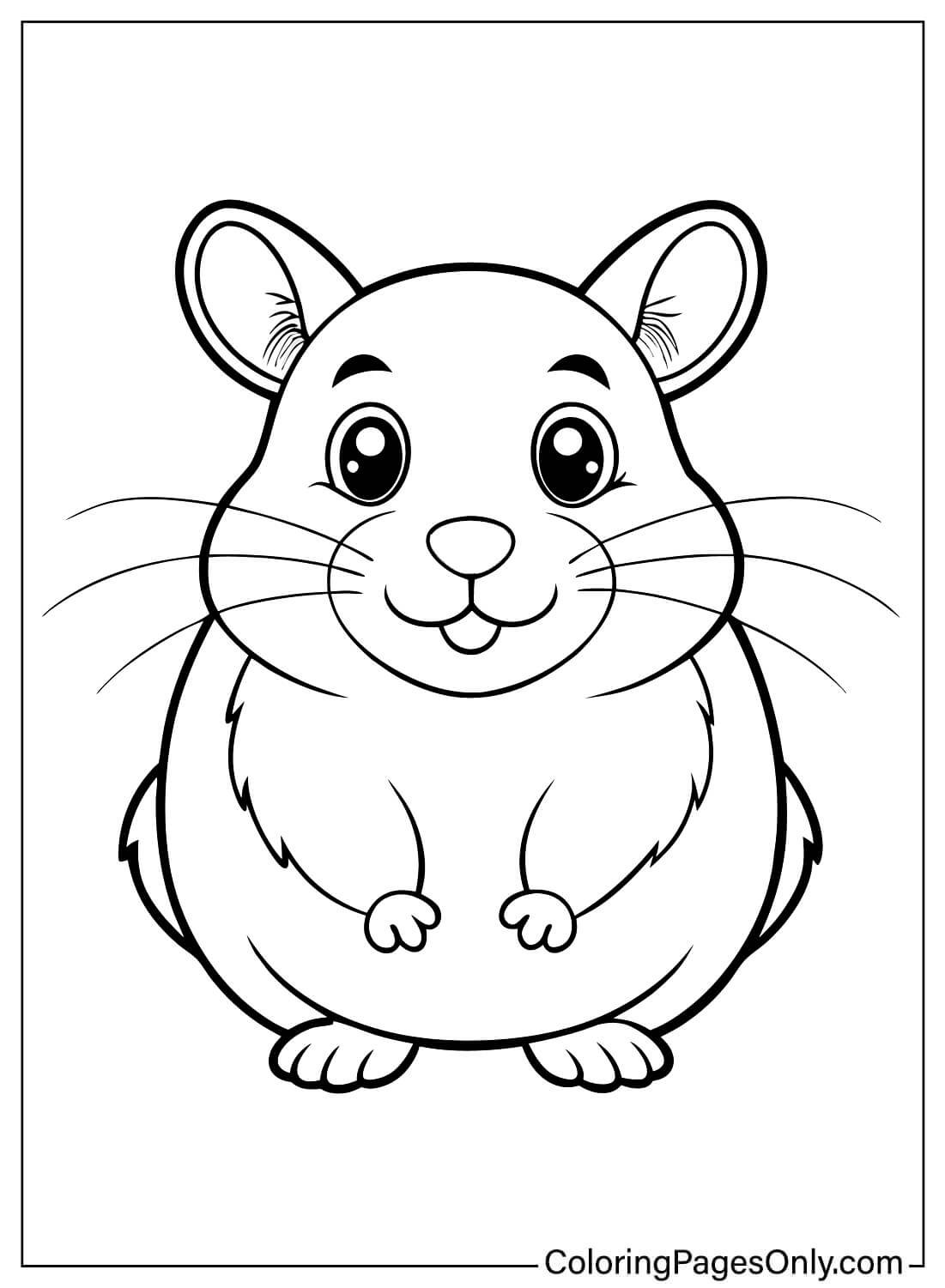
Pet hamsters sold in stores today are almost always one of two broad types: the Syrian hamster, the larger, most common pet species, and several dwarf hamster species, which are smaller and sometimes able to live in same-sex pairs, unlike Syrians, which must be housed alone as adults or they will fight. This collection includes pages for both, alongside a much larger set of whimsical scenes showing hamsters biking, gardening, painting, and drinking tea like small, well-dressed people.
With 67 pages split into five groups, real named species, human activities, and personified scenes, multiple hamsters and group scenes, solo portraits in a range of moods and styles, and generic utility-named pages, the set works for a pet owner looking for something specific as well as anyone who wants a cute rodent to color.











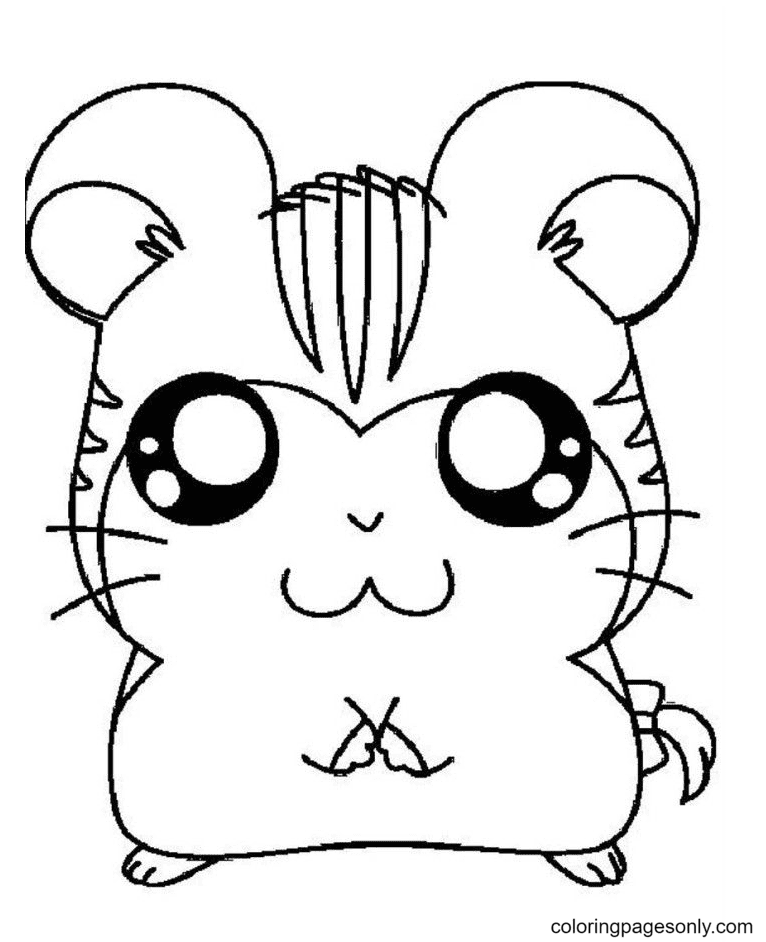

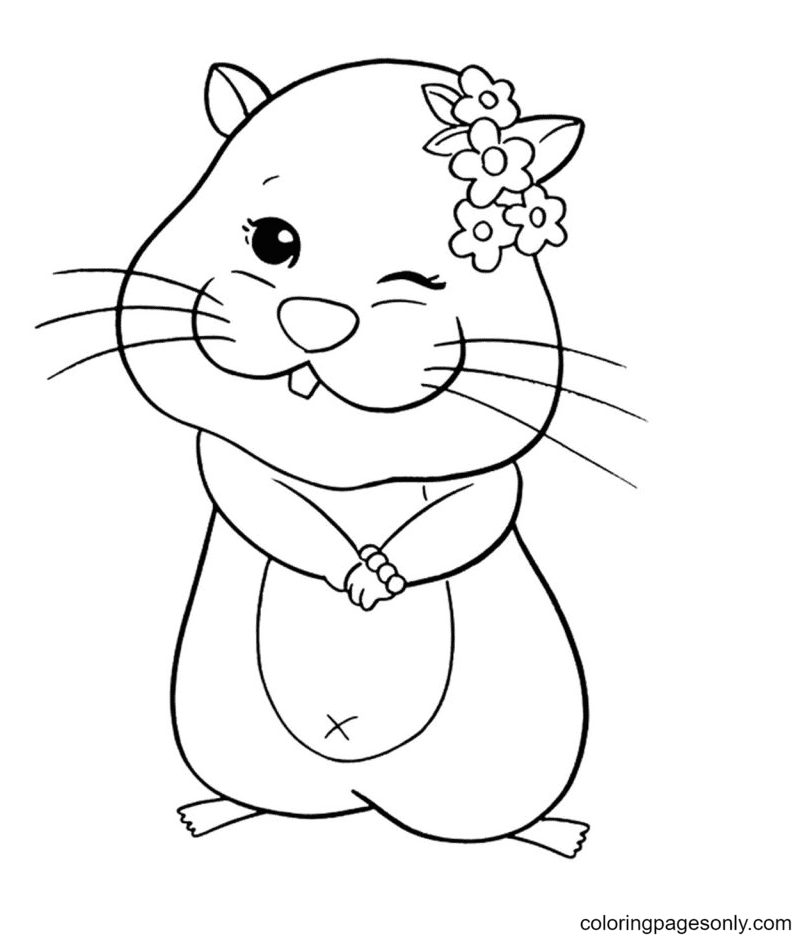
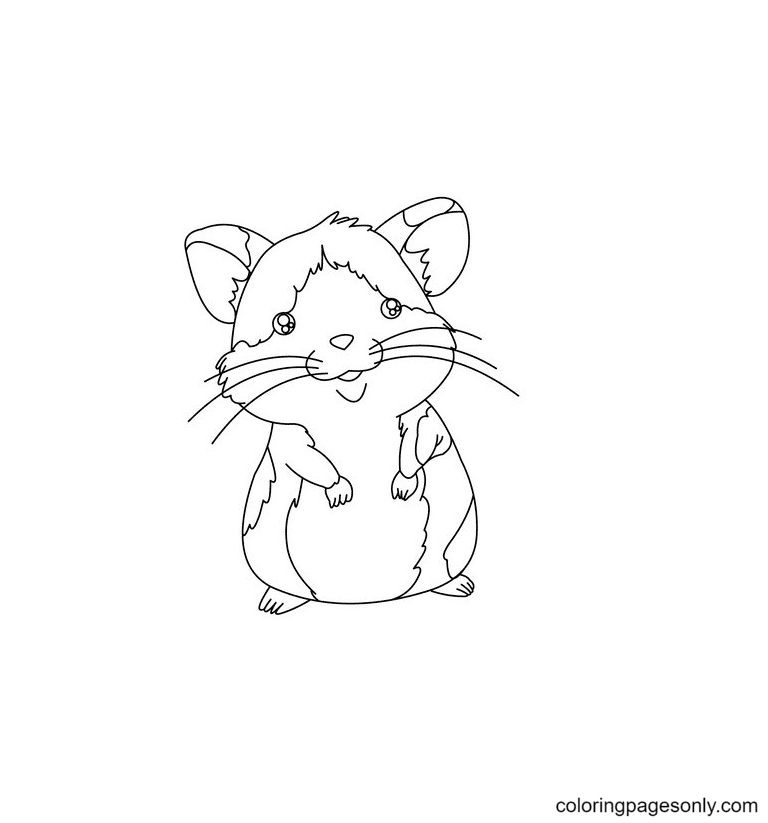
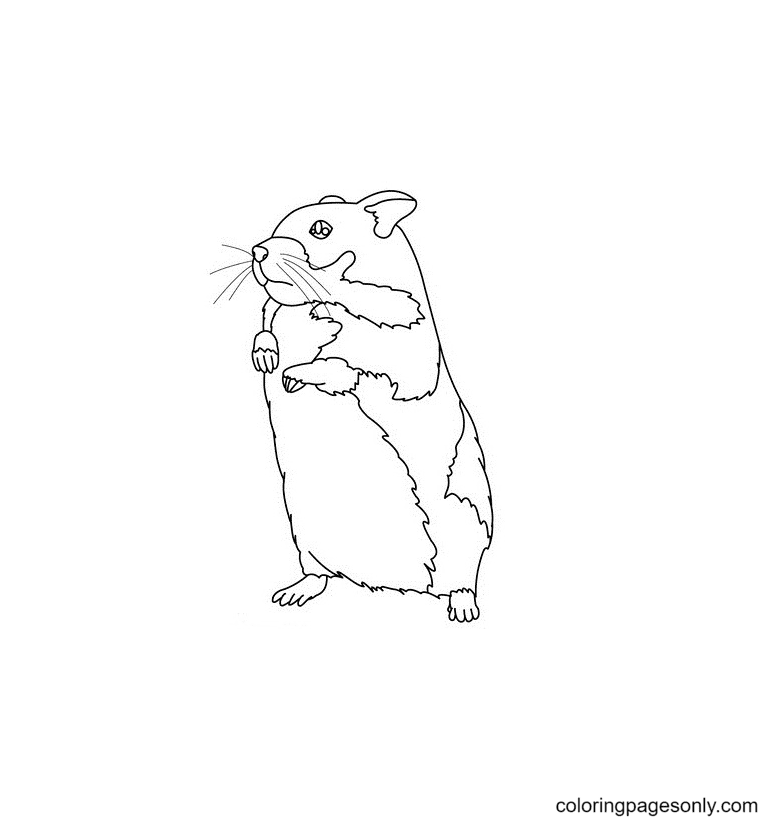
















What Is Inside This Collection
The 67 pages fall into five groups, based on whether a real species, a scene, or a simple portrait is shown.
Real Named Species
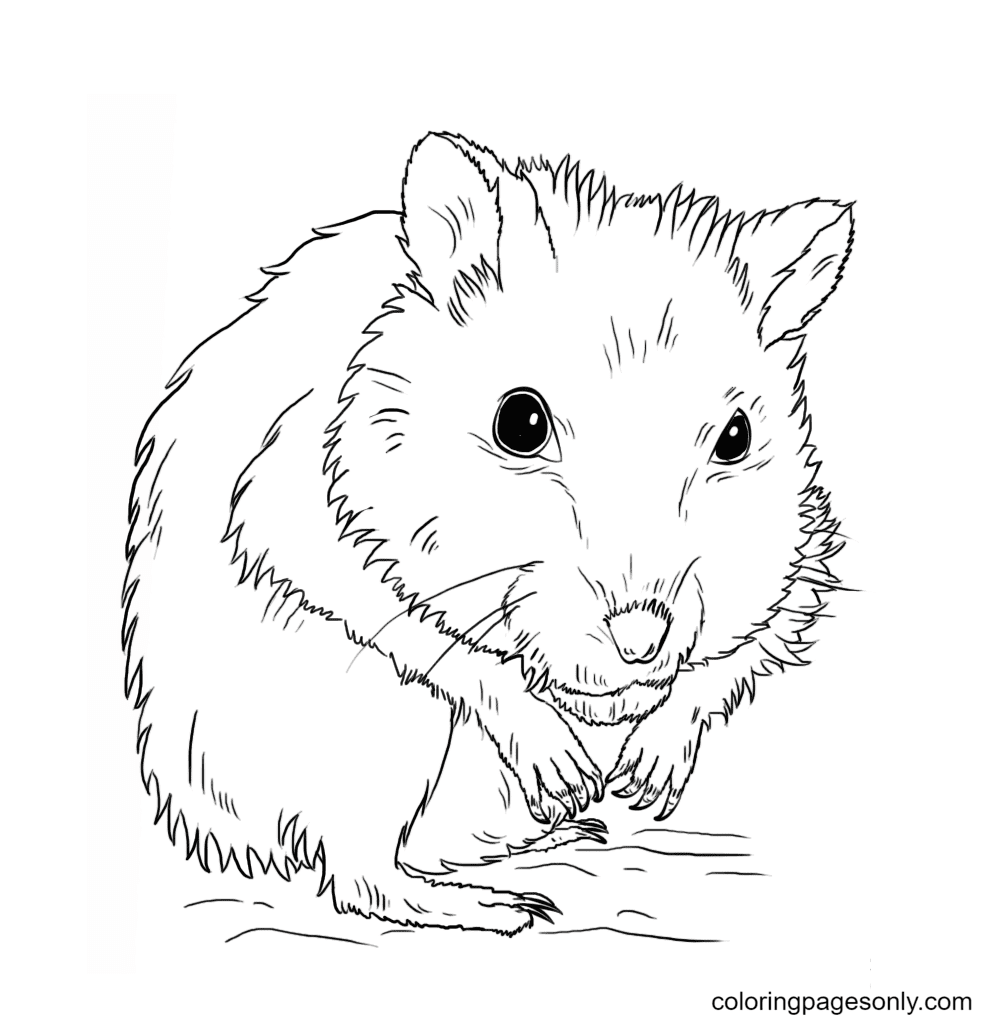
2 pages named after actual hamster species: the Syrian hamster and the dwarf hamster. Classic Goldenrod or Burnt Sienna fur with a cream belly suits the Syrian, while a grayer coat, Silver or Gray, often with a darker stripe down the back, fits the smaller dwarf species.
Human Activities and Personified Scenes
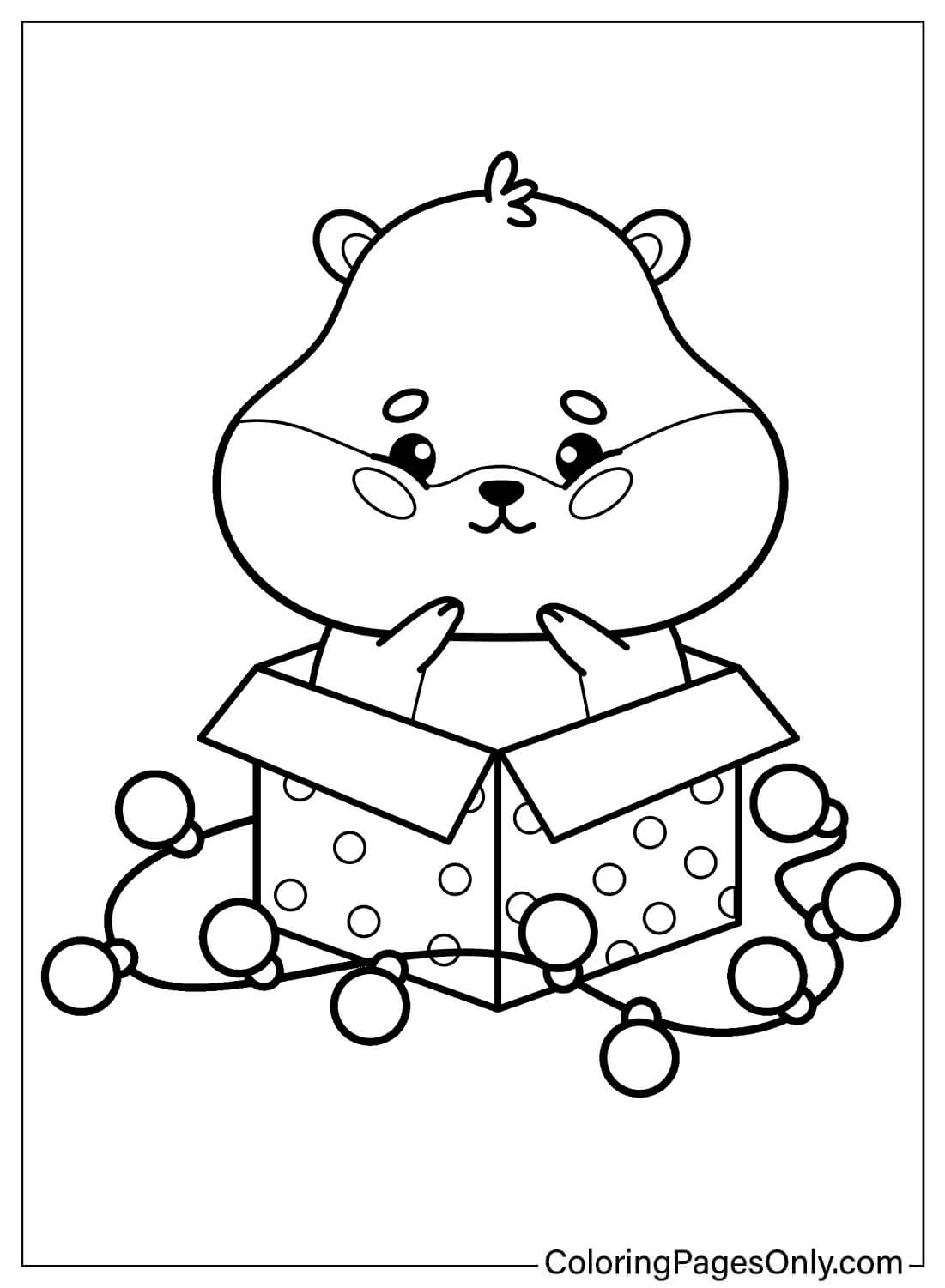
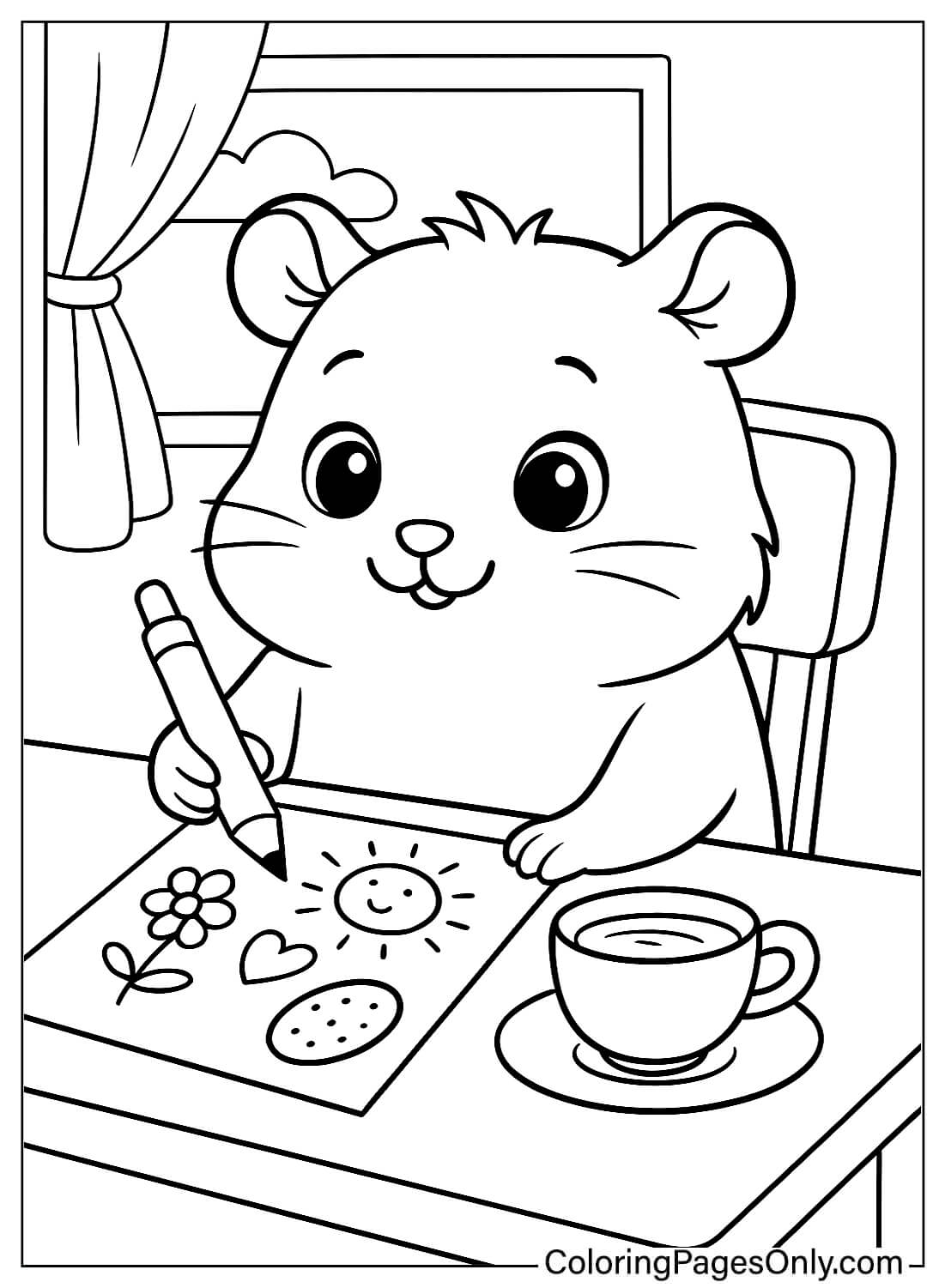
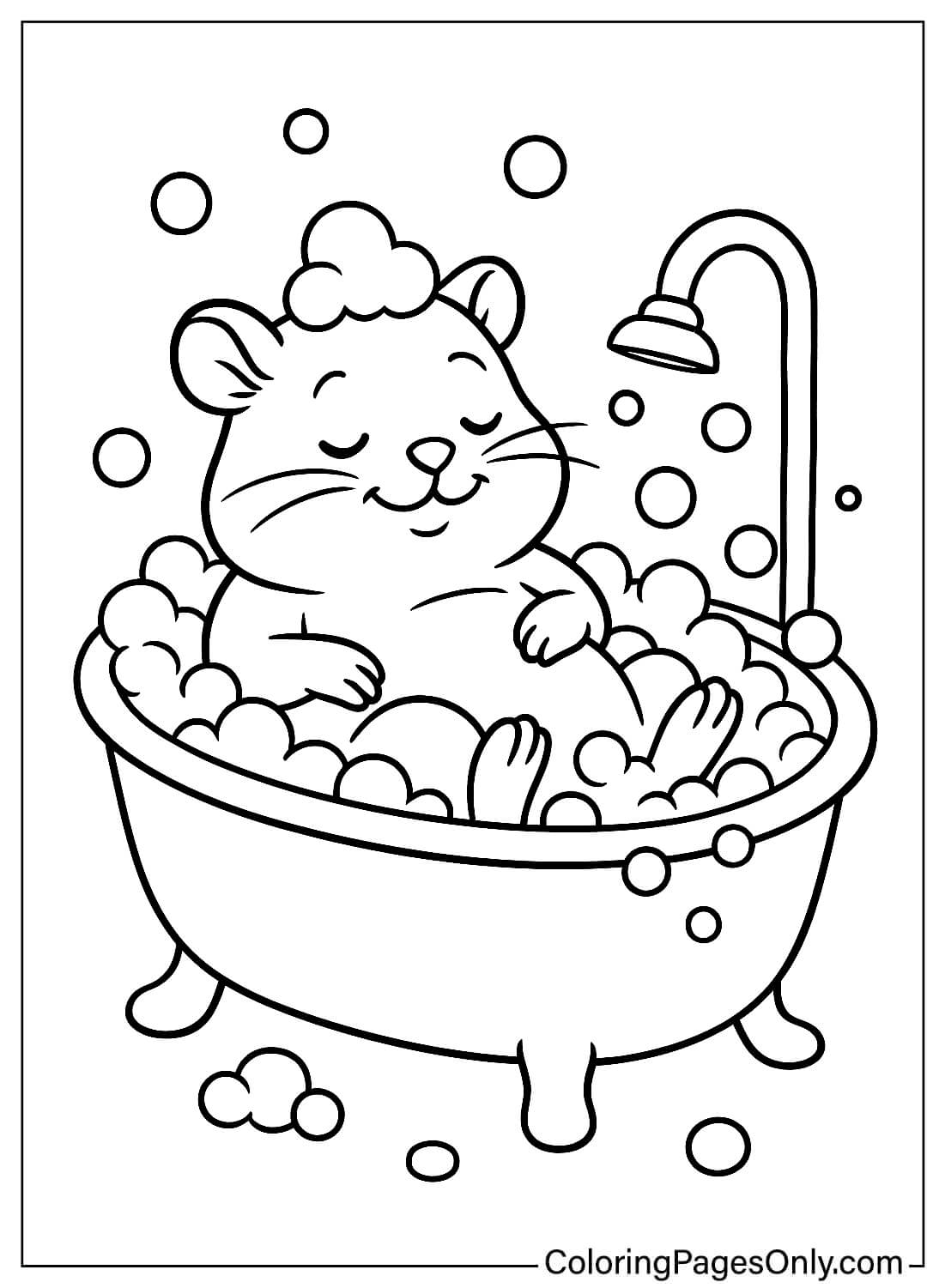
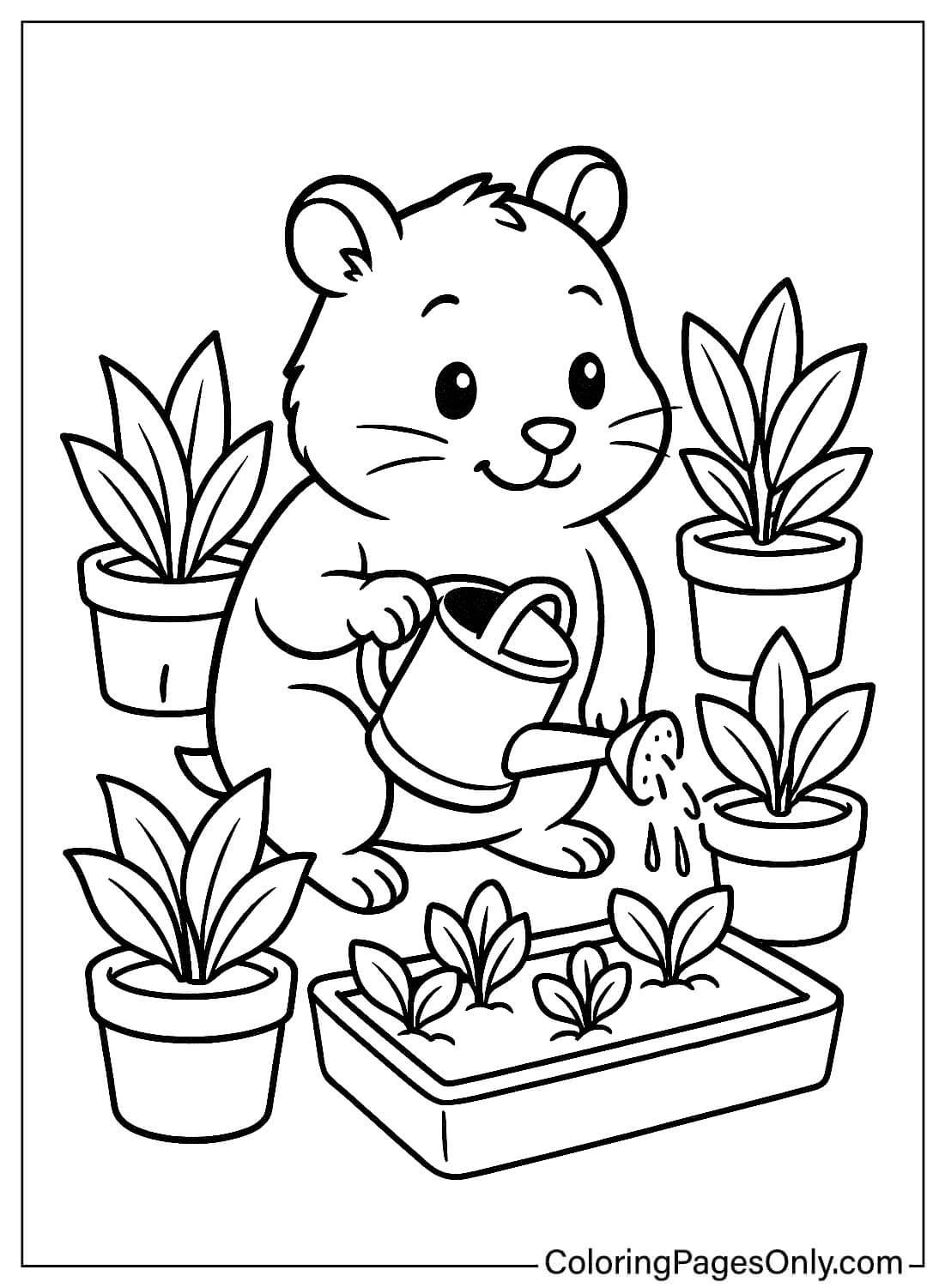
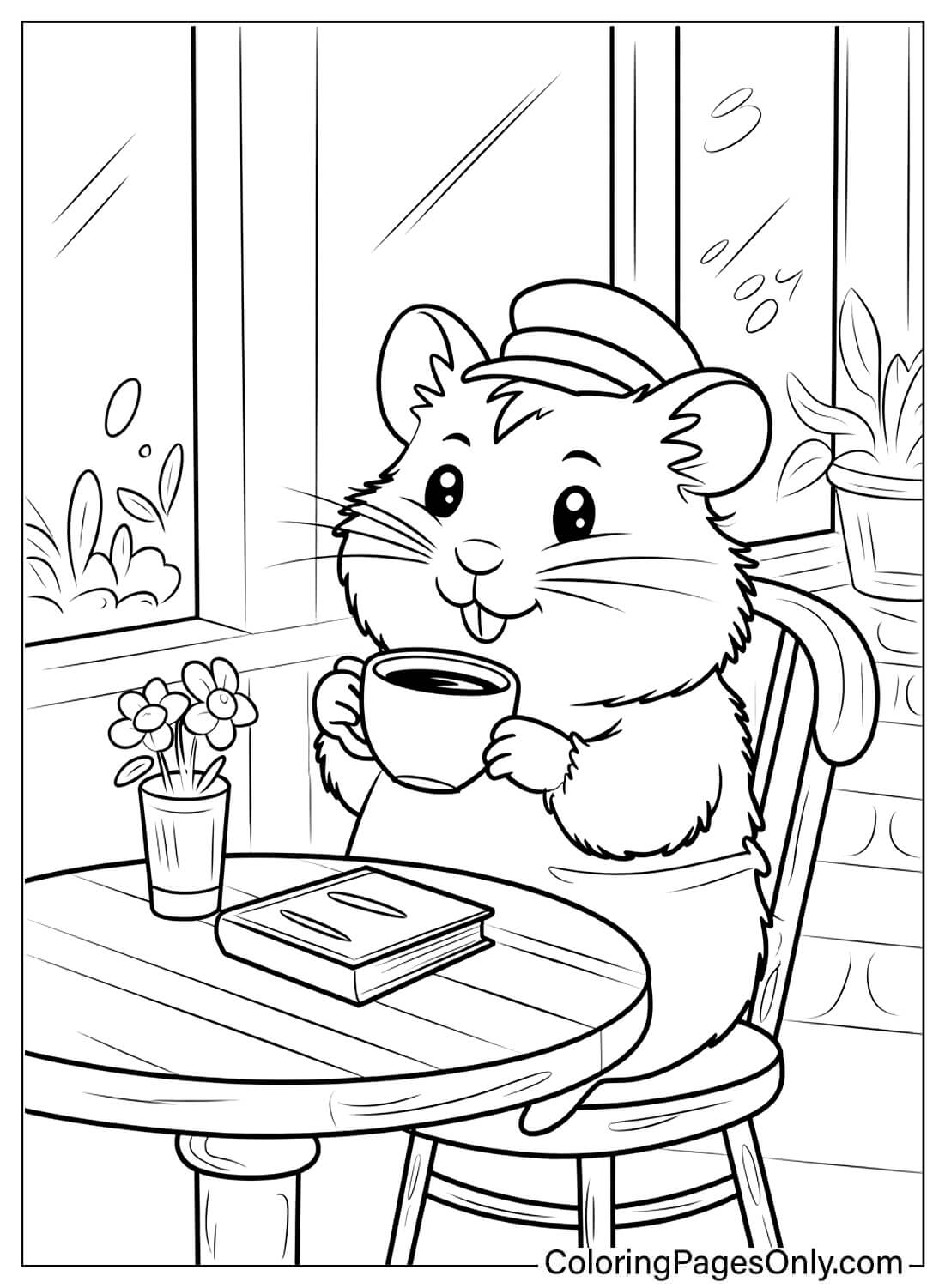
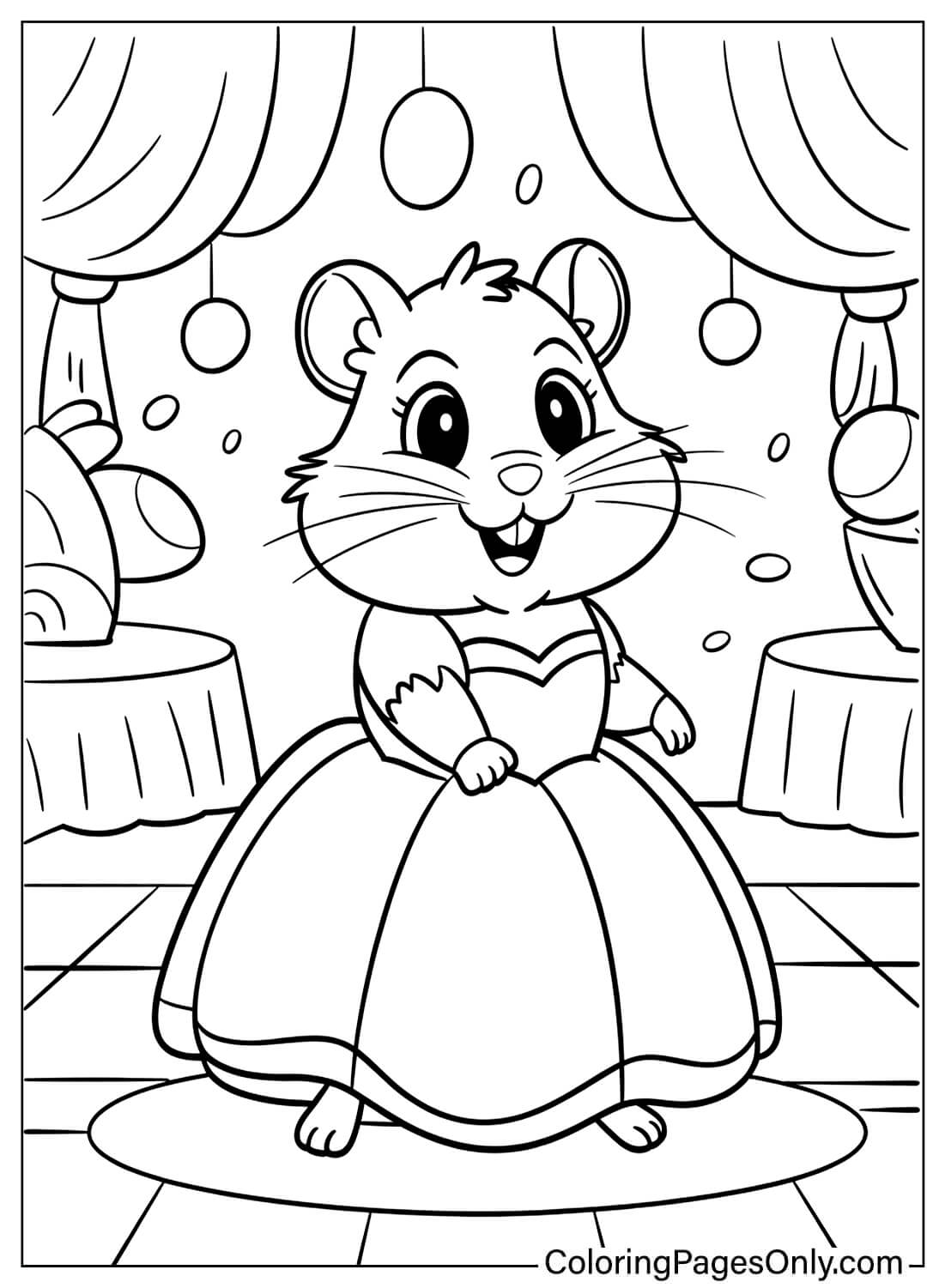
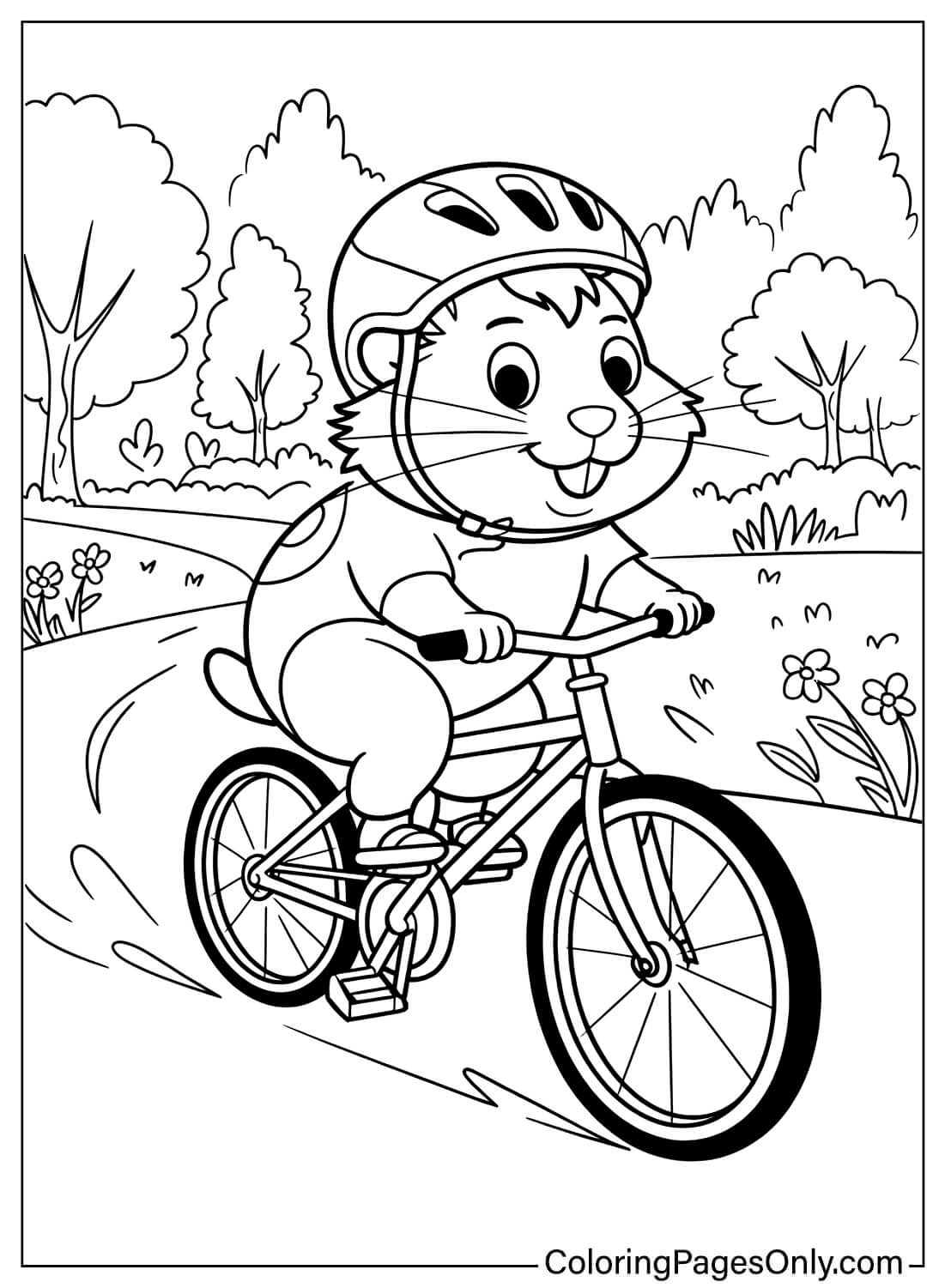
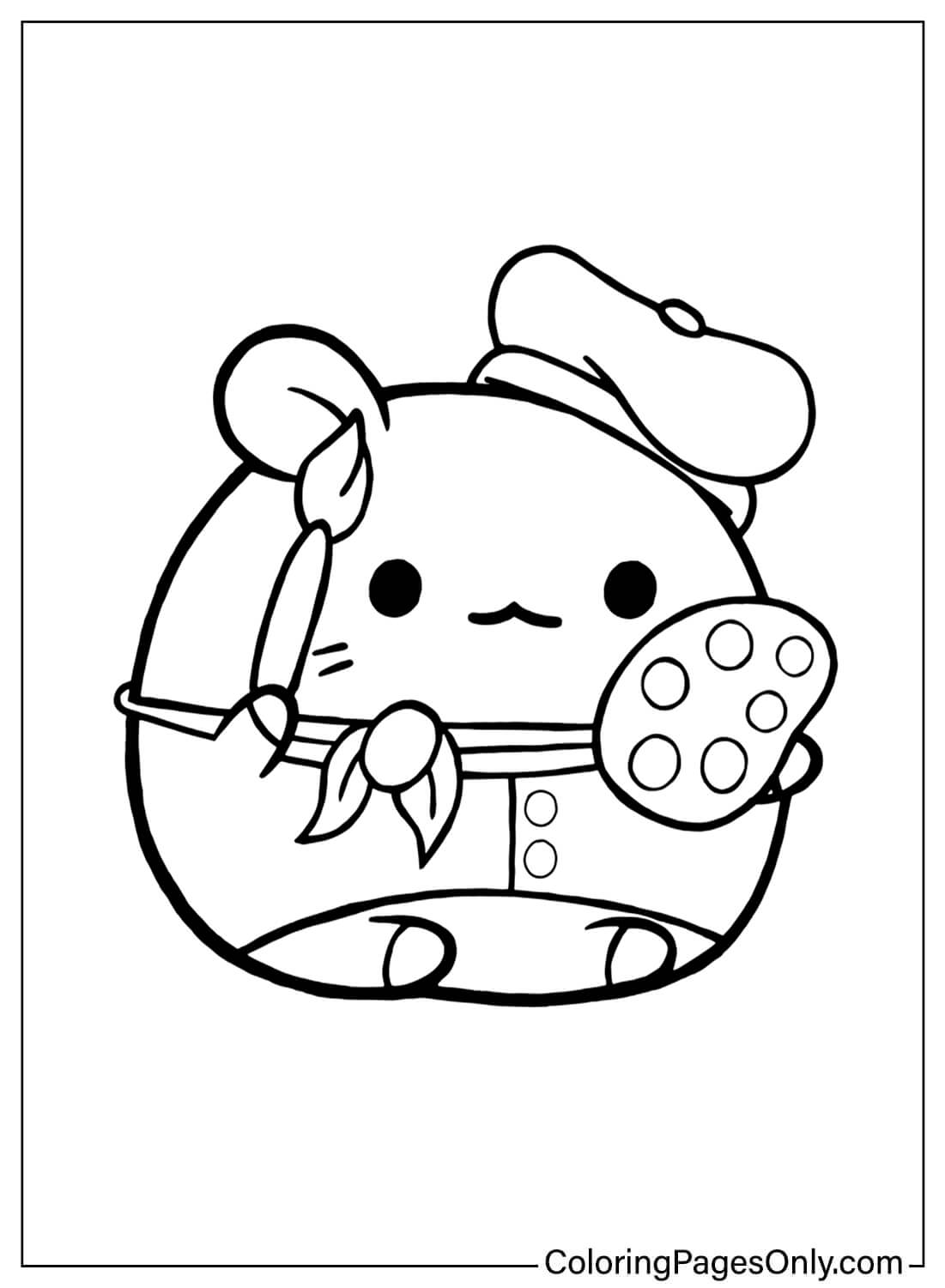
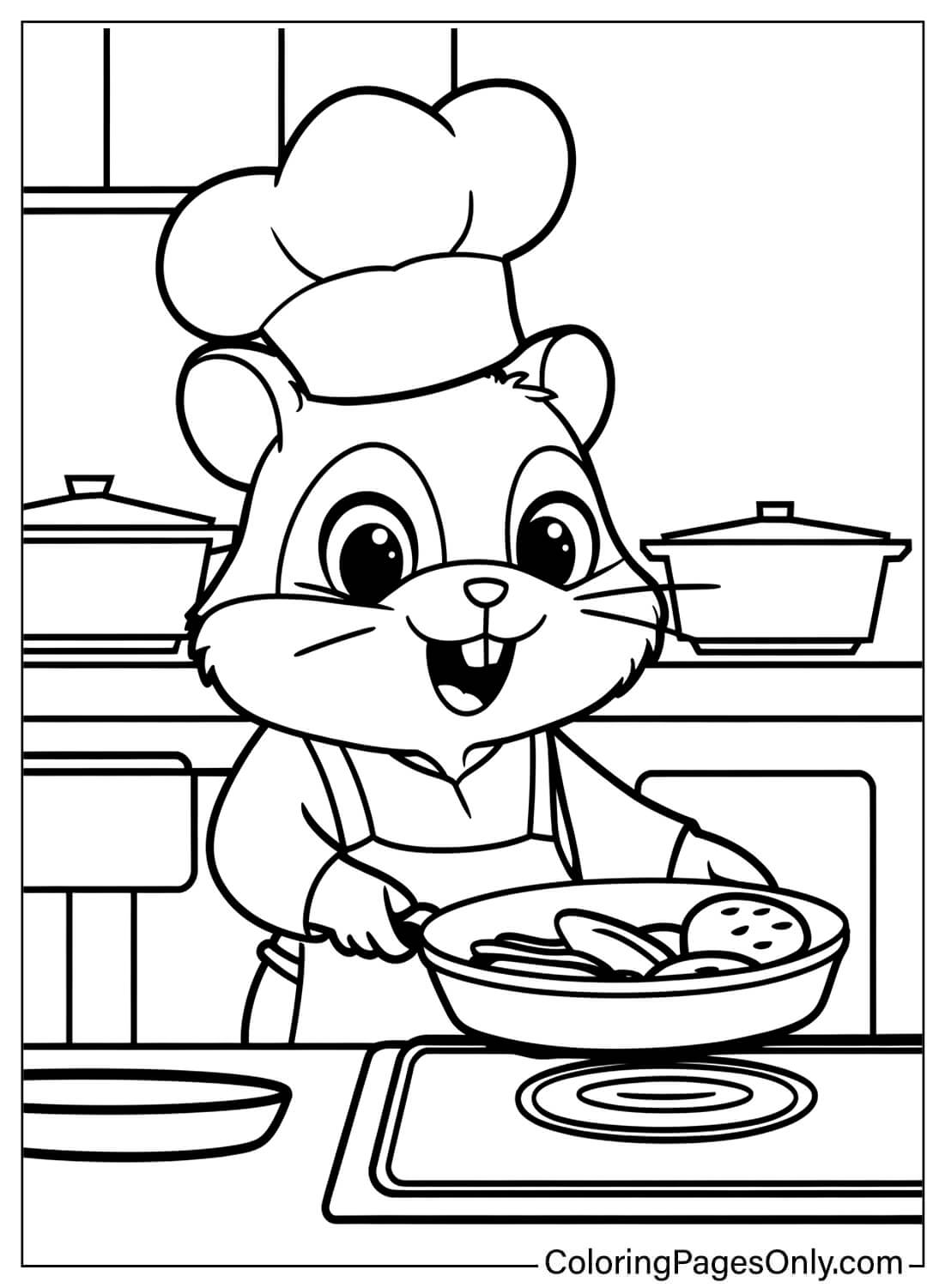
18 pages showing a hamster biking, gardening, painting, or drinking tea like a small, well-dressed person. Keep the hamster’s fur in classic Tan or Sepia tones, then use bright, varied colors for whatever human-style clothing or props appear in the scene.
Multiple Hamsters and Group Scenes
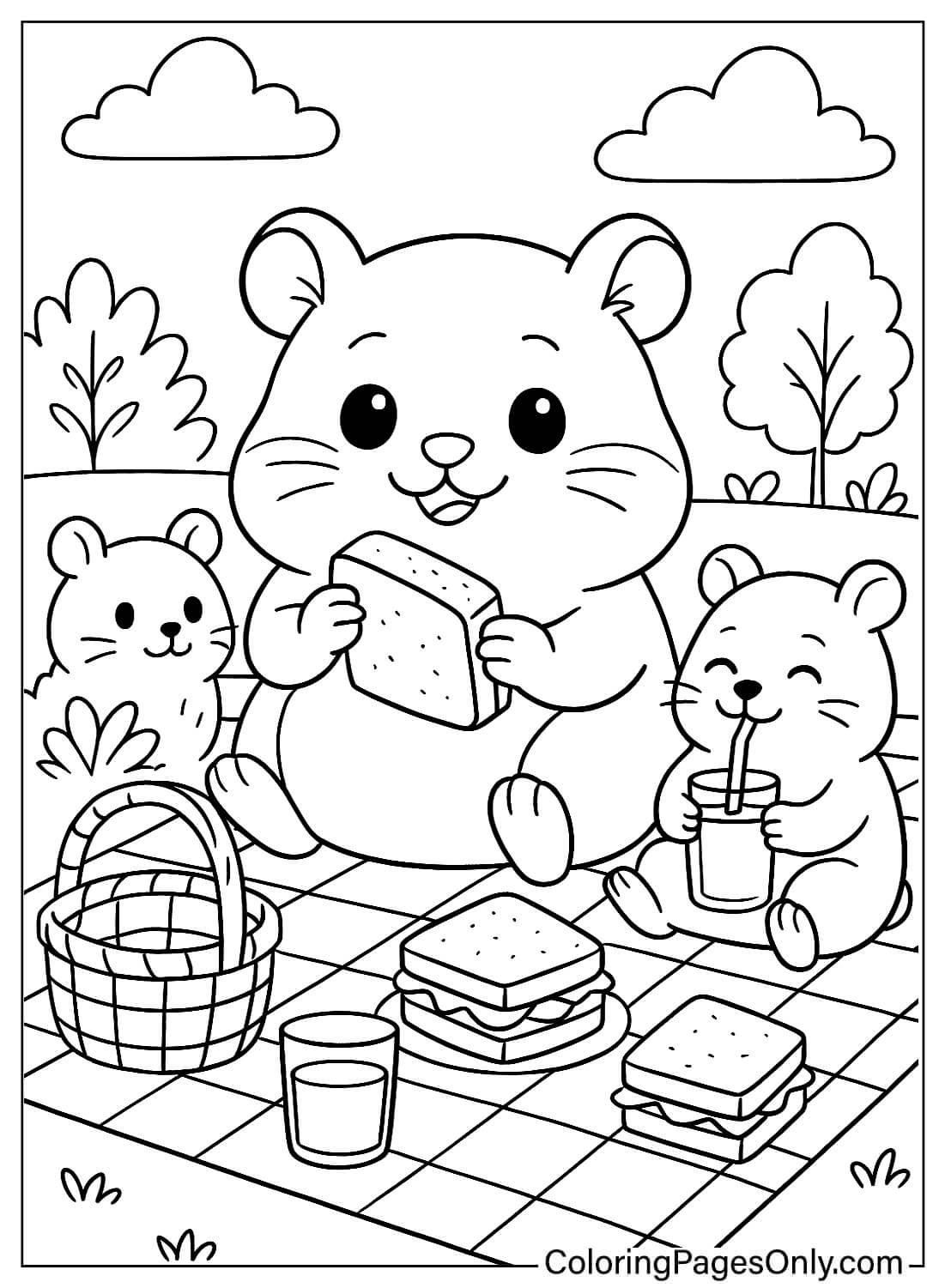
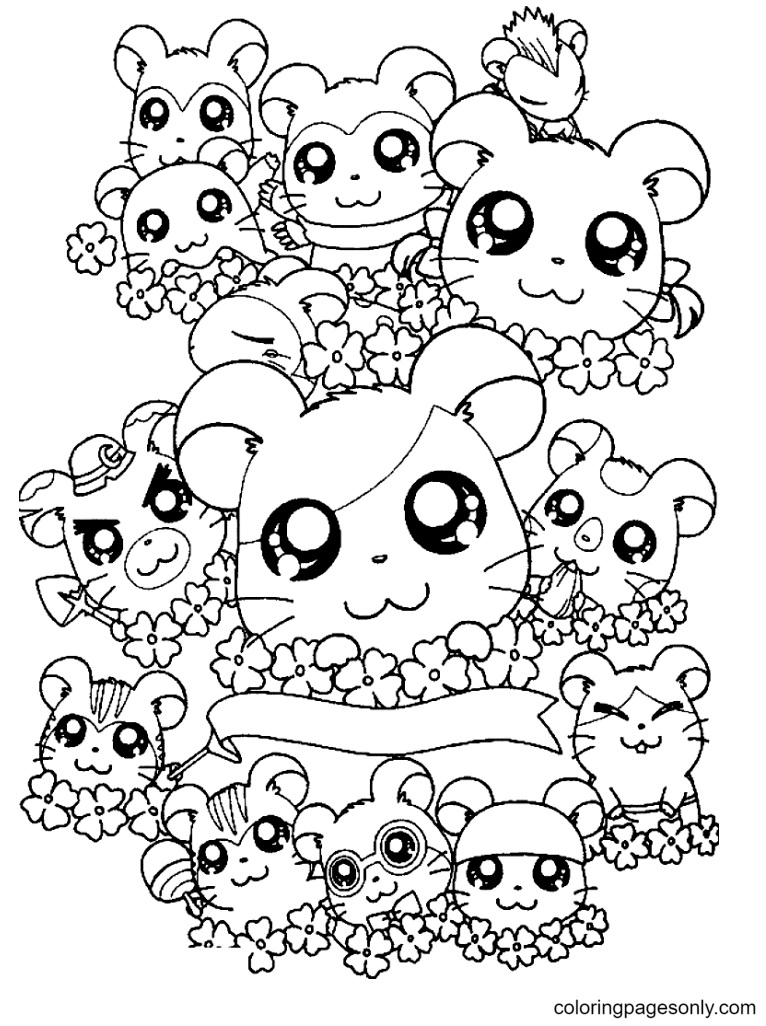
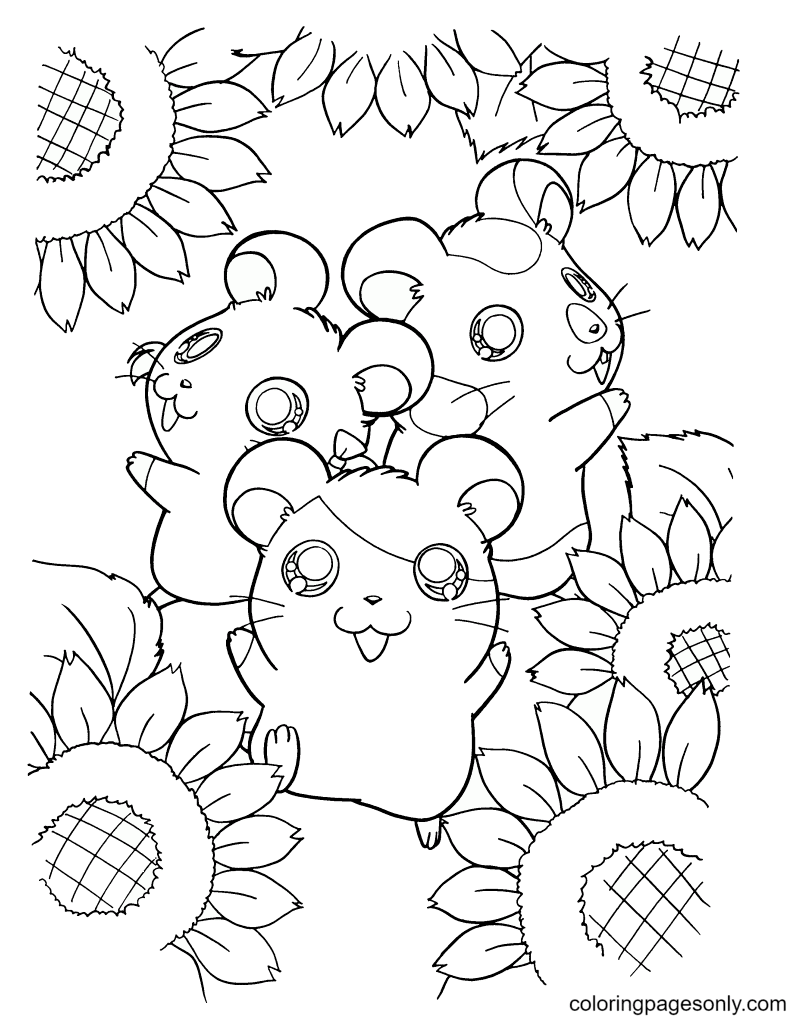
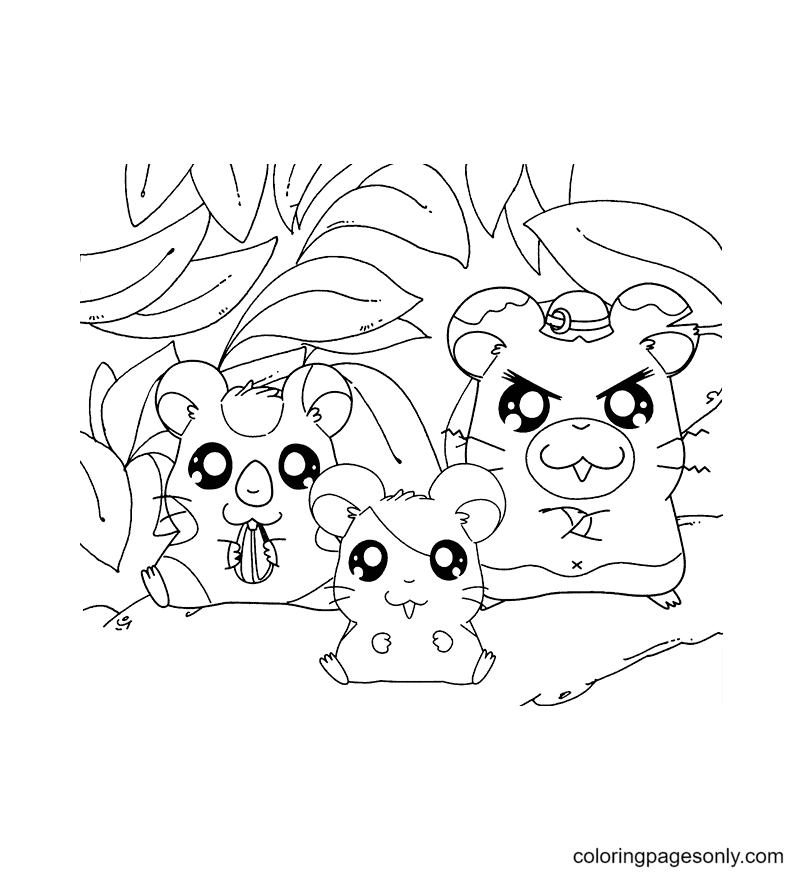
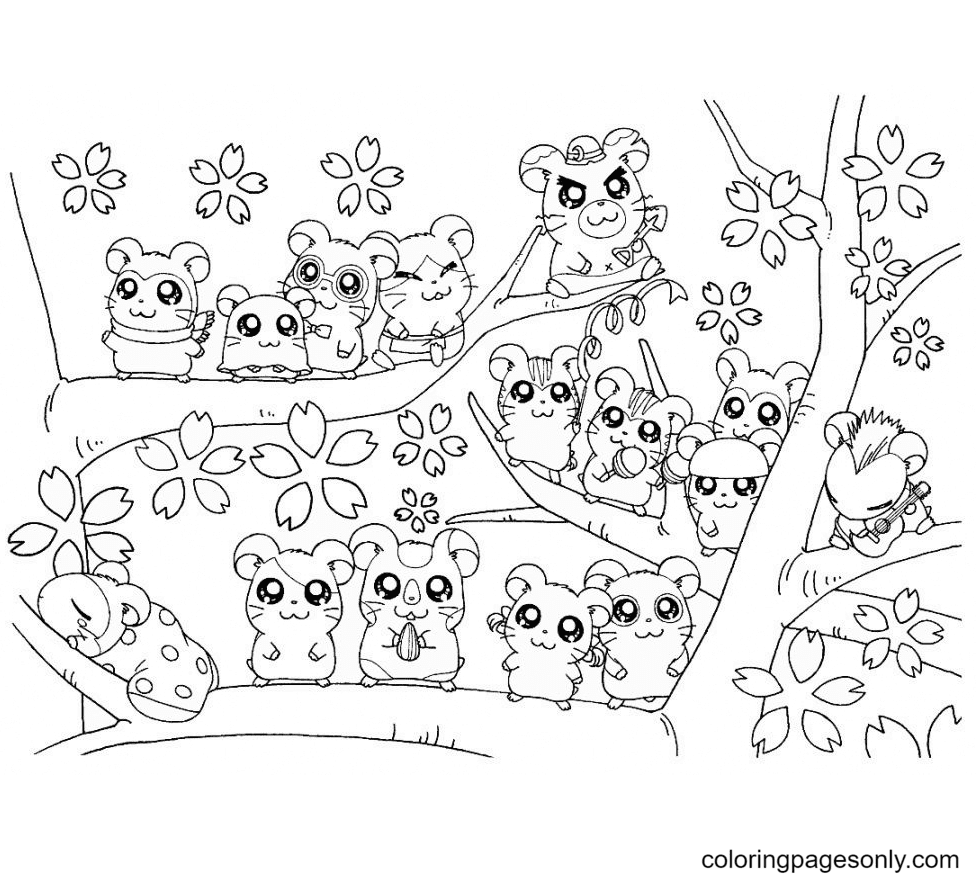
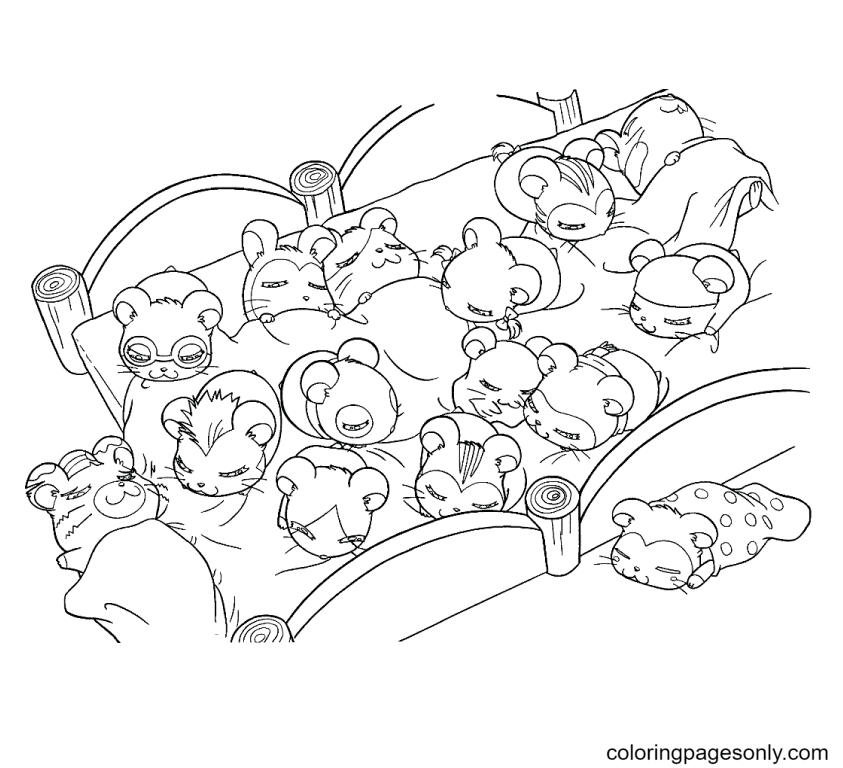
12 pages showing two or more hamsters together, often in a shared forest, garden, or tree-branch setting. Vary the fur tone slightly between each hamster, Tan, Sepia, and Gray, so every individual in the group reads clearly on its own.
Solo Portraits: Mood, Style, and Accessories
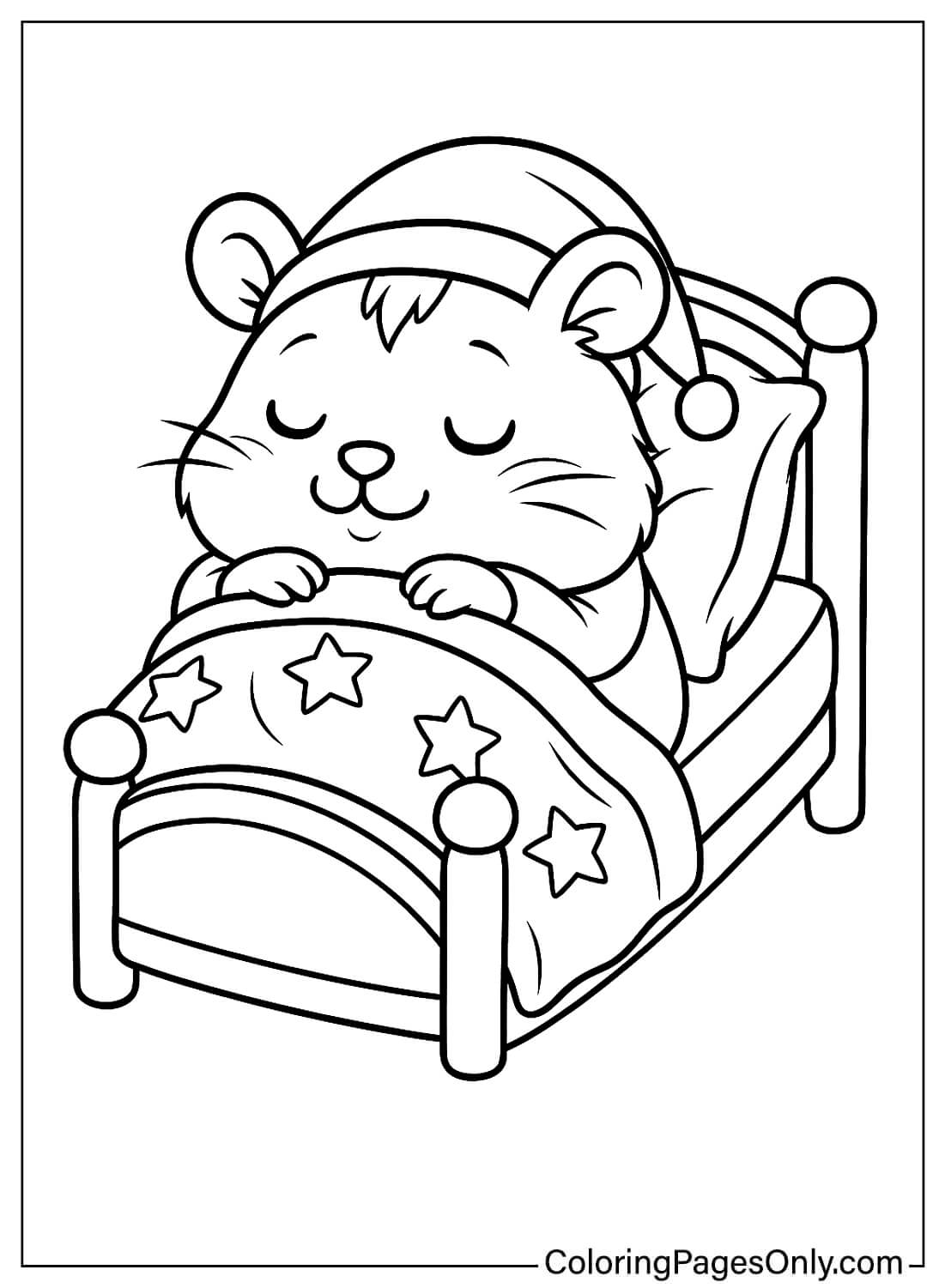
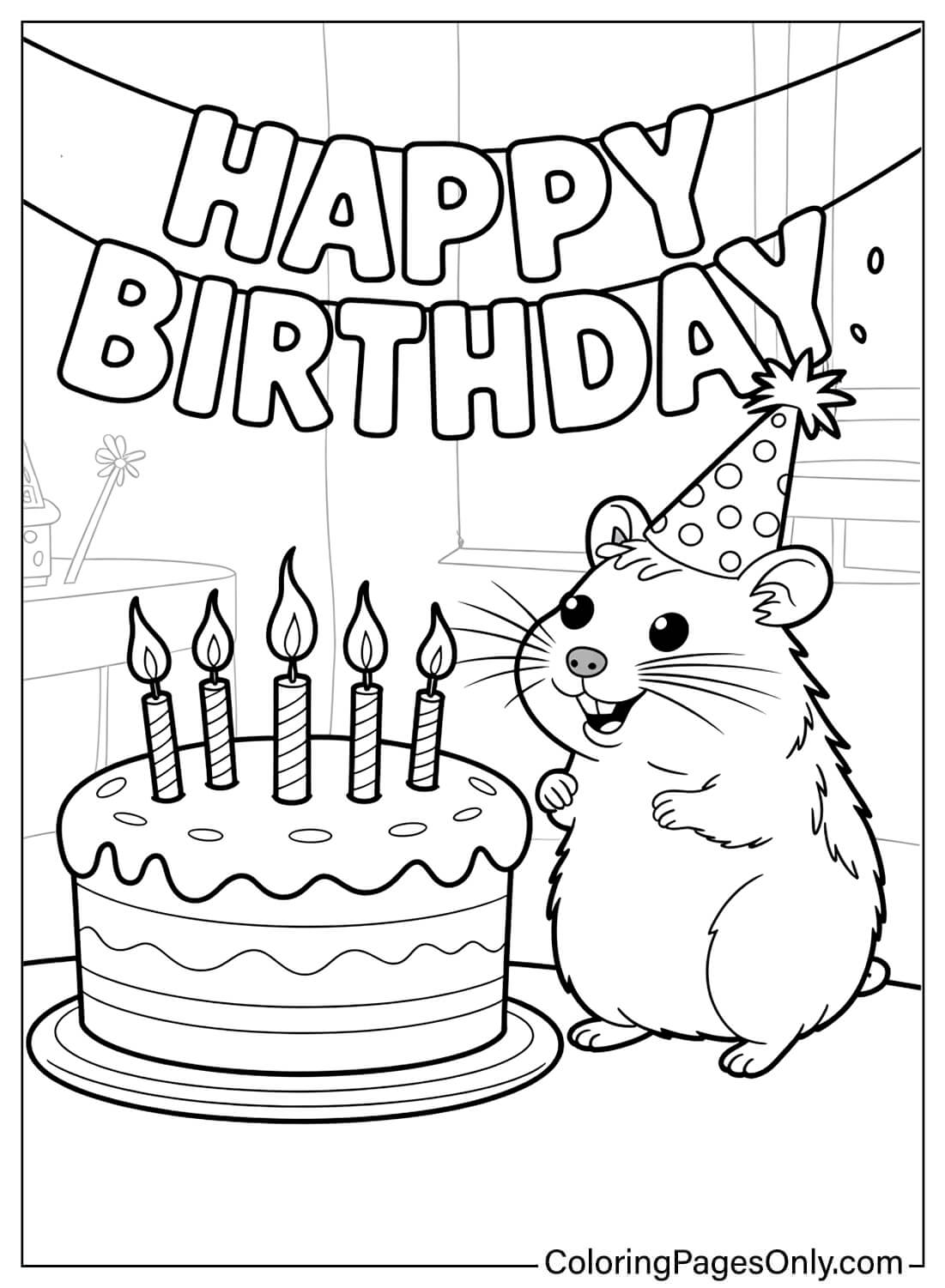
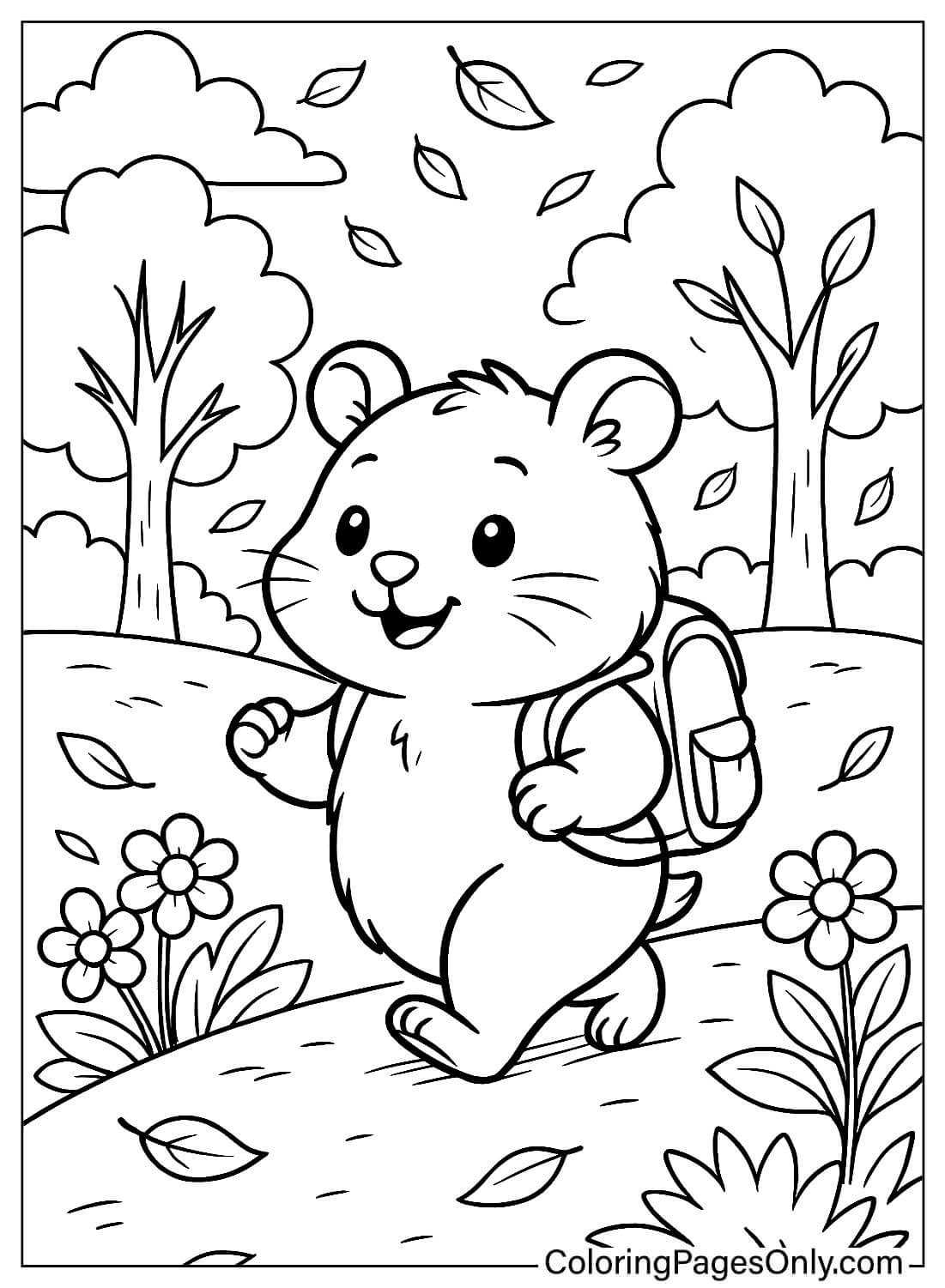
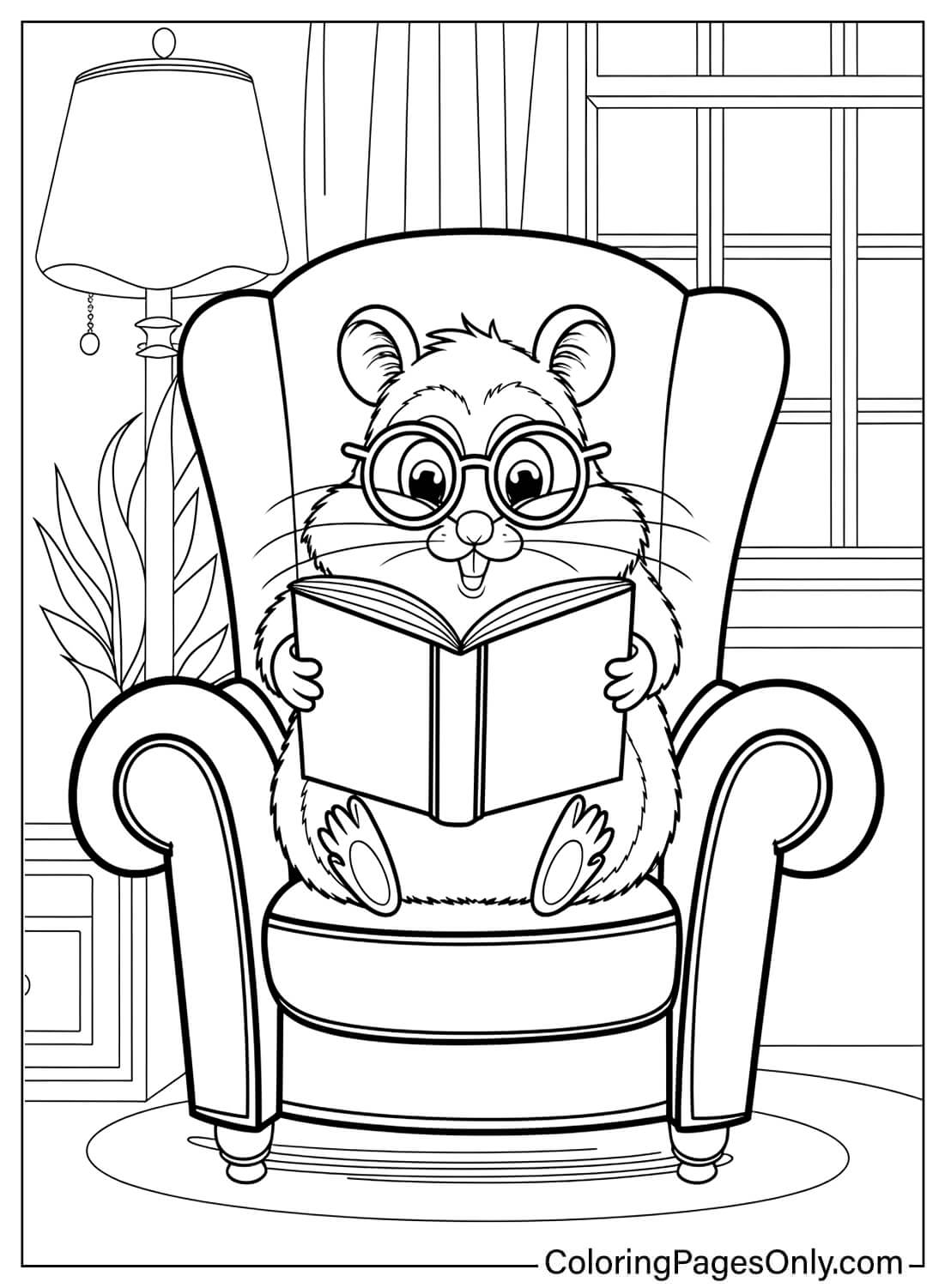
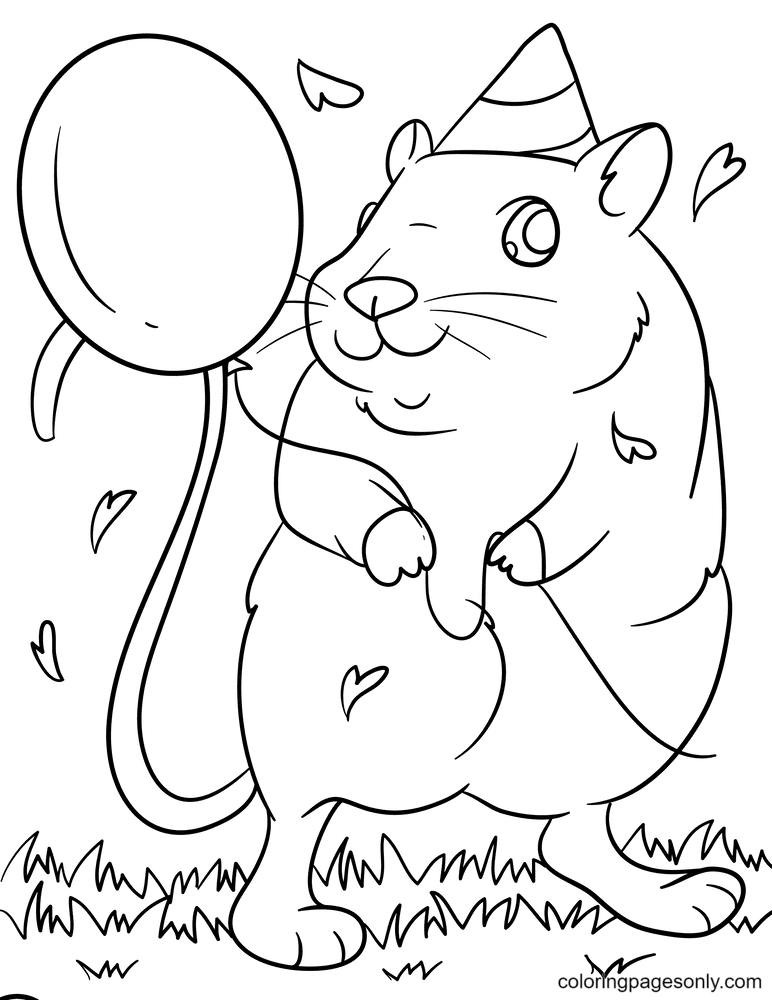
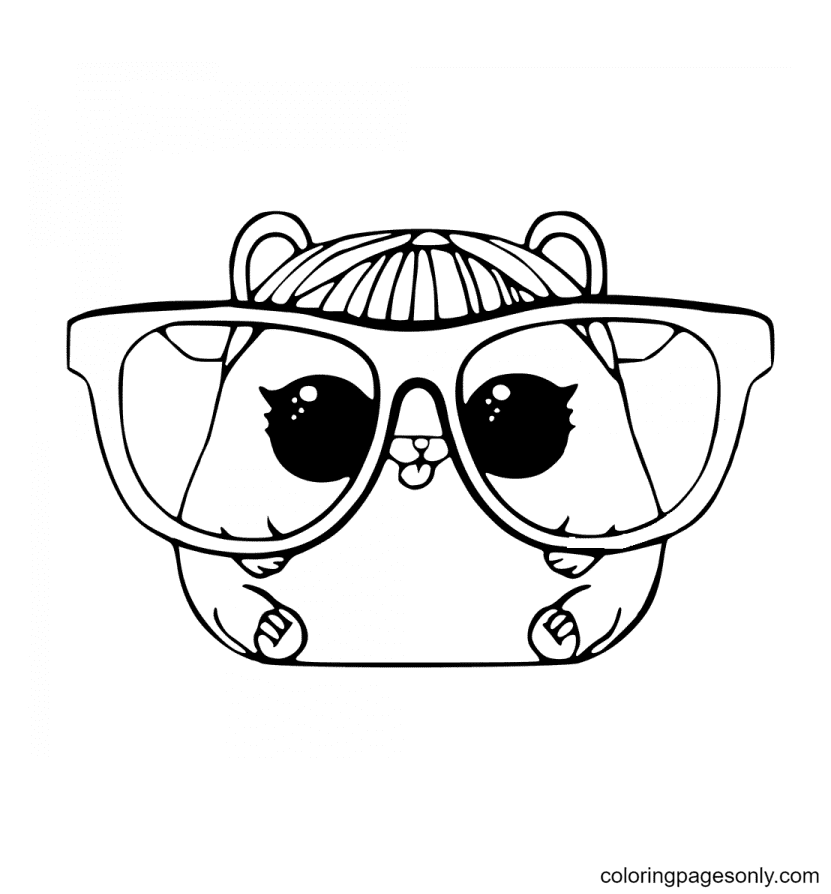
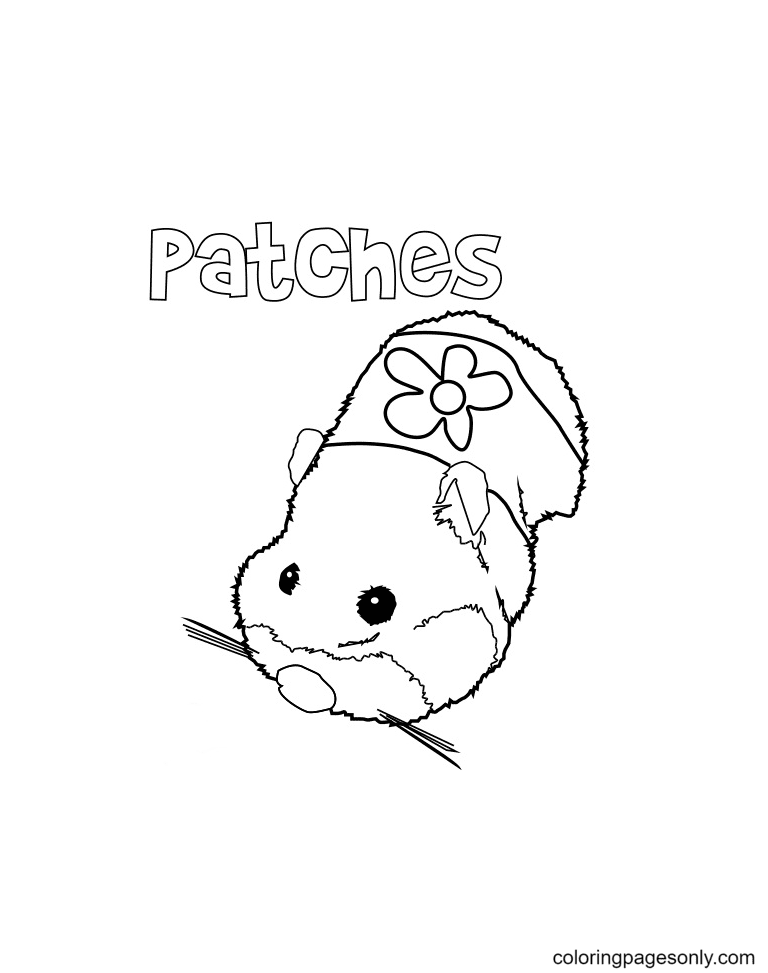
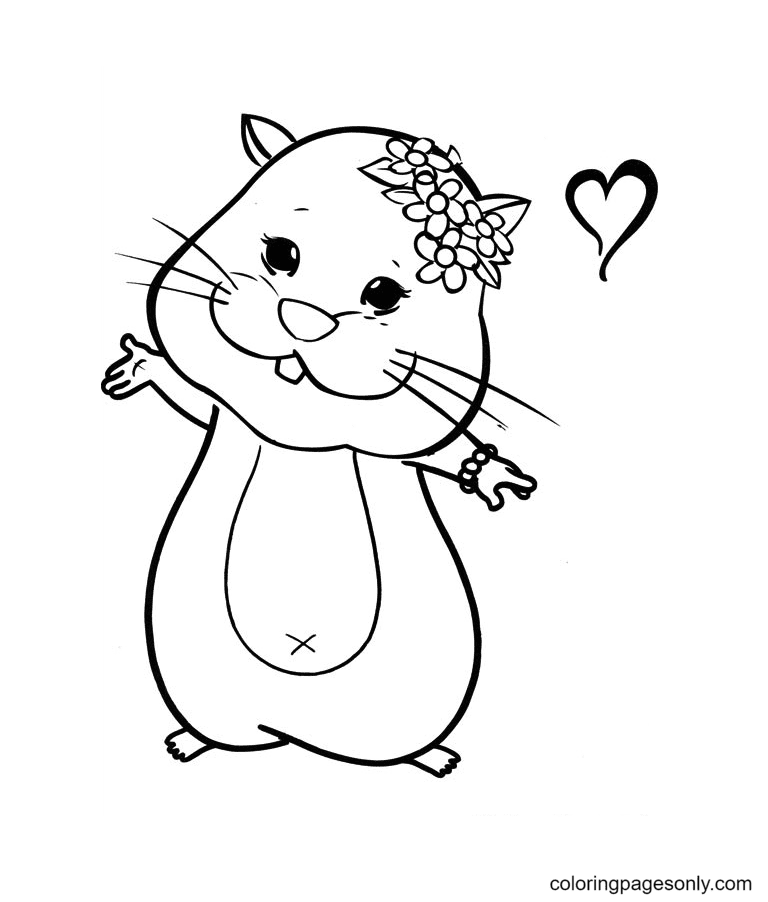
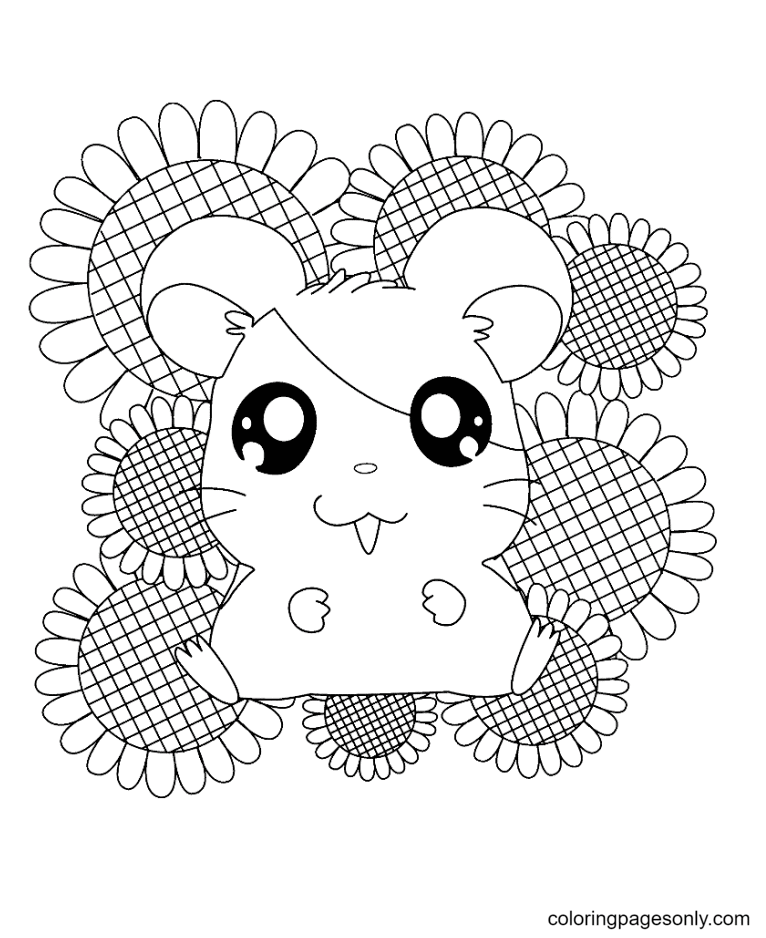
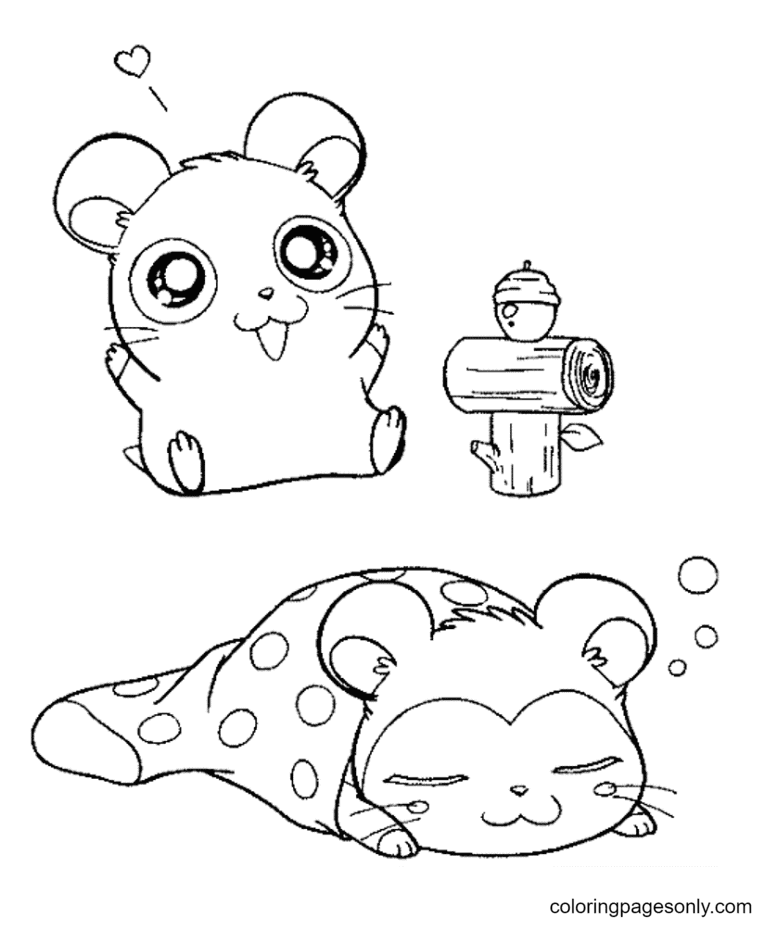
28 pages showing a single hamster with a specific mood, style, or small prop, glasses, a balloon, a sock, or simply a happy or worried expression. A reliable Tan or Goldenrod base with a White belly works as a safe default, adjusted with small accent colors to match the page’s specific mood.
Generic and Utility-Named Pages
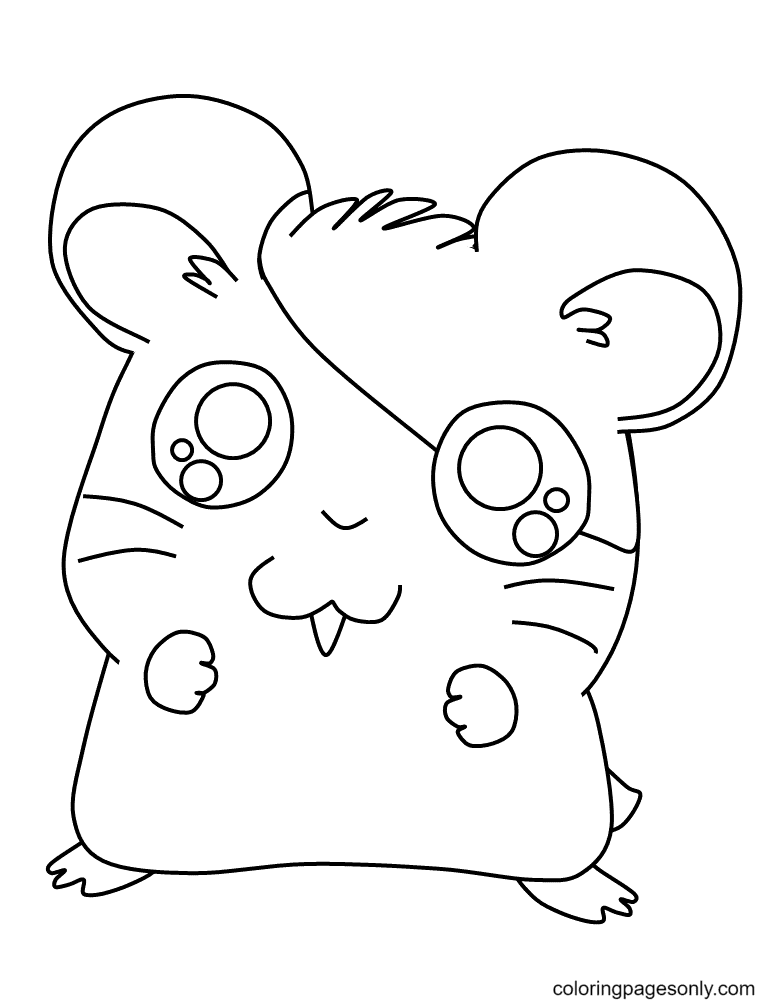
7 pages filed under repeated titles like “Free Hamster” or “Printable Hamster” rather than a specific scene. Default to the same classic Tan and Goldenrod palette used across the solo portraits.
What These Hamster Coloring Pages Do
Fine motor practice in small, rounded details. Coloring a hamster’s small, rounded body and the tiny paws and cheek pouches packed close together asks for the same careful, contained strokes the American Academy of Pediatrics credits to the fine motor benefits of structured coloring.
A real pet-care fact worth knowing. Syrian hamsters are strictly solitary and must be housed alone as adults. In contrast, some dwarf hamster species can tolerate living in same-sex pairs, a real, practical difference worth knowing if a coloring session leads to a conversation about getting an actual pet.
A calm, structured task. A 2005 Art Therapy Journal study linked structured coloring to a measurable drop in anxiety, and a single small, calm animal, without a busy scene to plan around, offers a short, contained version of that same calming structure.
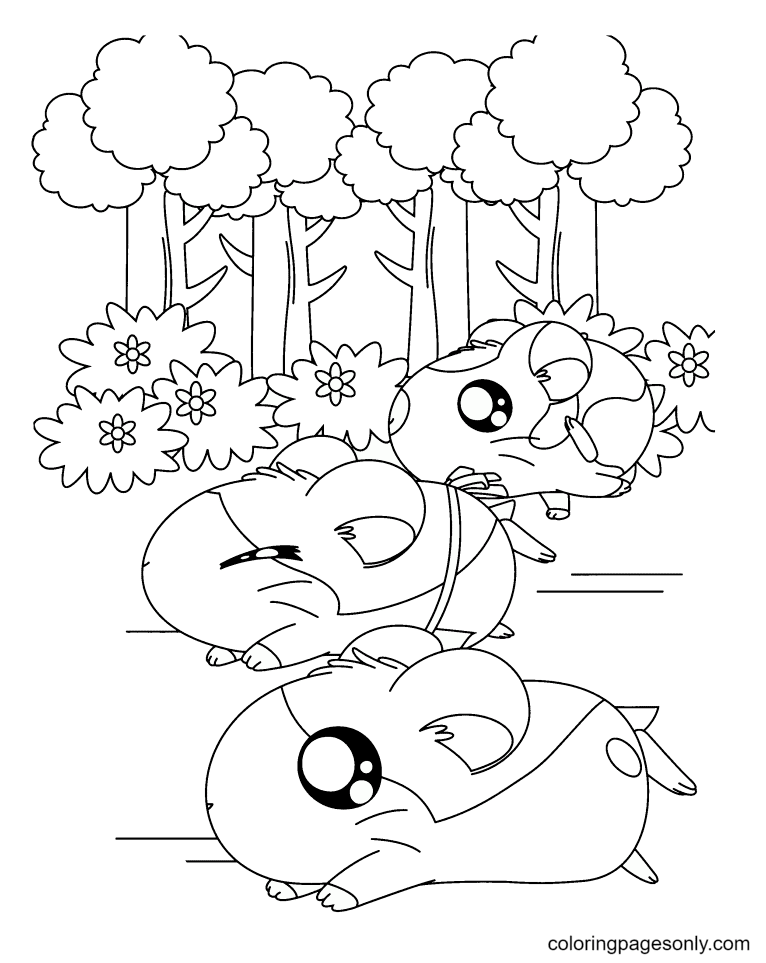
A small mix-up worth catching. One page in this collection is titled “Cute Hamster Guinea Pig,” worth a second look since hamsters and guinea pigs are different species entirely, native to different parts of the world, and requiring different care, even though pet stores often group them in the same “small pet” section.
How to Color Hamster Coloring Pages Well
- Syrian hamster: Classic Goldenrod or Burnt Sienna fur with a cream or White belly, the most familiar pet hamster coloring.
- Dwarf hamster: A grayer coat, Silver or Gray, often with a distinct darker stripe running down the back, smaller and more muted than a Syrian’s coloring.
- Human-activity scenes: Keep the hamster’s fur in its classic Tan or Sepia tones, then use bright, varied colors for whatever human-style clothing or props appear in the scene.
- Group scenes: Vary the fur tone slightly between each hamster, Tan, Sepia, and Gray, so every individual in the group reads clearly on its own.
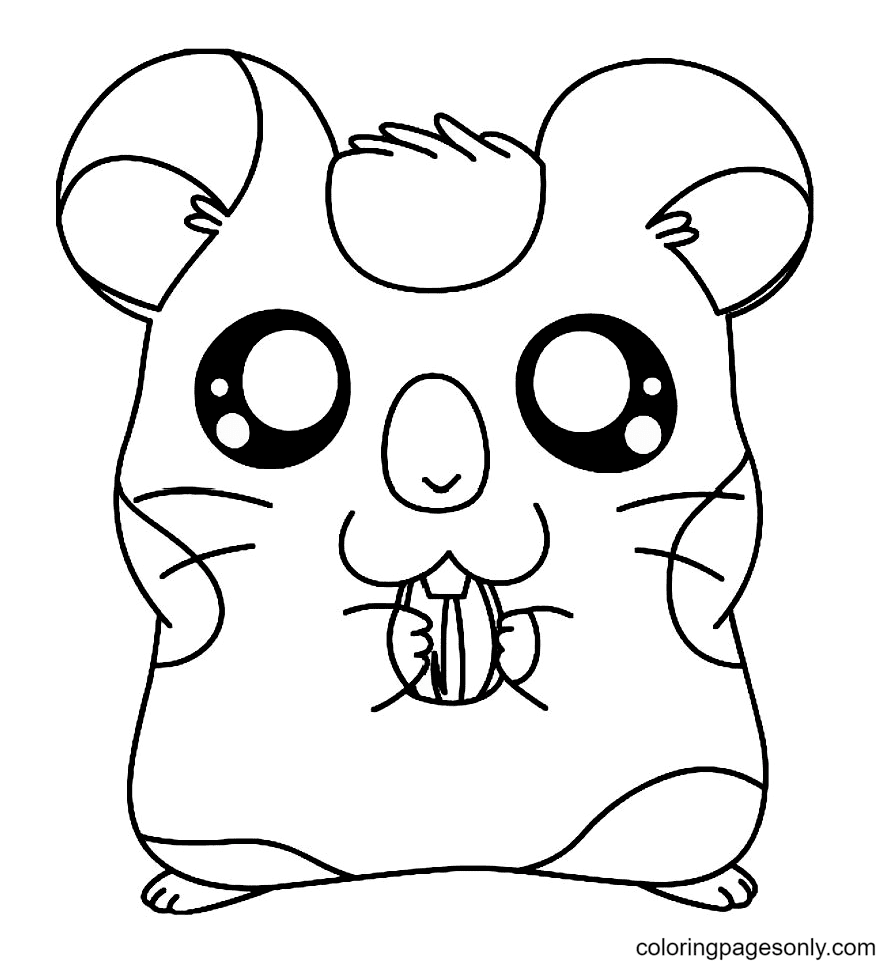
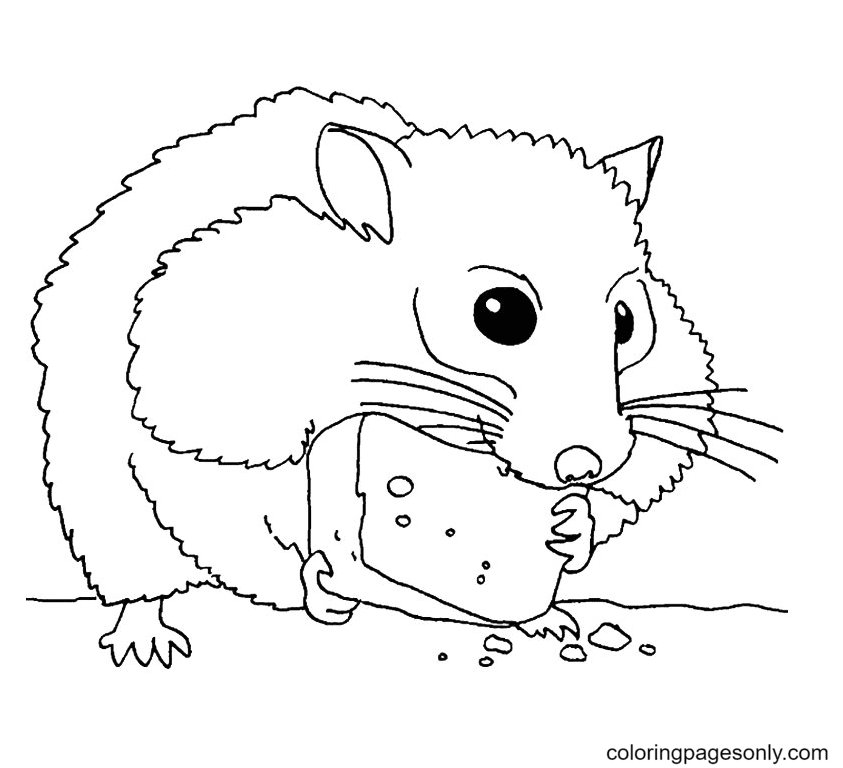
- Food-focused pages: Since hamsters are known for stuffing food into their cheek pouches, a rounded, slightly bulging cheek colored the same as the rest of the face reads as accurate to the animal’s real anatomy.
- Generic and mood portraits: A reliable Tan or Goldenrod base with a White belly works as a safe default, adjusted with small accent colors, like a blush for a happy expression, to match the page’s specific mood.
5 Creative Craft Ideas With Hamster Coloring Pages
1. Hamster Habitat Diorama. Color one of the group or activity scenes, cut it out, and mount it inside a shoebox decorated with shredded paper bedding to mimic a real hamster cage. Adding a few small cardboard tubes or a paper wheel makes the finished diorama look even more like an actual habitat.
2. Pet Care Fact Card. Color the Syrian or dwarf hamster page and write one real fact about that species on the back, like whether it needs to live alone. This turns a simple coloring page into a small, shareable reference card for anyone considering a pet hamster.
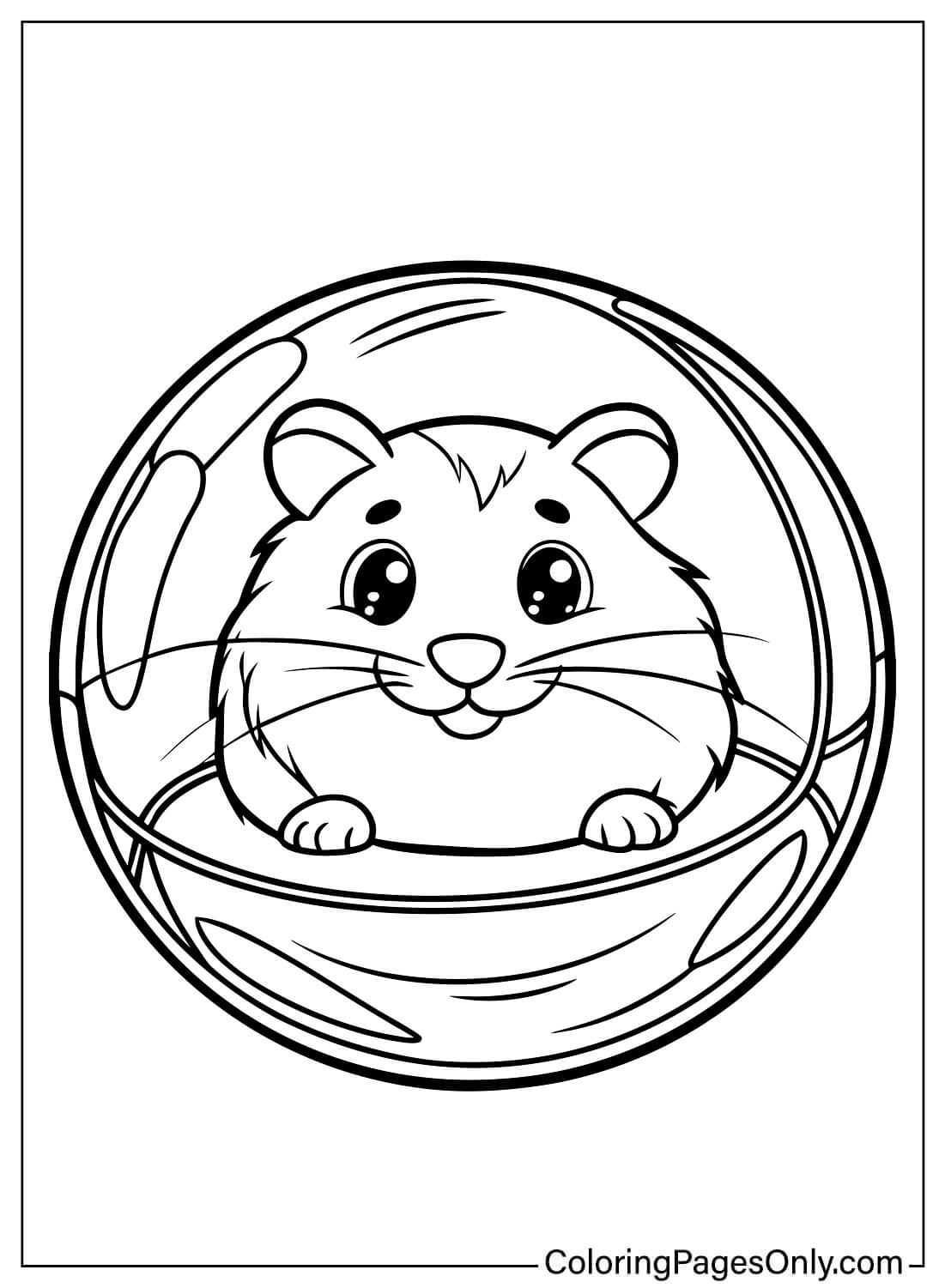
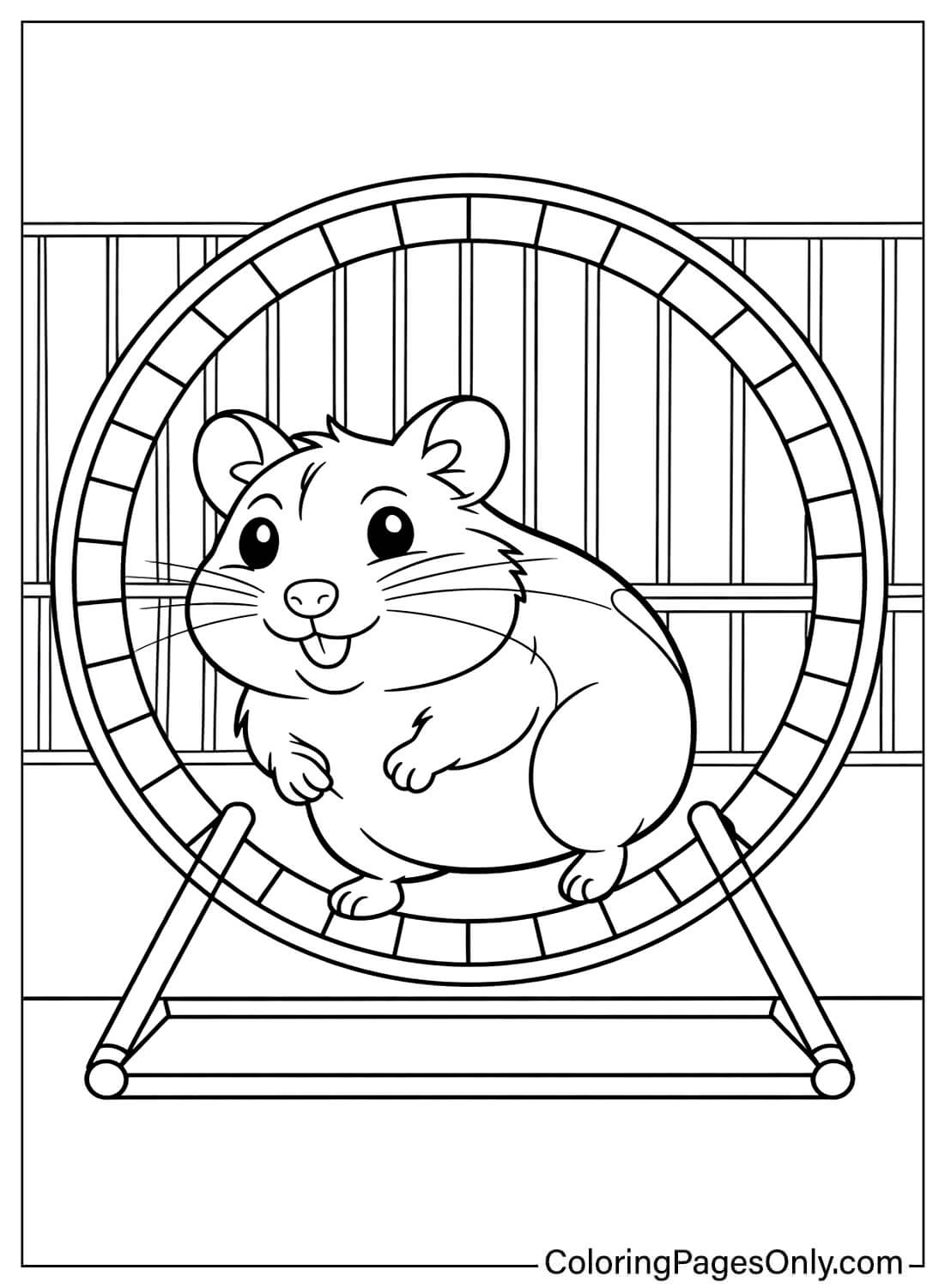
3. Hamster Wheel Spinner. Color the hamster on the exercise wheel page, cut out just the wheel shape, and attach it to a paper fastener so it can actually spin. Watching the wheel turn gives the finished craft a bit of movement that a flat coloring page doesn’t usually have.
4. Personified Hamster Story Cards. Color several of the human-activity pages and arrange them in order to tell a short story about a hamster’s day, from breakfast to bedtime. Reading the story aloud afterward turns the coloring session into a small storytelling exercise as well.
5. Hamster Family Portrait. Color one of the multiple-hamster pages and frame it as a simple keepsake, giving each hamster in the group its own name. Naming each one individually is a small way to make a generic group scene feel more personal.
Frequently Asked Questions
What are hamster coloring pages?
Printable designs featuring hamsters, split between real named species, human activities, and personified scenes, multiple hamsters and group scenes, solo portraits in a range of moods and styles, and generic utility-named pages. This collection has 67 pages, free to download as a PDF or color directly online.
What’s the difference between a Syrian hamster and a dwarf hamster?
The Syrian hamster is the larger, most common pet species, typically colored golden-brown. Dwarf hamsters are smaller, often grayer species that, unlike Syrians, can sometimes tolerate living in same-sex pairs or small groups.
Can hamsters live together?
It depends on the species. Syrian hamsters are strictly solitary and must be housed alone as adults, since they will often fight if kept together. In contrast, some dwarf hamster species can live in same-sex pairs or groups if introduced early and given enough space.
Are hamsters and guinea pigs the same animal?
No. Hamsters and guinea pigs are different rodent species, native to different parts of the world and with different care needs, even though they’re commonly sold in the same “small pet” section of pet stores.
Why do so many pages show hamsters doing human activities?
The personified scenes, hamsters biking, gardening, or drinking tea, lean into a whimsical, storybook style rather than realism, giving the character more personality than a plain animal portrait would.
Are hamster coloring pages suitable for young children?
Yes. Most pages use simple, rounded shapes that suit children as young as 3 or 4. The busier group scenes and detailed activity pages work well for slightly older children.
What’s the difference between the group scenes and the solo portraits?
The group scenes show two or more hamsters together, often in a shared setting like a forest or garden, while the solo portraits focus on a single hamster’s mood or expression without a larger scene around it.
Can this collection be used to teach kids about pet hamster care?
Yes, to a point. The two named-species pages work well alongside a basic conversation about real hamster care, like housing needs. However, the collection as a whole leans more toward whimsical scenes than educational content.
Start Coloring
Download any page by clicking the design. No account, email, or payment is required. Pages print directly from the browser at full resolution or open in the online coloring tool for screen use. Share finished pages on Facebook or Pinterest with the share buttons at the top of each design page.