Choosing safe toys protects children from preventable injuries, and the risk is concentrated in the youngest age groups. According to the U.S. Consumer Product Safety Commission, an estimated 145,500 toy-related injuries were treated in U.S. emergency departments in a recent reporting year, with children under 5 accounting for a large share. The most common serious hazards are choking on small parts, ingestion of button batteries and magnets, and strangulation from cords and strings.
Most of these injuries are preventable with informed buying decisions. Toys sold in the United States must meet the federal safety standard ASTM F963, which sets requirements for small parts, sharp edges, toxic materials, and age grading. Understanding how to read these safety labels, recognize age-appropriate toys, and identify specific hazards lets parents make confident decisions whether buying a toy or evaluating one received as a gift. The guidance below is organized around the hazards most associated with serious injury in young children.
1. Match the Toy to the Child’s Age
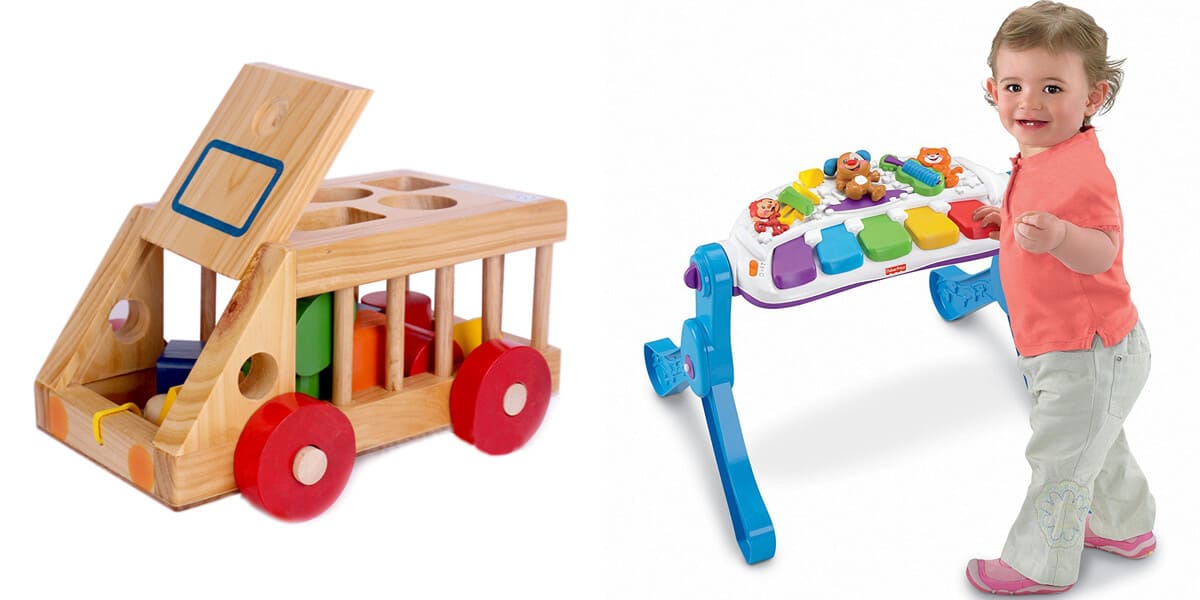
Age grading on toy packaging is not a measure of intelligence or maturity — it is a safety classification. The recommended age range reflects the choking hazard, physical demands, and developmental appropriateness of the toy as determined under federal safety testing. A toy labeled “3+” is not labeled that way because younger children cannot understand it; it is labeled that way because it contains small parts that pose a choking risk to children under 3.
The Consumer Product Safety Commission uses a standardized small-parts test: any toy or part that fits entirely inside a cylinder 1.25 inches in diameter and up to 2.25 inches deep is a choking hazard for children under 3. When evaluating a toy for a child under 3, check that no component — including detachable parts that could break off — fits within that size. For gifts received without packaging, apply the same physical test using a small-parts tester or, as an approximation, the inner cardboard tube of a toilet paper roll.
2. Inspect Build Quality and Materials
Toy construction determines whether parts stay attached during normal use. The American Academy of Pediatrics recommends checking that stuffed animals have securely sewn eyes, noses, and other features, and that toys have no small parts that can be pulled or chewed off. Examine seams, glued joints, and attached decorations before giving a toy to a young child.
Avoid toys with sharp edges or points, and check painted toys for peeling or flaking paint, which can indicate older toys that may not meet current lead-content standards. Used and hand-me-down toys deserve extra scrutiny — they may predate current safety standards, may have hidden damage, or may have small parts that have loosened over time. Discard any toy with broken pieces immediately, and periodically inspect the toy box to remove damaged items before they become a hazard.
3. Be Especially Careful with Magnets and Button Batteries
High-powered magnets and button batteries are among the most dangerous hazards in modern toys because the injury they cause is severe and not always immediately visible. The Consumer Product Safety Commission warns that if a child swallows two or more high-powered magnets, the magnets can attract each other through intestinal walls, causing blockages, tissue death, and life-threatening internal injuries that may require surgery.
Button batteries pose a similar danger. If swallowed, a button battery can cause severe chemical burns to the esophagus within hours. When choosing toys for young children, avoid those containing loose high-powered magnets, and confirm that any button battery compartment is secured with a screw rather than a slide cover that a child can open. If a parent suspects a child has swallowed a magnet or button battery, this is a medical emergency requiring immediate professional care.
4. Avoid Strangulation and Suffocation Hazards
Cords, strings, and ribbons longer than a few inches present a strangulation risk for infants and toddlers. The Consumer Product Safety Commission advises that toys with strings, straps, or cords should be kept away from babies and young children, and that crib gyms and hanging toys be removed once a child can push up on hands and knees.
Balloons are a specific and frequently underestimated hazard. The American Academy of Pediatrics identifies latex balloons as a leading cause of toy-related choking deaths in children, because a deflated or broken balloon can conform to a child’s airway and block it completely. Uninflated balloons and broken balloon pieces should be kept away from children under 8, and balloon play should always be supervised. Plastic packaging and wrapping should be discarded immediately after a toy is opened.
5. Choose Toys That Match Your Supervision Level
Some toys are safe only with active supervision. Projectile toys, toys with heating elements, and craft kits with small or sharp components are appropriate for older children but require an adult to be present for younger ones. Match the toy not only to the child’s age but to the realistic level of supervision available when the child will use it.
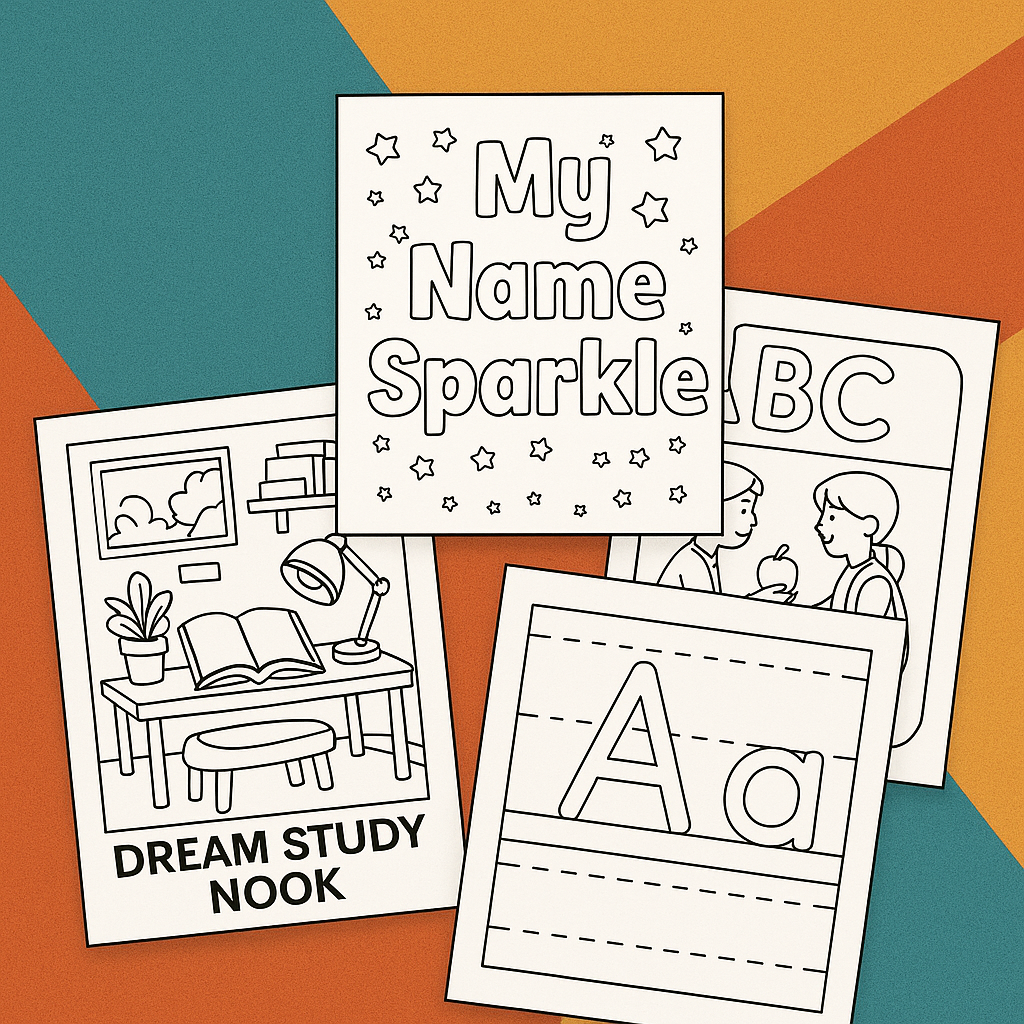
For unsupervised or quiet-time play, choose toys with no small parts, no cords, and no hazardous materials — large building blocks, soft toys, board books, and coloring supplies are designed for independent use. This is one reason coloring is a widely recommended independent activity for young children: a coloring page and age-appropriate crayons present none of the choking, magnet, or strangulation hazards that make many other toys unsafe for unsupervised play.
FAQ
Q1: What does the age label on a toy actually mean?
The age label is a safety classification based on federal testing, not a measure of a child’s ability. A “3+” label primarily indicates that the toy contains small parts posing a choking hazard to children under 3. Age grading also reflects physical demands and developmental appropriateness. Always follow the minimum age recommendation for safety, regardless of how advanced a younger child may seem.
Q2: How do I test whether a toy is a choking hazard?
The Consumer Product Safety Commission defines a choking hazard as any part that fits entirely inside a cylinder 1.25 inches in diameter and 2.25 inches deep. You can buy an inexpensive small-parts tester, or use the inner tube of a toilet paper roll as a rough approximation — if a part fits inside, it is too small for a child under 3. Test all detachable parts, not just the main toy.
Q3: Why are magnets so dangerous in toys?
If a child swallows two or more high-powered magnets, they can attract each other through the walls of the intestines, causing blockages and tissue damage that can be life-threatening and may require surgery. This is why the Consumer Product Safety Commission specifically warns against loose high-powered magnets in toys for young children. Magnet ingestion is a medical emergency.
Q4: Are used or hand-me-down toys safe to give children?
Used toys require extra caution. They may predate current safety standards, may have loosened small parts, or may have damage not visible at a glance. Older painted toys may not meet current lead-content limits. Inspect used toys thoroughly for broken parts, secure attachments, and intact paint before giving them to a young child, and discard any that show damage.
Q5: What should I do with toys received as gifts without packaging?
Without packaging, you lose the age grading and safety information, so evaluate the toy directly. Apply the small-parts test to all components, check for secure attachments and sharp edges, and look for any cords, magnets, or button batteries. If you cannot confirm a toy is age-appropriate and hazard-free, keep it stored until the child is older or set it aside.
Q6: What are the safest toys for unsupervised play?
Toys with no small parts, cords, magnets, or button batteries are safest for independent play — large building blocks, soft toys, board books, and coloring supplies. Coloring pages with age-appropriate crayons are a common choice for quiet, independent activity because they present none of the choking or ingestion hazards associated with many other toys.
CTA
For safe, screen-free quiet-time activity, free printable coloring pages are available across thousands of subjects at no cost — no account required. Coloring pages and age-appropriate crayons present none of the small-part, magnet, or cord hazards covered in this guide, making them a practical choice for independent play.