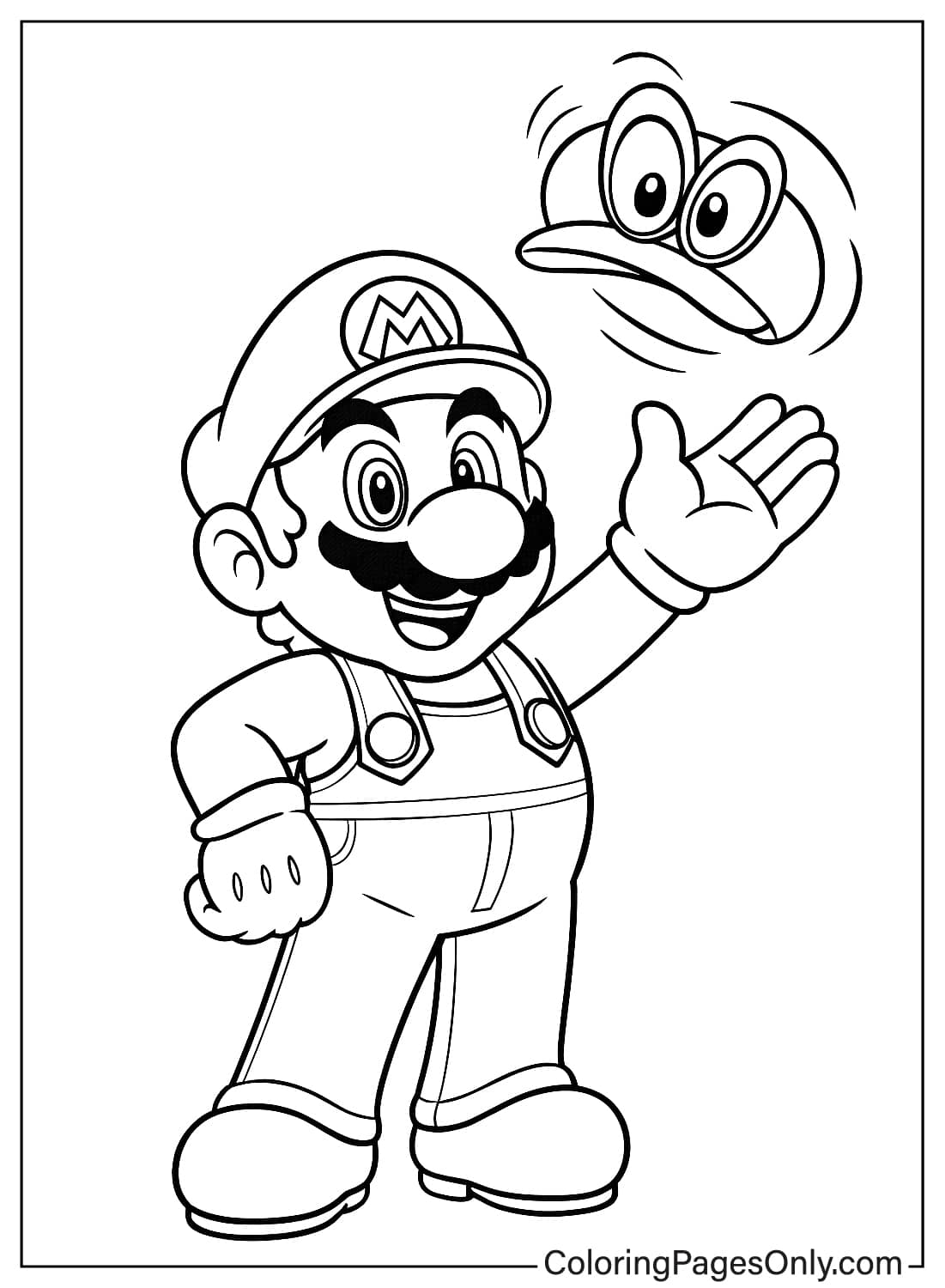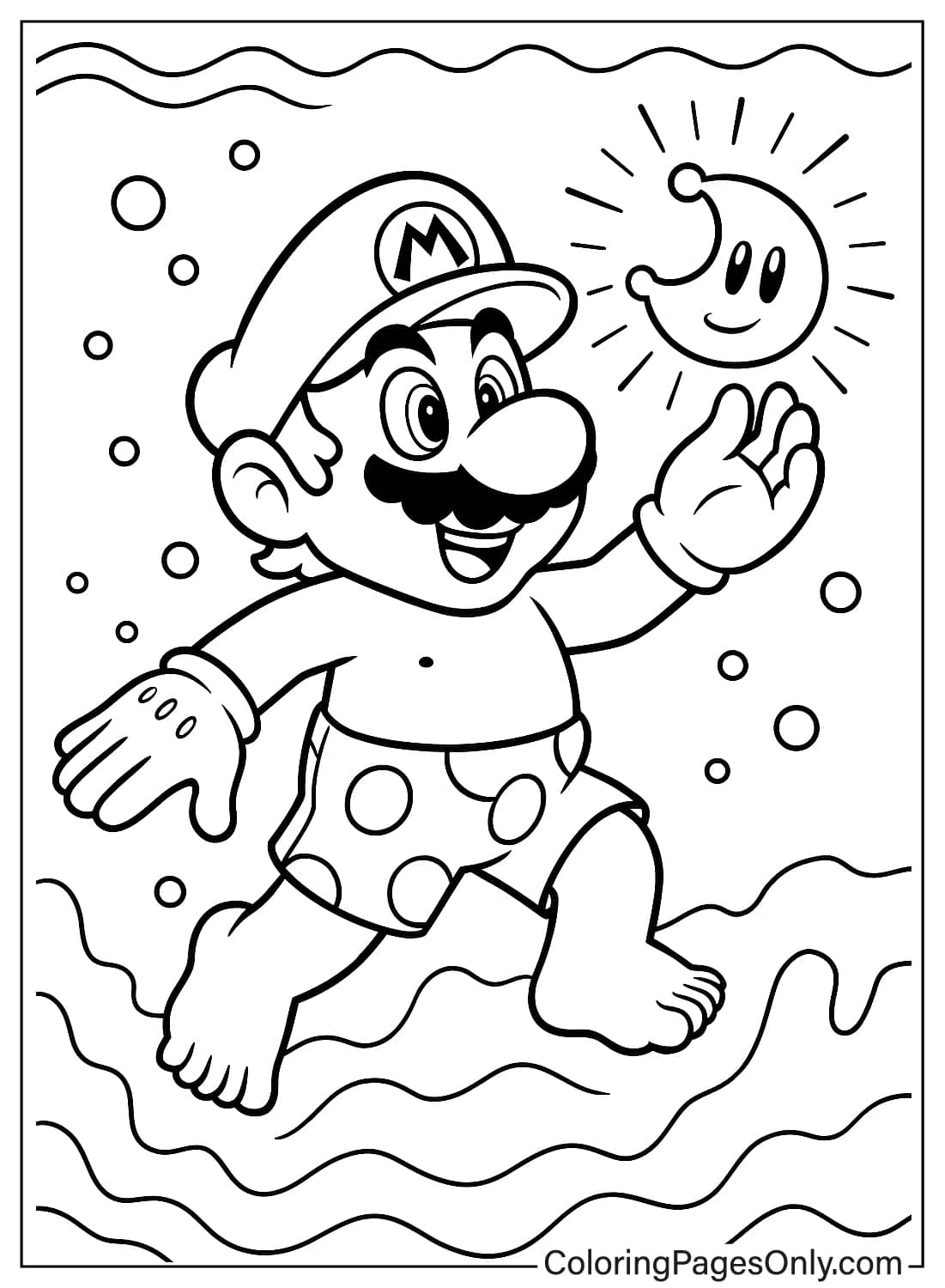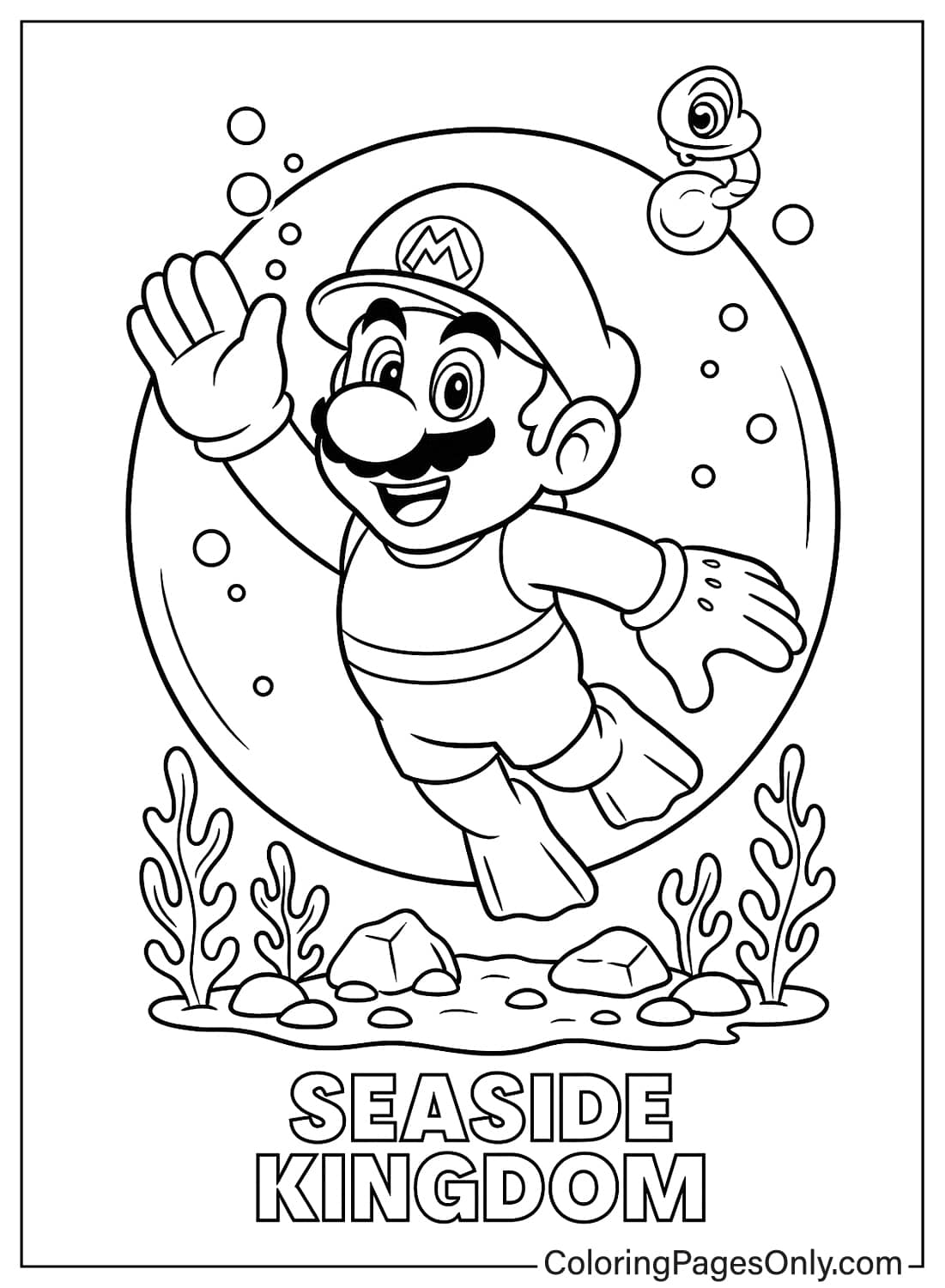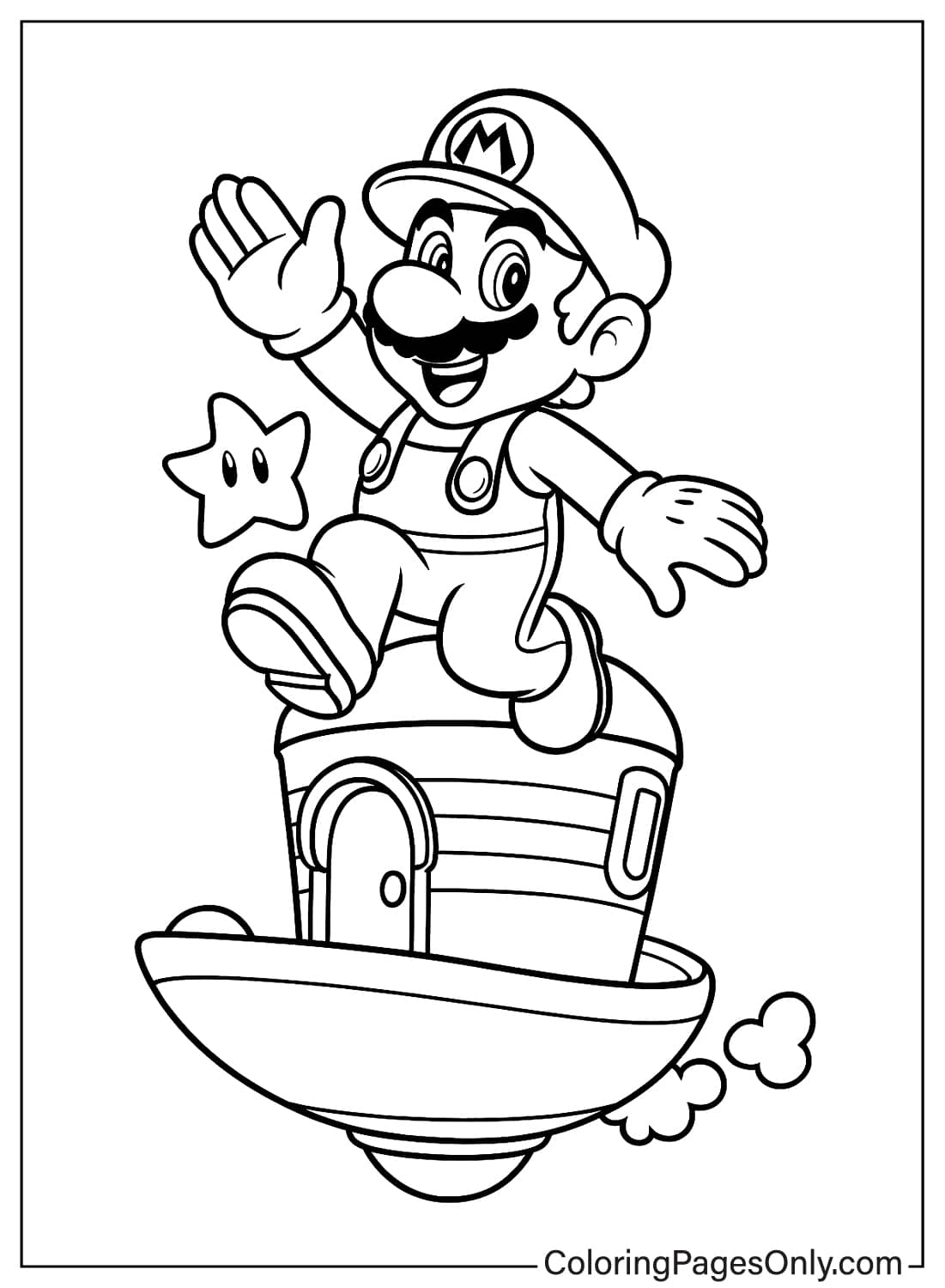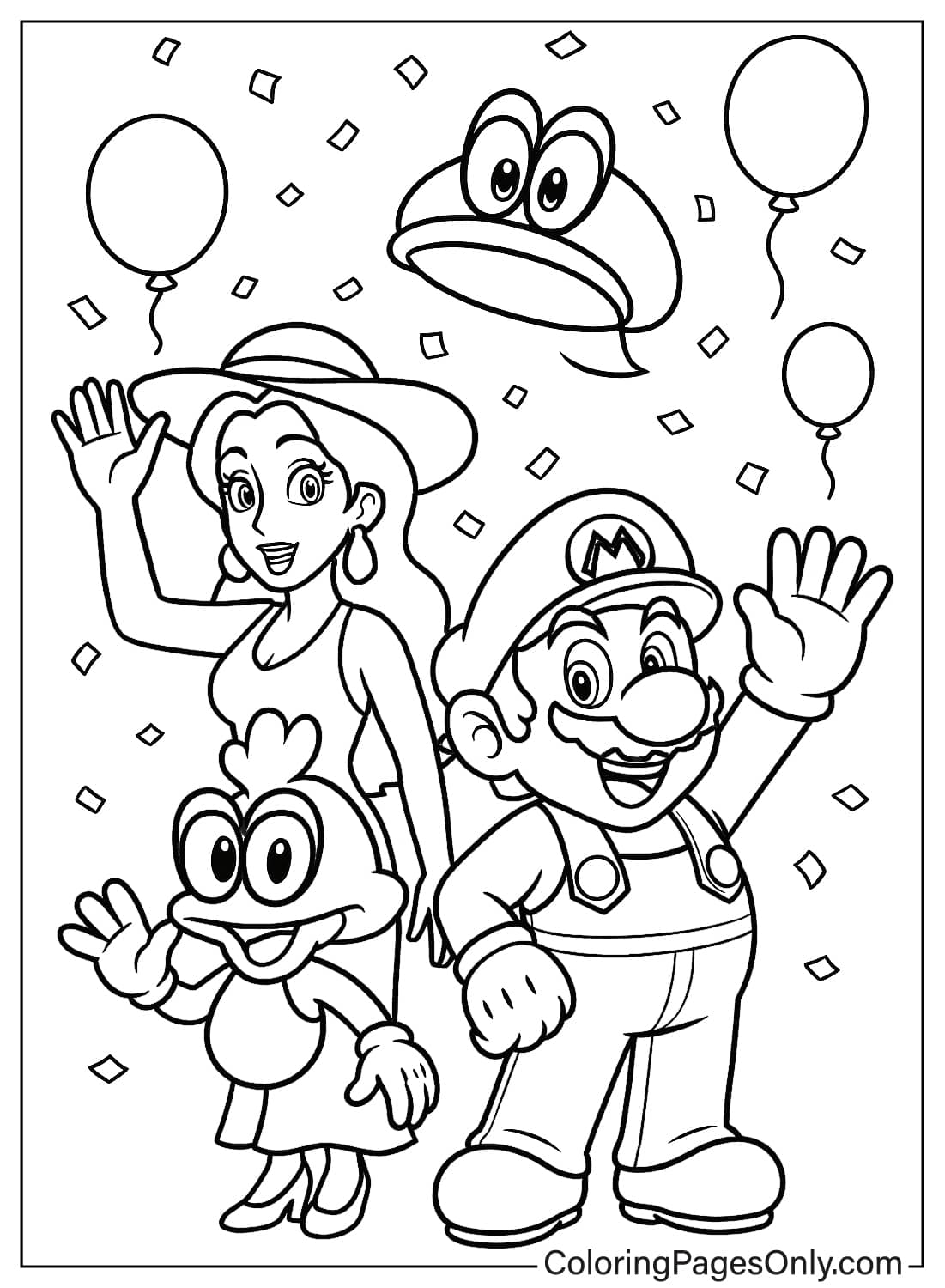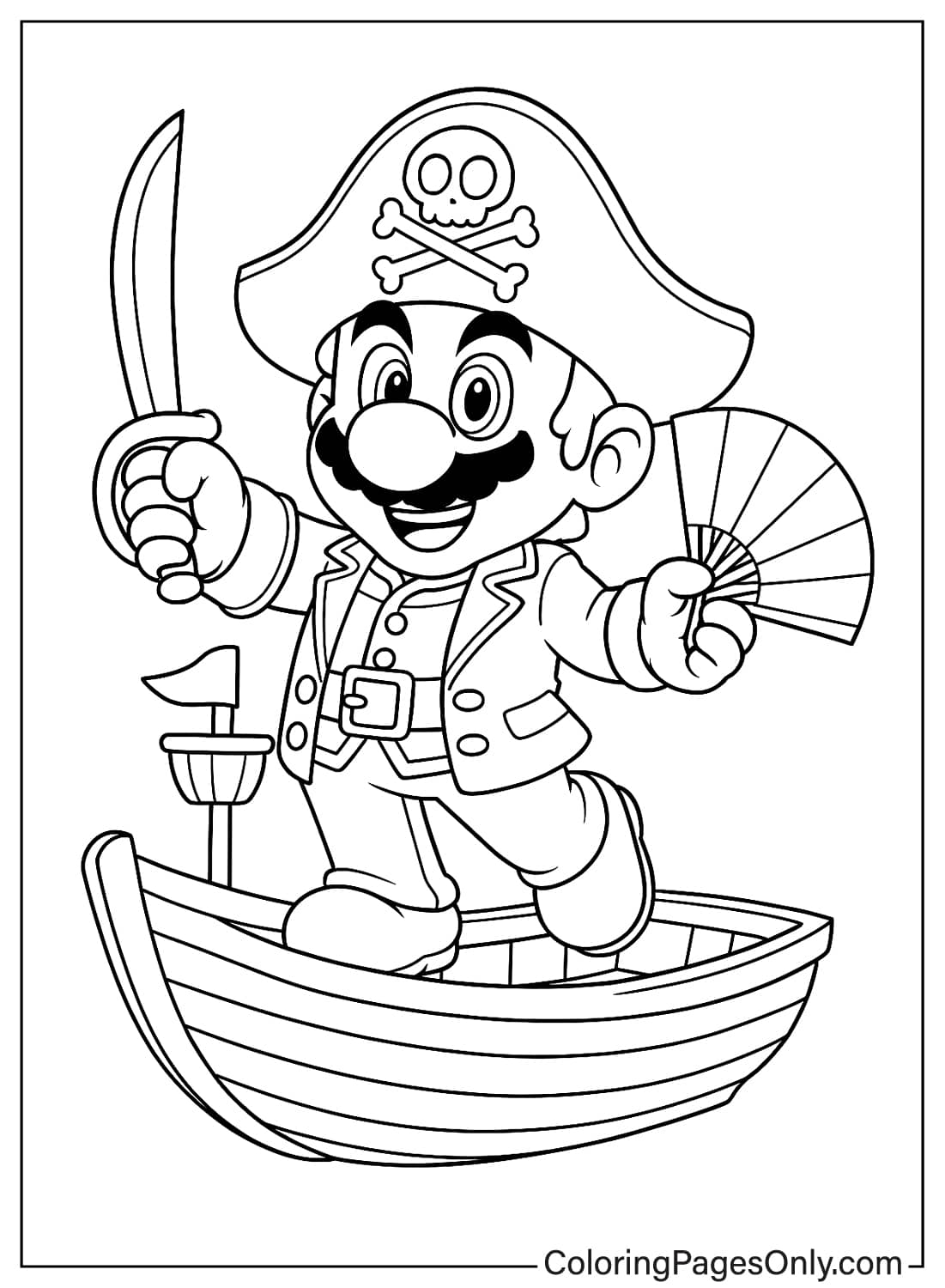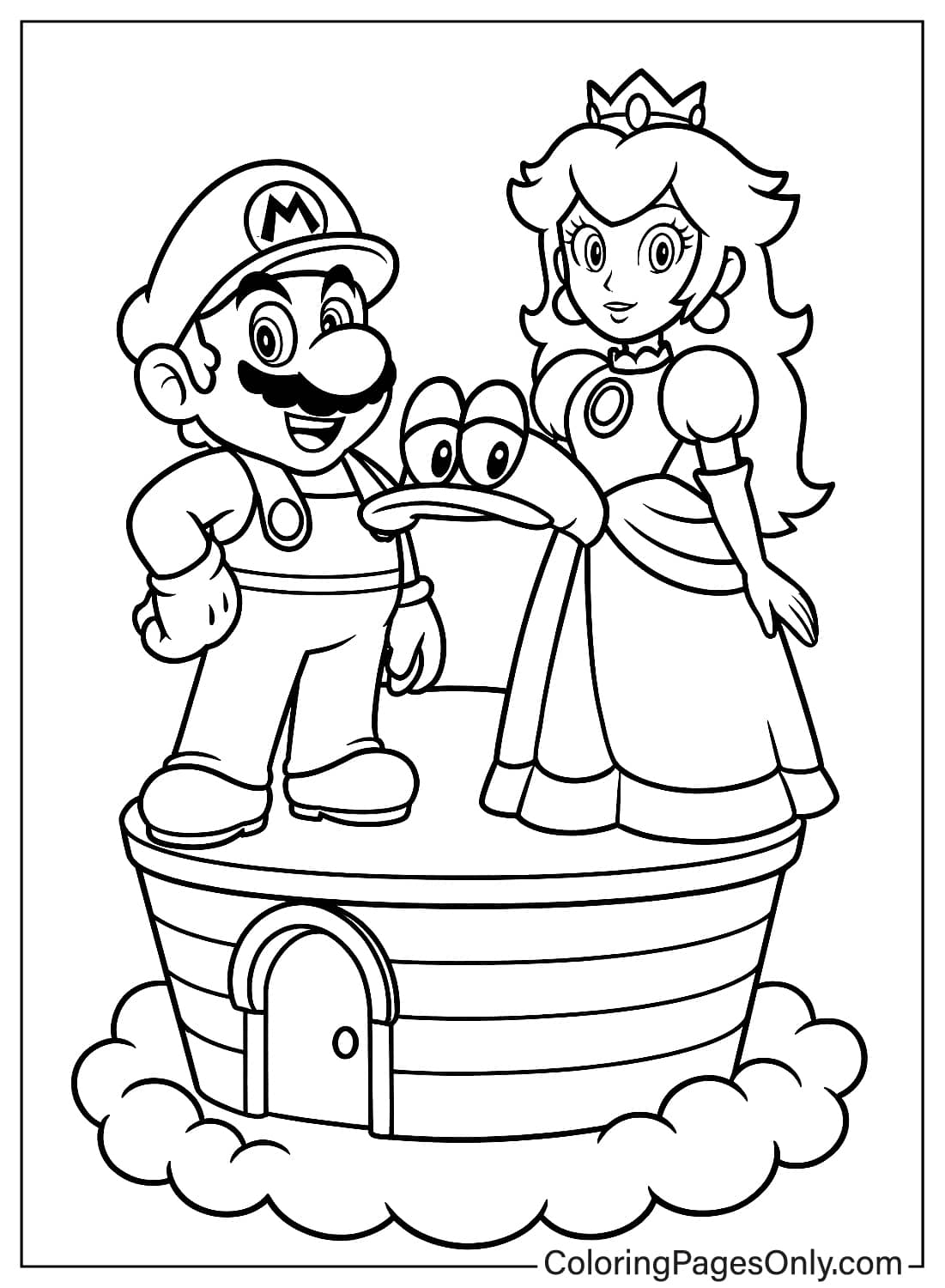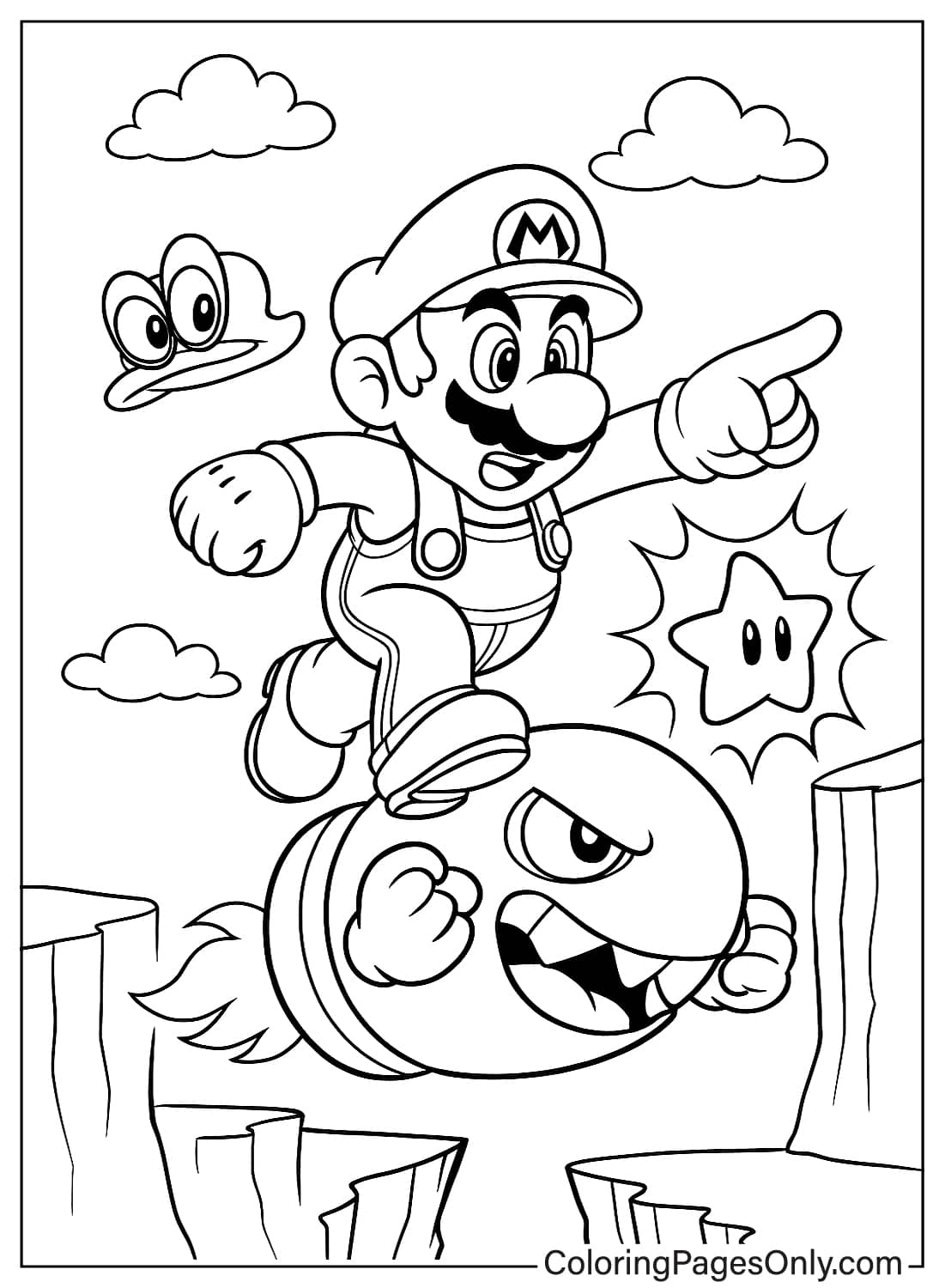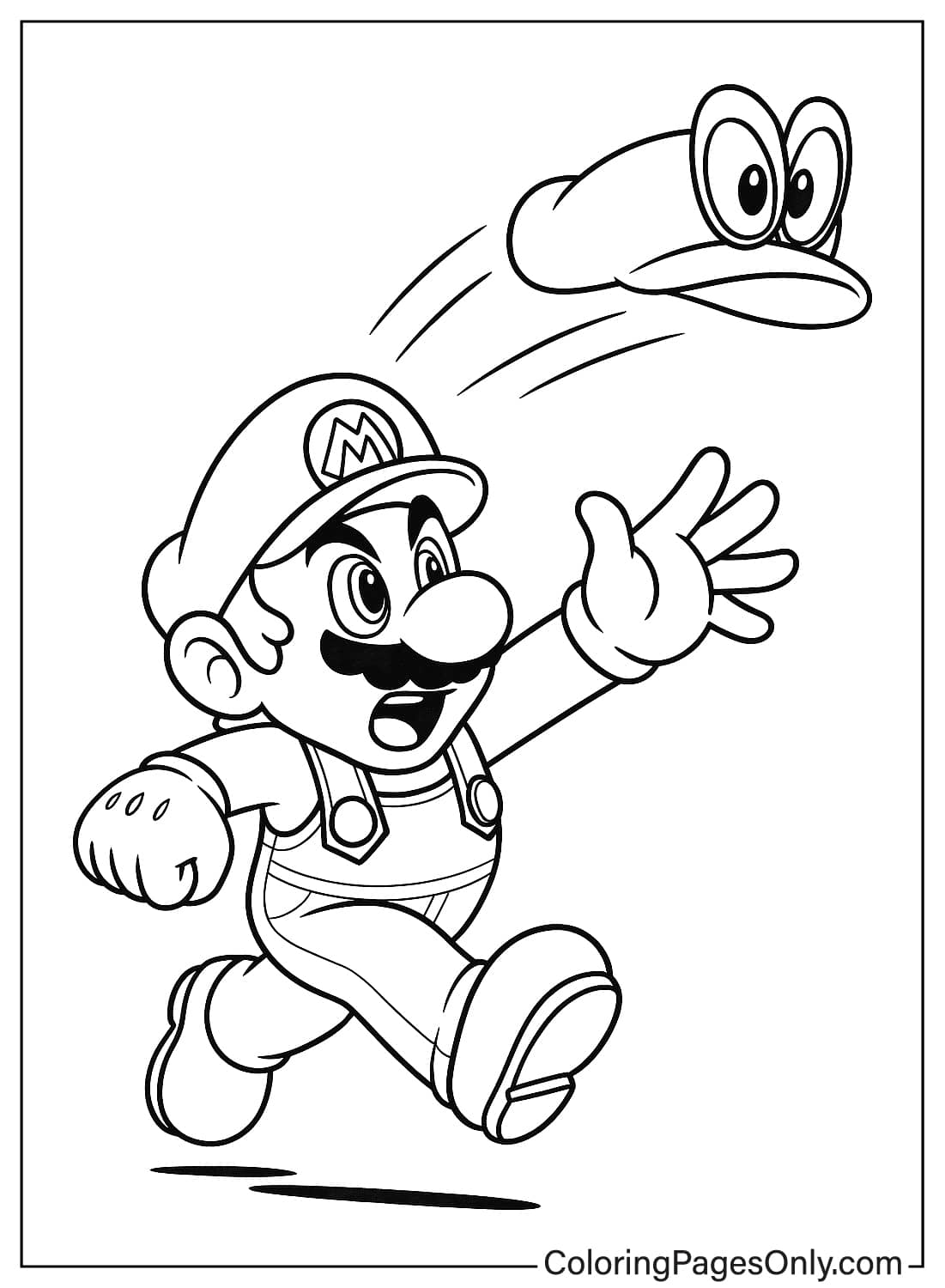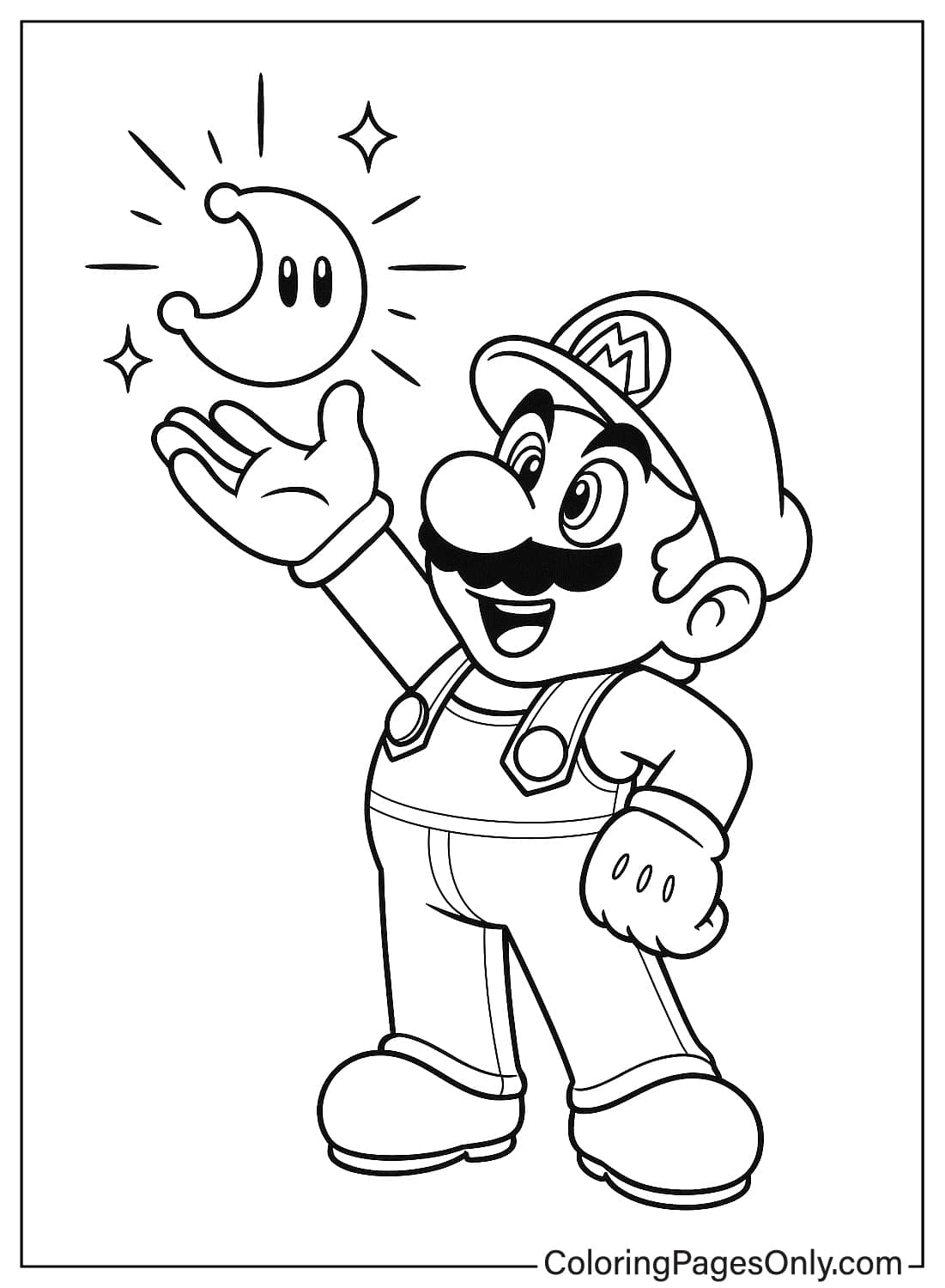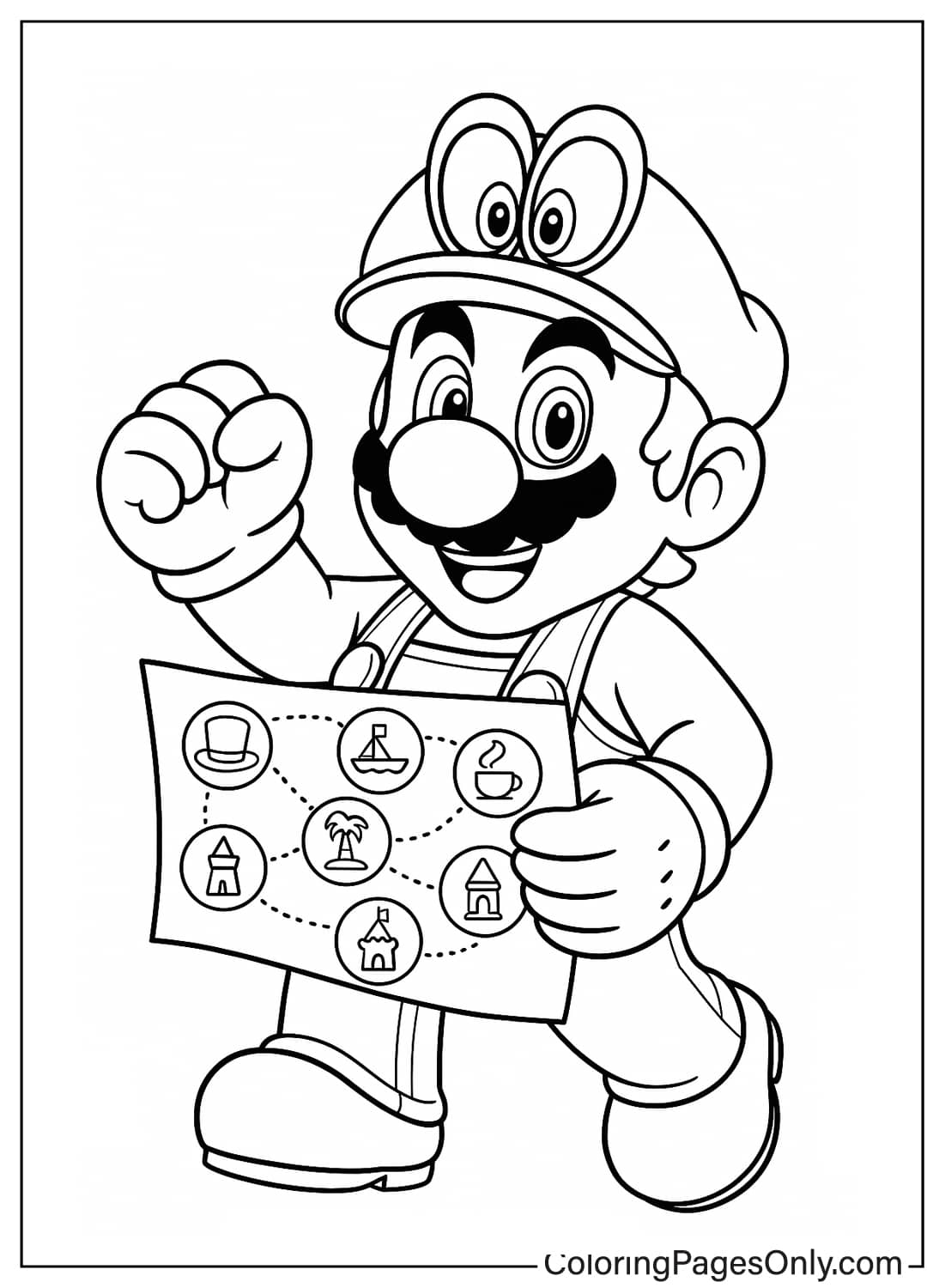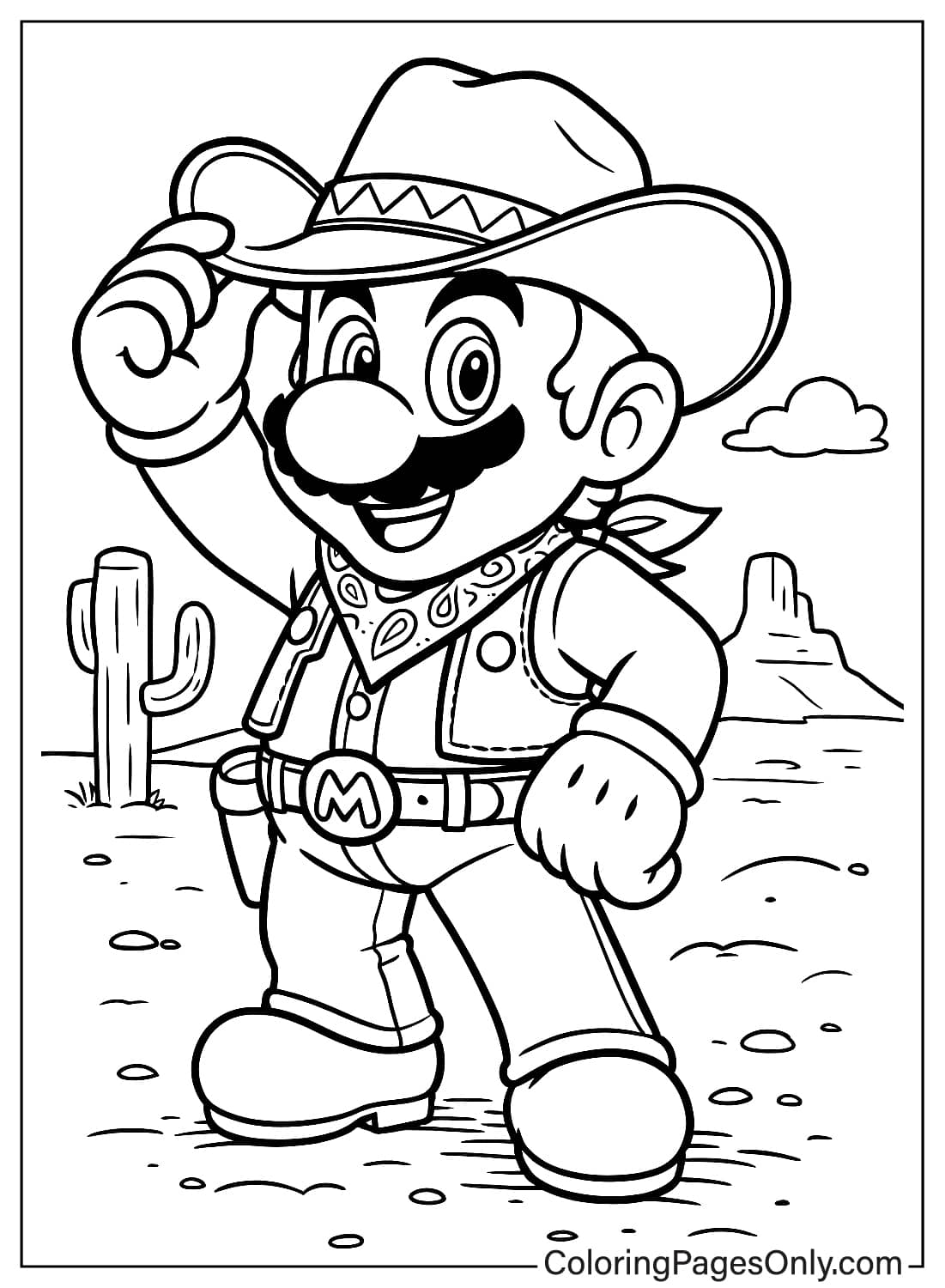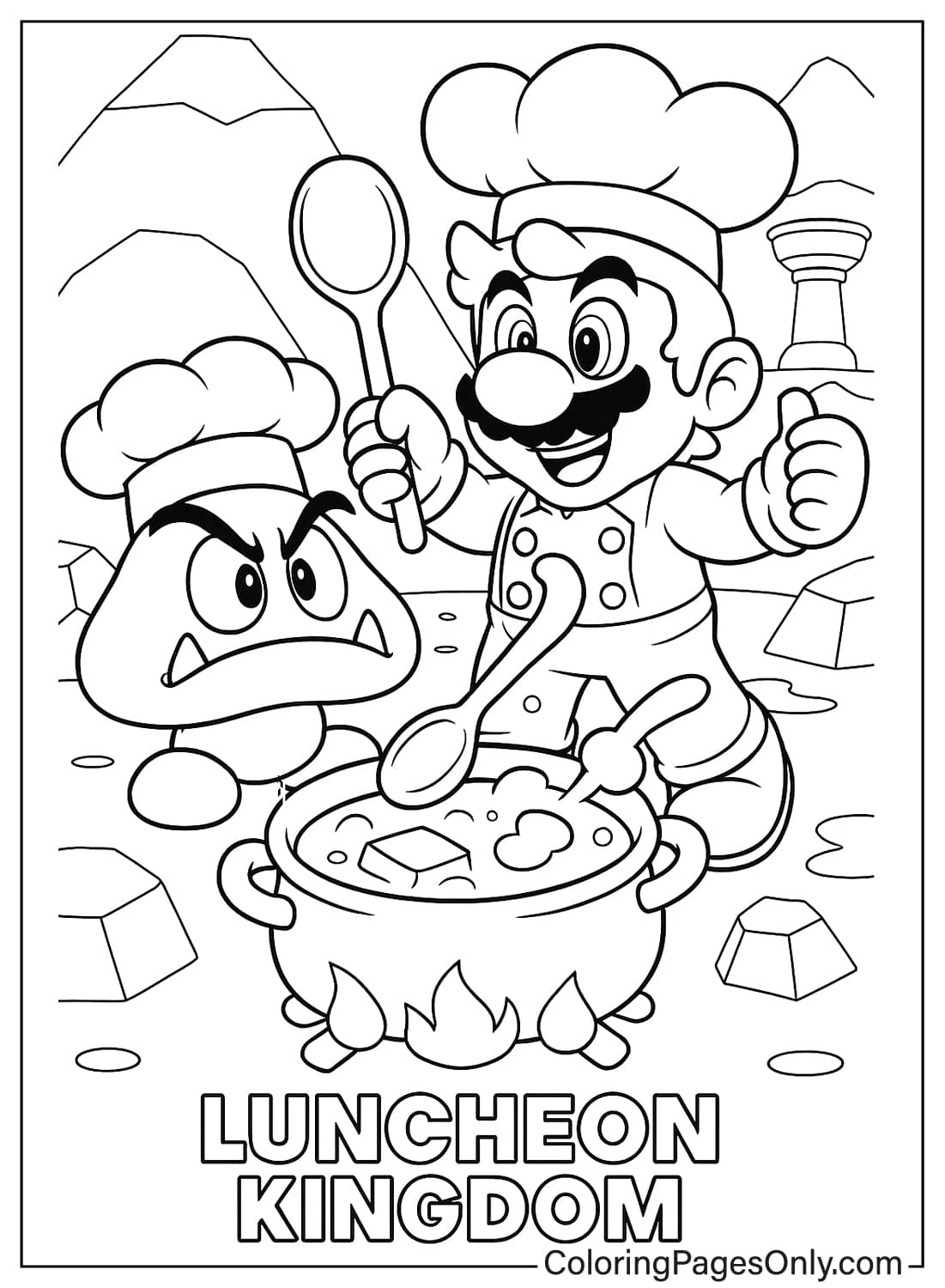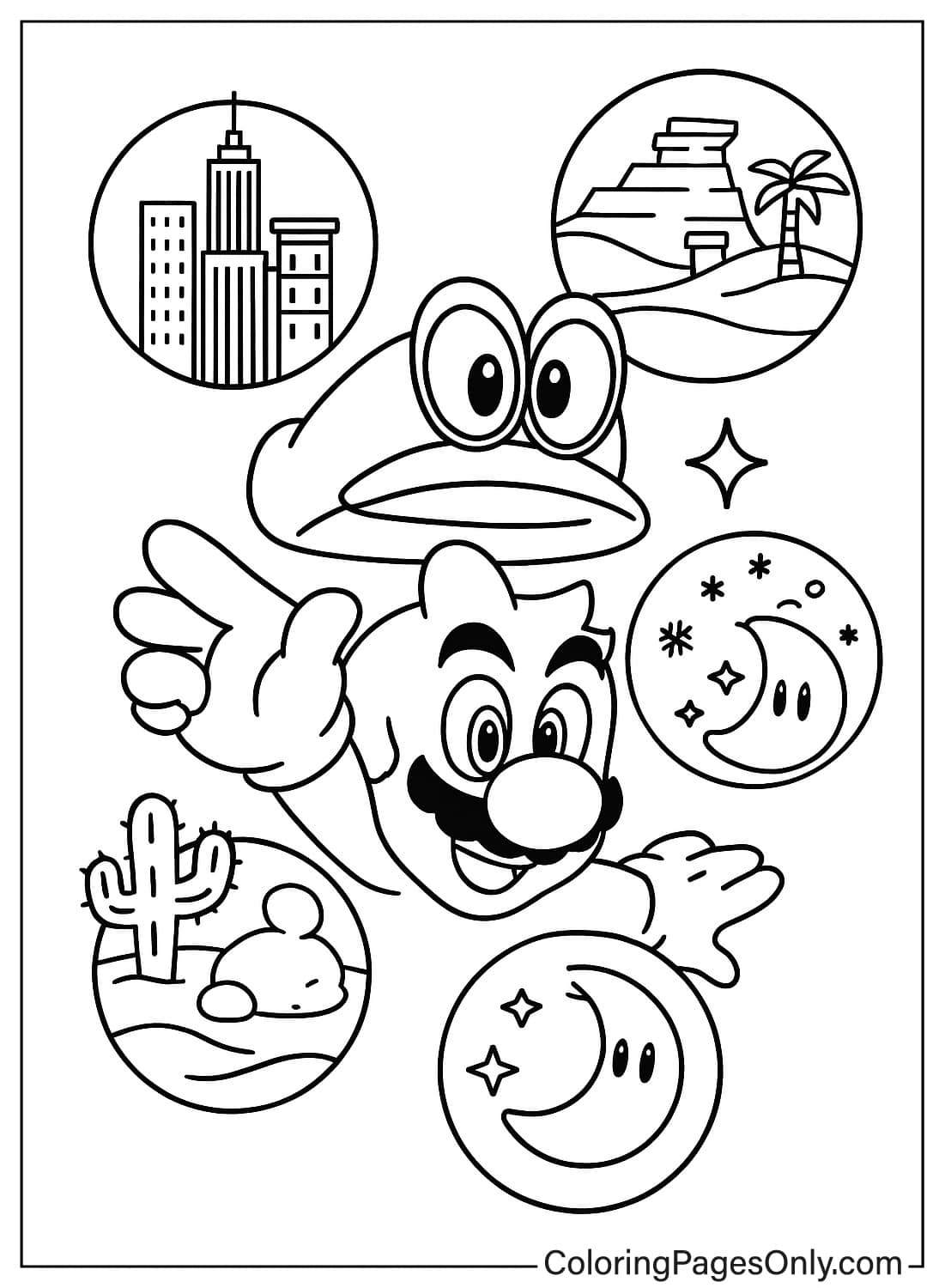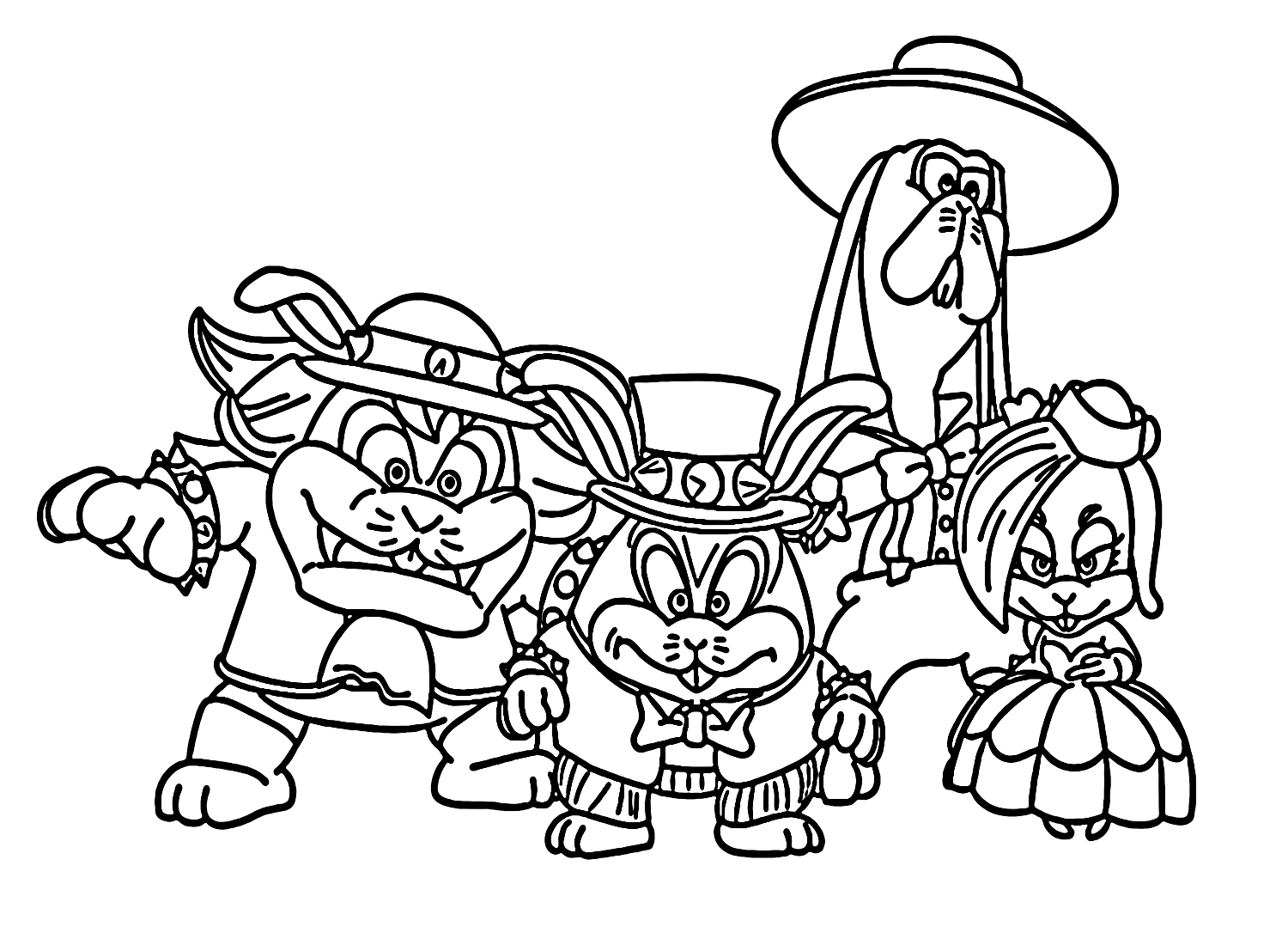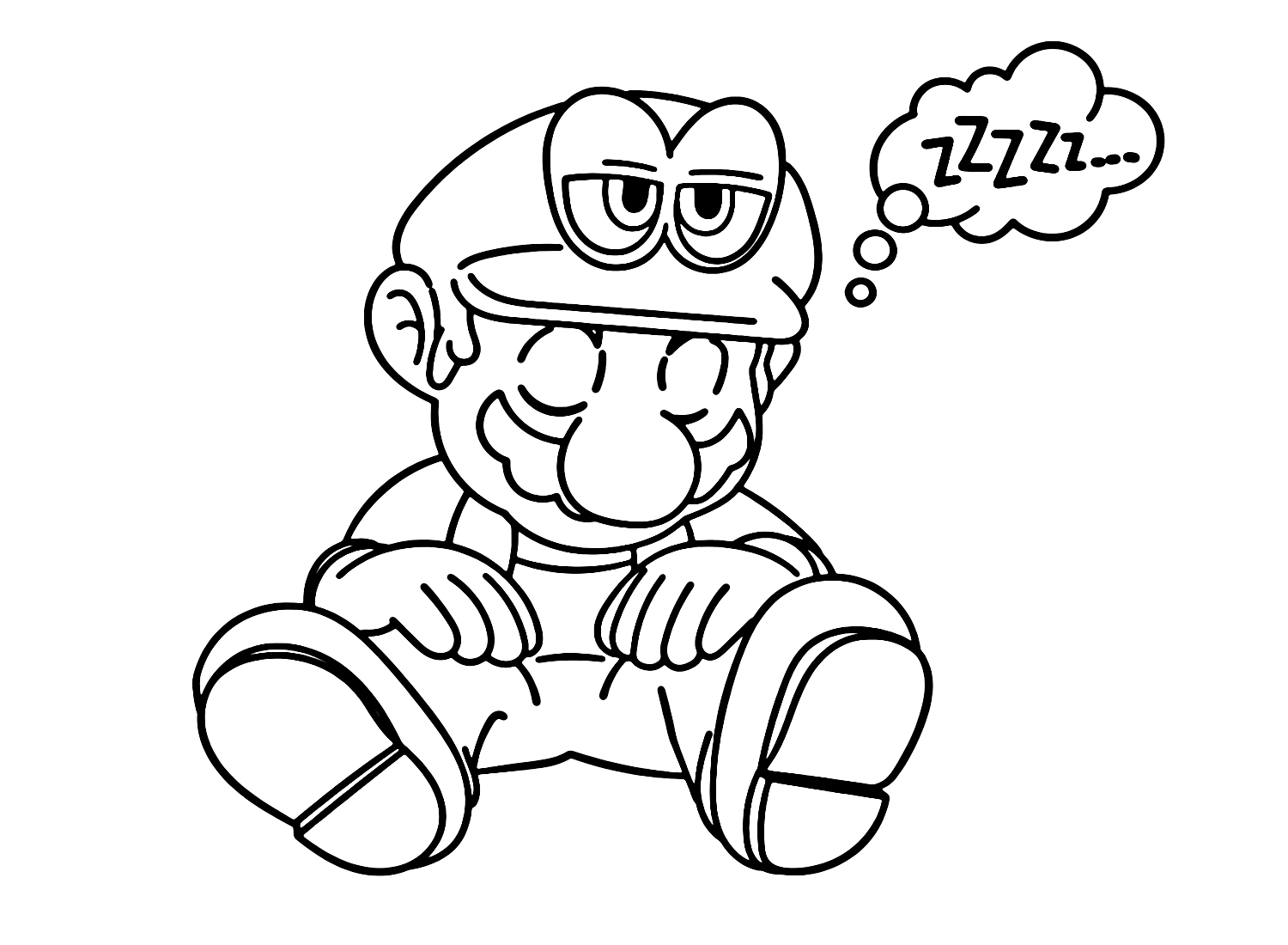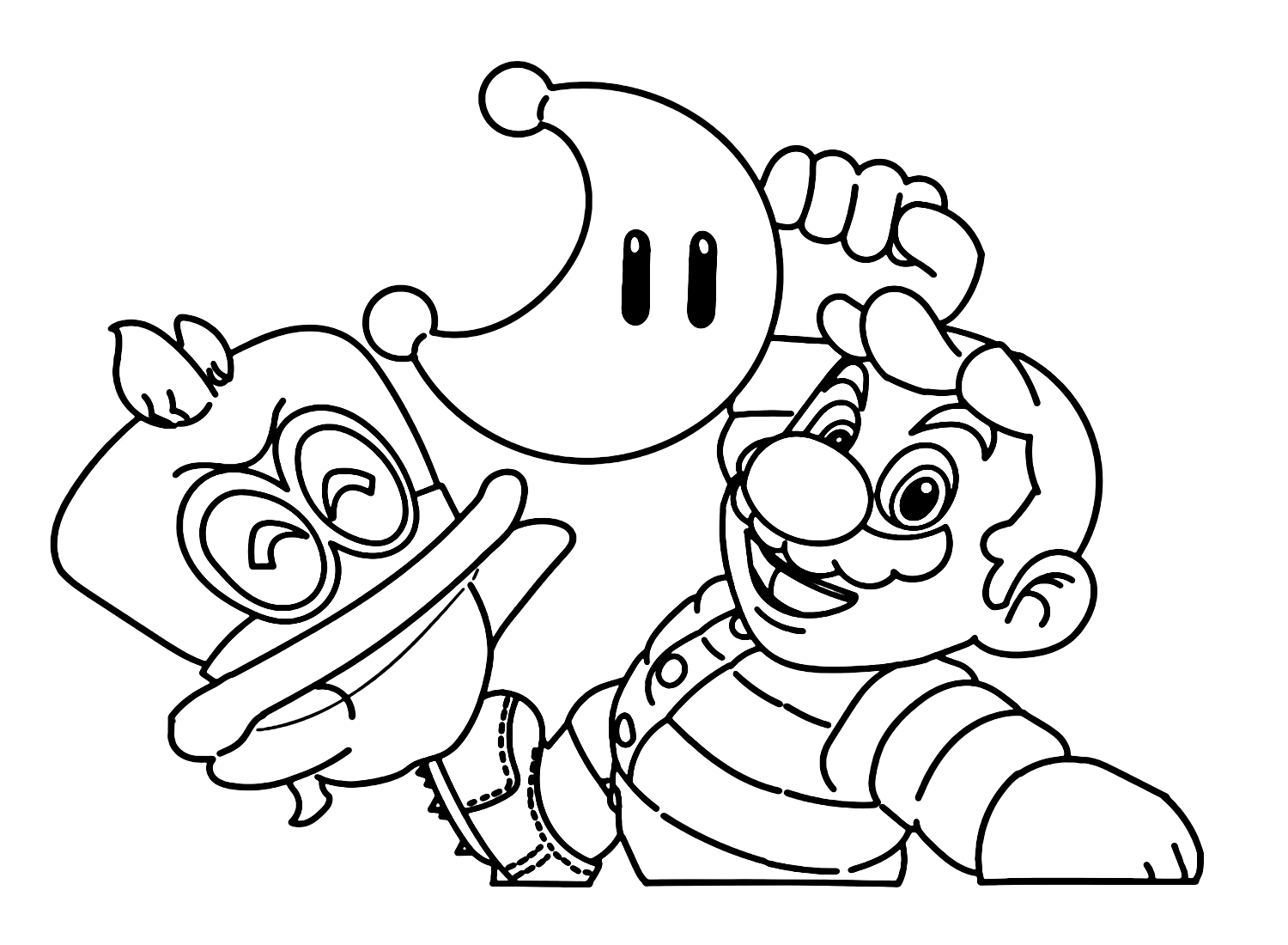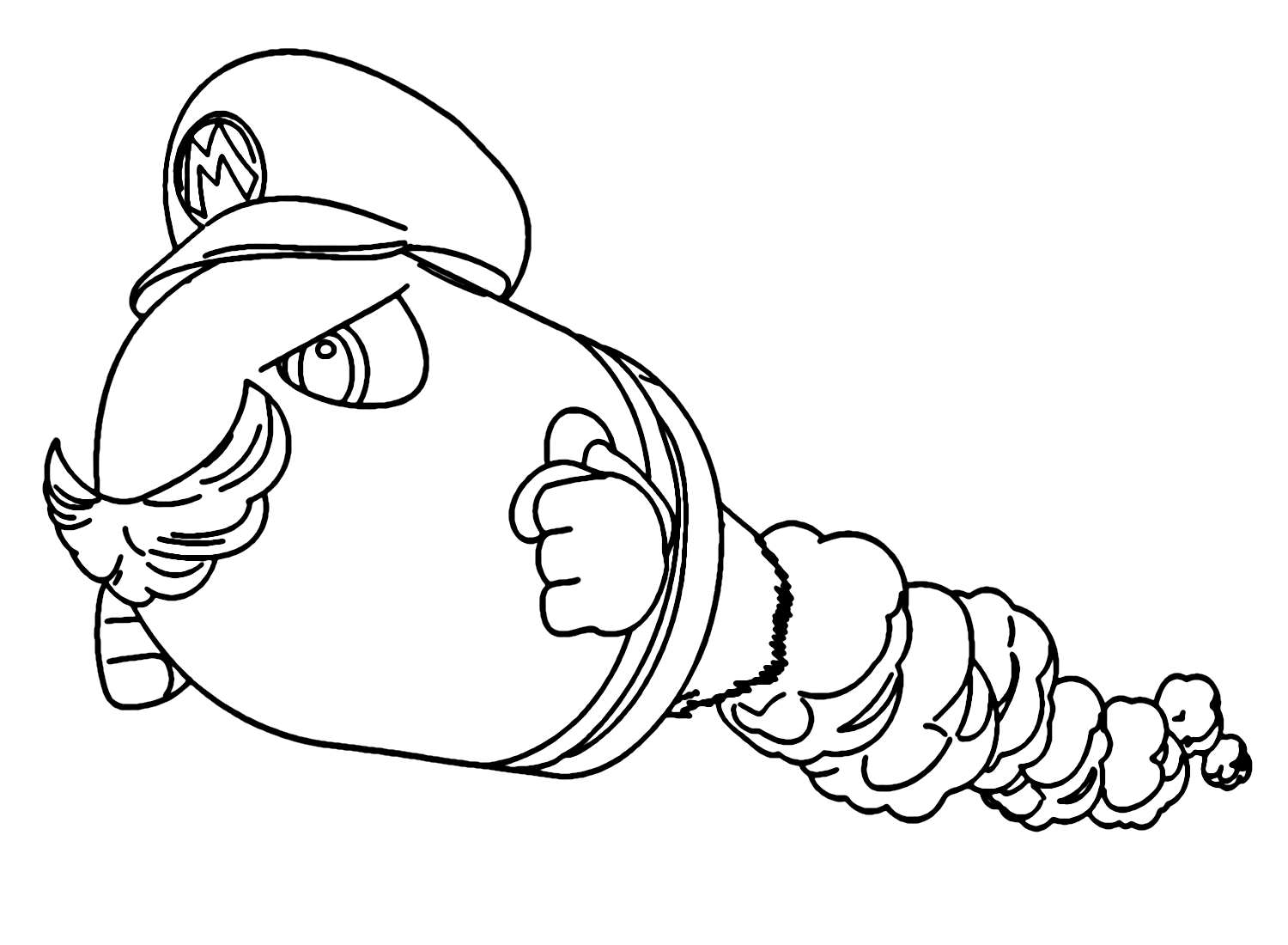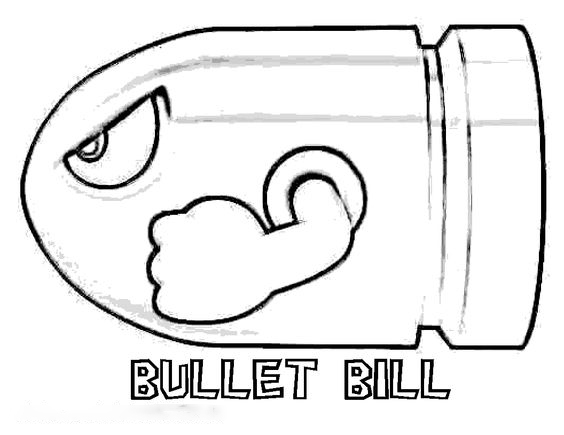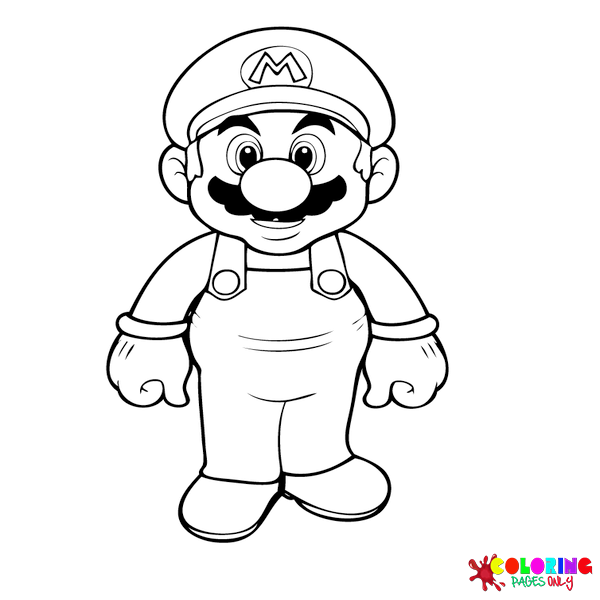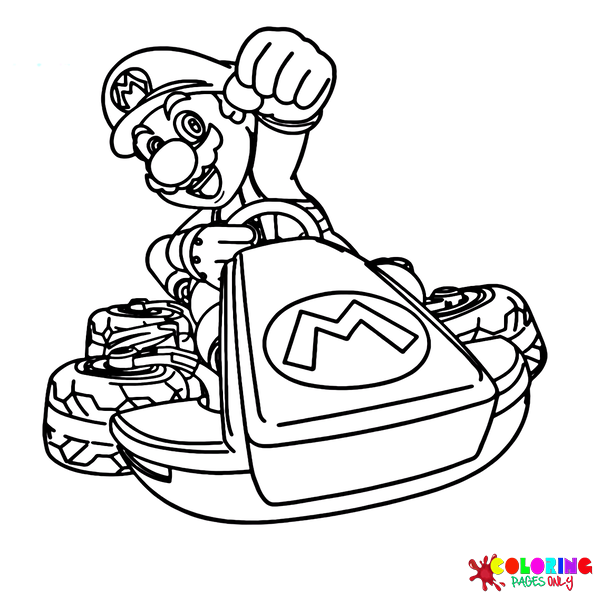
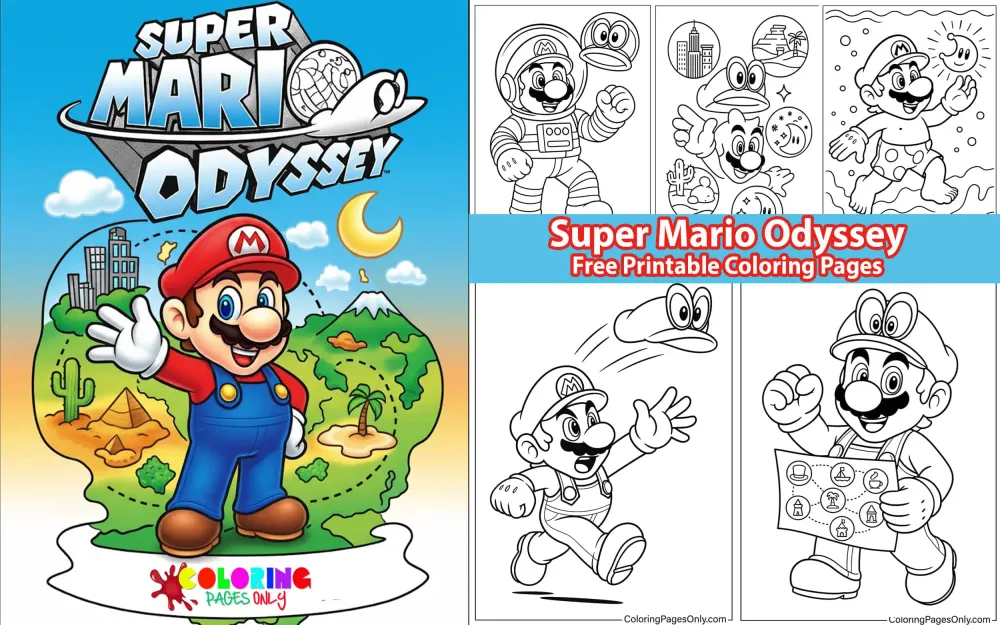
Super Mario Odyssey Coloring Pages at ColoringPagesOnly.com brings together 40+ free pages from Nintendo’s open-world 3D platformer – Mario and Cappy in action poses, Mario in multiple iconic costumes (swimsuit, pirate, wedding tuxedo, and more), captures including the Bullet Bill ride and Frog, kingdom-specific scenes from the Seaside, Metro, and Moon Kingdom, Pauline with her band, Princess Peach aboard the Odyssey, and group celebration compositions. Download any page as a free PDF to print, or color online directly in your browser.
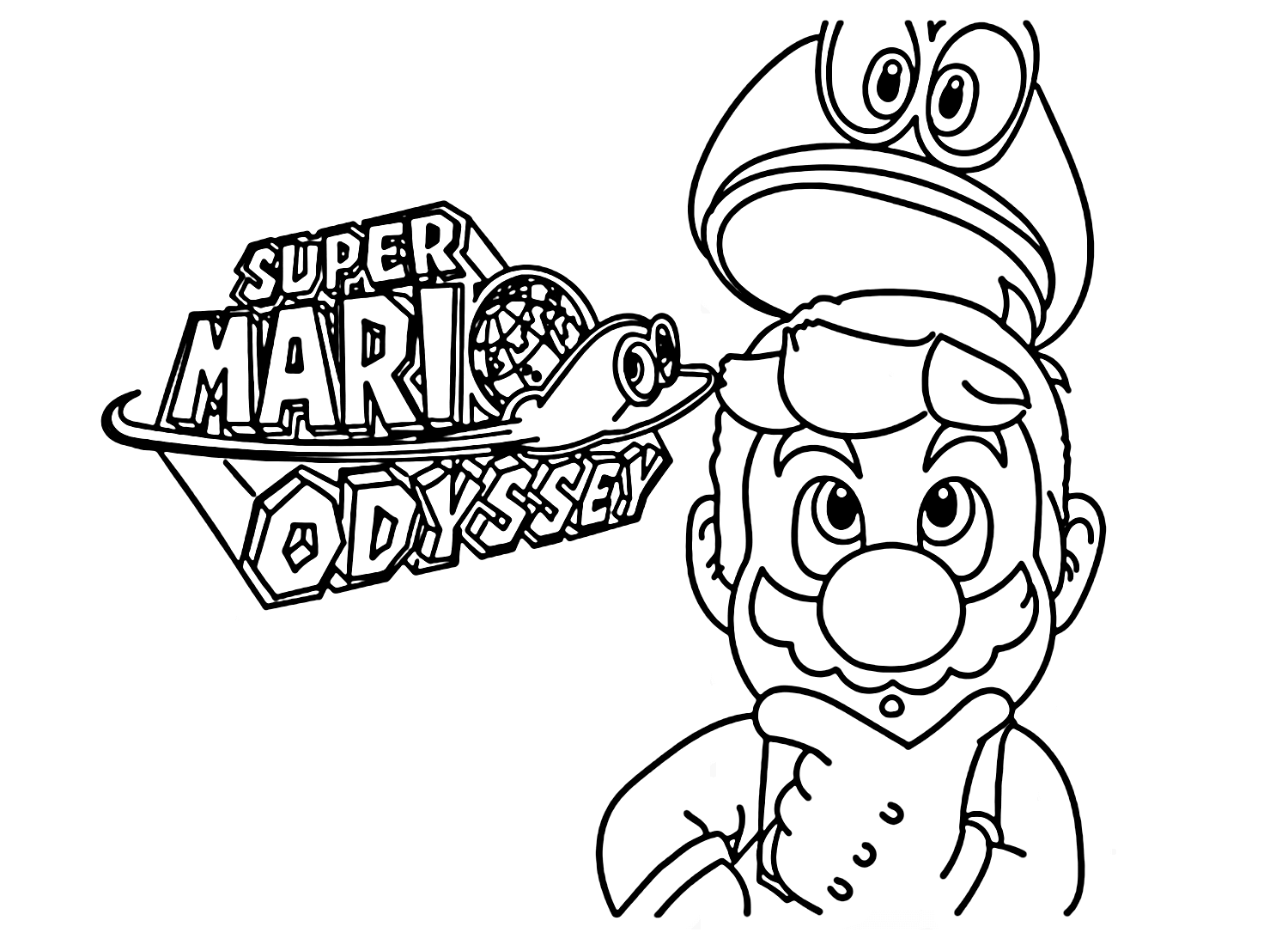
Super Mario Odyssey is part of the Mario universe – explore the full Super Mario Bros Coloring Pages hub and related character collections, including Bowser Coloring Pages, Princess Peach Coloring Pages, Goomba Coloring Pages, and King Boo Coloring Pages.

What Is Super Mario Odyssey?

Super Mario Odyssey is a platform game developed and published by Nintendo for the Nintendo Switch, released worldwide on October 27, 2017. It is the first fully open 3D Mario game since Super Mario Sunshine in 2002 and marked a conscious return to the sandbox-style exploration of Super Mario 64 – a shift away from the linear level-by-level structure of the New Super Mario Bros. era and the Galaxy games.

The game received universal critical acclaim on release. Famitsu awarded it 39/40 – matching Super Mario 64 and the highest score any 3D Mario game has received from that publication since. IGN and GameSpot both awarded it perfect 10/10 scores. It won Game of the Year awards from numerous outlets, including The Game Awards, IGN, Polygon, and GameSpot. Edge magazine compared it directly to Super Mario 64, calling it the spiritual successor that the intervening twenty years had not yet produced. As of June 2025, Super Mario Odyssey has sold 29 million copies worldwide, making it one of Nintendo’s best-selling games ever released and one of the highest-selling Switch titles of all time.

The game was also a crucial early system seller for the Nintendo Switch, launching alongside the console’s first year and demonstrating the breadth of what the platform could offer – home console 3D Mario gameplay at full quality, playable in handheld mode on a train or plane.

The Story – A Wedding Crash Across the World

The premise of Super Mario Odyssey takes the classic “Bowser kidnaps Peach” foundation and pushes it to its most elaborate extreme: this time, Bowser doesn’t simply hold Peach captive. He has organized a forced wedding, has hired a team of professional rabbit wedding planners called the Broodals, and is traveling kingdom by kingdom to steal the finest wedding items in the world – a dress from the Lake Kingdom, a bouquet from the Wooded Kingdom, a ring from the Sand Kingdom – to create the perfect wedding ceremony on the Moon.

Mario, knocked off Bowser’s airship at the story’s opening and stranded hatless in an unfamiliar kingdom, meets Cappy – a sentient hat spirit whose sister Tiara has been kidnapped by Bowser to serve as Peach’s wedding headdress. The two form a partnership: Cappy transforms himself into Mario’s cap, granting Mario extraordinary new abilities, and together they take command of the Odyssey – a hat-shaped airship powered by Power Moons – to chase Bowser across the world.

The journey takes Mario through 14 distinct kingdoms, each with its own culture, aesthetic, and challenges. The game ends on the surface of the Moon, where Mario and Cappy crash Bowser’s wedding ceremony, defeat Bowser (using Cappy to possess Bowser himself and escape a collapsing cavern), and rescue both Peach and Tiara. In the game’s memorable final moment, both Mario and Bowser simultaneously propose to Peach on the Moon’s surface – and Peach rejects both of them, boards the Odyssey with Tiara and Cappy, and flies away. Mario rushes to make the ship in time. Bowser is left on the Moon.

Cappy – The Mechanic That Defines Super Mario Odyssey

Everything in Super Mario Odyssey flows from a single innovation: Cappy’s capture ability. By throwing Cappy at an enemy or object that isn’t wearing a hat, Mario can possess it – taking full control of its body, abilities, and movement. This is called “capturing,” and it replaces the traditional power-up system that has defined Mario games since 1985.

Captures aren’t just a gameplay tool – they are a storytelling device and a world-exploration philosophy. Every kingdom in Super Mario Odyssey introduces new capturable entities that are specific to that environment: frogs who jump extraordinarily high in the Cap Kingdom, T. rexes who stomp everything in the Cascade Kingdom, Bullet Bills who fly freely through the air, Goombas who stack to form towers that can romance Goombettes, and underwater creatures suited to each ocean environment. The capture mechanic asks the player to approach each new creature not as an enemy to be defeated but as a potential vehicle for solving the specific challenges of that environment.

Edge magazine called it “the most versatile ability in the Mario series to date” – not just because of what it can do in any individual case, but because of how it systematically changes how players think about and relate to every entity they encounter. A Bullet Bill is no longer a hazard to avoid but a ride to find. A Goomba is no longer a thing to stomp but a social ambassador. This perceptual shift runs through the entire game.
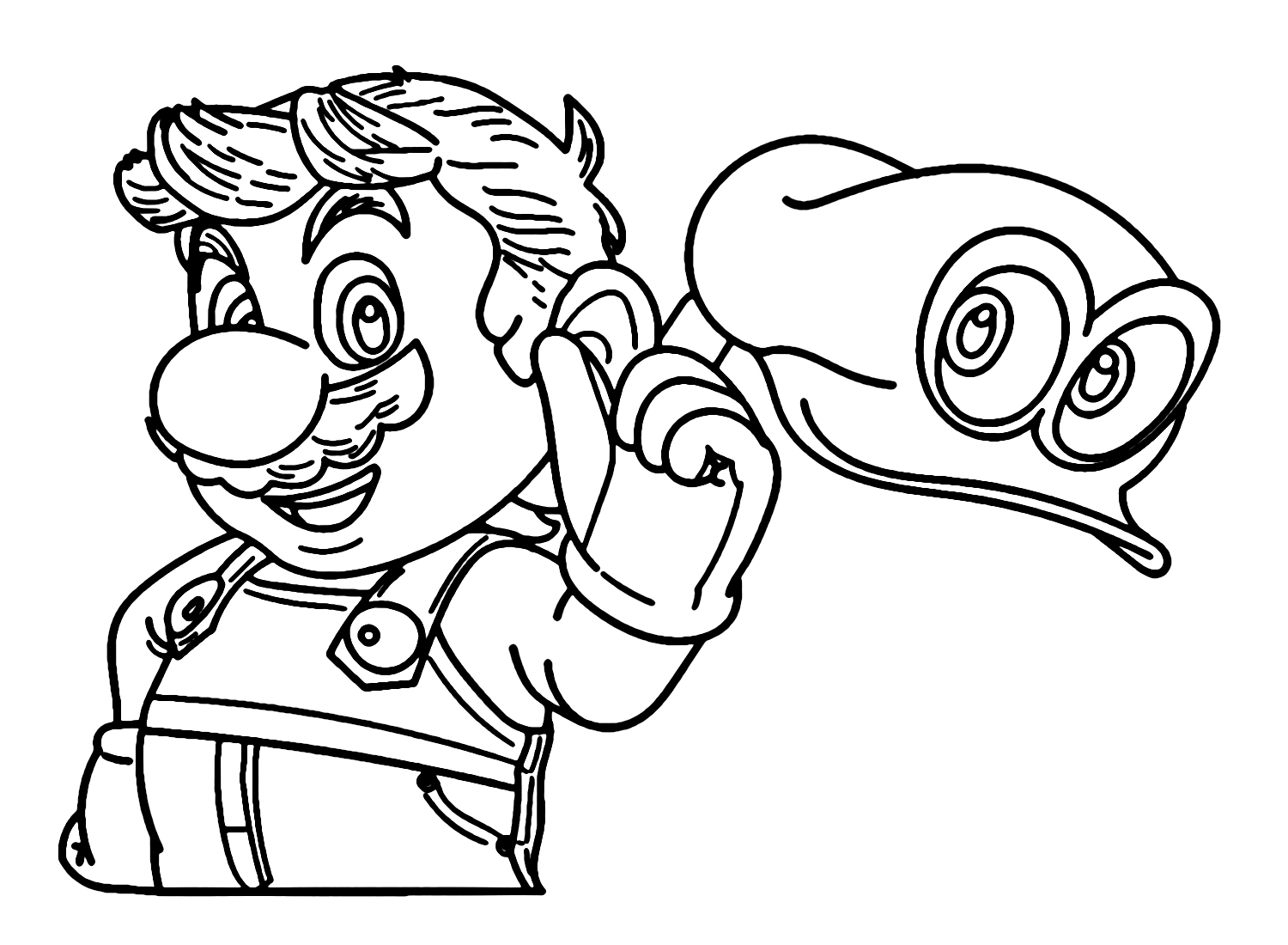
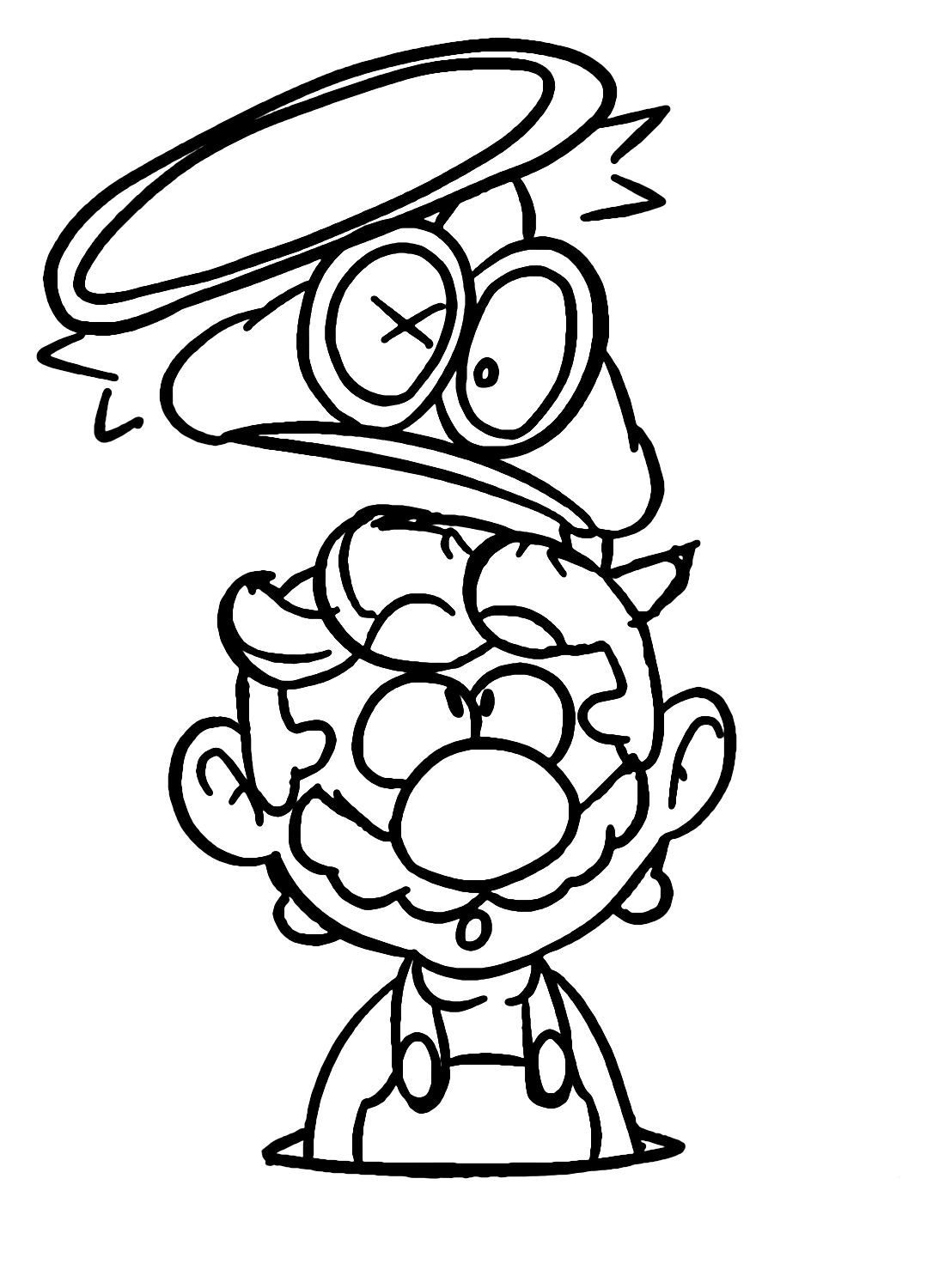
For coloring purposes: whenever a page in this collection shows Mario in an unusual form – riding a Bullet Bill, swimming as a Frog, encased in different creature anatomy – this is the capture mechanic at work. Mario’s red cap (or Cappy’s visible hat form) typically remains visible even in capture mode, marking which captured entity is currently under Mario’s control.

The Kingdoms – A World Tour in Miniature

Super Mario Odyssey structures its world as 14 explorable kingdoms, each designed around a distinct visual aesthetic, cultural reference, and environmental challenge. Understanding each kingdom’s visual language is essential for anyone coloring the themed pages in this collection.

Cap Kingdom – Bonneton

The starting kingdom: a dark, gothic landscape of floating platforms wreathed in perpetual fog, inhabited by the Bonneters – ghostly hat-shaped creatures. The color palette is almost entirely desaturated: deep purple-grey sky, dark platforms, muted tones broken only by the warm light of the lantern-style streetlamps. This is deliberately the most austere kingdom visually – a quiet, melancholy place that contrasts with everything that follows.

Cascade Kingdom – Fossil Falls

A prehistoric landscape of stone ruins and waterfalls, where dinosaurs roam freely. The dominant colors are earth tones – warm sandstone, terracotta, rust-red cliff faces – against the vivid blue-green of cascading water. Mario can capture a T. rex here, one of the largest and most dramatic captures in the game. The palette is warm and ancient.

Sand Kingdom – Tostarena

The most visually distinctive early kingdom: a vast desert city with a striking Mexican Day of the Dead aesthetic – sugar skull motifs, colorful geometric patterns, festive decorations, and the temperature paradox of a mysteriously frozen desert (the result of Bowser’s theft of the Binding Band). The color palette shifts dramatically between the warm sun-bleached desert exterior (sandy orange, dusty tan, pale gold) and the cool blue-purple night scenes when the festive city lights up. Regional coins are pyramid-shaped, and the Crazy Cap shop uses terracotta and turquoise as its accent colors.

Lake Kingdom – Lake Lamode

An underwater fashion district, where an elegant lake civilization builds its identity around the garment industry. The aesthetic is soft, aquatic Art Nouveau: flowing water shapes, pastel greens and blues, the shimmering iridescence of underwater environments. Mario wears his swimsuit here and captures aquatic creatures to navigate. The pages showing Mario swimming or in swimwear originate from this kingdom and the adjacent Seaside Kingdom.

Wooded Kingdom – Steam Gardens

A forest kingdom where giant robot flowers tend to a botanical garden – steampunk technology coexisting with organic woodland aesthetics. The color palette mixes deep forest greens with the warm copper-and-rust tones of Victorian-era machinery. Robot Goombas patrol the gardens. The contrast between natural and mechanical is the kingdom’s defining visual characteristic.

Metro Kingdom – New Donk City

The most iconic and culturally recognizable kingdom: a city inspired by New York City’s Art Deco era, populated by realistic-looking human residents who exist visually alongside the cartoonish Mario in deliberate surrealist contrast. Pauline – Mario’s original love interest from the original Donkey Kong arcade game (1981), reimagined as the glamorous mayor of New Donk City and the singer of the game’s main theme “Jump Up, Super Star!” – appears here as a key character. The New Donk City Festival sequence, where Mario runs through the city to the live performance of “Jump Up, Super Star!” with Pauline and her band, is widely considered one of the most joyful setpieces in the entire Super Mario series. The kingdom’s color palette is urban: concrete grey, neon advertising colors, warm street-lamp gold at night, and the vivid blue skies of a clear day.

Snow Kingdom – Shiveria

A frozen arctic landscape where the local Shiverian community is obsessed with a racing sport that takes place in enclosed ice arenas underground. The palette is white, icy blue, and pale lavender – with warm interior lighting providing contrast when Mario enters the racing halls. The Shiverians themselves are rotund, walrus-like creatures whose primary mode of transport is rolling.

Seaside Kingdom – Bubblaine

A sunny resort kingdom on the shores of a carbonated sea – an ocean of naturally sparkling water that creates a distinctive blue-and-bubble visual quality. Geysers of carbonated water shoot into the air. The dominant palette is warm beach tones (sandy yellow, coral pink, turquoise water) against a vivid blue sky. Mario’s swimsuit and swimming cap pages most directly reference this kingdom’s aesthetic. The pages showing Mario underwater with a Power Moon are Seaside Kingdom pages.

Luncheon Kingdom – Mount Volbono

The most visually surreal kingdom: a volcanic landscape where the lava has been replaced by tomato sauce, and the rocks are made of food. Giant forks, ingredient volcanoes, and cooking-themed architecture define the environment. The palette is deep reds and oranges for the food-lava, with rich warm ambers and golds throughout. The pirate costume page exists alongside this kingdom’s adventure-themed elements.

Bowser’s Kingdom

A massive Japanese castle complex floating above the clouds – the most architecturally detailed kingdom in the game, with traditional Japanese castle construction rendered in full 3D. The color palette is formal and imposing: deep blue-black roof tiles, warm cream walls, and gold and red decorative elements. The contrast between the elegant traditional architecture and its inhabitants’ chaotic intentions is the kingdom’s central visual joke.

Moon Kingdom – Honeylune Ridge

The lunar surface, where Bowser’s wedding ceremony takes place inside an ornate chapel – the visual incongruity of a formal wedding venue on the moon’s grey, crater-pocked surface is entirely intentional. The palette is deep grey-white for the lunar exterior and rich ivory-cream-gold for the chapel interior. The pages showing Mario with Princess Peach aboard the Odyssey or celebrating with Cappy and confetti reference this kingdom’s resolution.

Canonical Colors – Mario and the Collection’s Cast

Mario’s Standard Palette

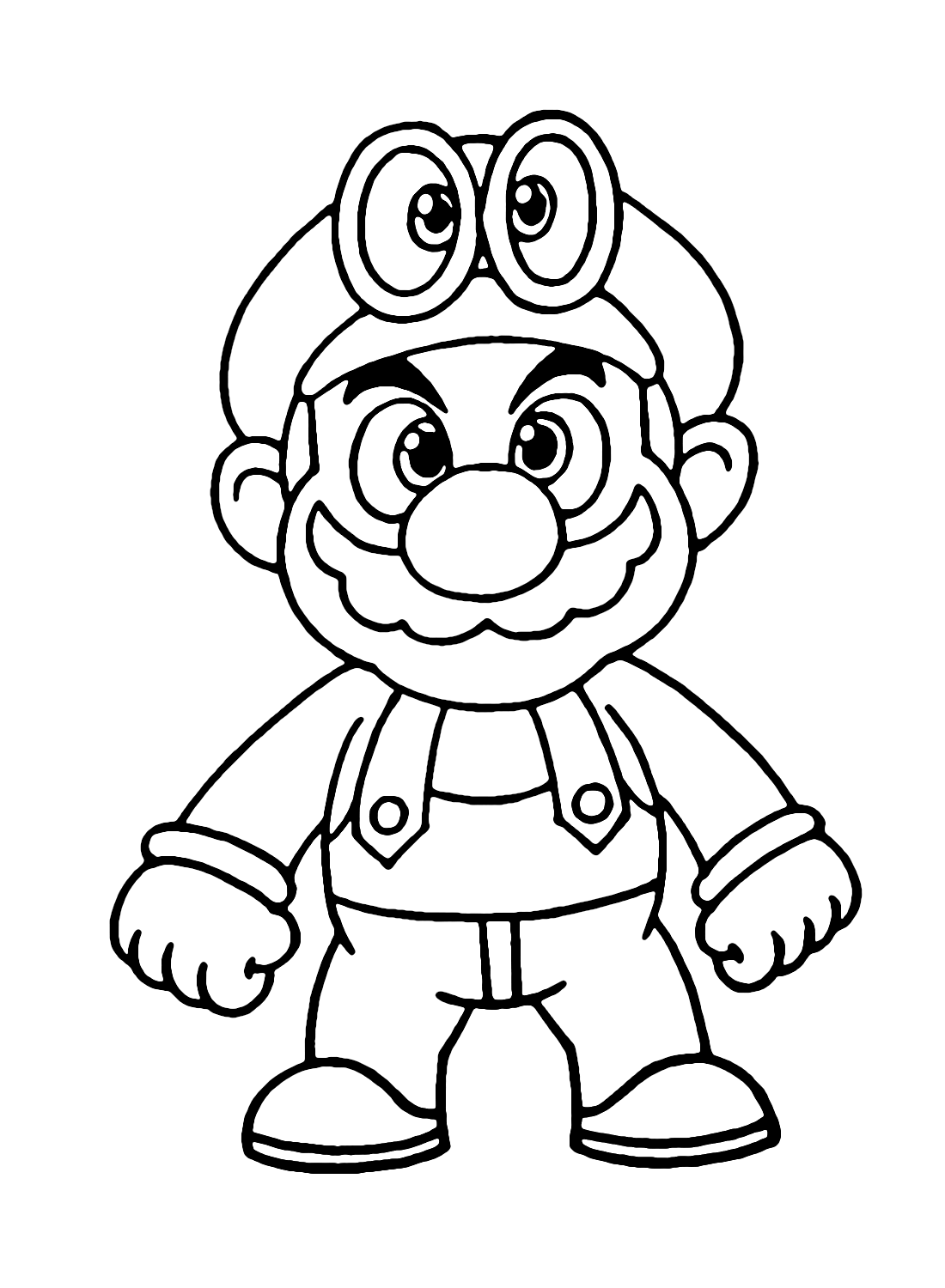
Mario’s canonical colors in Odyssey remain his classic design: red cap with “M” emblem, red shirt, dark navy or indigo-blue overalls, brown shoes, and white gloves. The skin tone is the warm peach familiar from decades of Mario art. The cap’s “M” emblem is rendered as a thick sans-serif white letter against a slightly lighter red than the cap itself.

Cappy

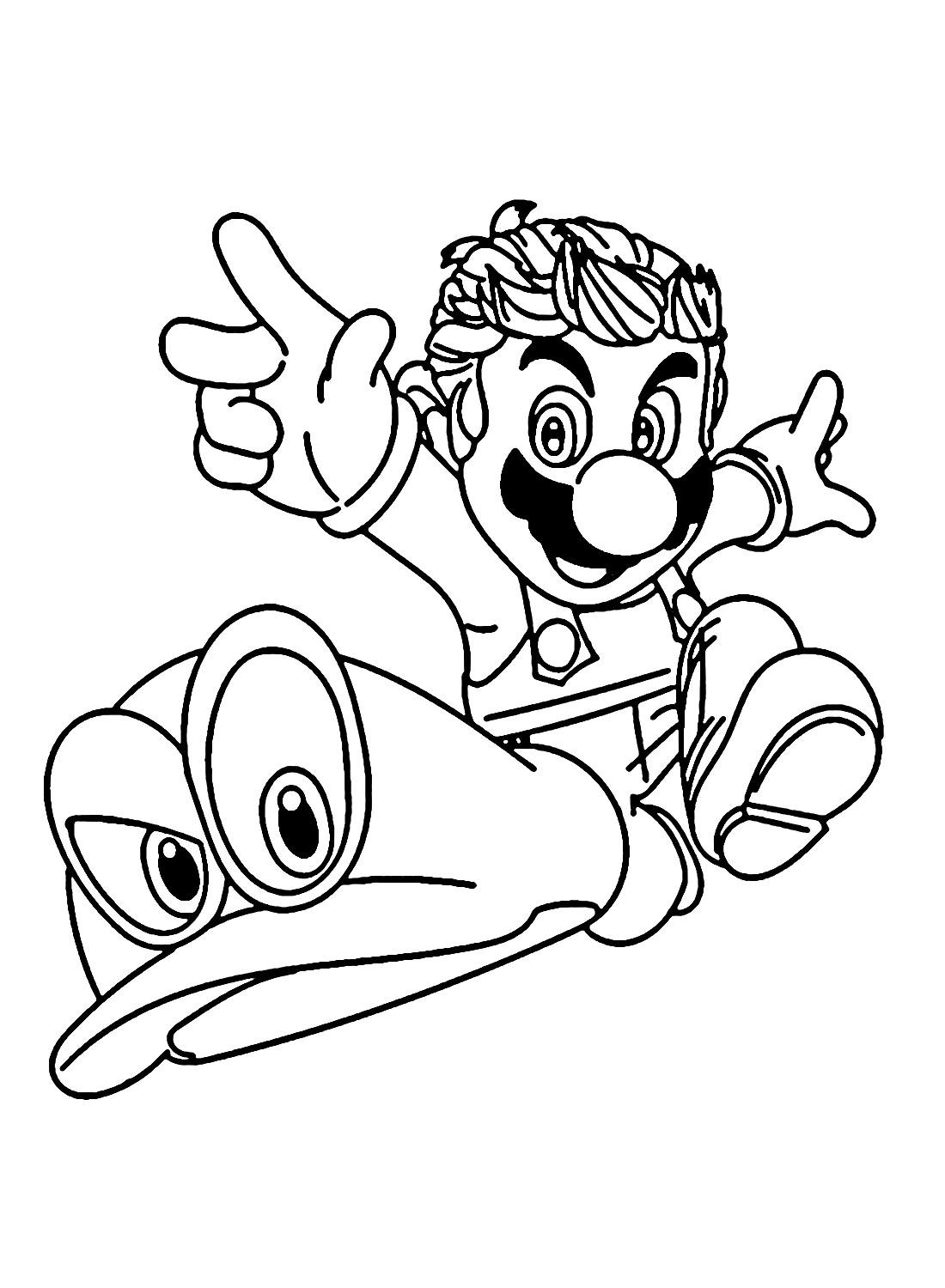
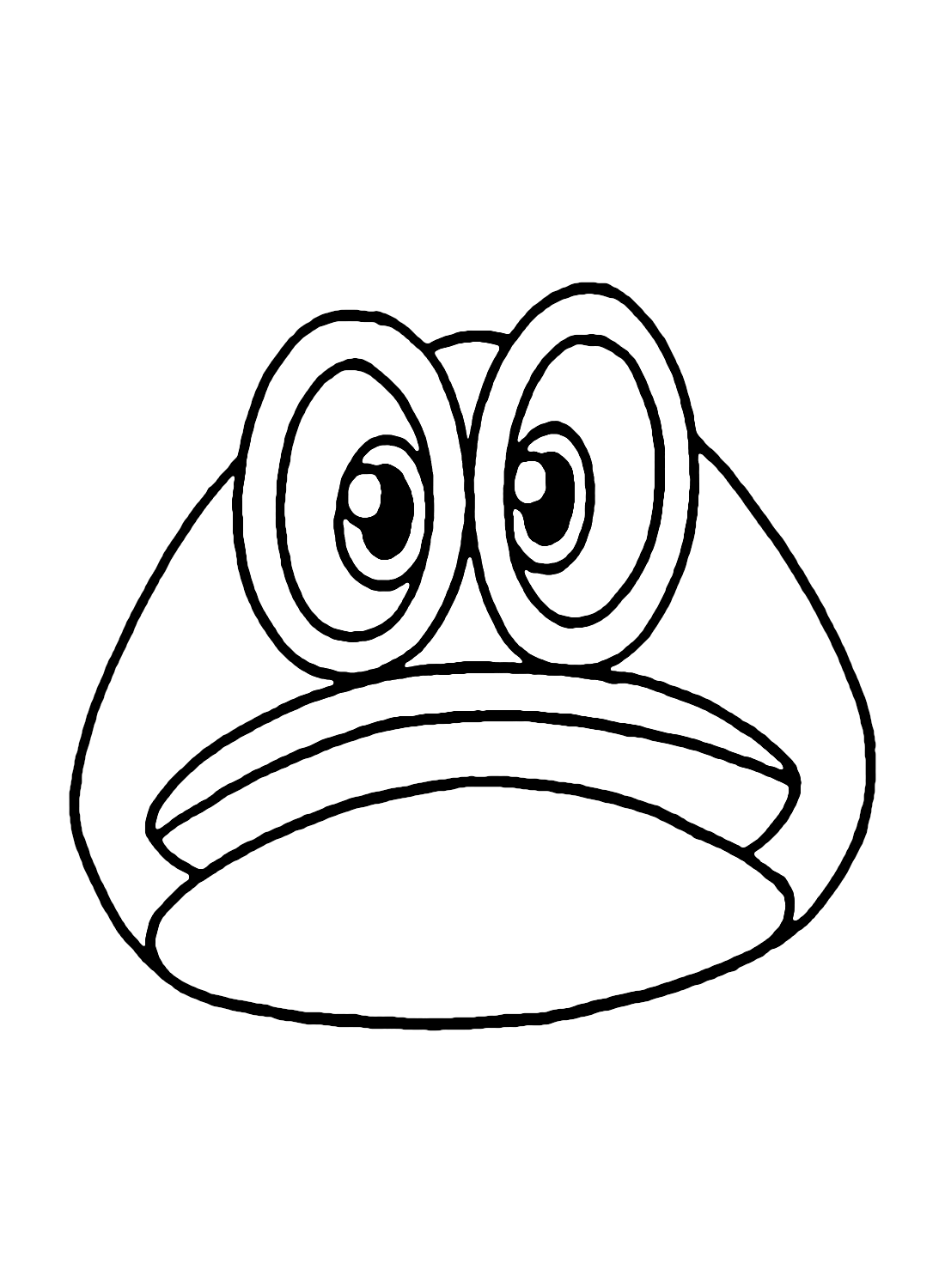
Cappy, in his hat form, looks like Mario’s standard red cap with eyes – two small oval white eyes with black pupils appearing on the brim above the visor. When shown as a floating spirit or thrown cap, Cappy retains the cap shape and eye detail. In idle floating states, his eyes sometimes display expressive emotion. For coloring: the cap is Mario’s same red, the eyes are white with black pupils, and the overall silhouette is immediately recognizable as a Mario cap with the addition of eyes.

Mario’s Costume Pages – The Crazy Cap System

One of Odyssey‘s most beloved features is its extensive costume system: regional coins (unique purple coins found in each kingdom) and gold coins can be spent at Crazy Cap shops throughout the game to purchase hats and outfits that change Mario’s appearance. The collection here features several of these costumes:

Swimsuit and Swim Cap (Seaside Kingdom): Red swim trunks with a white horizontal stripe, bare chest (extremely rare for a Mario game), and a red swimming cap replacing the standard cap. This is one of the more playful costume options.

Pirate Costume: A full pirate outfit with a burgundy-and-gold coat, white collar, and a tricorne hat – one of the most dramatically different looks from Mario’s standard design. Colors are deep burgundy red, cream white, and gold accents.

Wedding Tuxedo: Mario in formal black-and-white evening wear – black tuxedo jacket, white shirt, white bow tie, and a top hat. This costume is unlocked post-game and references the wedding ceremony that frames the game’s story.

Cowboy Outfit: Brown leather vest, white shirt, and ten-gallon hat – referencing the Sand Kingdom’s Western desert aesthetic.

Samurai / Explorer outfits: Various kingdom-specific outfits that Mario can acquire throughout the journey.

Pauline

Pauline in Odyssey is depicted as a glamorous, confident adult woman – a dramatic redesign from her original 1981 Donkey Kong appearance. She has long dark hair, pale skin, and wears a distinctive red evening gown that references her classic color without being identical to it. As Mayor of New Donk City, she also appears in more official civic attire in certain scenes.

Princess Peach (Wedding Outfit)

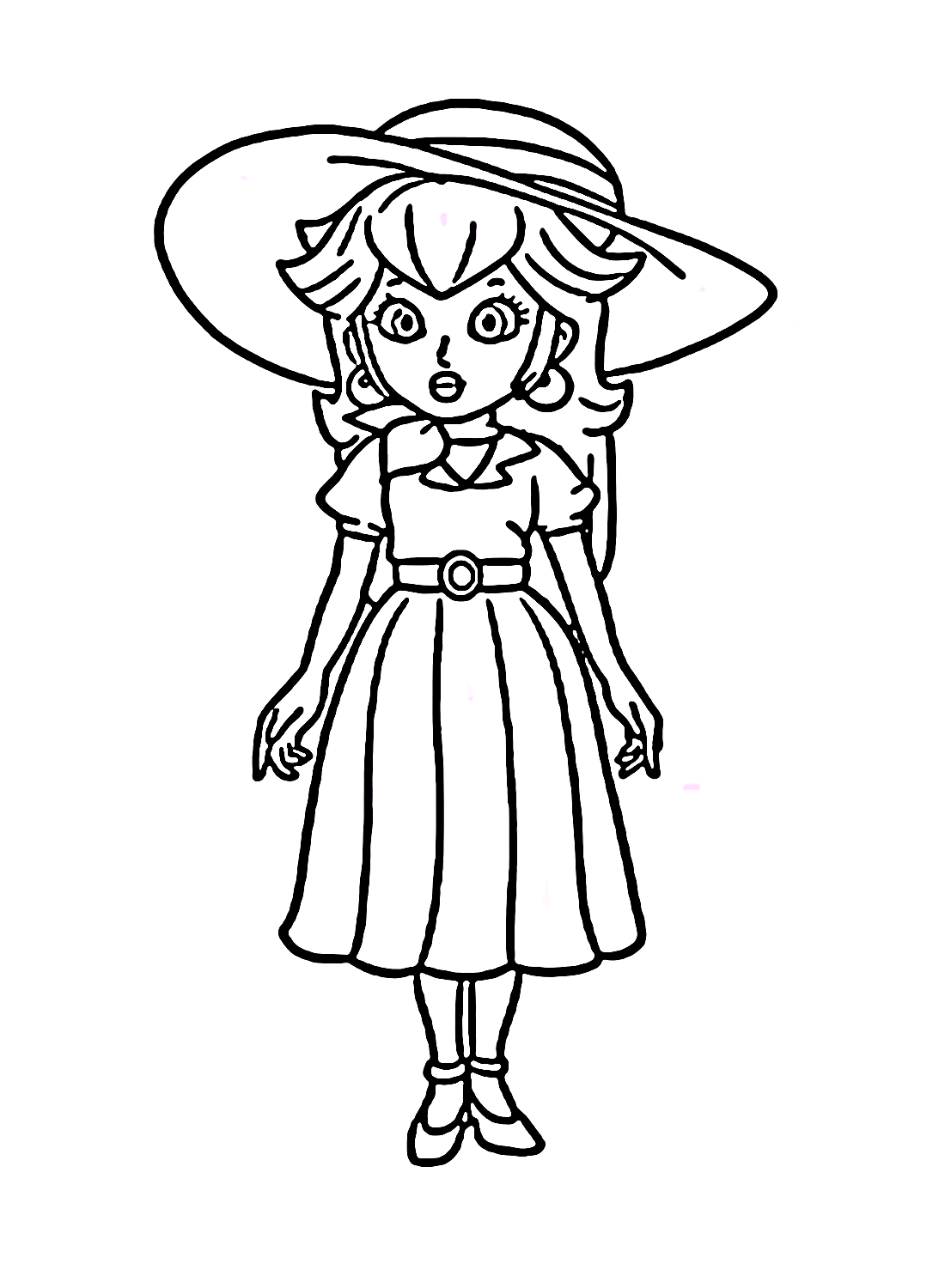
The pages showing Peach in Odyssey contexts typically show her in her white wedding dress – the one Bowser has arranged for the forced ceremony. It is an elaborate white gown with gold accents and a full skirt, dramatically different from her standard pink princess dress. Tiara, the Bonneter who serves as Peach’s wedding headdress in this context, is a small hat-shaped character who sits atop the gown’s tiara position.

Power Moons – The Collectible Heart of the Game

Power Moons are Odyssey‘s primary collectible – glowing crescent-moon-shaped objects that serve as the fuel source for the Odyssey airship. The game contains 880 Power Moons in the main game (plus additional moons unlocked post-game, reaching 999 total), scattered across all kingdoms in every possible hiding location: underground, underwater, on top of structures, inside challenge rooms, obtained by helping characters, by capturing specific creatures, and by completing various tasks.

The Power Moon’s visual design is consistent across all pages: a warm golden-yellow crescent moon shape with a gentle inner glow. It is never simply yellow – it has an interior warmth that reads as lit from within, with slightly brighter yellow at the center and warm cream at the edge. Pages showing Mario holding or collecting a Power Moon should render it in this glowing, warm golden palette rather than flat yellow.

Multi Moons (obtained from major bosses) are three Power Moons fused together – a triple-moon shape in the same golden palette, significantly larger than a single moon and with a more intense glow.

Coloring Tips

The red of Mario’s cap and shirt is specific. Mario’s red is a vivid, fully saturated red – not crimson, not brick, not orange-red, but the clean primary red of classic cartoon design. The overalls are a deep indigo-navy blue, not bright blue or black – the distinction between the deep navy overalls and the rich red shirt is what makes the standard Mario silhouette work at any size. When in doubt: the red should look like it belongs on a fire truck, and the navy should look like it belongs on a sailor’s uniform.

Cappy’s eyes are the expressive element. On pages showing just Mario’s hat (or Cappy in hat form), the two small oval eyes on the cap brim are the entire emotional content of the character. Render them clearly with white sclera and dark pupils – the eyes should be immediately visible against the red cap, not blending in. The size should be modest: Cappy’s eyes are characteristically small relative to the hat’s surface area, which gives him a reserved, gentle expression rather than an exaggerated one.

Each kingdom has its own color temperature. When coloring background environment pages or adding context to character pages, lean into the kingdom’s specific palette. Cap Kingdom: cool grey-purple for fog and platforms. Sand Kingdom: warm sandstone and dusty gold, with turquoise accents for festive decorations. Metro Kingdom: concrete grey and neon accents, warm amber for street lighting. Seaside Kingdom: vivid turquoise water with coral and sandy beach tones. Luncheon Kingdom: deep red-orange for the tomato-lava, with warm amber and gold for solid surfaces. Snow Kingdom: white-blue ice and lavender shadow tones for snow.

Power Moons need an inner glow. The golden crescent of a Power Moon should be rendered with a lighter, brighter center – apply yellow first across the entire shape, then add deeper golden-orange at the outer edges, leaving the center lighter. This radiating approach suggests the moon is generating its own light rather than reflecting external light. On pages where a Power Moon is the focal object of the composition, this glow effect is the most important single coloring decision.

For costume pages – anchor the costume’s color first. The swimsuit pages are red-dominated (red trunks, red cap). The pirate costume is burgundy-dominated. The wedding tuxedo is black-and-white dominated. In each case, establish the costume’s primary color before rendering Mario’s skin or any background elements – the costume color is what communicates which version of Mario this page depicts, and every other coloring decision should be calibrated in relation to it.

The Odyssey ship itself has a specific appearance. Pages showing the Odyssey – the hat-shaped airship – depict it as a warm red-and-white vessel with a distinctly hat-like silhouette: rounded crown, flat brim extending around the perimeter as a deck area. The ship is red with white trim and golden accent details. Its “hat” nature is most visible from certain angles; the portholes are circular, yellow-lit windows suggesting the warm interior.

For city pages (New Donk City) – contrast realism with cartoon. The Metro Kingdom’s visual joke is the deliberate contrast between realistic human proportions and architecture against Mario’s cartoonish scale and design. On pages showing this contrast, render the buildings and urban elements in realistic, slightly muted urban tones (concrete grey, glass-blue, brick-red) while keeping Mario himself in his vivid, canonical red and navy. The contrast between the two color registers is the visual content of the scene.

5 Activities

The Kingdom color-coding game. Print six different pages from the collection, each referencing a different kingdom: the Seaside Kingdom swimsuit page, the New Donk City page, any Sand Kingdom page, any Snow Kingdom page, the Moon Kingdom wedding page, and any Cascade Kingdom page. Before coloring, research each kingdom’s visual palette from the game. Color each page in the environment colors appropriate to that kingdom – not just the character, but the background and any props. When finished, arrange all six pages together. The collection should visually demonstrate how a single character (Mario) reads completely differently depending on the environment palette surrounding him. The exercise develops understanding of how background color affects character perception – a foundational principle of character design and illustration.

The costume design project. The Crazy Cap system gives Mario access to dozens of outfits linked to specific kingdoms and cultures. Print any standard Mario portrait page from the collection. On a separate piece of paper, design your own Crazy Cap outfit for Mario: choose a specific real-world culture, historical period, or theme; design the hat and outfit; choose a color palette; and name the outfit as it would appear in the game’s shop (“Explorer’s Outfit,” “Festival Suit,” “Galactic Tuxedo”). Then, color the portrait page in your invented costume’s palette. This activity replicates the design philosophy Nintendo used when creating Odyssey‘s 60+ costumes – each grounded in a specific cultural or thematic reference, translated into Mario’s visual language.

The Cappy captures imagination exercise. One of Odyssey‘s most praised qualities is how the capture mechanic encourages players to look at every enemy differently – not as a hazard but as a vehicle. Print any page showing Mario in action. On blank paper, draw three creatures or objects from the world around you (a cat, a bicycle, a chair) and imagine: if Mario could capture each of these, what specific ability would he gain? What would he look like inhabiting each form? Color your captures. This activity extends Odyssey‘s core design philosophy – “what if possessing this changes how you move through the world?” – into a creative exercise independent of the game, building skills in character design and imaginative problem-solving.

The Power Moon hunt tracking sheet. Odyssey has 880 Power Moons in its main game, a number intentionally designed to be incompletable in a single casual playthrough. Print as many of the Moon-themed pages from the collection as are available. Color each Power Moon page in the correct golden-glow palette. Arrange them in a grid on a larger piece of paper and label each with a made-up kingdom name and moon challenge (“Sand Kingdom: Inside the Inverted Pyramid,” “Metro Kingdom: On Top of the City Hall Roof,” “Seaside Kingdom: Hidden Behind the Waterfall Geyser”). The finished grid becomes a visual representation of the game’s moon-hunting structure and demonstrates why the 880-moon count creates such extended and rewarding gameplay – each moon is a small story, a small challenge, a small discovery.

The New Donk City Festival recreation. The New Donk City Festival sequence – where Mario runs through the city while “Jump Up, Super Star!” plays live on stage – is widely cited as one of the most joyful moments in any Nintendo game. Print the Pauline page and the New Donk City-themed Mario pages together. Color Pauline in her red gown and dark hair, color Mario in his standard outfit or the New Donk City-appropriate explorer/suit costume, and then – on a large blank piece of paper – create a festival background for both: colorful bunting, stage lights, confetti, and the Art Deco architecture of New Donk City at night. Place your colored Pauline and Mario cut-outs in the scene. The activity recreates the game’s emotional peak moment as a collaborative visual art project, and if you know the song, sing it while you work.

Jennifer Thoa – Writer and Content Creator

Hi there! I’m Jennifer Thoa, a writer and content creator at Coloringpagesonly.com. With a love for storytelling and a passion for creativity, I’m here to inspire and share exciting ideas that bring color and joy to your world. Let’s dive into a fun and imaginative adventure together!